What an NN Conveyor Belt Is
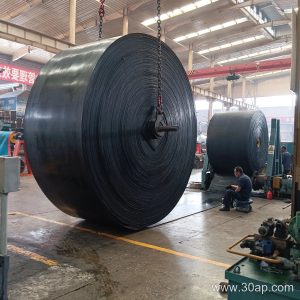
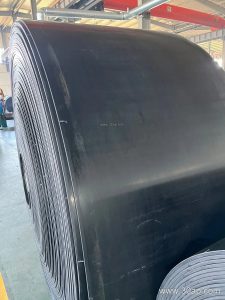
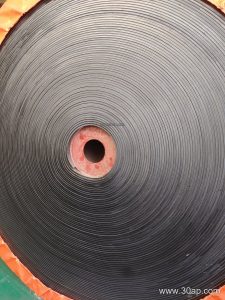
An NN Conveyor Belt is a fabric core belt built on nylon-nylon carcass layers, where both the warp and weft yarns are polyamide. In the trade, the same product is also called a nylon conveyor belt or an NN fabric core conveyor belt. The carcass gives the belt its tensile strength, while the rubber covers protect it from the material being carried. Because the nylon fabric stretches under load and absorbs shock well, this belt suits many bulk handling lines where impact and flexing are part of daily duty.
The term NN Conveyor Belt is often followed by a strength number, such as NN100, NN200, NN300 or NN400, which refers to the nominal tensile strength of the carcass. These figures are reference values, and actual construction differs between manufacturers.
How the Belt Is Built
The carcass is made from multiple plies of nylon fabric, usually two to six layers, bonded with rubber compound. Top and bottom covers are applied to protect the plies from abrasion, moisture and the carried material. Cover thickness is commonly written as a pair, for example 4+2 mm or 6+2 mm, where the first figure is the top cover and the second is the bottom cover.
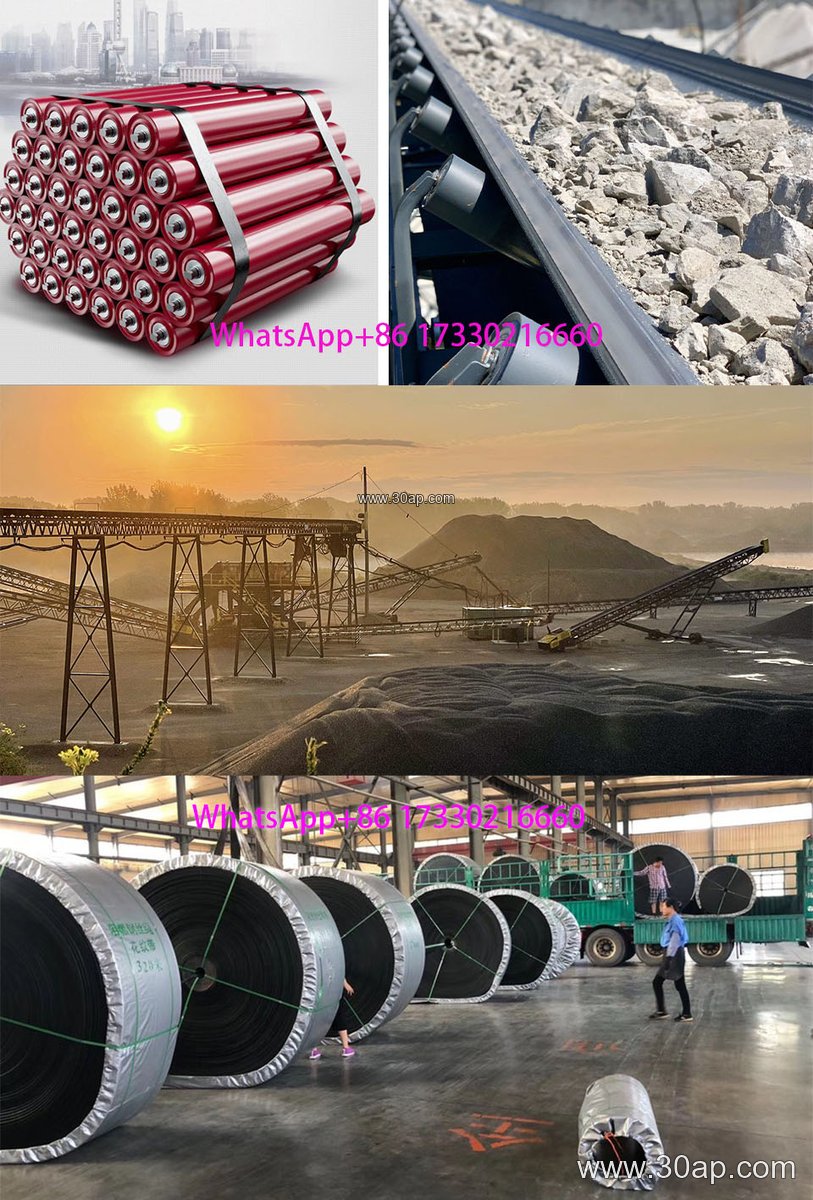
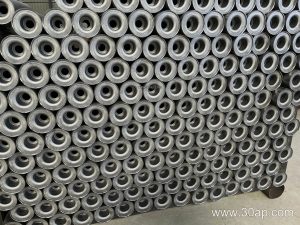
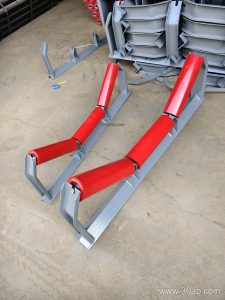
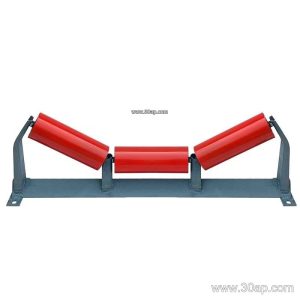
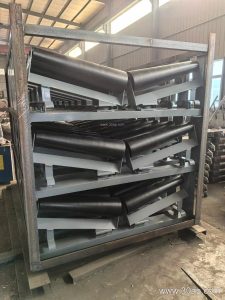
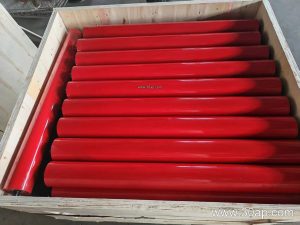
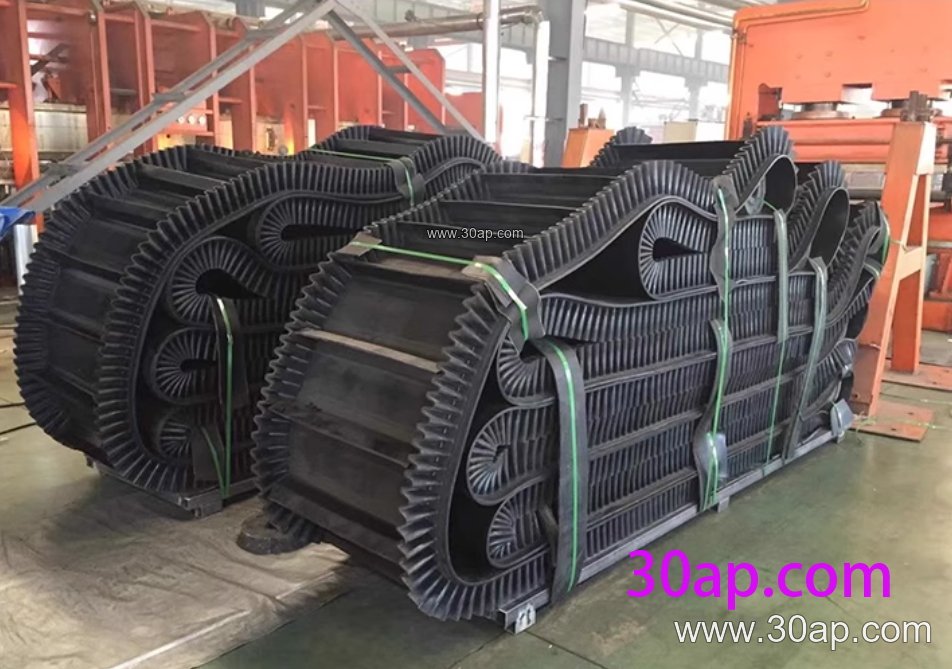
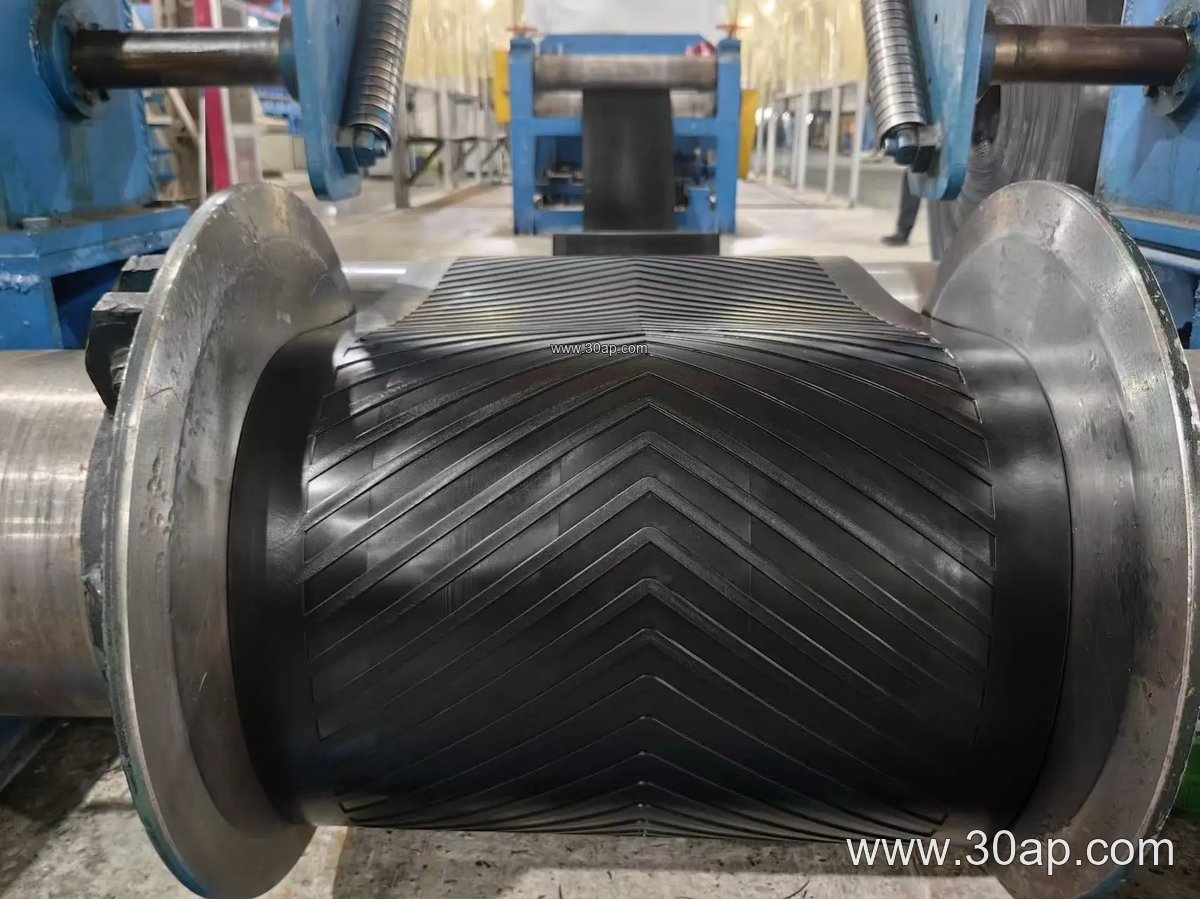
The belt runs over a conveyor pulley at the head and tail, supported by idler rollers along the carrying side, with conveyor brackets holding the structure together. Belt edges can be cut square or molded, and the surface may be plain or carry patterns for special duties.
Common Reference Parameters
- Strength grades: NN100, NN200, NN300, NN400
- Width range: B500, B650, B800, B1000, B1200, B1400, B1600
- Cover combinations: 3+1.5 mm, 4+2 mm, 5+2 mm, 6+2 mm, 8+3 mm
- Carcass plies: 2 to 6 layers, depending on design
These are typical reference points, not fixed supply promises. A 1200mm wide belt, for instance, can be paired with different pulley diameters depending on the conveyor design, so no single size combination should be assumed.
Where NN Belts Fit in the Field
Nylon-nylon belts are widely used in mining, coal preparation, cement plants, power stations, quarries and sand and gravel yards. In a crusher discharge line, the belt must tolerate lumps and repeated flexing over the tail pulley. In a cement plant, it may carry clinker or raw meal over long distances. In a coal mining conveyor system, flame retardant and anti-static versions are often specified, while heat resistant grades serve clinker and sinter handling.
For very high tensions or long overland routes, a steel cord conveyor belt may be the better choice, since the steel cord carcass offers higher strength in a single unit. For general bulk material conveying at moderate tension, the NN fabric core belt remains a practical and widely accepted option.
Selection Points for Buyers
Start with the duty: material type, lump size, loading impact, ambient temperature and whether the belt runs underground. Then match the carcass grade and cover compound to that duty. An abrasion resistant conveyor belt cover is common for stone and ore, an oil resistant cover for oily scrap or recycled material, and a heat resistant grade where hot material is discharged.
Check the pulley arrangement as well. Drive pulleys, tail pulleys and bend pulleys each play a different role, and the belt must be specified for the smallest pulley it will run over. Belt width, ply count and cover thickness should be confirmed against the conveyor design, not chosen by habit.
Installation and Care
Correct splicing matters as much as the belt itself. A poorly made joint becomes the weakest point on the line. Keep idler rollers turning freely, check pulley lagging for wear, and maintain belt tension so the belt does not slip on the drive pulley. Inspect edges for cuts and cover for gouges, especially in quarry and mining service where sharp rock is present.
For more details on fabric core belts, idler rollers, pulleys and brackets, visit www.beltsupplier.com or check our conveyor belt selection notes at www.beltsupplier.com/nn-conveyor-belt.