What a Flame Retardant Conveyor Belt Is
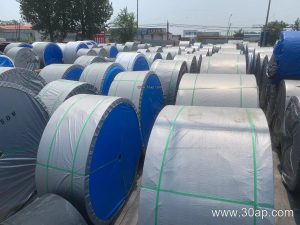
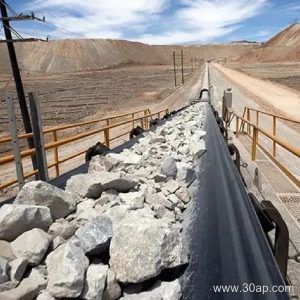
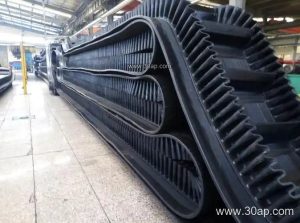
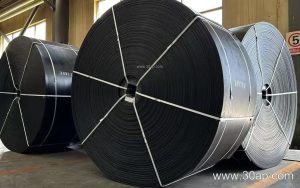
A flame retardant conveyor belt is a rubber conveyor belt designed to resist ignition and slow flame spread when it carries combustible bulk materials or operates in areas where a spark, friction heat, or electrical fault could start a fire. It belongs to the same family as the fire resistant conveyor belt, and in many mining and power plant specifications the two terms describe the same product category. The belt still performs the core job of any conveyor belt: moving crushed rock, coal, clinker, or aggregate between transfer points, stockpiles, and processing equipment.
This is not a general-purpose belt with a warning label. The flame-retardant compound and the belt construction work together, so buyers should treat it as a distinct product when specifying a conveyor line for coal mining, underground mining, cement plants, or port bulk handling.
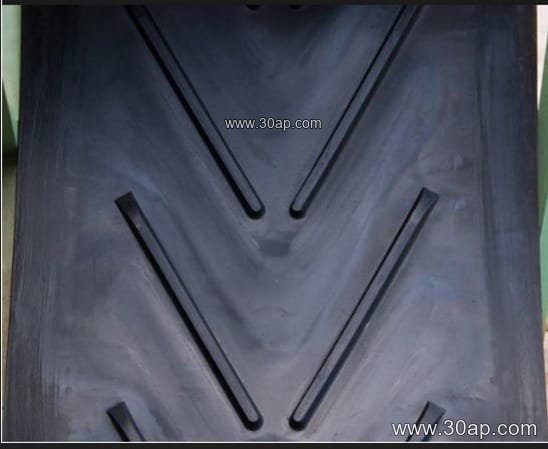
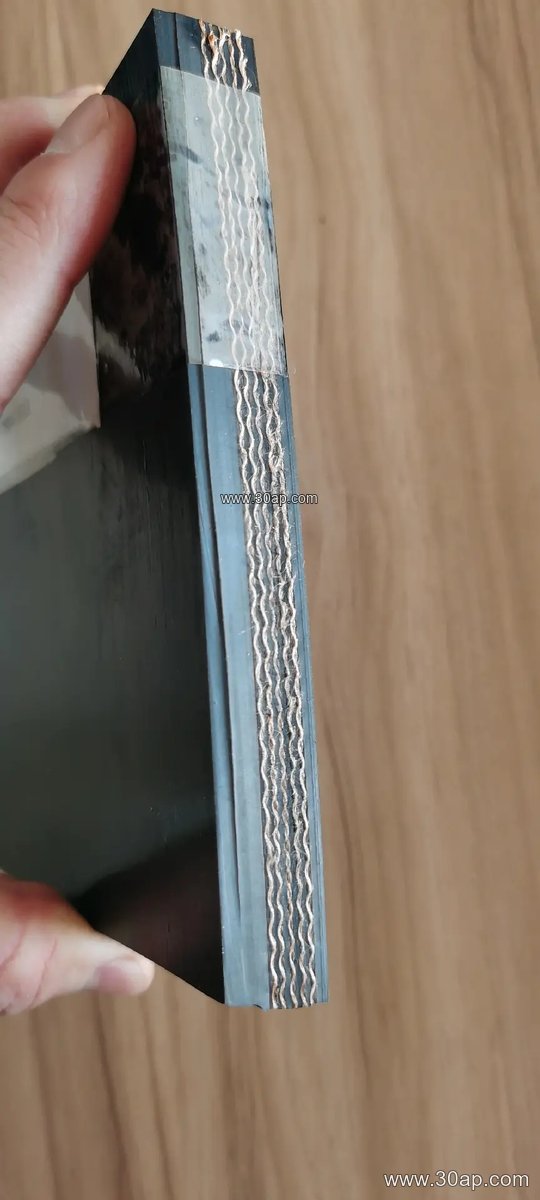
How the Belt Is Built
The carcass carries the tensile load, and the cover compounds protect the carcass from abrasion, impact, and heat. Common carcass options for flame retardant belts include fabric core constructions such as EP conveyor belt and NN conveyor belt, and steel cord conveyor belt for long, high-tension runs. The rubber covers are formulated to resist flame propagation, and antistatic behavior is often requested in the same specification because static discharge can be an ignition source in dusty environments.
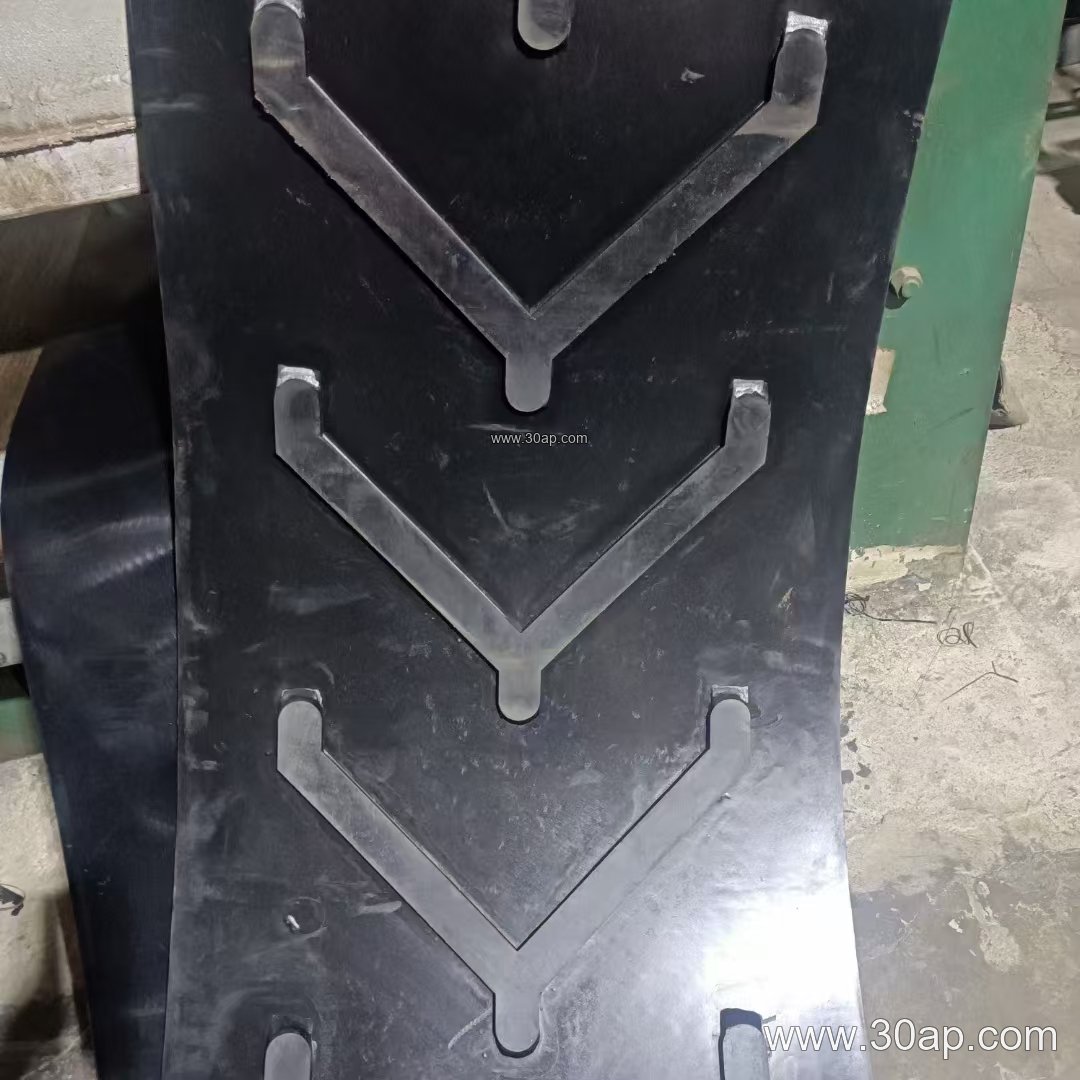
Construction details vary by manufacturer and by the duty the belt will see. A heavy-duty mining conveyor belt may use thicker covers and more fabric plies, while a lighter aggregate conveyor belt may use a thinner profile. The table below shows typical reference values, not fixed supply promises.
Reference Construction and Size Data
| Item | Common Reference Values |
|---|---|
| Carcass type | EP fabric, NN fabric, steel cord |
| Fabric plies | 2 to 6 plies, depending on design |
| Cover thickness | 3+1.5 mm, 4+2 mm, 5+2 mm, 6+2 mm, 8+3 mm |
| Belt width | B500, B650, B800, B1000, B1200, B1400, B1600, B1800, B2000 |
| Strength grades | EP200, EP400, EP630, EP800, EP1000, EP1250, ST1000, ST1600 |
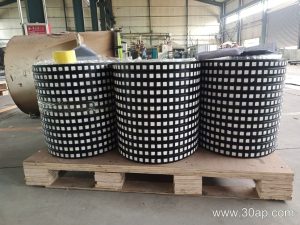
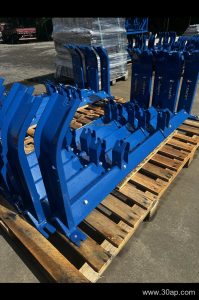
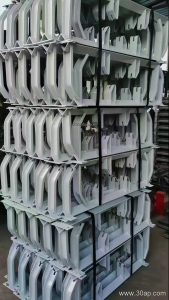
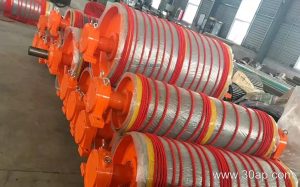
Width and strength are selected together with the conveyor pulley, idler roller, and conveyor bracket layout. A wider belt does not automatically dictate one pulley diameter, and shaft dimensions should come from the conveyor design, not from the belt width alone.
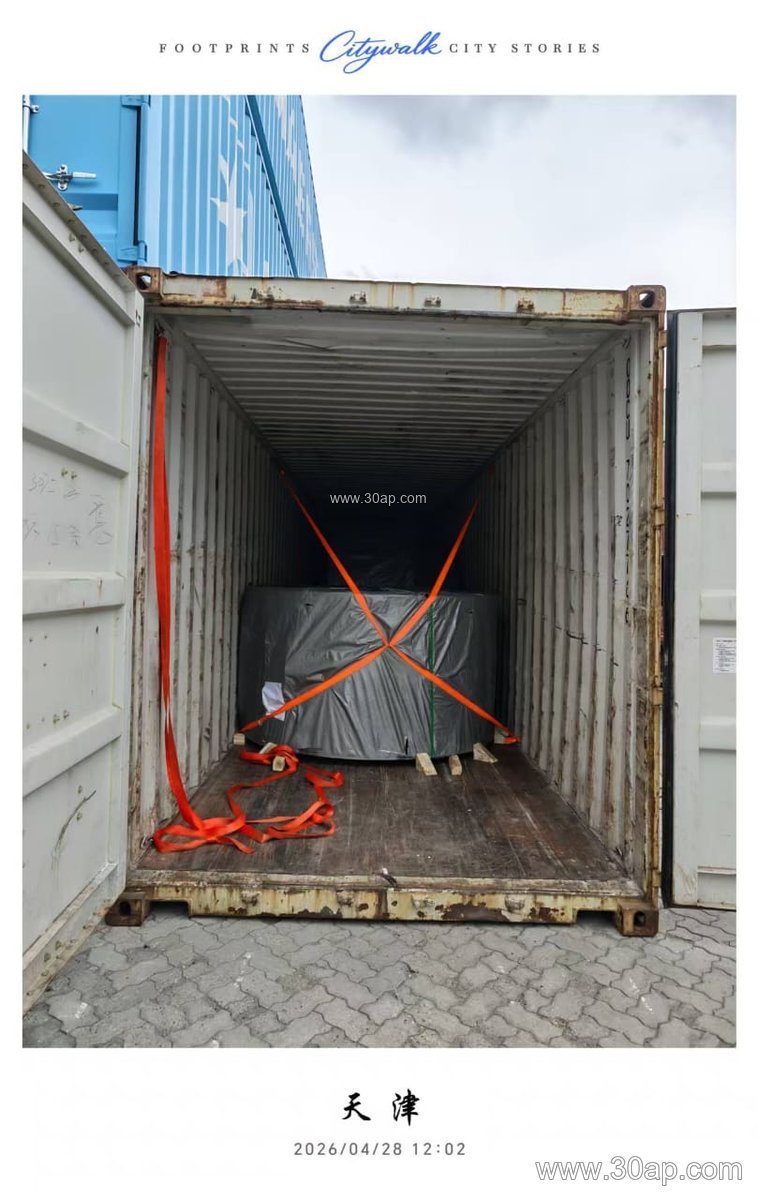
Where It Is Used
- Coal mining and underground coal mining: transport of raw coal where ignition risk is a primary concern.
- Power plants: coal feed lines and ash handling systems.
- Cement plants and quarries: clinker, limestone, and aggregate transfer points where dust and heat are present.
- Ports and ship loading: bulk material conveyor lines handling coal, ore, and fertilizer.
- Steel plants and foundries: coke and ore conveying near hot processes.
In these settings the belt often works alongside a heat resistant conveyor belt on the same site, but the two are specified for different risks. A flame retardant belt addresses ignition and flame spread, while a heat resistant belt addresses elevated material temperature. Where both risks exist, the buyer should state both requirements clearly rather than assuming one belt covers the other.
What Buyers Should Check
Start with the material being carried and the environment around the conveyor. Coal, dust, and confined spaces call for a flame retardant grade with antistatic properties. Long overland runs may favor a steel cord conveyor belt for higher tension, while shorter transfer belts may use a multi-ply fabric core conveyor belt. Confirm the required cover thickness against abrasive or impact loads, and match the belt width to the existing conveyor structure.
Ask for the actual test data behind any flame retardant claim, and check that the compound, carcass, and cover thickness are stated on the quotation. For underground work, the flame retardant conveyor belt is usually part of a wider safety specification that also covers the idler roller, conveyor pulley, and electrical equipment. Maintenance matters too: damaged covers, exposed carcass, and worn splices reduce both belt life and fire performance, so inspection intervals should be part of the operating plan. Buyers comparing a flame retardant belt with a standard abrasion resistant conveyor belt should remember that the flame retardant version is chosen for fire risk, not only for wear life.