What a Conveyor Bracket Is and Why Its Price Varies
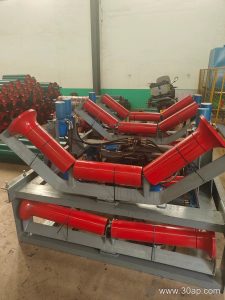
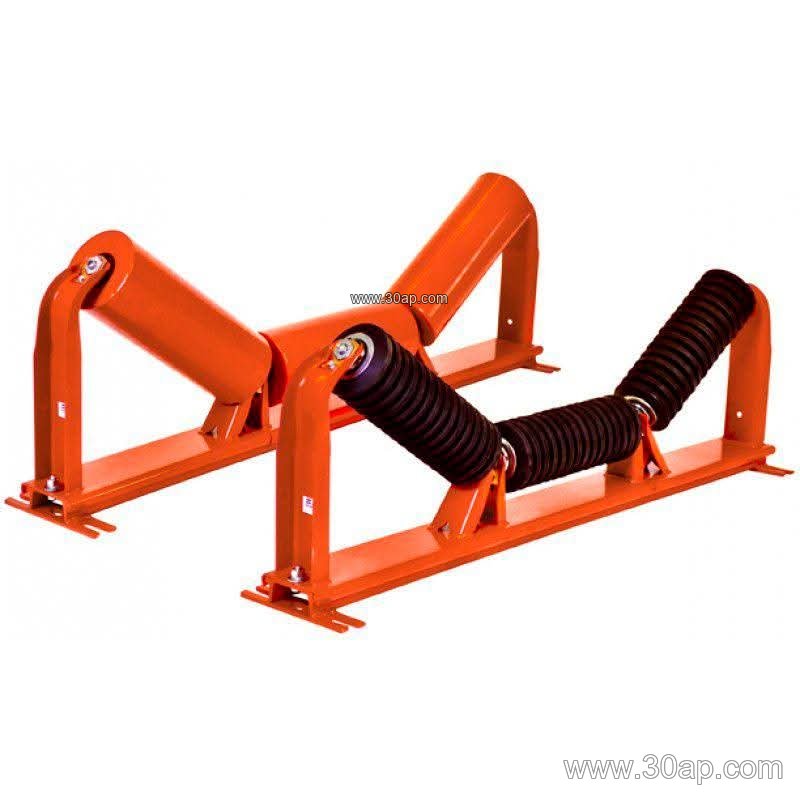
A conveyor bracket is the steel support that holds the idlers in place and sets the trough shape of the belt. In a quarry, a coal washing plant, or a cement kiln line, the same basic part can be a light formed-steel piece or a heavy welded frame, and that difference is the first thing a buyer notices when comparing conveyor bracket price. The bracket is not a glamorous component, but it decides how well the conveyor belt tracks, how long the idler roller lasts, and how quickly a maintenance team can replace a worn roller.
Prices move with steel cost, plate thickness, bending and welding work, hole punching accuracy, and surface treatment. A simple fixed bracket made from angle steel sits at the low end; an adjustable or self-aligning frame with machined slots sits higher. Buyers should compare on the same drawing, not on a generic photo.
How the Bracket Is Built
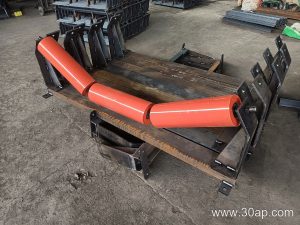
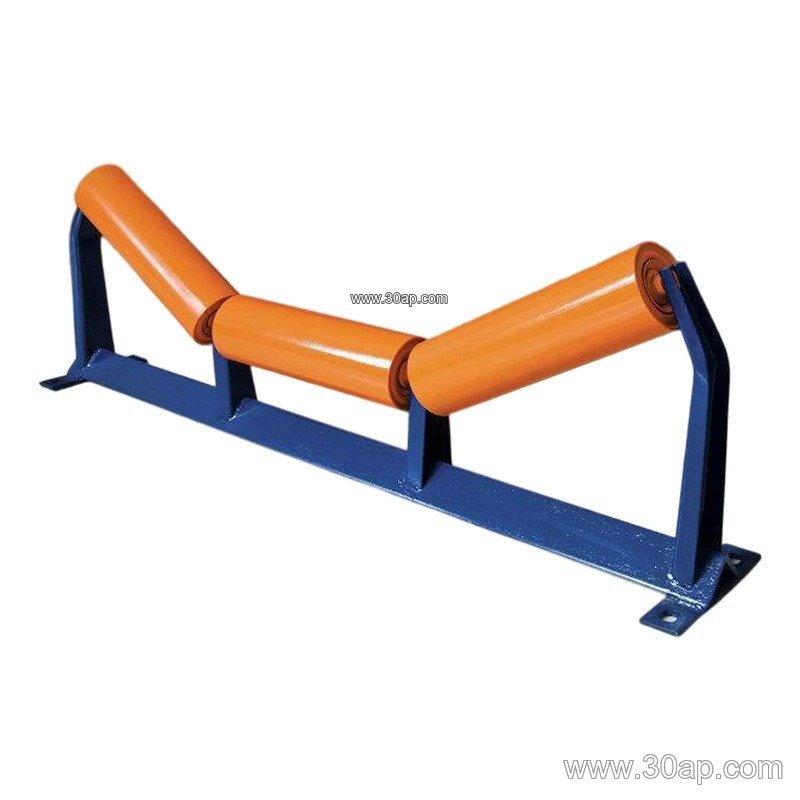
Most brackets are fabricated from angle steel, channel steel, or folded steel plate. A typical troughing bracket carries three idlers at a set trough angle, while a return bracket holds a single flat or V-shaped roller under the belt. The main build points that affect cost are:
- Steel grade and thickness of the main beam
- Number and quality of welds at the joints
- Slot and hole accuracy for the idler shaft
- Galvanizing, painting, or powder coating
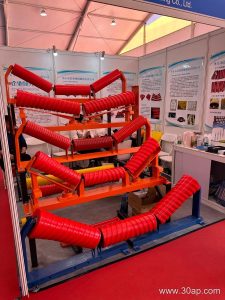
An adjustable bracket lets the maintenance crew change the trough angle within a range, usually between common settings such as 20, 30, 35, and 45 degrees. That flexibility adds cost, but it can reduce spare-part inventory across a plant.
Common Sizes and Reference Data
The table below shows typical reference combinations. These are examples, not fixed rules, and final dimensions follow the conveyor design and the drawing confirmed with the supplier.
| Belt width | Trough angle | Idler diameter | Typical use |
|---|---|---|---|
| B500 / B650 | 20 or 30 degrees | Ø89 | Small aggregate or sand lines |
| B800 | 35 degrees | Ø108 | Crusher discharge, cement additives |
| B1000 / B1200 | 35 or 45 degrees | Ø133 | Coal handling, power plant fuel lines |
| B1400 / B1600 | 35 or 45 degrees | Ø159 | Iron ore, port bulk terminals |
| B1800 / B2000 | 35 or 45 degrees | Ø194 | Heavy-duty primary crushing circuits |
Hole spacing and crossbeam length change with belt width and trough angle, so they should never be treated as a single fixed number. A bracket that fits a B800 frame will not fit a B1200 frame without a new design.
Where the Part Is Used
You will find these frames wherever a belt carries bulk material. In a limestone mine, a set of troughing brackets keeps an abrasion resistant conveyor belt aligned on the load side. In a coal preparation plant, flame retardant conveyor belt runs over brackets that must resist dust and occasional wash-down. A port terminal handling iron ore may use heavy-duty brackets with thick channel beams, while a small sand and gravel line can work with lighter formed plate. The same part also supports idlers under a pipe conveyor belt or a corrugated sidewall belt in a confined transfer tower.
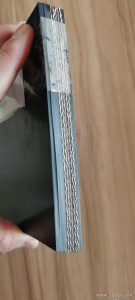
Matching the bracket to the belt type matters. A steel cord conveyor belt is stiff and heavy, so the frame and rollers must carry more load than a light fabric core belt of the same width.
What Drives the Price Up or Down
Several factors explain most of the spread in quotes:
- Material and weight. Thicker channel or folded plate raises the price quickly.
- Type. Fixed troughing frames are cheaper than adjustable, self-aligning, or impact brackets.
- Finish. Hot-dip galvanizing costs more than shop paint but suits wet or coastal sites.
- Order volume and drawing work. Custom hole patterns and small batches add engineering time.
- Freight. Brackets are bulky, so shipping distance can be a large share of the landed cost.
A buyer should ask for the steel thickness, the finish, and the hole tolerance in writing. Cheap brackets with thin plate often deform under a fully loaded belt and then damage the idler roller and the belt edge.
Buying Advice
Start from the conveyor drawing: belt width, trough angle, idler diameter, and the load per station. Then request quotes on that basis. Ask whether the supplier can supply matching idlers and pulleys at the same time, since a bracket ordered without its rollers may not fit the shaft size on site. For plants running several belt widths, an adjustable frame can simplify spares, but it should not replace a properly sized fixed bracket where the duty is heavy and constant.
Finally, keep a small stock of the most common frames. A worn or bent bracket is a quick fix, and holding two or three spare sets is usually cheaper than a stopped production line.