What a V-Type Return Idler Does
A V-Type Return Idler is a two-roll return idler arrangement in which the rolls are set at an angle to form a shallow V shape under the carrying side of the belt. On the return run, the conveyor belt has already discharged its load, so the main jobs are simple but important: support the belt, keep it tracking near the centre line, and encourage loose material to fall away instead of building up on the roller surface.
Because the two rolls sit in a V, the belt rests in a slight trough even on the return side. This reduces flat spots and helps the belt run straighter, especially on long spans where a flat return idler may allow the belt edges to wander. The same geometry lets fine dust and small spillage slide toward the centre gap rather than being pressed into the belt cover.
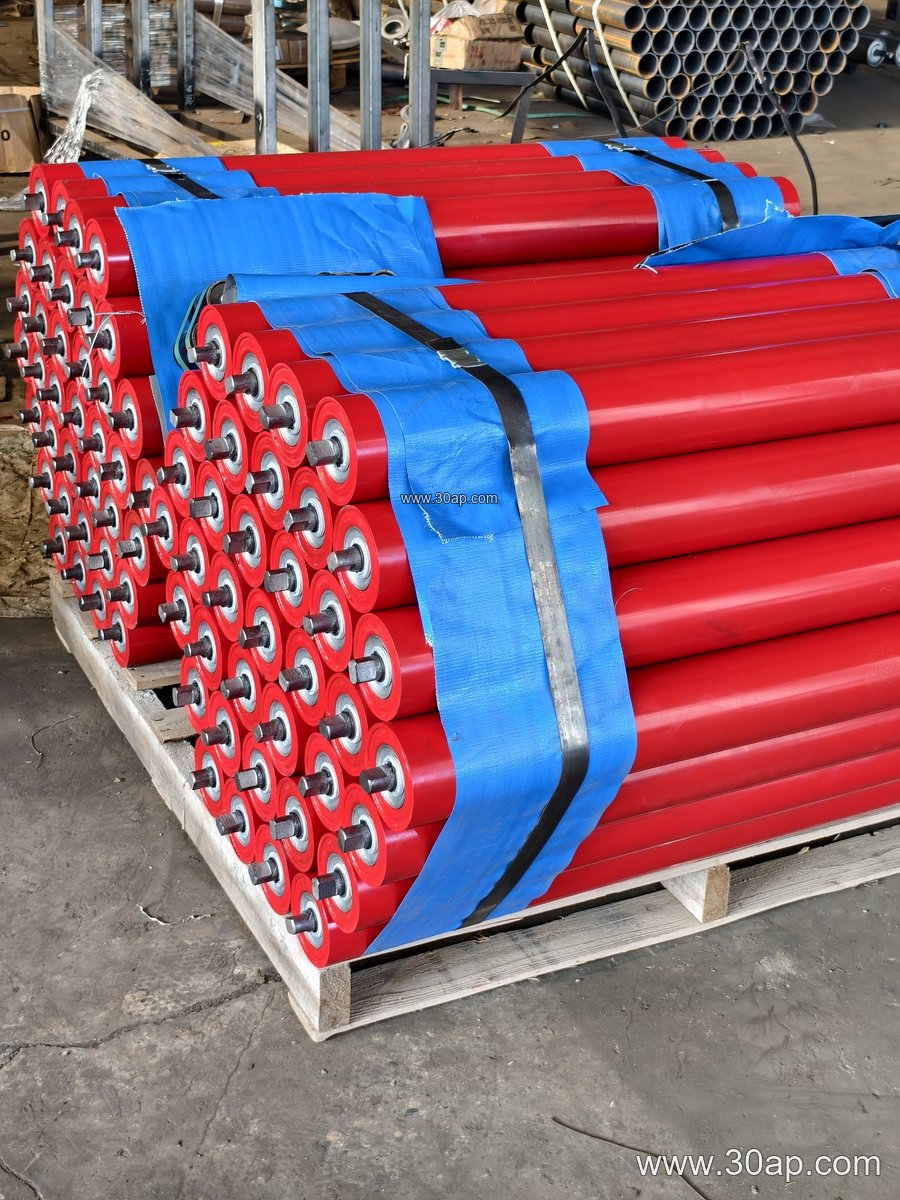
How the Idler Is Built
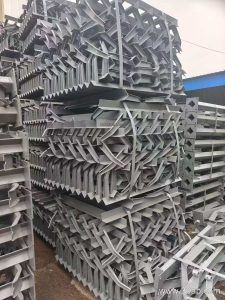
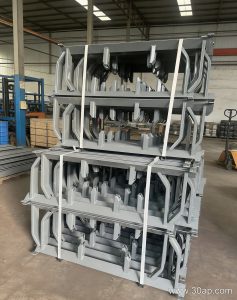
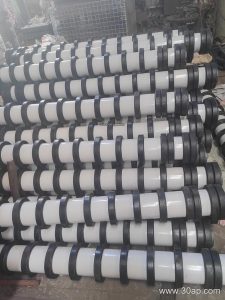
The frame is usually a steel bracket with two inclined arms, and each arm carries a separate idler roller. The rolls commonly use steel tube shells fitted with sealed bearings, and the shaft ends sit in the frame notches. Depending on the duty, the shell may be plain steel, nylon-coated, or fitted with rubber discs for extra grip and impact tolerance.
Sealing matters as much as tube thickness. In dusty plants, a good labyrinth seal keeps grit away from the bearing, while the bearing size is chosen to match the load and roll diameter rather than the belt width alone. Typical bearing references include 6204, 6205, 6305, 6306, 6308 and 6310, but any of these may appear across a range of roller diameters.
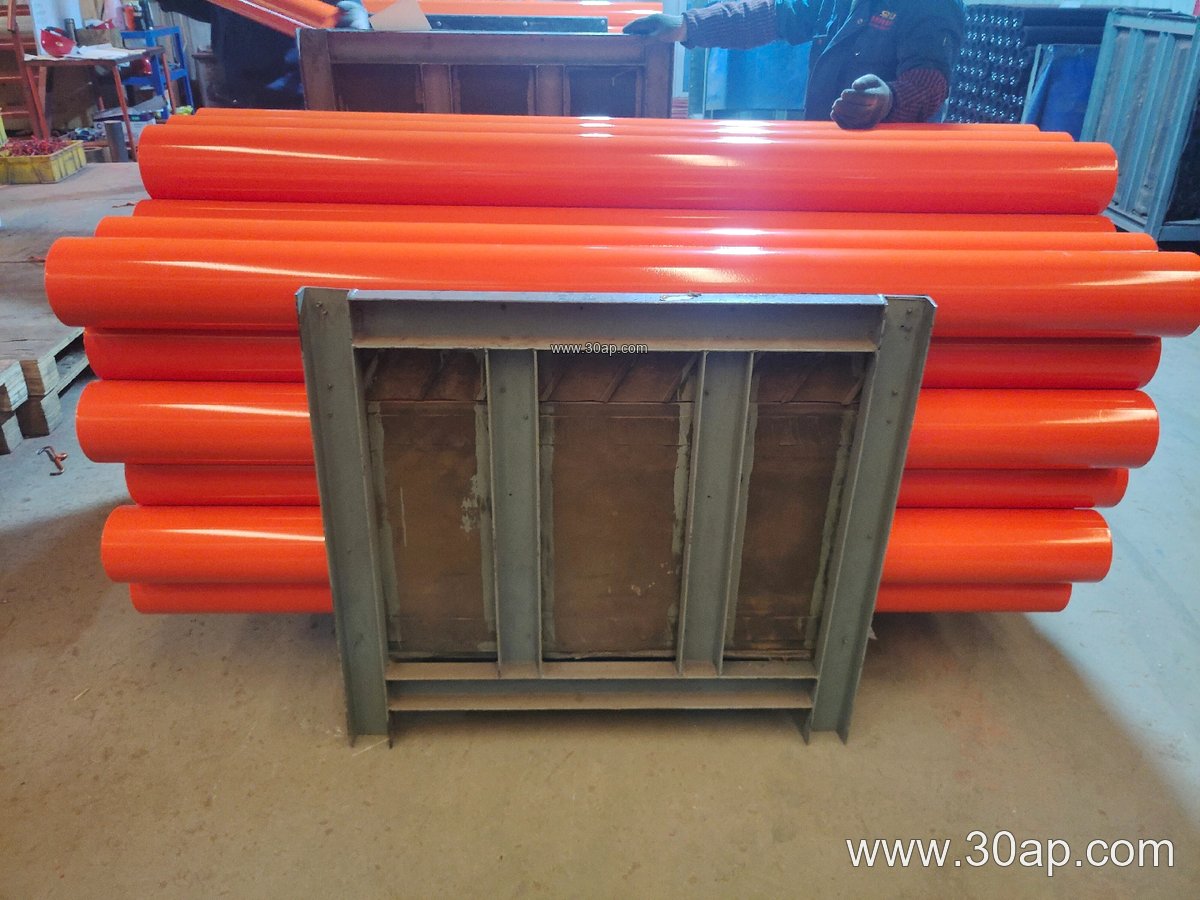
Where It Fits on the Conveyor
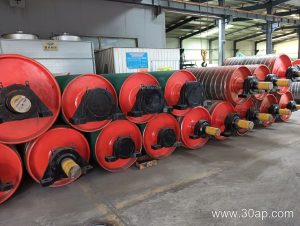
The V-Type Return Idler belongs on the return strand, between the head and tail areas, and is often spaced at regular intervals along the carry-back path. It is not a substitute for a drive pulley, tail pulley or bend pulley; those components transmit power and change belt direction, while the return idler only supports and guides.
Typical locations include:
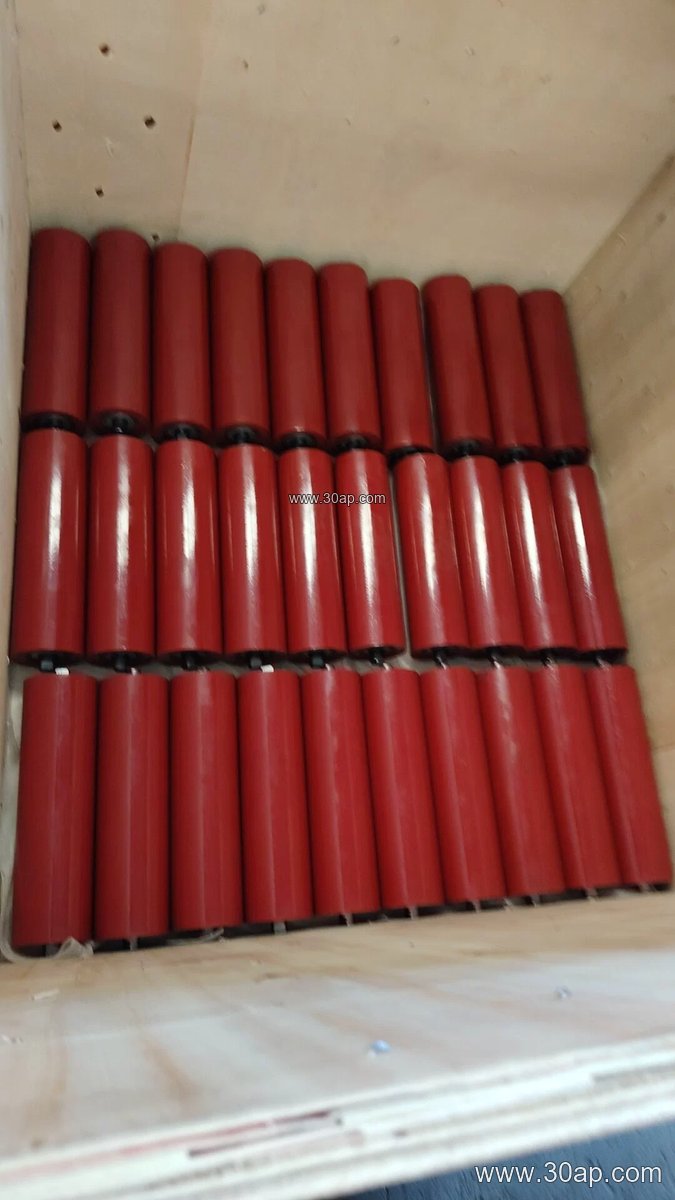
- Coal handling lines at a power plant, where dust control and belt centring both matter.
- Crushing and screening circuits in a quarry or aggregate plant, where spillage around transfer points is common.
- Cement plant clinker and raw material conveyors, where abrasive fines can collect under the belt.
In these settings, a V-type return roller works alongside the conveyor belt, conveyor pulley, conveyor bracket and other idler roller positions to keep the whole line stable.
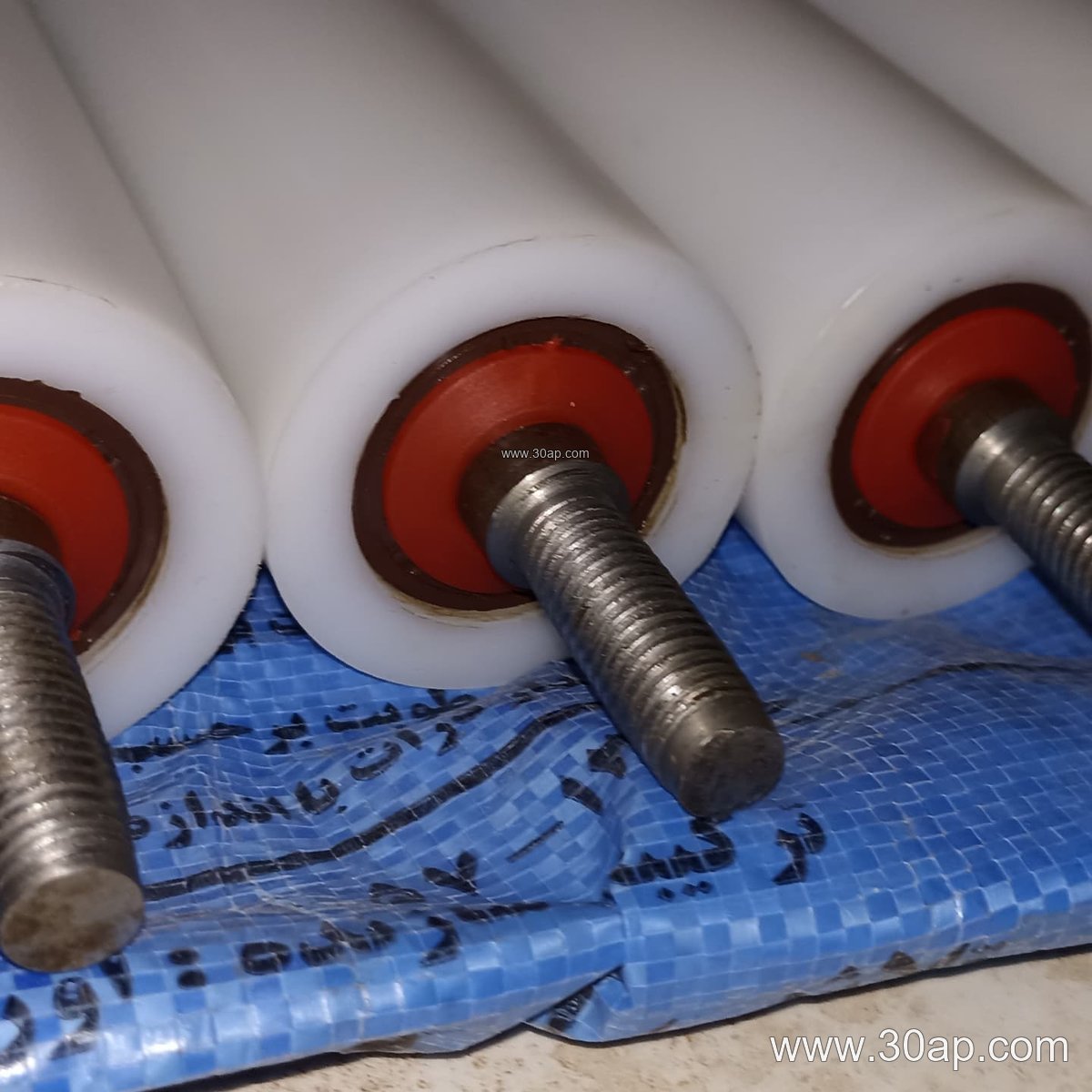
Choosing the Right Size and Arrangement
Selection starts with belt width and the return idler frame design. Roll diameter is chosen from the load and belt speed, and the roll length follows the belt width and frame geometry rather than a single fixed rule. Common roll diameters include 63, 76, 89, 102, 108, 127, 133, 159, 178, 194 and 219 mm, while belt widths commonly run from B400 up to B2400 depending on the conveyor design.
| Parameter | Common reference | Note |
|---|---|---|
| Roll diameter | 63 to 219 mm | Selected by load and design |
| Belt width | B400 to B2400 | Roll length varies with frame |
| Bearing | 6204 to 6310 | Not tied to one roll size |
| Roll surface | Steel, nylon, rubber disc | Depends on dust and impact |
Buyers should confirm the frame angle, mounting hole spacing and shaft end type before ordering. A V-type return idler from one supplier may not drop into another supplier’s bracket, even when the belt width matches. It also helps to state the belt type, for example an EP Conveyor Belt or a Steel Cord Conveyor Belt, because belt stiffness affects how well the V shape holds the belt in place.
Maintenance and Buyer Checks
Inspect the return idlers during routine walk-arounds. A roll that stops turning, runs hot, or shows a worn shell should be replaced before it damages the belt cover. Check that the V frame is square to the belt and that material is not packed between the rolls, since build-up can lift the belt and cause misalignment.
When specifying, ask for the roll diameter, shell thickness, bearing reference, seal type and surface form in writing. For abrasive service such as an Abrasion Resistant Conveyor Belt line, a thicker shell and better seal usually pay off. For hot material, confirm the temperature limit of the bearing grease and the roll finish. The V-Type Return Idler is a small component, but the right specification keeps the return strand clean and the belt tracking true.