What an Adjustable Conveyor Bracket Does
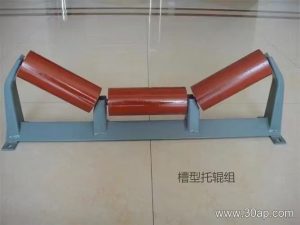
An adjustable conveyor bracket is the support component that holds the carrying idlers of a belt conveyor at a chosen trough angle and lets maintenance teams change that angle later. Instead of welding the idler mounts in a fixed position, the bracket uses slotted or pivoting mounting points, so the same frame can serve a 20 degree, 30 degree, 35 degree or 45 degree trough profile. That flexibility matters in a quarry, a cement plant or a power plant coal yard where belt loading conditions change as the material mix changes.
It is a structural part, not a rotating part. The idler roller does the turning, the conveyor belt does the carrying, and the bracket simply keeps the rolls in the right geometry at the right spacing.
How the Bracket Is Built
Most units are fabricated from angle steel, channel steel or bent steel plate. The two side arms are joined by a cross beam whose length follows the belt width, and the mounting holes are positioned so the idler shaft sits at the intended trough angle. Adjustment is usually achieved through slotted holes, a hinged pivot, or a set of index positions that lock with bolts.
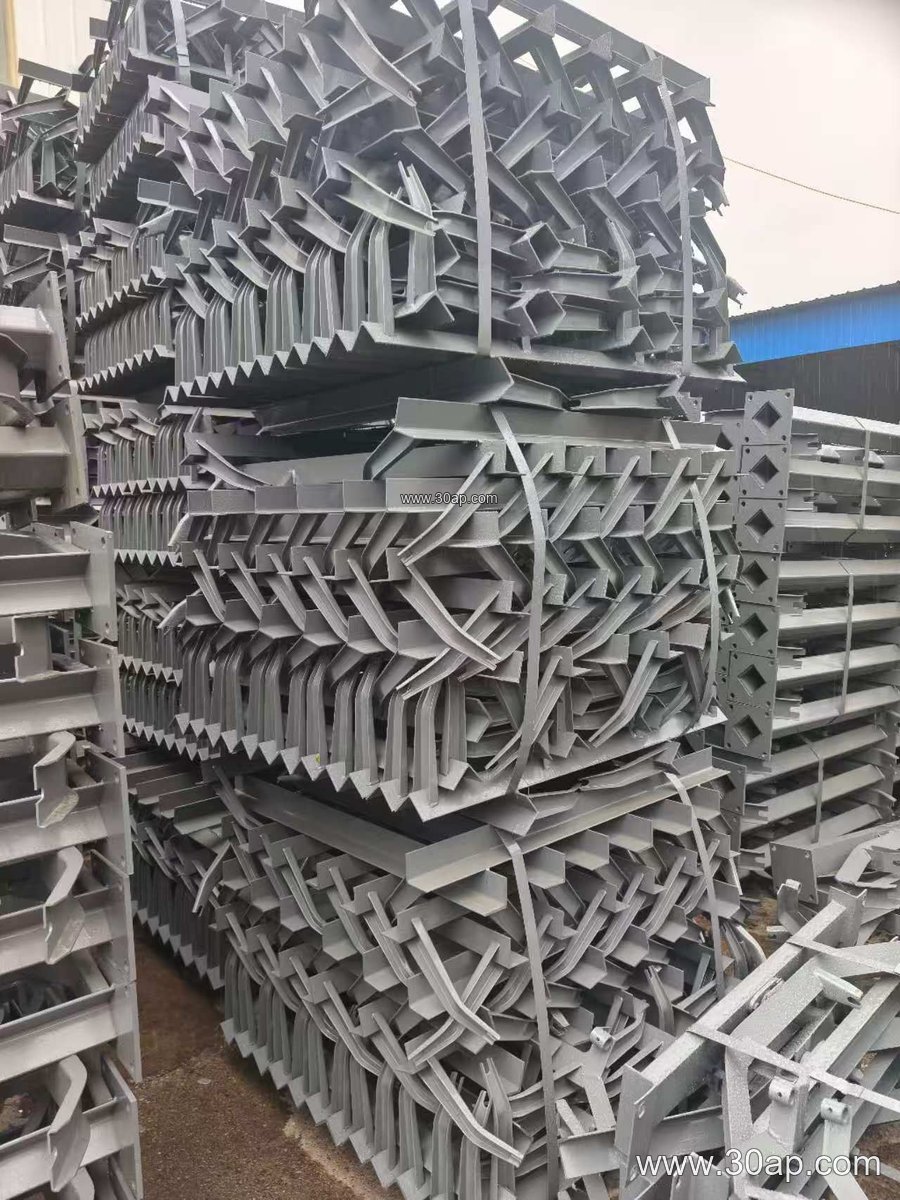
Typical build details include:
- Frame material: angle steel, channel steel or folded plate
- Adjustment range: commonly 20 to 45 degrees, set by slot or pivot position
- Mounting: bolt-on design for easy replacement on existing stringers
- Finish: painted or galvanized, depending on the environment
Because hole spacing and cross beam length change with belt width and trough angle, a bracket for B800 is not the same part as one for B1400. Buyers should confirm the actual stringer spacing rather than assume a standard figure.
Where It Fits on the Conveyor
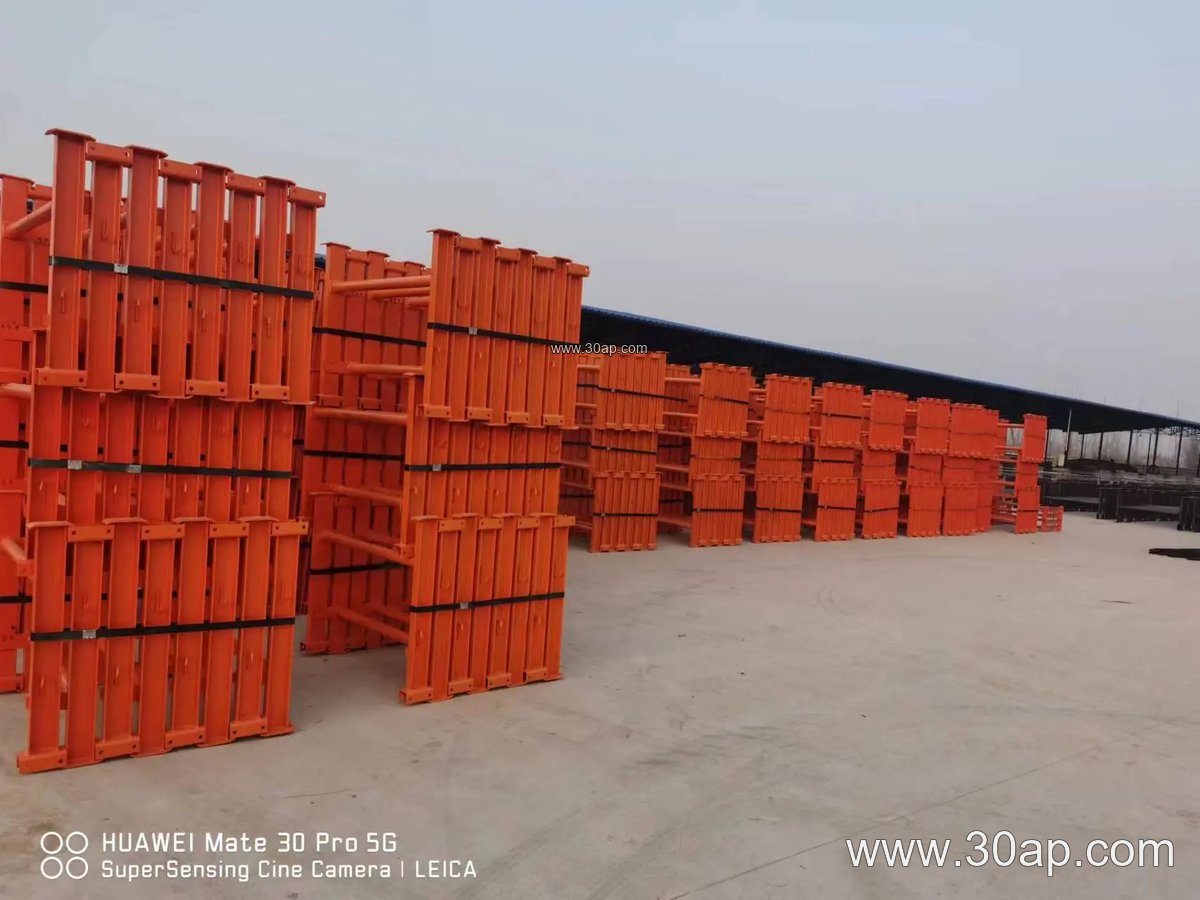
The adjustable bracket is normally used on the carrying side, in the same location as a conventional troughing idler support. It may also appear at transition zones where the belt changes from flat to troughed, because the angle can be tuned gradually. In a coal mining conveyor or an iron ore transfer line, this helps reduce edge stress on a thick, heavy-duty belt.
It should not be confused with a bend pulley bracket or a drive pulley base. Those are different components with different loads and alignment requirements. A return bracket or V-type return bracket serves the lower strand, while the adjustable carrying bracket supports the loaded strand.
Choosing the Right Configuration
Selection starts with belt width, then idler diameter, then the trough angle the material needs. A common combination might be B800 with 35 degrees and a Ø108 idler, or B1200 with 45 degrees and a Ø133 roll. These are examples, not fixed pairings; the same belt width can work with more than one angle and more than one roll diameter depending on load and belt stiffness.
| Parameter | Common Range | Note |
|---|---|---|
| Belt width | B500 to B2200 | Cross beam length follows width |
| Trough angle | 20, 30, 35, 45 degrees | Adjustable within the bracket range |
| Idler diameter | Ø89 to Ø194 | Chosen by load and belt speed |
| Material | Angle or channel steel | Folded plate also used |
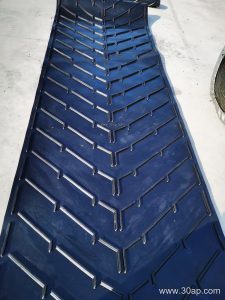
When the conveyor carries a chevron conveyor belt or a corrugated sidewall belt, check that the raised profiles clear the bracket and idlers. For abrasive duty such as ore or aggregate, an abrasion resistant conveyor belt paired with a sturdy bracket reduces wear on the support structure. In dusty coal service, a flame retardant conveyor belt is often specified, and the bracket should be easy to clean so fines do not pack around the adjustment slots.
Installation and Maintenance Notes
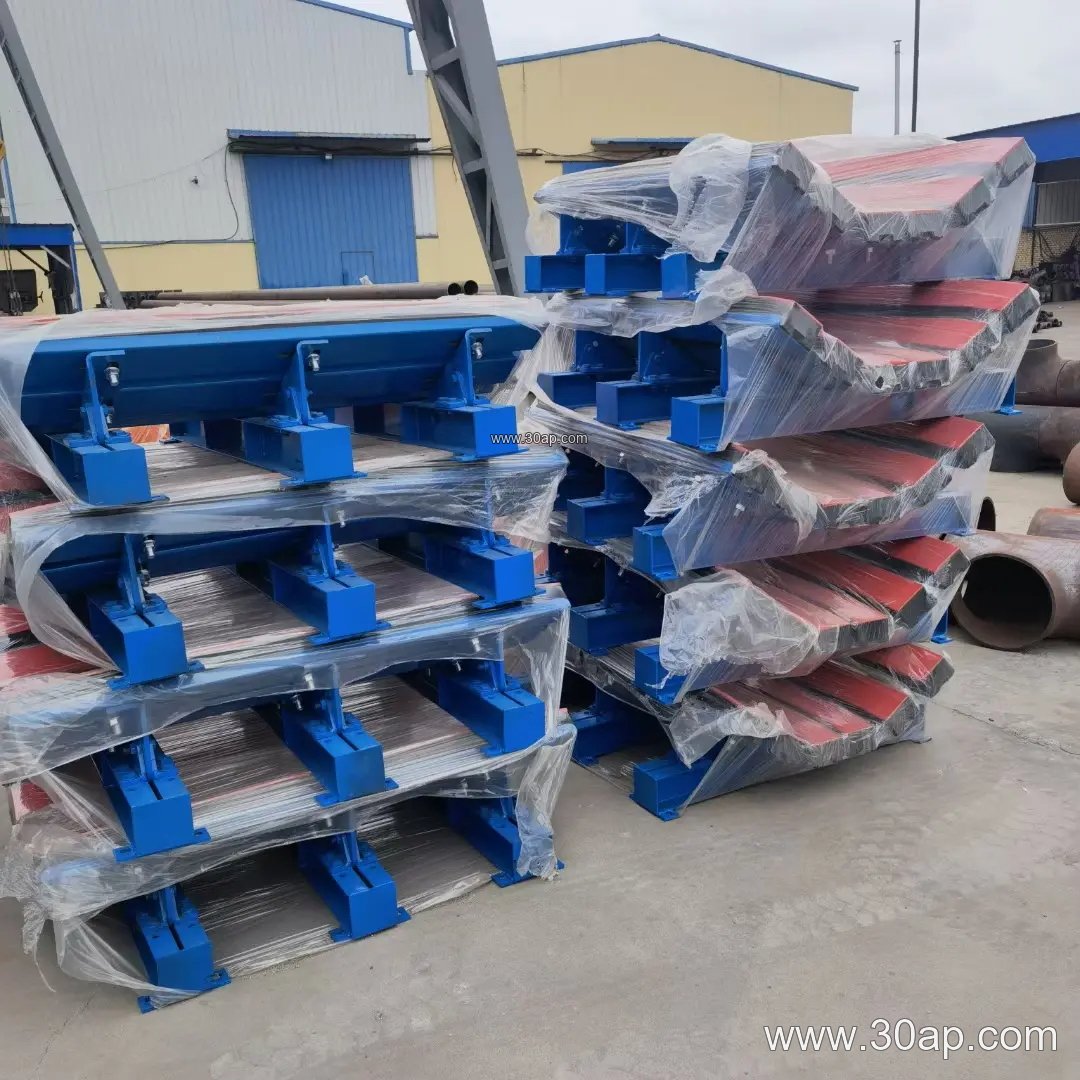
Set both sides of the bracket to the same angle before tightening. A mismatch of even a few degrees will make the belt run to one side and load the idler bearings unevenly. After the first week of operation, recheck bolt torque, because vibration on a crusher conveyor or a screening line can loosen slotted connections.
Inspect the slots for elongation and the welds for cracks during routine shutdowns. Replacing a worn bracket is simpler than repairing a distorted frame, and keeping a small spare set on hand avoids long stops in a sand making plant or a ship loading terminal.
For matching idlers, belts and support hardware, see the conveyor components range at adjustable conveyor bracket and the belt options at EP conveyor belt.