What a Large Pulley Is
A large pulley is a heavy-duty conveyor pulley with a substantial drum diameter and face width, built to handle high belt tensions and abrasive bulk materials. In practice, the term often refers to the head pulley or drive pulley at the discharge end of a conveyor, where it transmits power to the belt and supports the main load. While the phrase can describe any pulley above a certain size, it is most commonly associated with the primary drive or head position in mining, quarrying, and bulk handling circuits.
Unlike a small bend pulley that simply changes belt direction, a large pulley must withstand continuous torque, radial loads, and the abrasive nature of materials such as ore, coal, clinker, or aggregate. Its design therefore emphasizes robust construction, reliable lagging, and precise balance.
Construction and Key Components
A typical large pulley consists of a cylindrical shell, end discs, a hub, and a shaft. The shell is usually made from rolled steel plate, machined to ensure concentricity. End discs are welded to the shell and hub, and the shaft is keyed or shrink-fitted to the hub. For high-torque applications, the connection may use a locking assembly.
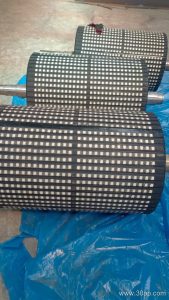
Lagging is a critical feature. Common surface forms include plain steel, hot-vulcanized rubber, cold-bonded rubber, diamond grooving, herringbone grooving, and ceramic lagging. Rubber lagging improves friction between the pulley and the conveyor belt, reducing slip, while grooved patterns help expel water and debris. Ceramic lagging offers high wear resistance in abrasive conditions. Lagging thickness is often selected from 8, 10, 12, 15, or 20 mm depending on duty.
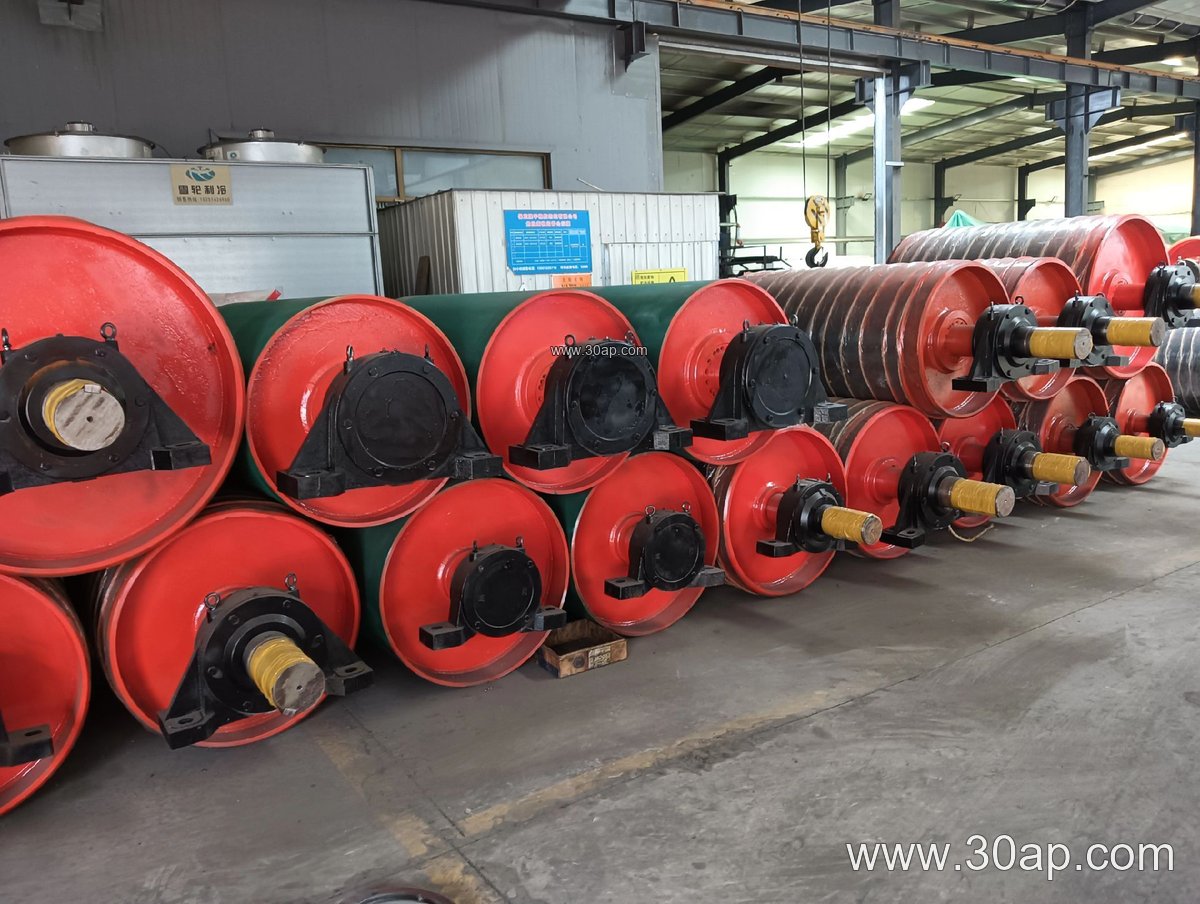
Bearings are typically spherical roller bearings housed in pillow blocks or flanged bearing housings. The pulley shaft diameter is determined by torque and load calculations, not by belt width alone. Common shaft diameters for large pulleys include Ø100, Ø120, Ø140, Ø160, Ø180, and Ø200 mm, though final sizing must follow the conveyor design.
How Size Is Expressed
Large pulleys are usually specified by drum diameter and face width, often written as B × Ø. For example, B1200 × Ø1000 indicates a pulley for a 1200 mm belt with a 1000 mm diameter. The face width is normally wider than the belt to allow for misalignment; a B1200 belt might use a pulley face of about 1400 mm. The following table lists common reference combinations, but these are not fixed pairings.
| Belt Width (B) | Typical Pulley Face Width | Common Diameter Range |
|---|---|---|
| B800 | ≈950 mm | Ø500 – Ø800 |
| B1000 | ≈1150 mm | Ø630 – Ø1000 |
| B1200 | ≈1400 mm | Ø800 – Ø1250 |
| B1400 | ≈1600 mm | Ø1000 – Ø1400 |
| B1600 | ≈1800 mm | Ø1250 – Ø1600 |
Note that a given belt width can accommodate several pulley diameters depending on the required wrap angle, belt tension, and space. Larger diameters reduce belt bending stress and improve traction but increase cost and space requirements.
Where Large Pulleys Are Used
Large pulleys appear in tough duty locations. In a copper mine, the head pulley at the primary crusher discharge must handle coarse ore and high tension. In a coal washing plant, the drive pulley on the main incline conveyor deals with wet, abrasive coal and requires flame retardant conveyor belt compatibility. Power plant coal handling systems use large pulleys on the main feed conveyors, often paired with EP conveyor belt or steel cord conveyor belt constructions. Aggregate operations in a quarry rely on large head pulleys to drive long overland conveyors carrying crushed stone.
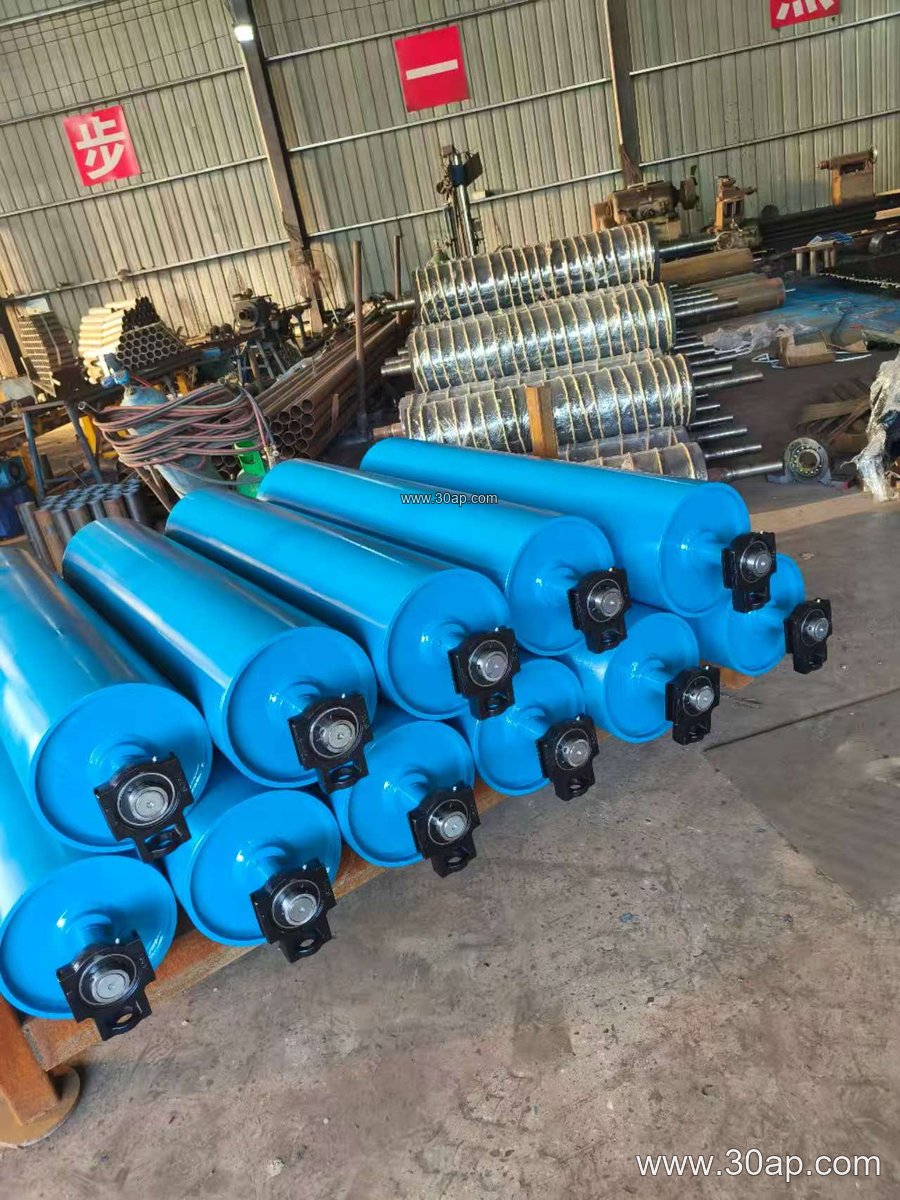
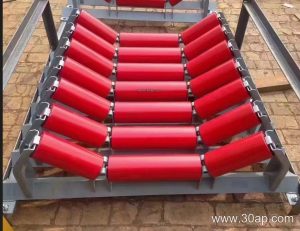
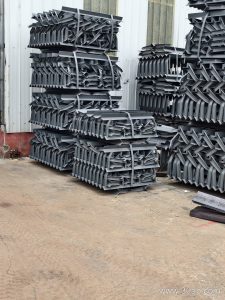
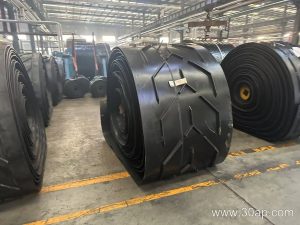
The pulley works together with the conveyor belt, idler roller, and conveyor bracket to form a complete system. A mis-sized or poorly lagged pulley can cause belt slippage, premature wear, or tracking problems.
Selection and Maintenance Notes
Buyers should consider the following when specifying a large pulley:
- Duty and load: Calculate the required torque and radial load based on belt tension, material weight, and conveyor length. Shaft diameter follows from these loads.
- Lagging choice: Match the surface to the environment. Diamond lagging for wet conditions, ceramic for high abrasion, plain rubber for general use.
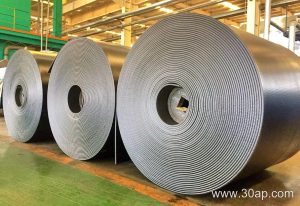
- Belt compatibility: Ensure the pulley diameter meets the minimum bend radius of the selected conveyor belt, especially for steel cord or thick fabric constructions.
- Balance and runout: Large pulleys should be dynamically balanced to avoid vibration at speed.
- Maintenance access: Design bearing housings and lagging for easy inspection and replacement.
Regular inspection of lagging wear, bearing condition, and shaft alignment helps prevent unplanned downtime. In dusty or corrosive plants, seal protection is important. When replacing a pulley, verify the interface dimensions with the conveyor bracket and shaft coupling.
For more information on related components such as conveyor belt, idler roller, or conveyor pulley, consult your system designer. A properly selected large pulley is a long-term investment in conveyor reliability.