What a Conveyor Bracket Does
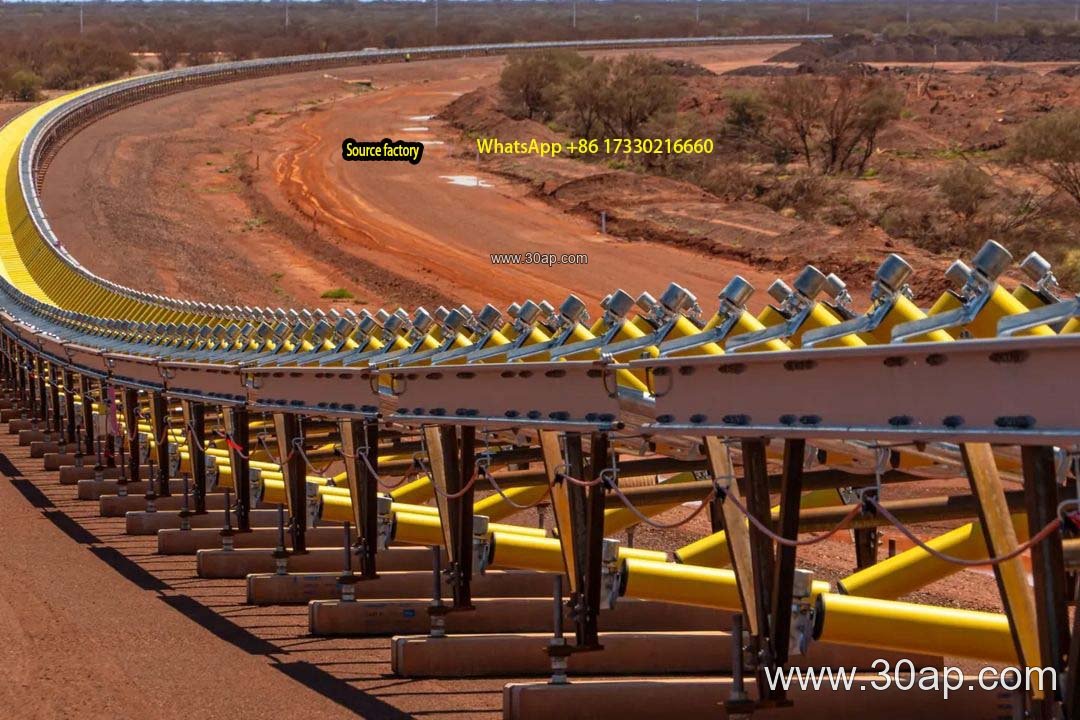
A conveyor bracket is the structural interface that holds idler rollers at the correct position and angle along a conveyor frame. It carries the weight of the belt and material, maintains proper belt tracking, and contributes to the overall stability of the conveyor line. Whether you are upgrading a coal mining conveyor belt system or building a new aggregate conveyor belt line, the bracket type, material, and mounting details must match the belt width, idler diameter, and trough angle.
Common Types and Where They Fit
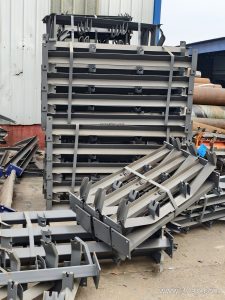
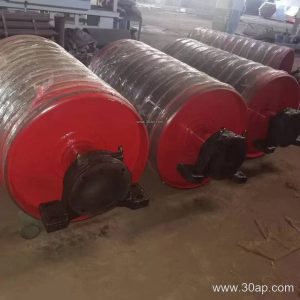
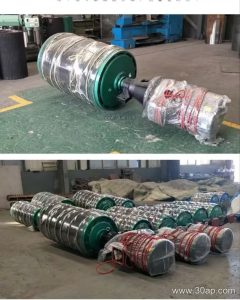
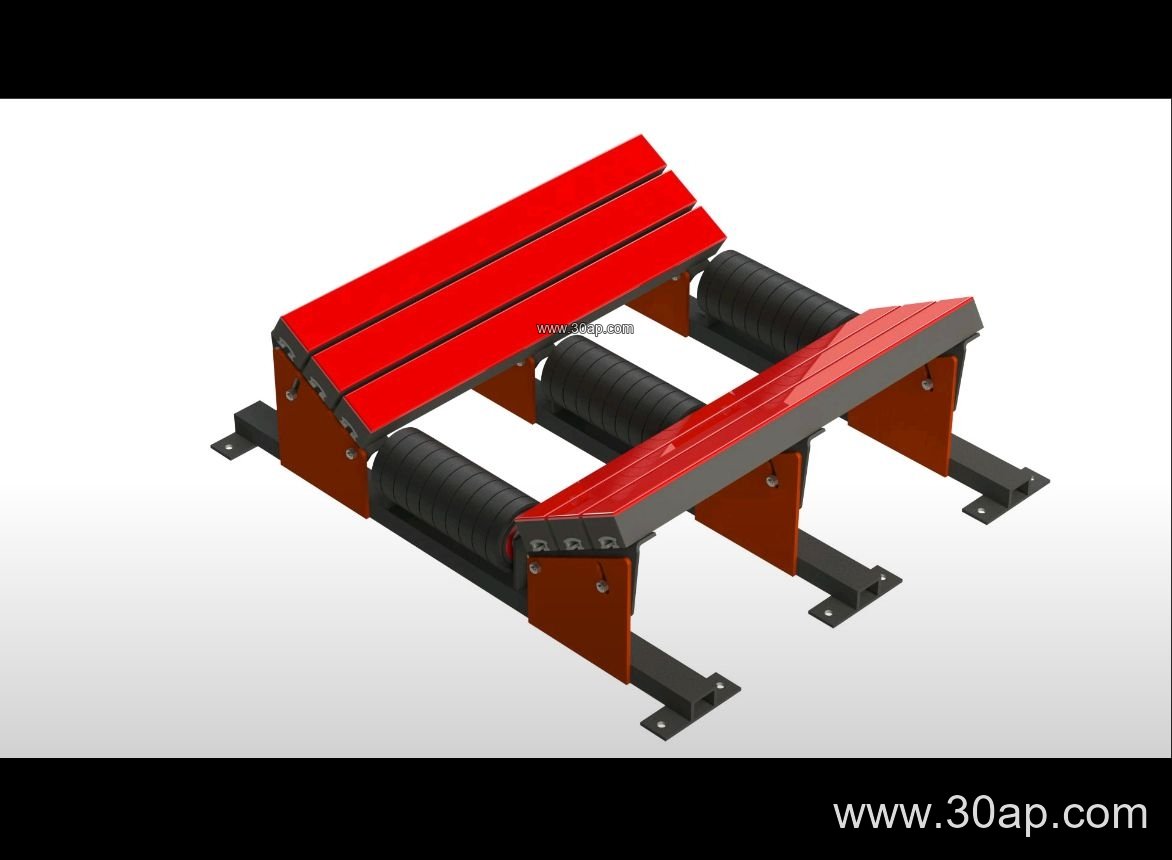
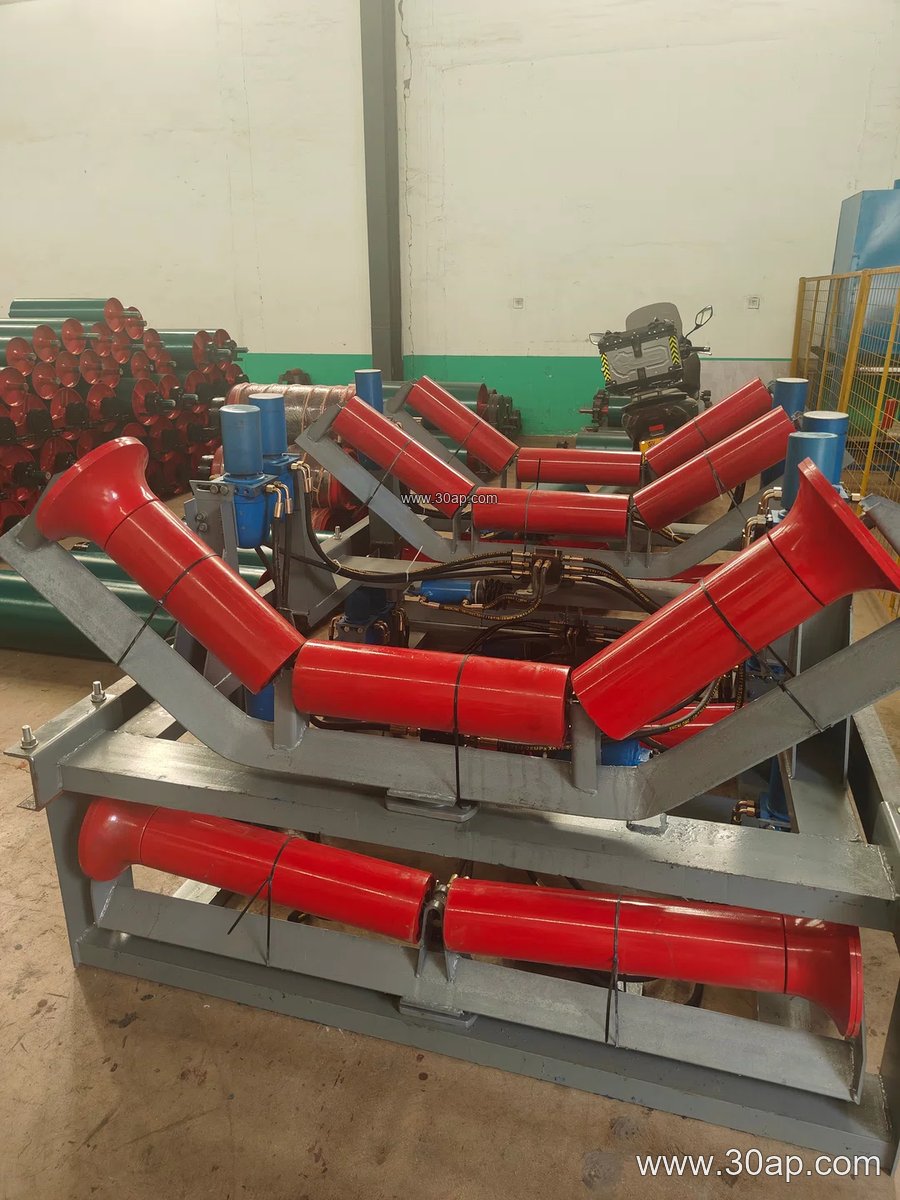
Conveyor brackets come in several configurations. Troughing brackets support the carrying side of the belt and set the trough angle, typically 20°, 30°, 35°, or 45°. Return brackets hold the belt on the return run, often in a flat or V-shaped arrangement. Impact brackets, used under loading points, are built heavier to absorb shock from falling material. Self-aligning brackets help correct belt misalignment. Adjustable brackets allow the trough angle to be changed on site, while fixed brackets are welded or bolted at a set angle. For a comparison, a bend pulley changes belt direction, but a bracket simply supports the idlers that carry the belt; the two are not interchangeable. Similarly, a drive pulley or tail pulley serves a different function than any bracket.
Construction and Materials
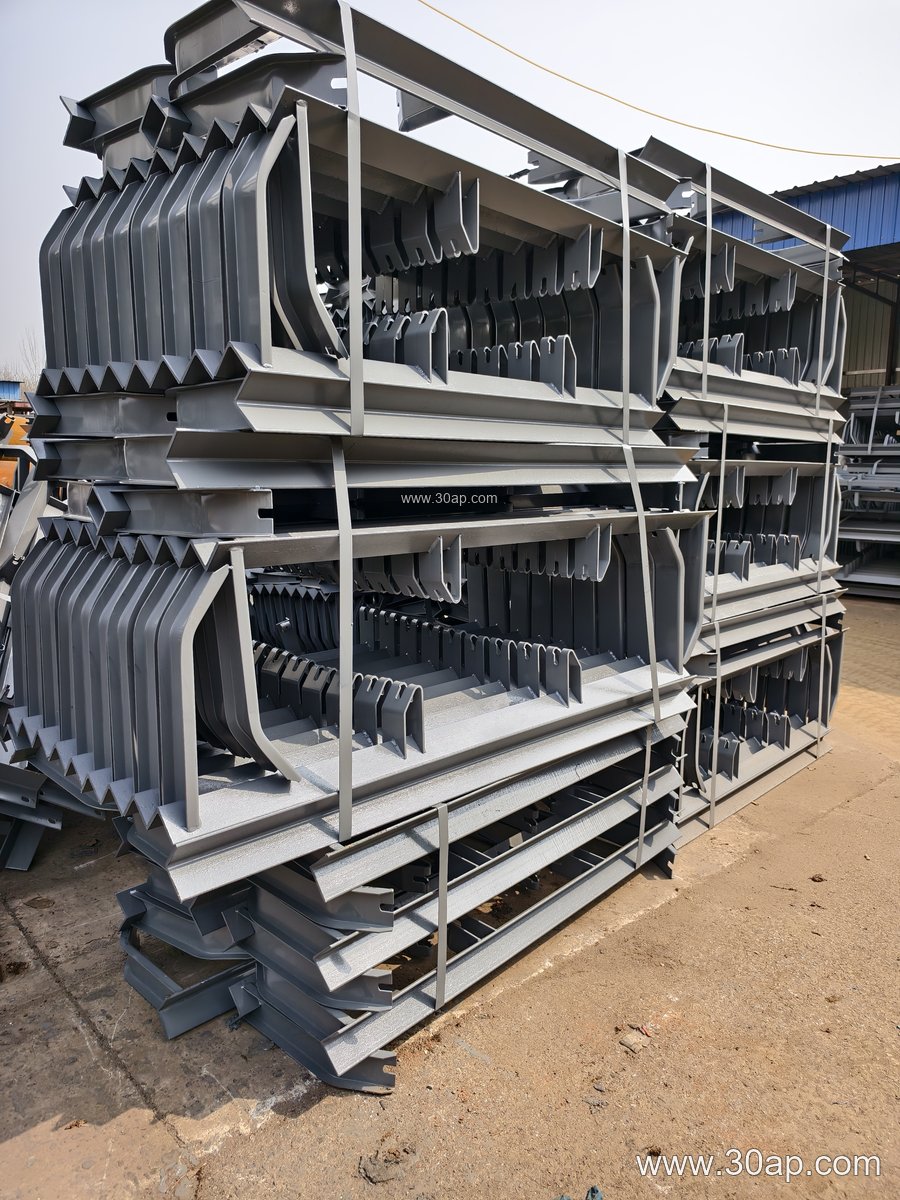
Most brackets are fabricated from angle steel, channel steel, or bent steel plate. The choice depends on load and environment. In a limestone quarry or iron ore plant, heavier channel steel may be needed to resist vibration and impact. In a cement plant or power plant coal handling system, galvanized or painted finishes help with corrosion resistance. The bracket must be rigid enough to keep idlers aligned; deflection under load can lead to belt edge wear and premature idler failure. Mounting holes and beam lengths are determined by belt width, trough angle, and idler diameter, so they are not universal.
Matching Belt Width, Idler Diameter, and Trough Angle
There is no single rule that ties one belt width to one idler diameter or one trough angle. A B800 conveyor might use Ø89 or Ø108 idlers with a 30° or 35° trough, while a B1200 system could use Ø133 idlers at 45°. The bracket design must accommodate the selected combination. Typical reference ranges are shown below; actual values should be confirmed with the conveyor design.
| Belt Width (B) | Common Trough Angle | Common Idler Diameter |
|---|---|---|
| B500 | 20°–30° | Ø89 |
| B650 | 30° | Ø89–Ø108 |
| B800 | 30°–35° | Ø108 |
| B1000 | 35° | Ø108–Ø133 |
| B1200 | 35°–45° | Ø133 |
| B1400 | 35°–45° | Ø133–Ø159 |
| B1600 | 45° | Ø159 |
| B1800 | 45° | Ø159–Ø194 |
| B2000–B2200 | 45° | Ø194 |
These are reference examples, not fixed pairings. The bracket’s mounting hole spacing and crossbeam length will vary with the final selection.
Installation and Maintenance Notes
Proper installation keeps the bracket square to the conveyor centerline. Misalignment can cause the belt to run off-center, especially on long overland or underground mining conveyor belt routes. Use shims to level brackets where the frame is not perfectly straight. Check bolt torque periodically, particularly in high-vibration areas such as crusher discharge or screen feed points. For adjustable brackets, lock the setting after confirming the desired trough angle. Inspect for corrosion or deformation during routine idler changes. Replacing a worn bracket before it loses shape helps protect the conveyor belt and idler roller investment.
Buyer Checklist
- Confirm belt width (e.g., B800, B1200, B1400) and required trough angle.
- Match idler diameter (Ø89, Ø108, Ø133, Ø159, Ø194) to the bracket’s saddle or mounting points.
- Specify fixed or adjustable design based on whether the trough angle may change.
- Choose material and finish for the site environment—coal, cement, iron ore, or port handling.
- Provide centerline distance and frame hole pattern if replacing existing brackets.
- Consider impact brackets at transfer points and self-aligning brackets on long runs.
For coordinated supply of conveyor brackets, idlers, and belts, work with a supplier who can review your conveyor layout. Whether the line carries heavy-duty mining conveyor belt loads or lighter bulk material conveyor belt duties, the bracket is a small but critical part of reliable operation.