What a Cleaning Idler Does on a Conveyor
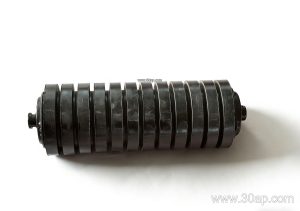
A cleaning idler is a specialty roller mounted on the return side of a conveyor to scrape and shed sticky material from the belt surface. In a quarry, cement plant, or coal handling line, carry-side rollers support the loaded belt while return rollers guide the empty strand. The cleaning idler sits among those return rollers and uses a rubber or polyurethane disc, spiral, or brush surface to remove fines, mud, and dust before they wrap around pulleys or build up on the floor. It is not a drive pulley, tail pulley, or bend pulley; those components transmit power or change belt direction, while the cleaning idler only cleans and supports. It also differs from a standard return idler, which mainly carries the belt without a scraping action. On a typical conveyor, the cleaning idler is installed just after the discharge point, where the belt is still dirty, and before the tail pulley, so the belt enters the pulley clean.
Construction Details That Affect Performance
A cleaning idler usually has a steel tube body with welded end caps, a through shaft, and sealed bearings. The cleaning element may be a rubber disc, a helical rubber spiral, or a segmented ring. The shaft ends fit into conveyor brackets or hanger frames on the return strand. Common roller diameters for return idlers include Ø89, Ø102, Ø108, Ø127, Ø133, and Ø159 mm, though the final choice depends on belt width and load. Bearings such as 6204, 6205, 6305, 6306, 6308, and 6310 are used across different roller sizes; no single bearing is tied to one diameter. The cleaning surface should be softer than the belt cover to avoid abrasion, and the mounting height must match the existing return roller group. A well-sealed bearing housing keeps dust and water out, which matters in washdown areas and wet tunnels. The cleaning idler is often used with a conveyor belt that carries wet or sticky material, and its position relative to the conveyor pulley set should be checked during installation.
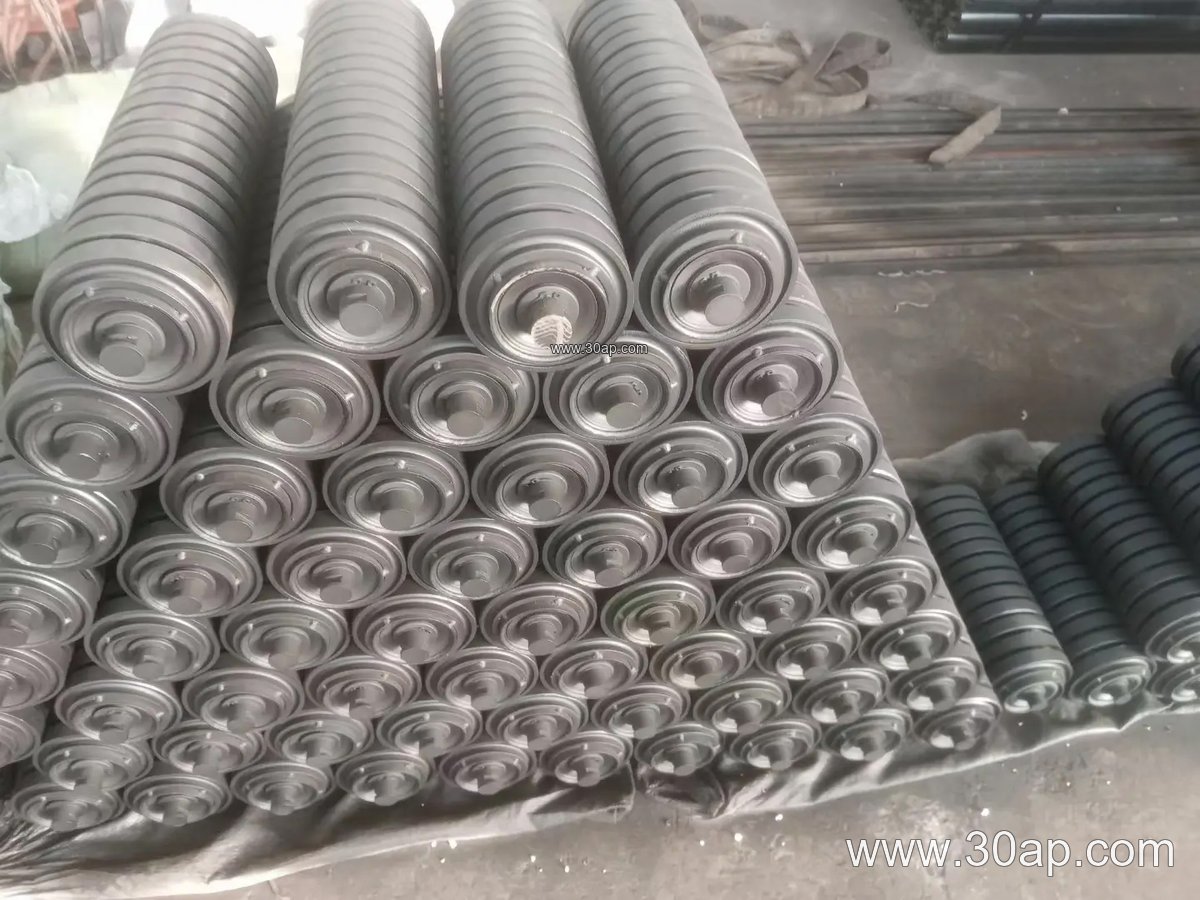
Where Cleaning Idlers Fit in Bulk Handling
In a sand and gravel plant, a cleaning idler under the crusher discharge keeps sticky fines from wrapping the return rollers. In a coal preparation plant, it helps control coal dust and mud on the return strand. Cement plants use them after clinker or raw meal transfer points, where fine powder clings to the belt. Power plant coal yards and port ship loaders also benefit when the conveyed material is damp. The cleaning idler works alongside the conveyor belt, idler roller, conveyor pulley, and conveyor bracket, but it does not replace them. For abrasive iron ore or copper ore, a rubber disc cleaning idler is common; for hot materials such as sinter, a heat-resistant roller body may be needed, and the belt itself might be a Heat Resistant Conveyor Belt. In food or grain handling, a food-grade cleaning roller surface may be specified. The cleaning idler is not a substitute for a drive pulley, tail pulley, or bend pulley; those are separate components with different duties.
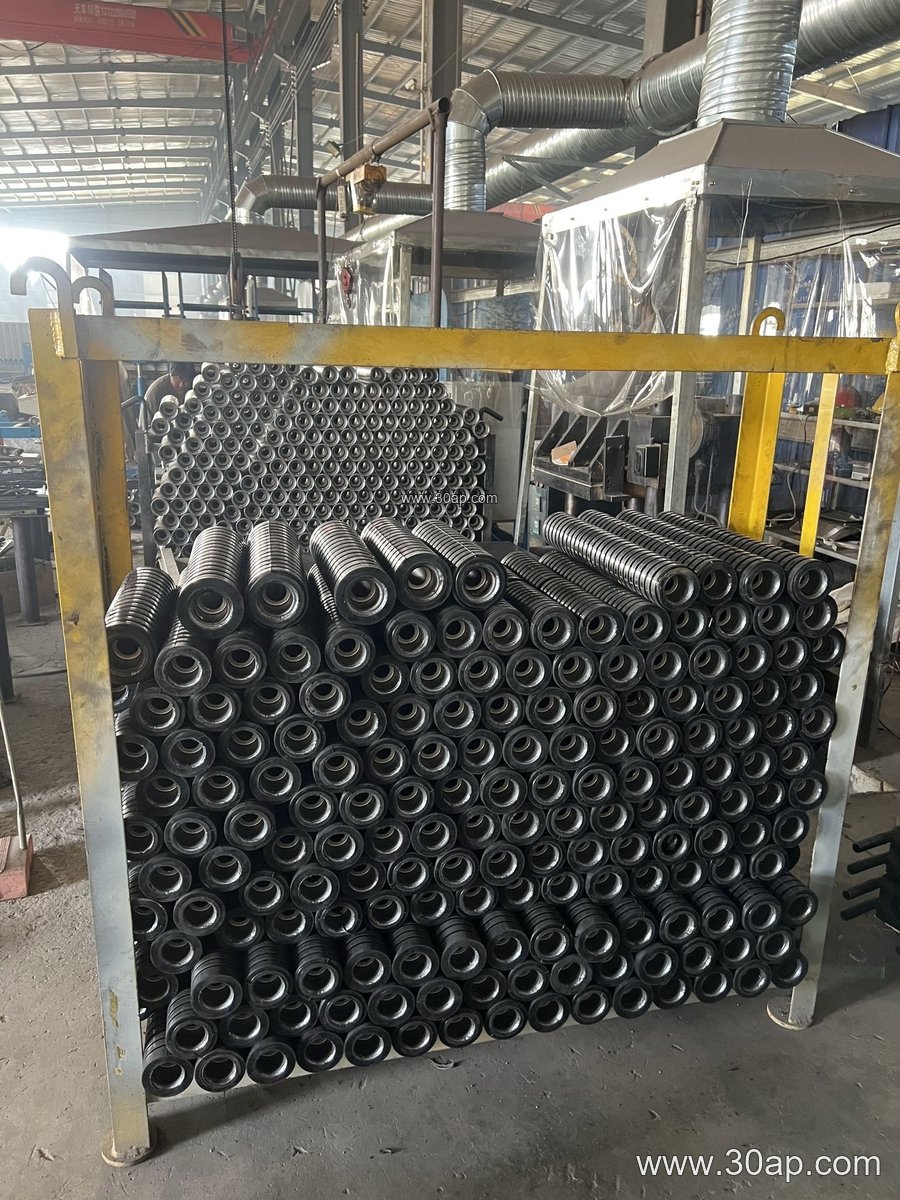
Matching the Idler to Belt Width and Return Roller Group
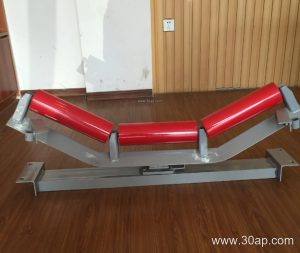
The cleaning idler should match the return roller group it replaces. Common belt widths include B500, B650, B800, B1000, B1200, B1400, B1600, B1800, and B2000. Roller length varies with belt width, trough angle, and roller arrangement. For a three-roll troughing set, typical roller lengths are about 200 mm for B500, 250 mm for B650, 315 mm for B800, 380 mm for B1000, 465 mm for B1200, 530 mm for B1400, 600 mm for B1600, 670 mm for B1800, and 750 mm for B2000. These are common examples, not fixed rules, and side rollers may differ from the center roller. Trough angles of 20, 30, 35, and 45 degrees are used in different conveyor designs; the cleaning idler is usually on the flat return strand, so trough angle does not apply to it directly, but the return roller group must align with the belt path. A cleaning idler for a 1200mm wide conveyor belt will have a different roller length from one for an 800mm belt, so always confirm the mounting dimensions.
Buyer Checklist Before Ordering
- Confirm the return roller diameter and shaft end size that fit the existing conveyor bracket.
- Check the belt width and the required roller length; do not assume one length fits all.
- Select the cleaning surface for the material: rubber disc for sticky fines, spiral for general cleaning, brush for dry dust.
- Verify bearing size and sealing level for the environment, especially in washdown or dusty areas.
- Confirm that the cleaning idler is not being used to replace a drive, tail, or bend pulley.
- For hot or oily materials, match the idler and belt, for example with a Heat Resistant Conveyor Belt or Oil Resistant Conveyor Belt.
- Consider the conveyor belt type, such as EP Conveyor Belt or Steel Cord Conveyor Belt, because belt stiffness affects cleaning contact.
Finally, keep spare cleaning idlers on hand for critical conveyors. Inspect the cleaning surface for wear and the bearings for play during routine maintenance. A cleaning idler that is correctly sized and well sealed will reduce carryback, protect the tail pulley, and keep the return strand cleaner in quarry, cement, coal, and port operations.