What Conveyor Bracket Procurement Covers
Conveyor bracket procurement is the process of sourcing the structural supports that hold idler rollers in place along a belt conveyor. These brackets, often called conveyor support brackets or idler frames, are not a single part but a family of components: troughing brackets, return brackets, impact brackets, self-aligning brackets, and adjustable designs. A buyer specifying conveyor bracket procurement needs to match the bracket type to the conveyor’s loading conditions, belt width, and idler diameter, while keeping installation and maintenance practical.
In a quarry or a cement plant, the bracket set is what keeps the conveyor belt tracking correctly and the idler roller spinning freely. Poor bracket selection shows up as belt misalignment, premature roller wear, or spillage at transfer points.
How a Conveyor Bracket Is Built
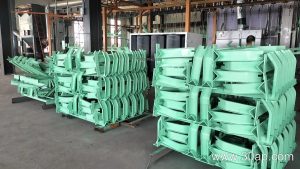
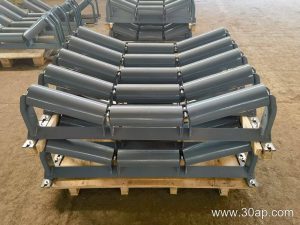
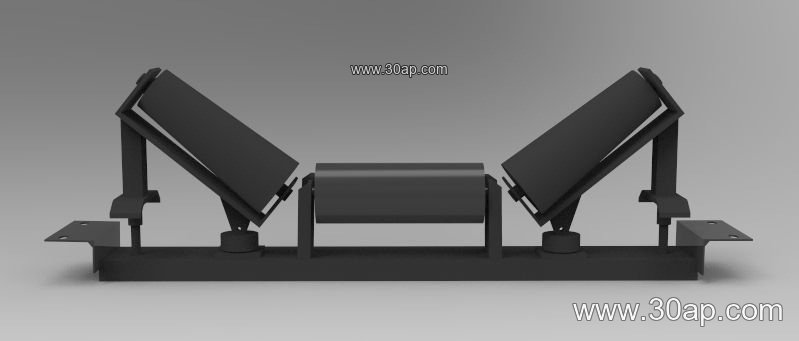
Most brackets are fabricated from angle steel, channel steel, or folded steel plate. The material choice affects stiffness and corrosion resistance, but the geometry matters more for fit. A troughing bracket carries three idlers at a fixed trough angle; a return bracket supports the belt on the return side; an impact bracket sits under a loading point and is built heavier to absorb shock.
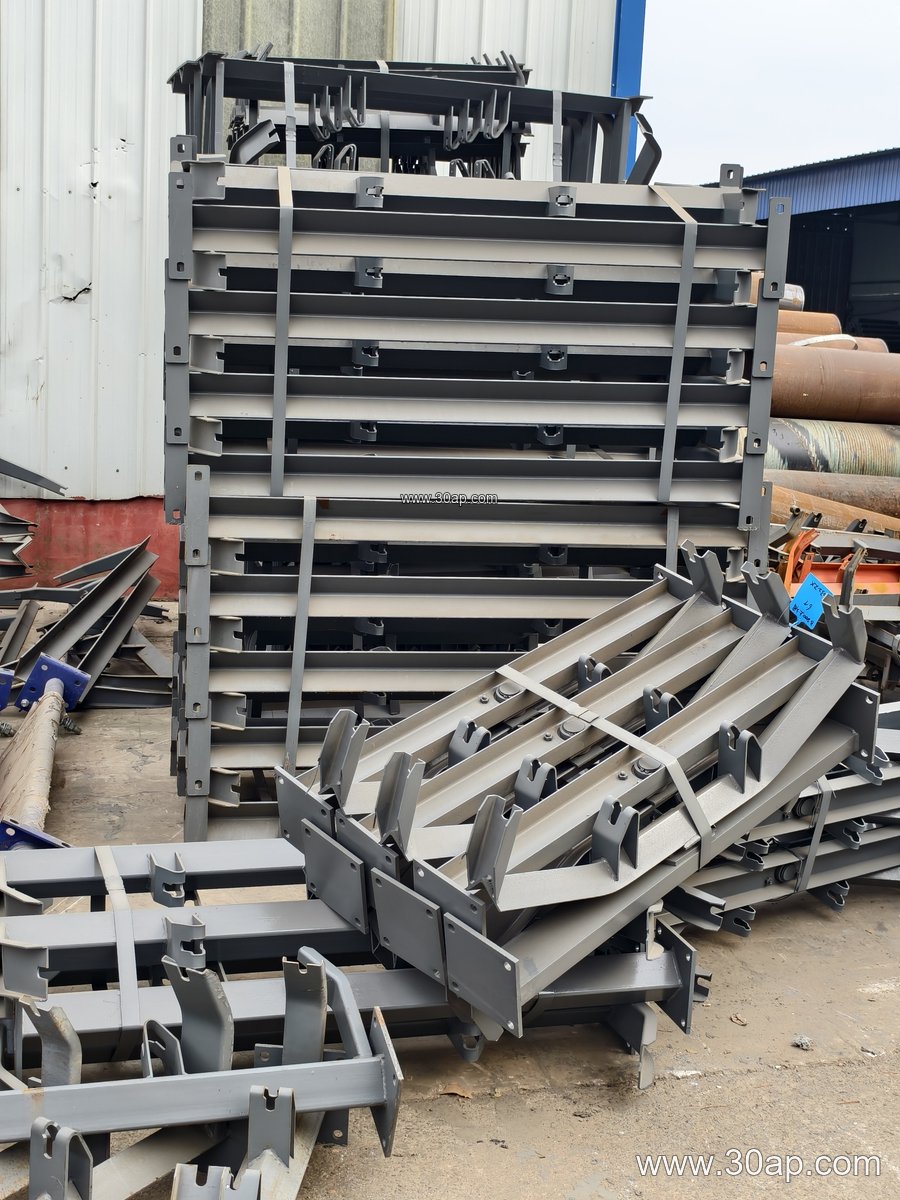
Adjustable brackets allow the trough angle to be set on site, typically between 20 and 45 degrees. Fixed brackets are welded or bolted at one angle. The mounting hole spacing and crossbeam length are determined by belt width and trough angle, so they should be confirmed against the conveyor drawing rather than assumed.
Where These Brackets Are Used
Conveyor brackets appear wherever a belt conveyor moves bulk material. In a coal washing plant, flame retardant conveyor belts run over troughing brackets that must resist coal dust and occasional impact. In an iron ore yard, heavy-duty brackets support idlers under abrasive ore. In a power plant coal yard, the same bracket family carries the belt through transfer towers and stockpile conveyors.
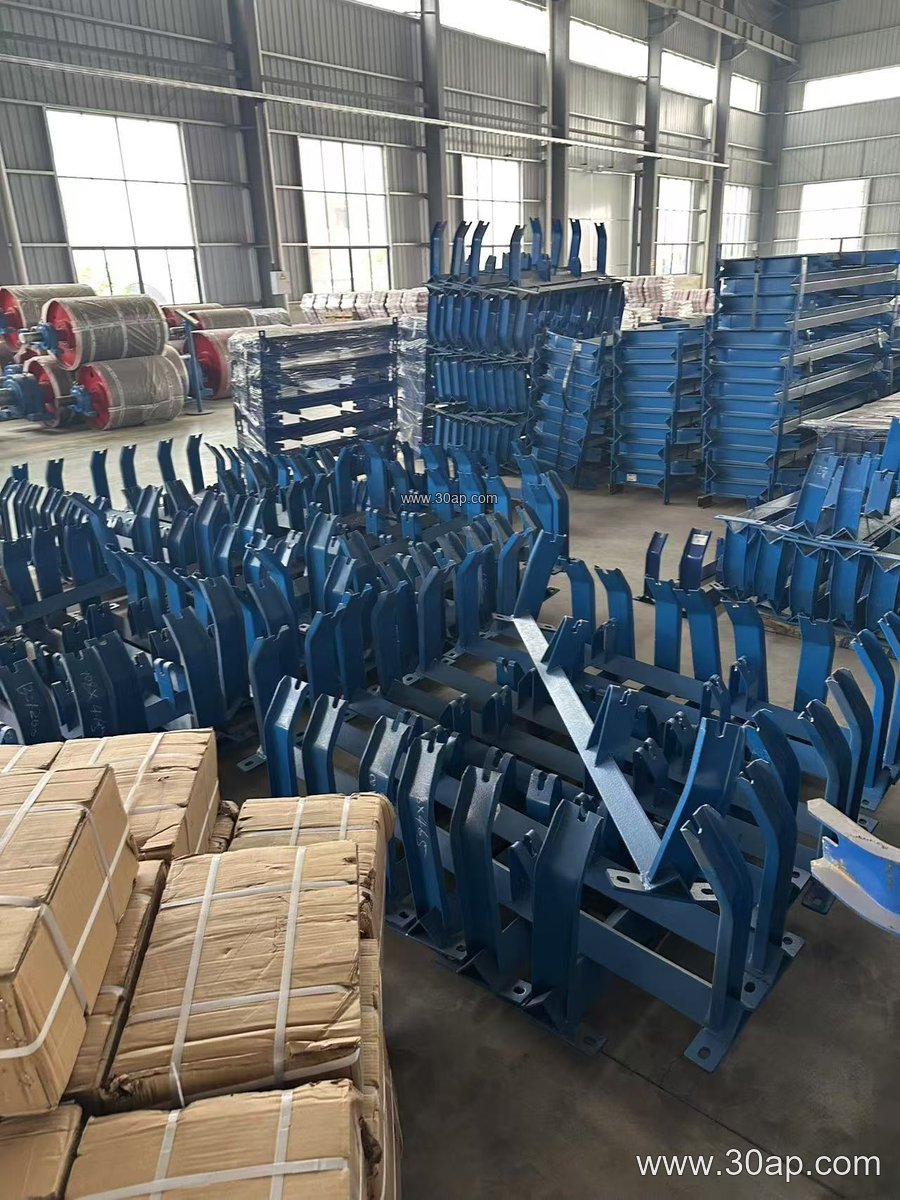
The bracket works together with the conveyor pulley at the drive and tail ends, and with the idler roller along the carry and return sides. A mismatch between bracket spacing and roller diameter can cause belt sag or roller bounce.
Key Selection Points for Buyers
During conveyor bracket procurement, several parameters should be fixed early:
- Belt width, such as B800, B1000, or B1200, which sets the bracket span.
- Trough angle, commonly 20, 30, 35, or 45 degrees, and whether adjustability is needed.
- Idler diameter, such as Ø89, Ø108, Ø133, or Ø159, which determines the bracket cradle size.
- Loading type: standard, impact, or transition, which affects bracket strength.
- Material and surface treatment for the site environment, such as dusty, wet, or corrosive conditions.
It is a mistake to assume one belt width only matches one trough angle or one roller diameter. A B1000 conveyor might use 35-degree troughing brackets with Ø108 idlers in one section and 45-degree brackets with Ø133 idlers in another, depending on the material and transition requirements.
Matching Brackets with Belts and Rollers
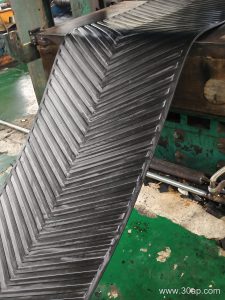
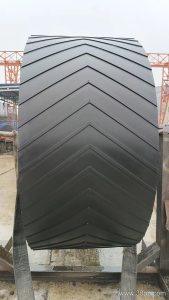
The bracket is part of a system. A rubber conveyor belt or an EP conveyor belt running on troughing brackets needs consistent idler spacing to avoid edge stress. In a sand and gravel line, a chevron conveyor belt may require brackets that clear the cleat height. In a tunnel spoil application, impact brackets under the loading zone protect both the belt and the idler roller.
Buyers should also consider maintenance access: a self-aligning bracket needs room for its pivot, and an adjustable bracket needs access to its setting bolts. Spare parts planning should include bracket hardware, not just the frame.
Procurement Checklist
Before placing an order, confirm the bracket drawing against the conveyor layout, verify the trough angle and roller diameter, and check that the mounting holes align with the existing stringer or frame. Ask for material certificates only if your project requires them, and avoid treating any reference size as a universal supply promise. A clear specification at the procurement stage reduces field modification and keeps the conveyor bracket set working with the rest of the conveyor components.