What Conveyor Bracket Fabrication Involves
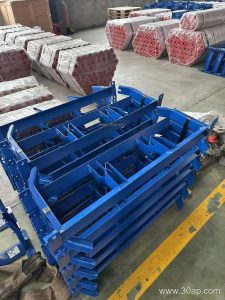
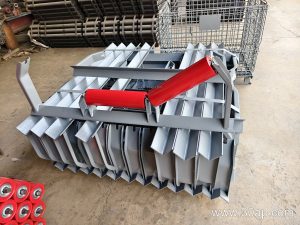
Conveyor bracket fabrication is the process of cutting, bending, welding, and finishing the steel structures that hold idler rollers and support the conveyor belt along its path. These brackets, often called idler frames or stands, are the interface between the roller and the conveyor stringer. Good fabrication ensures that the belt runs true, the rollers stay aligned, and the whole system tolerates the daily shock of bulk material handling.
In a typical fabrication shop, the work starts with raw steel sections. Depending on the load and belt width, fabricators select angle iron, channel steel, or folded plate. The choice affects stiffness, weight, and how easily the bracket can be bolted or welded to the conveyor frame.
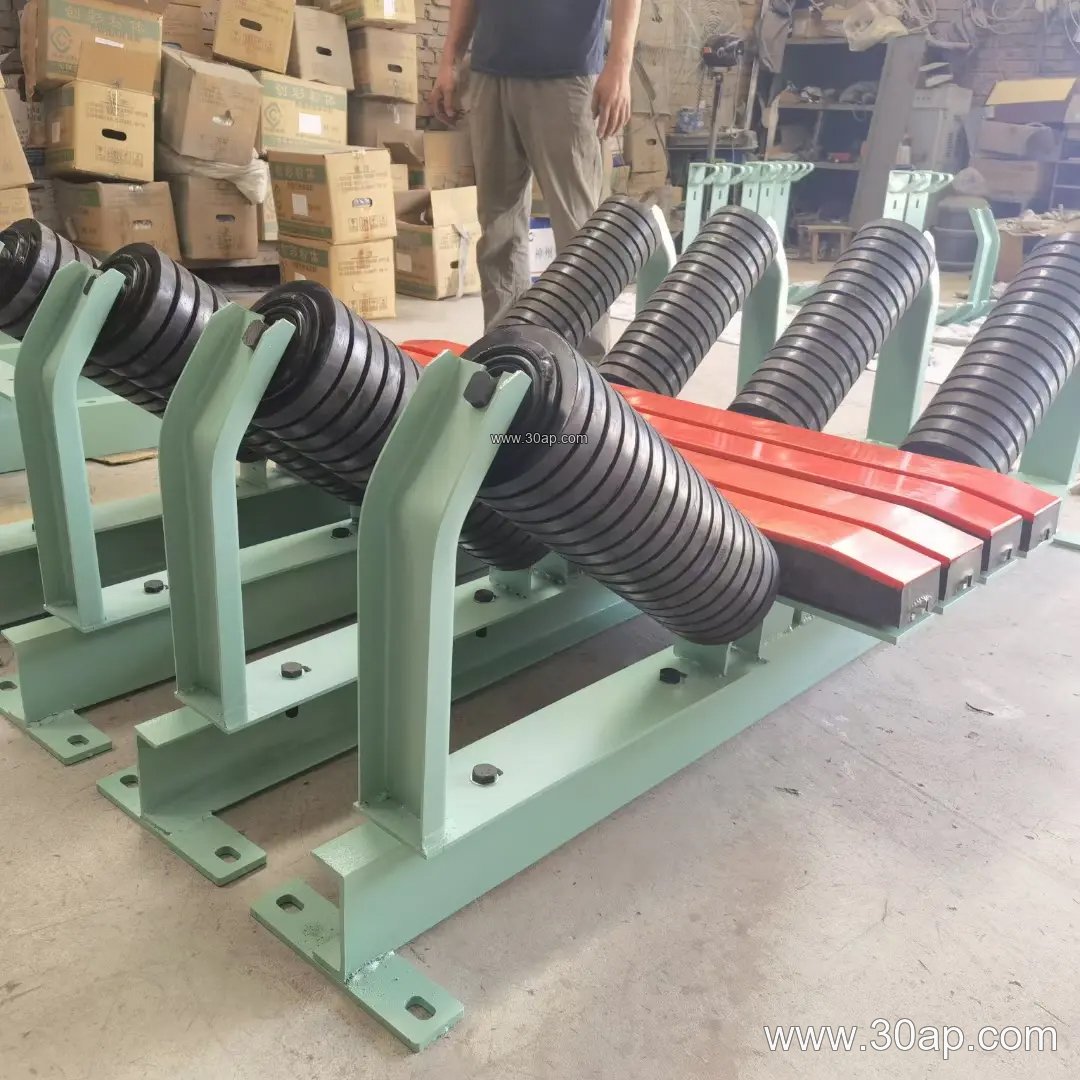
Materials and Build Methods
Most conveyor brackets are made from common structural steel grades. The fabrication sequence usually includes:
- Cutting angle, channel, or plate to length
- Punching or drilling mounting holes for idler shafts
- Bending and jig welding to hold the trough angle
- Cleaning and applying a protective coating
For dusty or wet conditions, such as a coal washing plant or a cement plant, the finish matters as much as the steel. A well-prepared surface and a suitable primer help the bracket resist corrosion without adding excessive cost.
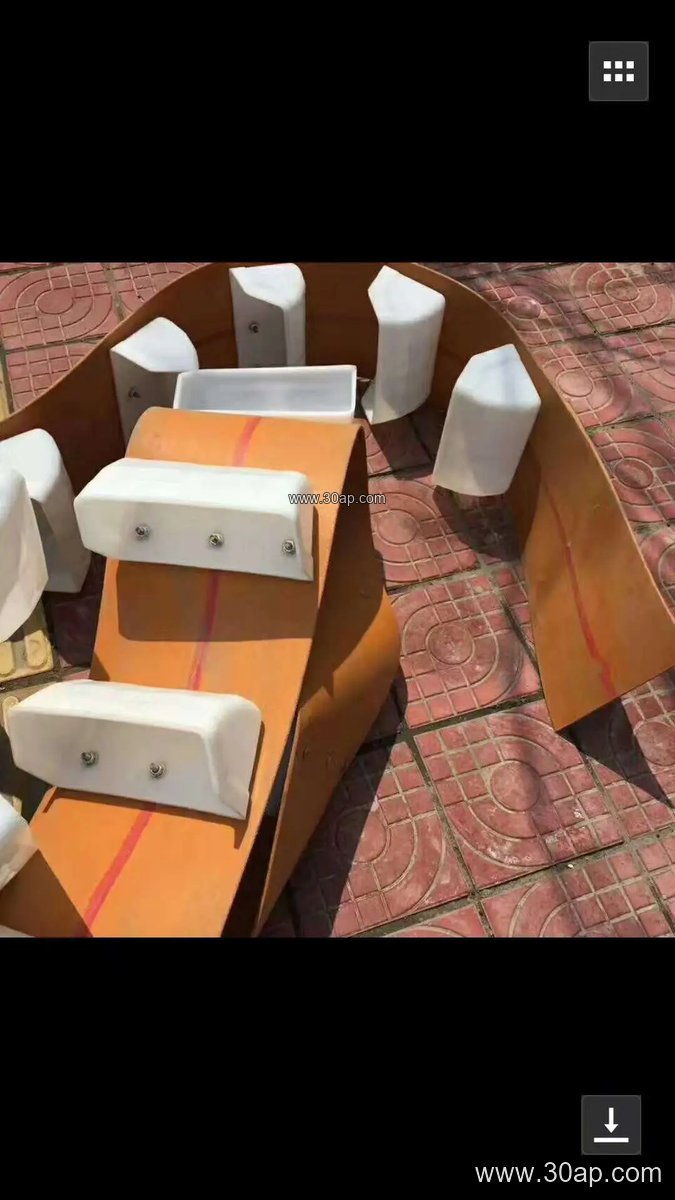
Types of Brackets and Where They Sit
Fabricated brackets are not one-size-fits-all. The main types follow the belt line and the job each roller does. Troughing brackets, also called carry brackets, hold three or more idlers in a trough shape on the carrying side. Return brackets support the belt on its way back, often with a flat or V-shaped arrangement. Impact brackets sit under the loading point and carry impact idlers that absorb the drop of large lumps. Self-aligning brackets allow slight rotation to correct belt tracking. Transition brackets help the belt move smoothly from a flat pulley to a troughed section.
Adjustable brackets let maintenance crews change the trough angle on site, while fixed brackets lock one angle for the life of the installation. For a quarry conveyor belt or an aggregate conveyor belt, fixed troughing brackets are common because the material load is steady. In a port or ship loading conveyor belt system, adjustable brackets can be useful when the belt handles different bulk materials.
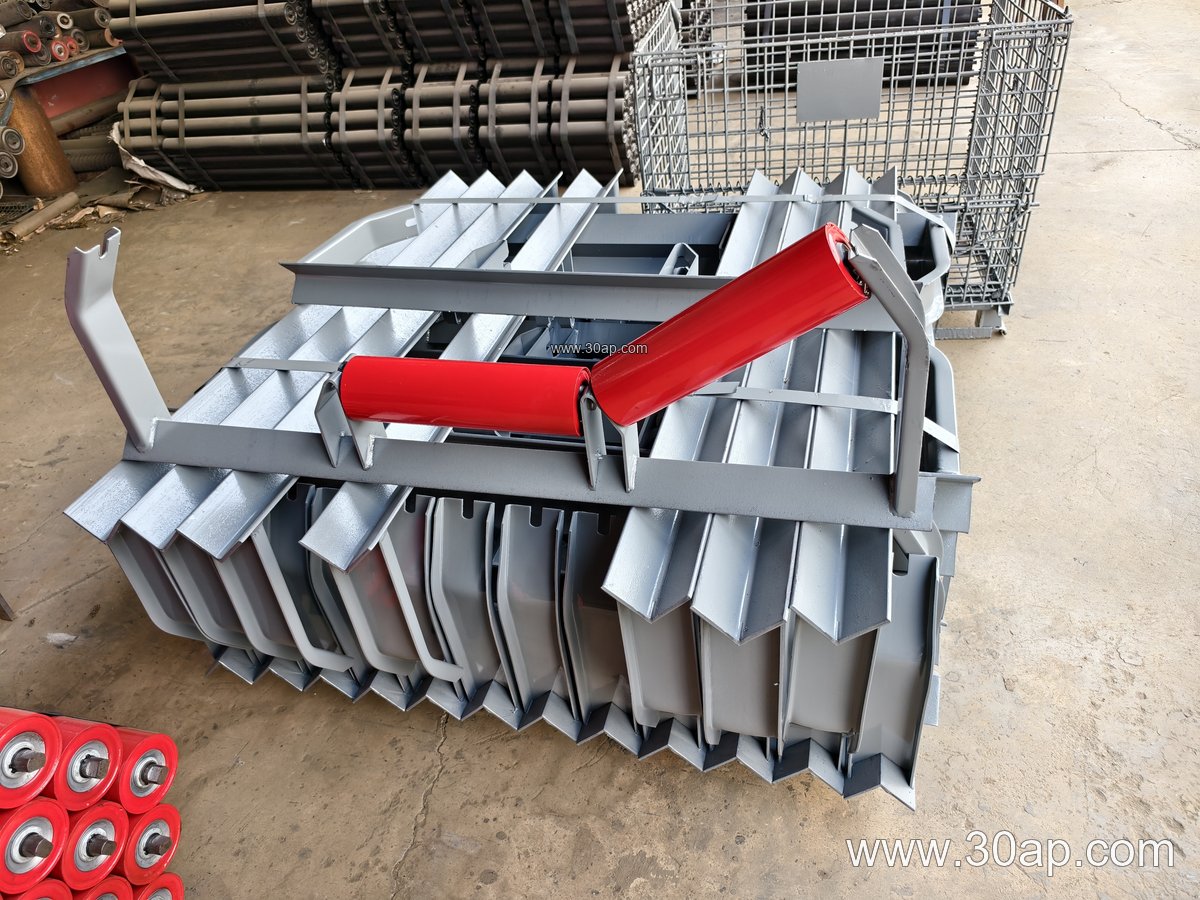
Matching Brackets to Belt Width and Roller Diameter
Fabrication dimensions follow the belt width and the roller diameter, but not in a rigid one-to-one way. A B800 belt might run with Ø89 or Ø108 idlers depending on load and speed. A wider B1200 or B1400 system often uses Ø133 or Ø159 rollers. The bracket span, mounting hole spacing, and crossbeam length are all set by the design, so fabricators build to a drawing rather than a universal table.
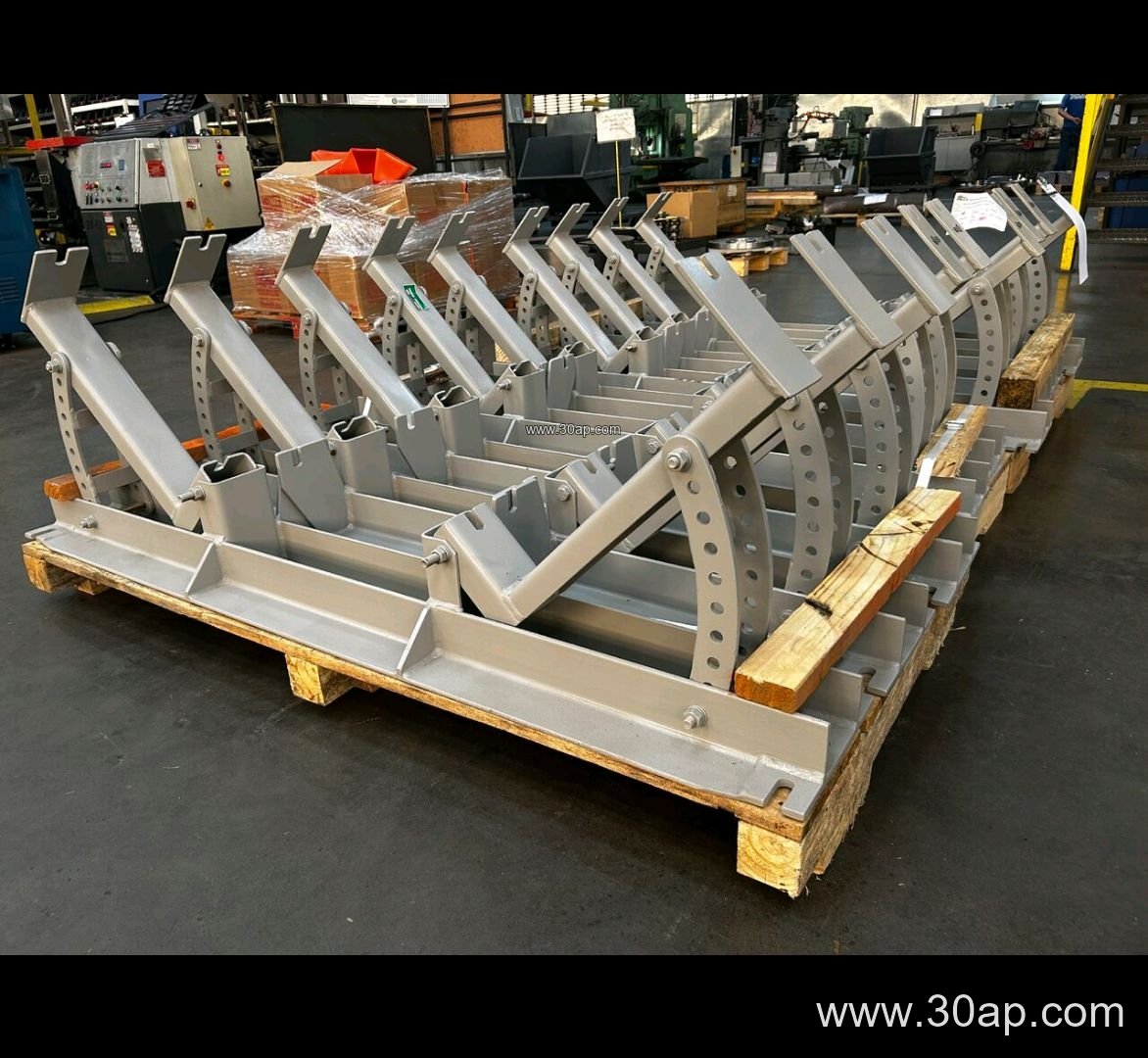
Common trough angles are 20, 30, 35, and 45 degrees. A 35-degree trough is widely used in mining and quarrying, while a 45-degree trough suits fine, free-flowing material. The bracket must hold that angle accurately across the full length of the conveyor.
Fabrication Details That Affect Performance
Small details in conveyor bracket fabrication have a large effect on the field. Weld quality at the angle joints prevents cracking under vibration. Accurate hole positions keep the idler roller square to the belt, which reduces edge wear. A consistent height across a series of brackets keeps the belt from sagging between supports. When brackets are fabricated in batches, jigs and fixtures help repeat these details.
For heavy-duty mining conveyor belt and underground coal mining conveyor belt applications, brackets may need extra gussets or thicker sections to handle surge loads. In a power plant coal handling system, brackets are often designed for easy roller replacement because maintenance windows are short.
Buyer Checklist for Fabricated Brackets
Before placing an order, confirm the belt width, the roller diameter, and the trough angle. Ask for the mounting hole spacing and the overall bracket height. Check whether the bracket is fixed or adjustable, and whether it is designed for a troughing, return, impact, or self-aligning position. Specify the steel section and the surface treatment. For abrasive or wet environments, mention the site conditions so the fabricator can choose a suitable coating. Finally, request dimensional drawings for approval; this step catches most fit problems before steel is cut.