What a Gold Mining Conveyor Belt Does on Site
A Gold Mining Conveyor Belt moves crushed ore, run-of-mine rock, and screened aggregate between the pit, stockpile, and processing plant. In a gold operation the belt often works harder than the mine plan suggests: ore can be sharp and abrasive, the load can arrive in uneven surges from the crusher, and dust or wash water may be present. The belt is only one part of the line, but it is the part that carries every tonne, so its construction and cover compound deserve careful attention.
The same product is also called a gold mine conveyor belt or an ore conveyor belt. These are equivalent names for the same item, not different products.
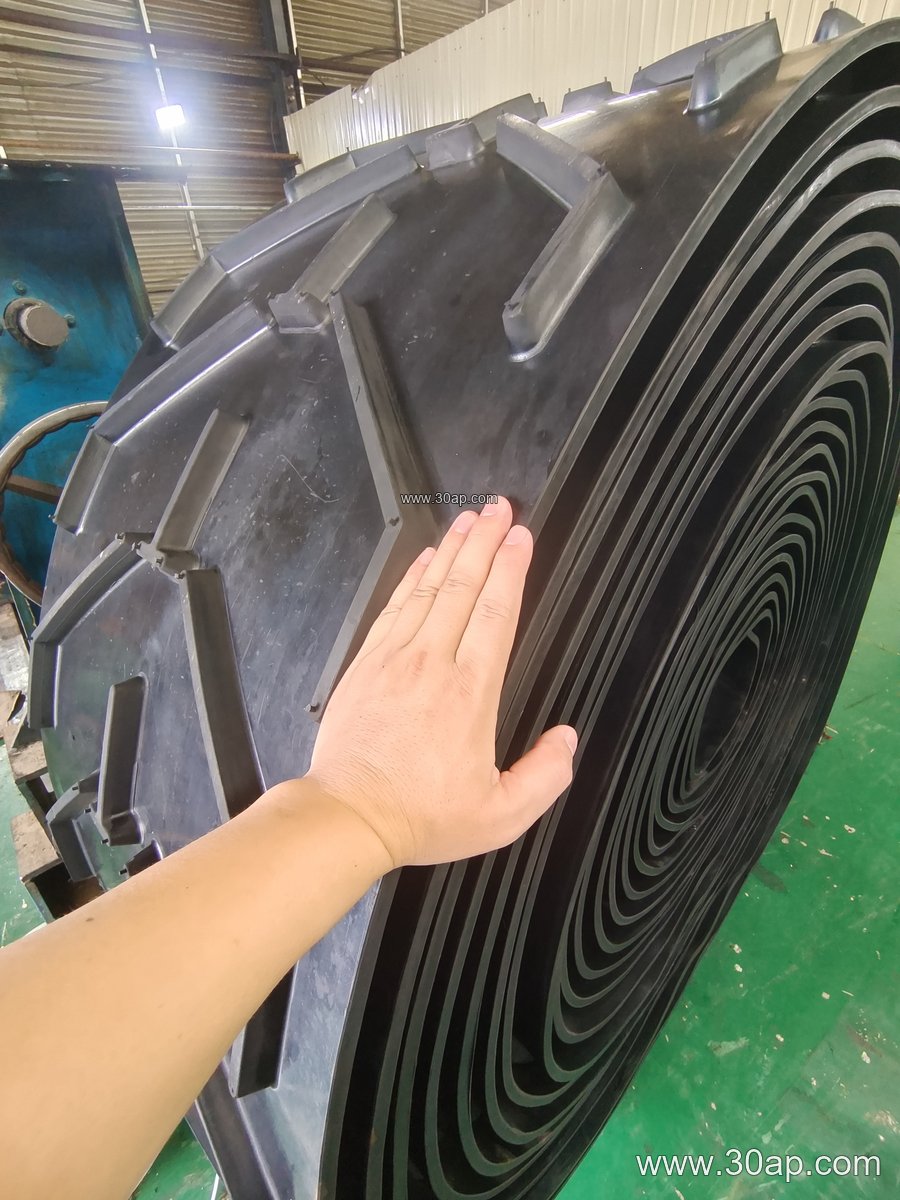
Construction and Belt Types
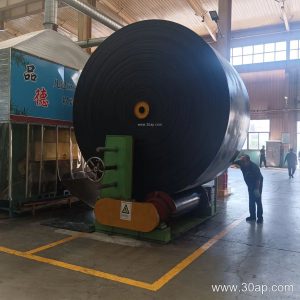
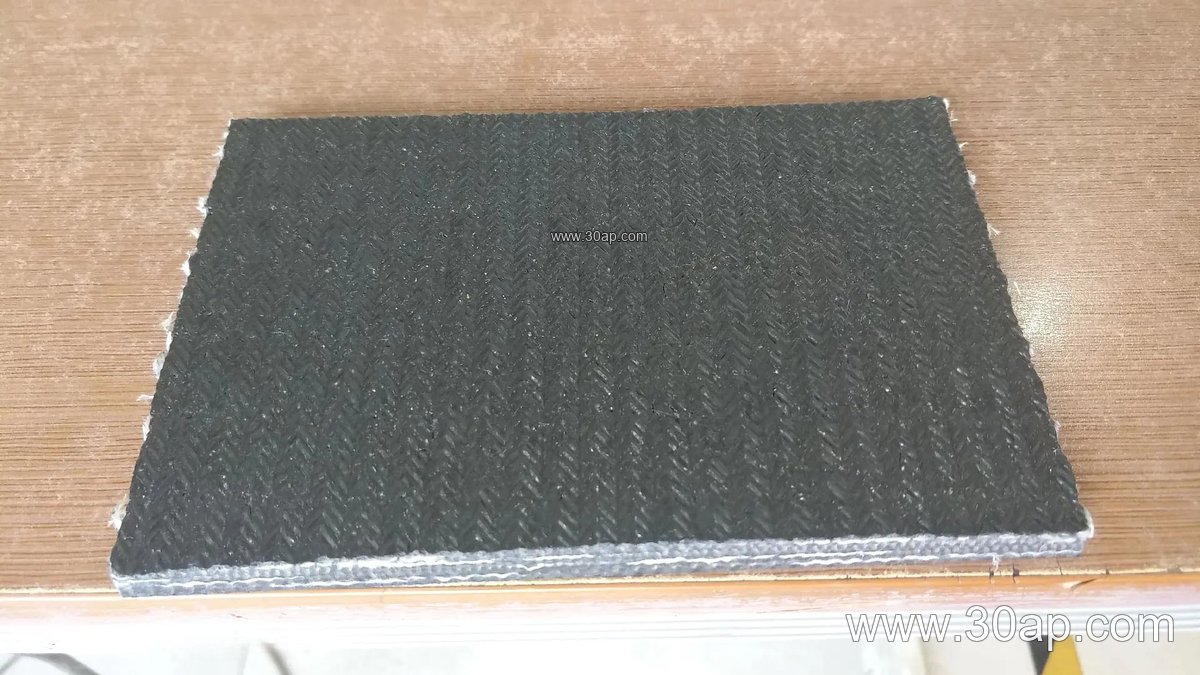
Most gold mining belts use a fabric core or a steel cord carcass with rubber covers. Fabric core options include EP Conveyor Belt and NN Conveyor Belt constructions, where EP (polyester warp, nylon weft) offers low stretch and good moisture resistance, and NN nylon provides high flexibility and impact absorption. Heavier main haulage lines may use a Steel Cord Conveyor Belt when the center distance is long and tension is high. For underground or dusty sections, a Flame Retardant Conveyor Belt or Anti-Static Conveyor Belt is often specified alongside the abrasion requirement.
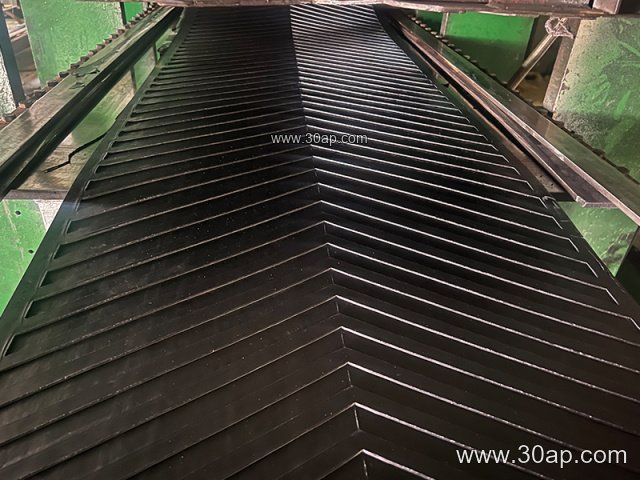
Cover compound choice follows the duty. An Abrasion Resistant Conveyor Belt is the common baseline for gold ore, while a Heat Resistant Conveyor Belt matters near dryers or kilns, and an Oil Resistant Conveyor Belt suits lines that see lubricant or reagent contact. Inclined transfer points may use a Chevron Conveyor Belt to stop material rollback, and confined chutes can call for a Corrugated Sidewall Conveyor Belt or Skirted Conveyor Belt to contain the load.
Typical Reference Data
The values below are reference ranges only. Actual construction is confirmed by design, since different manufacturers build to different standards.
| Item | Common reference values |
|---|---|
| Fabric core grade | EP200, EP315, EP400, EP500, EP630, EP800, EP1000, EP1250, EP1600, EP2000 |
| Steel cord grade | ST1000, ST1250, ST1600, ST2000, ST2500, ST3150 |
| Belt width | B500, B650, B800, B1000, B1200, B1400, B1600, B1800, B2000 |
| Cover thickness | 3+1.5, 4+2, 5+2, 6+2, 8+3 mm |
| Carcass plies | usually 2 to 6 layers for fabric core |
| Surface form | plain, chevron, corrugated sidewall, skirted |
Where the Belt Fits in the Flow
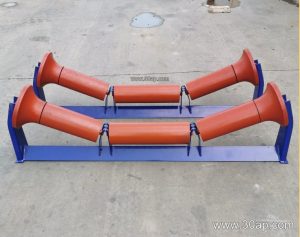
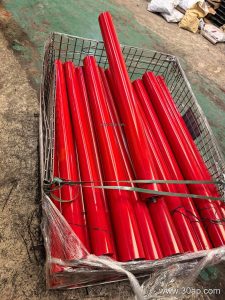
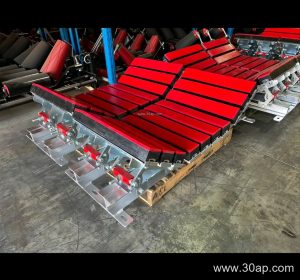
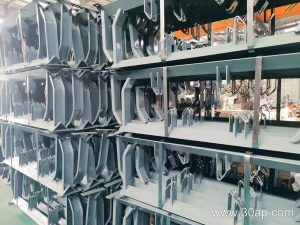
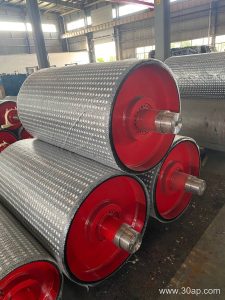
In a gold plant the belt works with conveyor pulleys at the drive and tail ends, idler rollers supporting the carrying and return strands, and conveyor brackets holding the frame together. Drive, tail, and bend pulleys each do a different job and are not interchangeable; the belt specification should be matched to the pulley diameters and trough angle chosen for the line. A transfer from the crusher may need an Impact Resistant Conveyor Belt with extra breaker plies, while a long overland run to the stockpile may favor a High Strength Conveyor Belt with low elongation.
The same family of belts appears in related industries such as quarry, aggregate, cement, and power plant lines, where a Quarry Conveyor Belt or Aggregate Conveyor Belt handles similar abrasive loads. Gold operations often share spare stock with these sites, which can simplify maintenance planning.
Buyer Checklist
- Confirm the peak tonnage, lump size, and drop height at each transfer point before choosing cover thickness.
- State the ambient and material temperature so the right heat grade is quoted.
- Describe dust, water, and oil exposure to decide between standard and flame retardant or anti-static builds.
- Give the pulley diameters and trough angle so the carcass flexibility suits the existing conveyor.
- Ask for the splice method and expected elongation, especially for long overland lines.
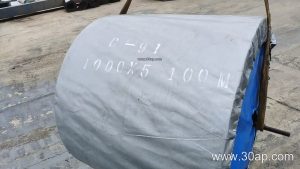
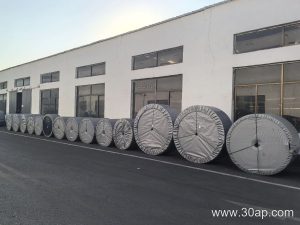
- Keep a spare roll sized to the widest belt on site to reduce downtime.
For more detail on matching belts with idlers and pulleys, visit goldminingconveyorbelt.com and review the selection notes before ordering.
Maintenance Notes
Inspect the belt surface for cuts and embedded rock at each shift, check that idler rollers turn freely, and confirm pulley lagging is not worn smooth. Misalignment at the tail pulley and material spillage around the skirted section are common causes of edge damage. Recording cover wear at fixed intervals helps predict when a replacement roll is needed rather than waiting for a failure during a production campaign.