What a Rock Conveyor Belt Is
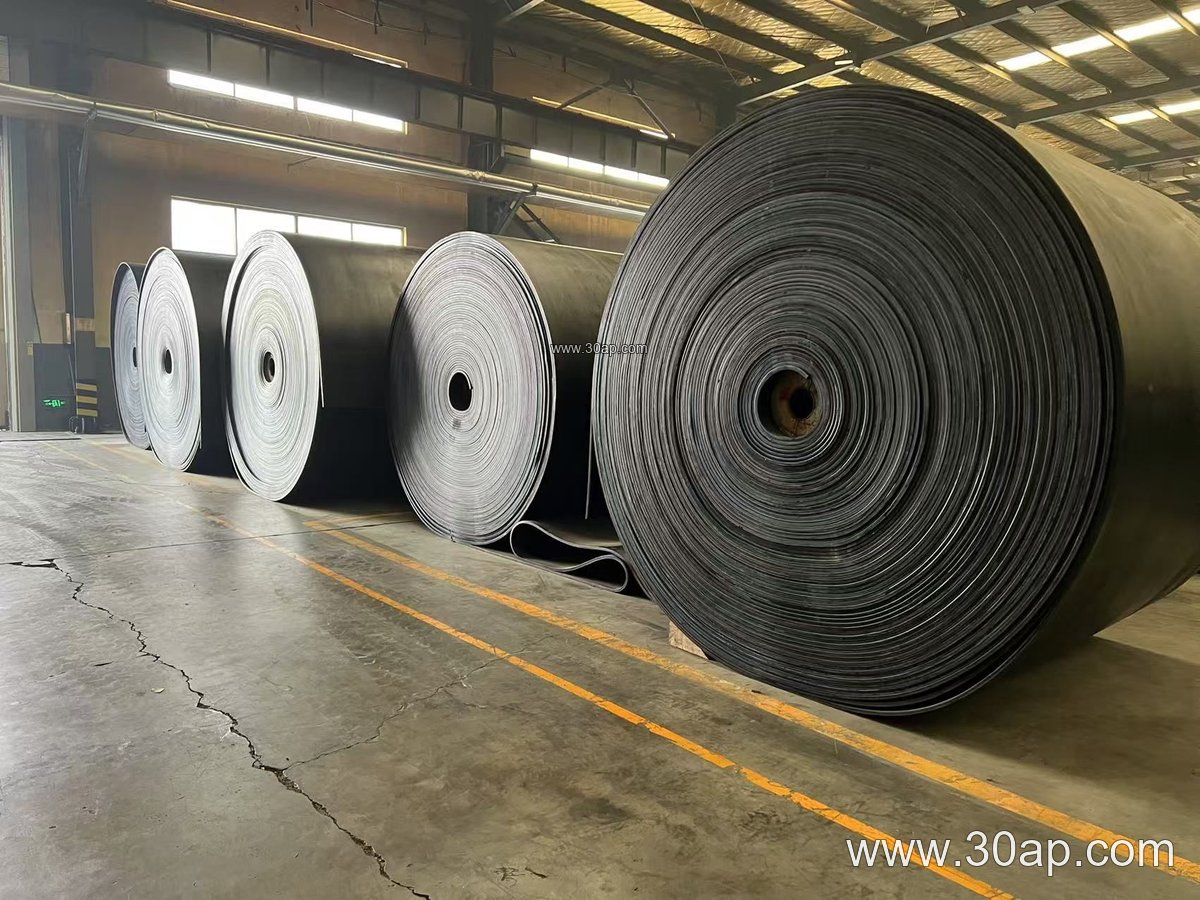
A rock conveyor belt is a heavy-duty rubber conveyor belt engineered to transport abrasive, lumpy, and heavy rock materials in mines, quarries, cement plants, power stations, and aggregate yards. Unlike general-purpose belts, this belt must withstand sharp edges, impact loading, and constant abrasion. The term often refers to abrasion-resistant conveyor belts used in primary and secondary crushing circuits, but it also covers belts specified for specific rock types and operating conditions.
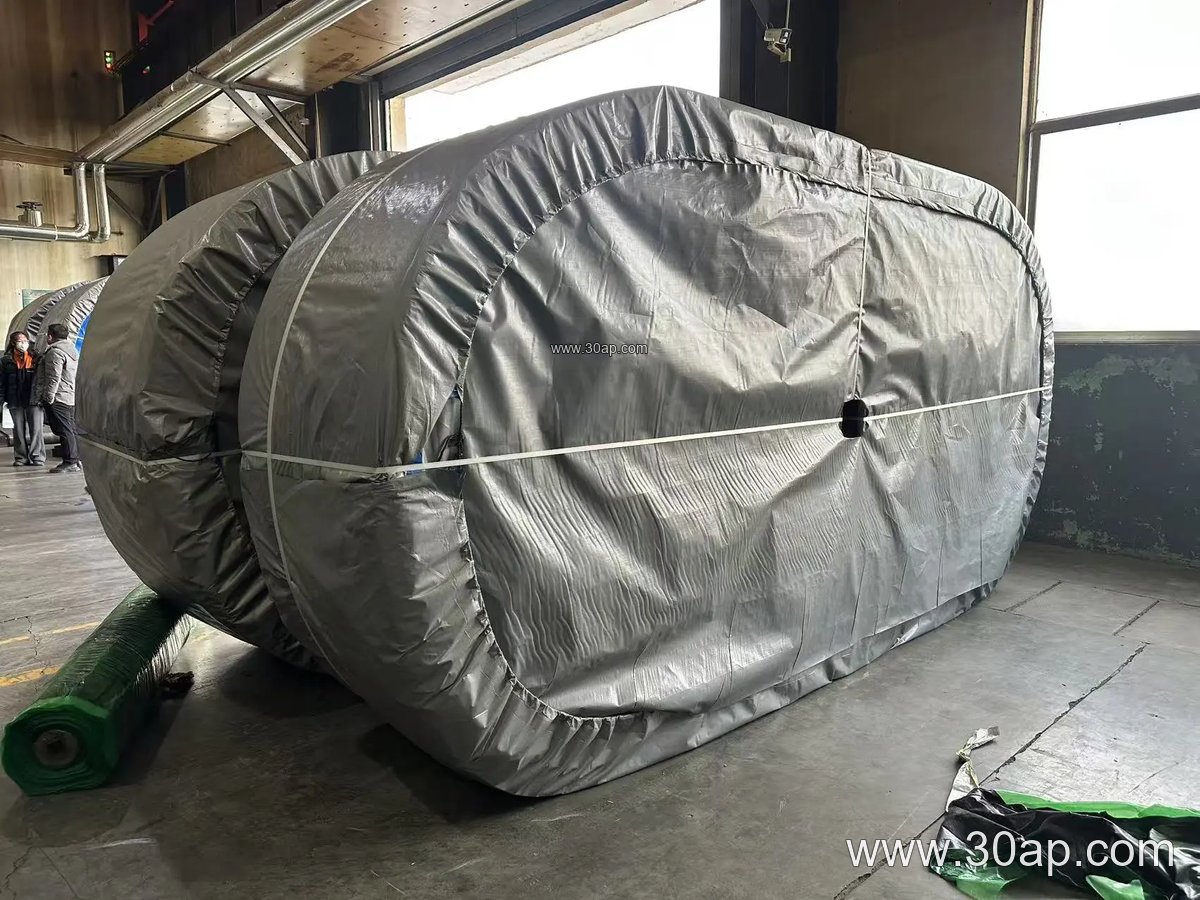
Common names for the same product include stone crusher belt, quarry conveyor belt, and aggregate conveyor belt. All describe a belt built for rock handling, with cover compounds and carcass constructions selected to resist cutting, gouging, and wear.
Construction and Materials
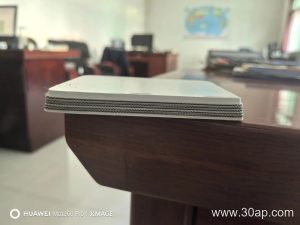
The rock conveyor belt typically uses a fabric core or steel cord carcass. Fabric core options include EP conveyor belt (polyester-nylon) and NN conveyor belt (nylon-nylon). EP fabric core belts offer low elongation and good impact resistance, while NN belts provide high tensile strength and flexibility. For very high tensions and long distances, steel cord conveyor belt is chosen. The cover rubber is usually a high abrasion resistant compound, often with a hardness and thickness suited to rock impact. Multi-ply fabric core conveyor belt with 2 to 6 plies is common in aggregate and quarry applications.
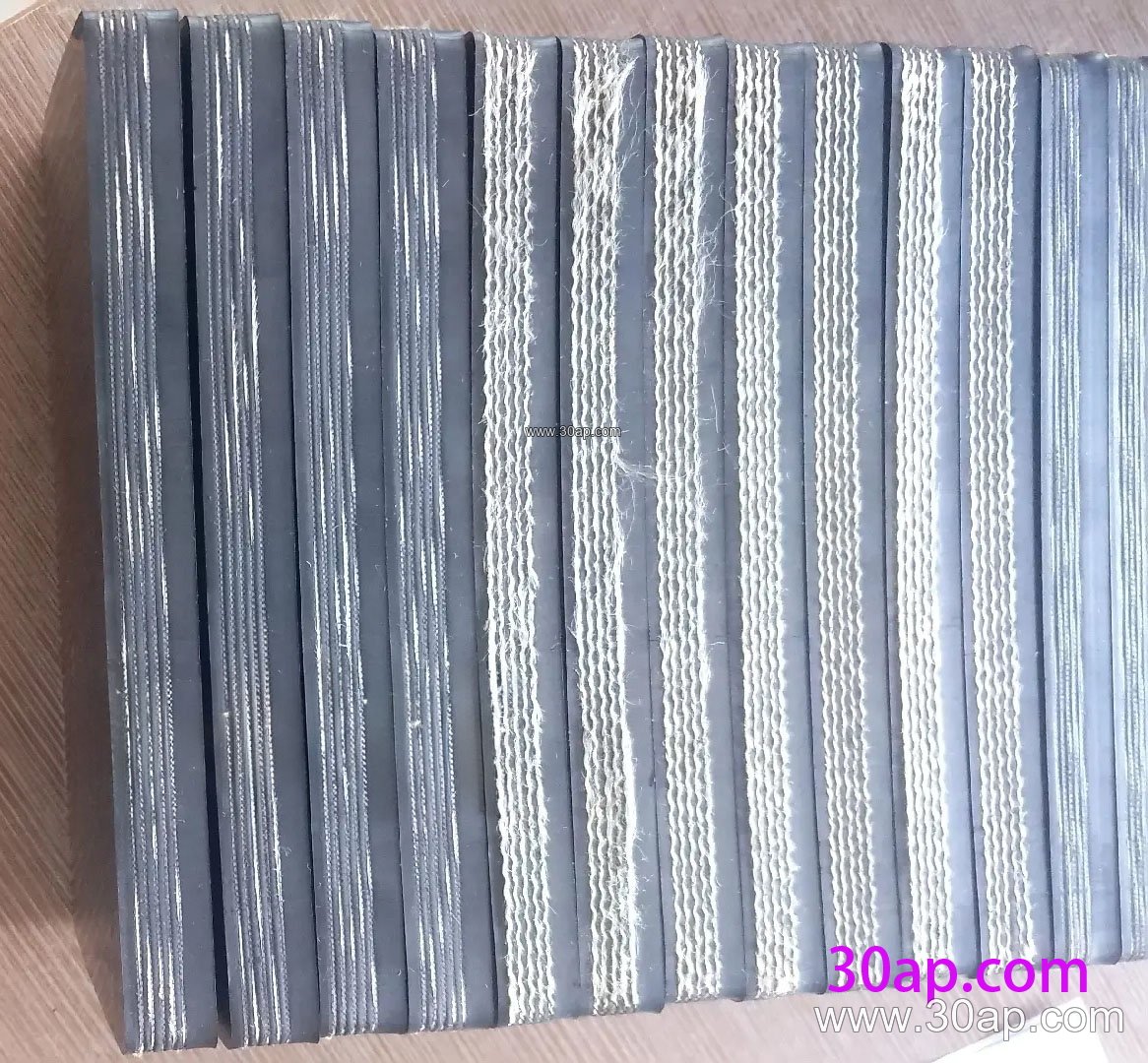
For underground coal mining, flame retardant and anti-static properties are essential. PVC and PVG conveyor belts are frequently used in underground coal mining conveyor belt systems, while rubber belts with flame retardant additives serve in other mining operations. Heat resistant conveyor belt grades are available for handling hot clinker or slag, though rock handling usually prioritizes abrasion resistance over temperature.
Typical Specifications
Rock conveyor belts are available in a range of widths, strengths, and cover thicknesses. The table below shows common reference values; actual selection depends on the conveyor design, rock size, drop height, and throughput. These are not universal specifications, and different manufacturers offer varied ranges.
| Parameter | Common Range | Notes |
|---|---|---|
| Belt width | B500 to B2000 (500 mm to 2000 mm) | Wider belts for high tonnage; 1200mm and 1500mm are frequent in quarries |
| Fabric strength (EP) | EP200 to EP2000 | EP630, EP800, EP1000 common for rock |
| Fabric strength (NN) | NN100 to NN400 | NN200 and NN300 often used |
| Steel cord strength | ST1000 to ST3150 | For long overland or high-lift conveyors |
| Cover thickness | 3+1.5 mm to 8+3 mm | Top cover often 5+2 or 6+2 for rock |
| Number of plies | 2 to 6 | Multi-ply fabric core |
For example, an EP1000 1200mm conveyor belt with 6+2 mm covers might be specified for a primary crusher discharge. An EP1250 1800mm belt could serve a high-capacity quarry line. Steel cord belts such as ST1600 or ST2000 are common in long-distance ore transport.
Where Rock Conveyor Belts Are Used
These belts appear in many industries:
- Mining conveyor belt systems for iron ore, copper ore, and gold mining conveyor belts
- Quarry conveyor belt and aggregate conveyor belt lines
- Crusher conveyor belt discharges and screen feed belts
- Cement plant conveyor belt for limestone and clinker
- Power plant conveyor belt for coal and ash
- Port conveyor belt and ship loading conveyor belt for bulk materials
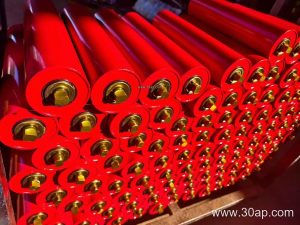
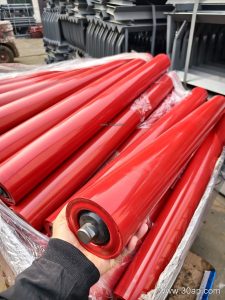
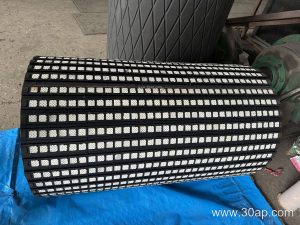
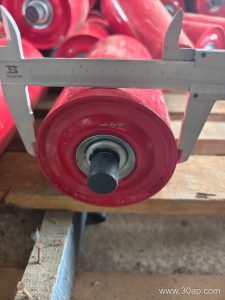
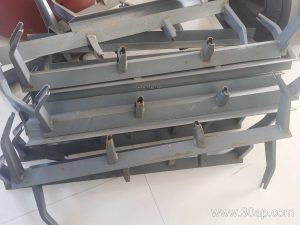
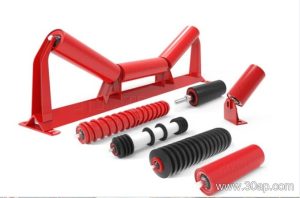
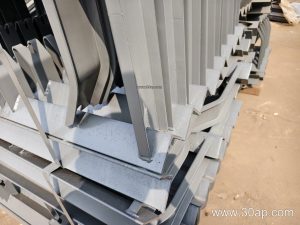
In each case, the belt works with conveyor pulleys (drive, tail, and bend pulleys), idler rollers, and conveyor brackets to form a complete handling system. The belt itself is the flexible carrying component; its performance depends on proper support from idlers and pulleys.
Selection and Maintenance Tips
Buyers should consider rock size, impact energy, belt speed, and loading conditions. For primary crushing, a thick top cover and impact-resistant carcass are beneficial. In underground coal mines, verify flame retardant and anti-static properties. For hot materials, specify a heat resistant conveyor belt grade. For oily or chemically exposed environments, oil resistant or acid resistant covers may be needed.
Maintenance includes checking belt tracking, cover wear, splice integrity, and idler rotation. Misaligned belts or seized idlers accelerate edge damage and cover wear. Regular inspection of pulleys and brackets helps prevent belt mistracking. When selecting a rock conveyor belt, request the manufacturer’s data on cover abrasion loss, carcass strength, and recommended minimum pulley diameters for the belt construction.
For more information on conveyor belts, idler rollers, and pulleys, visit our site at https://www.example.com/rock-conveyor-belt or https://www.example.com/conveyor-belt. Our range includes EP conveyor belt, steel cord conveyor belt, and abrasion resistant conveyor belt options for mining and quarry operations.