What an Iron Ore Conveyor Pulley Does
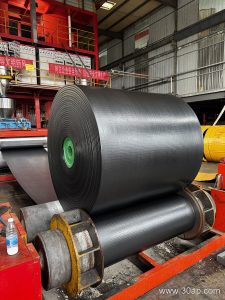
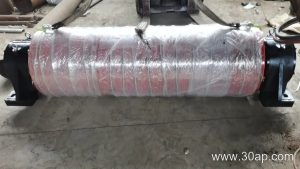
An iron ore conveyor pulley is the cylindrical component that drives, tensions, or redirects the conveyor belt in a bulk material handling system. In iron ore mining and processing, these pulleys must handle abrasive, heavy loads and often work in dusty or wet conditions. The pulley transmits power from the drive unit to the belt through friction, and its design directly affects belt tracking, wear life, and system reliability.
While the term often brings to mind the drive pulley at the head of the conveyor, iron ore operations also rely on tail pulleys, bend pulleys, and take-up pulleys, each with a distinct role. This article focuses on the general category of iron ore conveyor pulleys, covering construction, applications, and selection factors. For operators in iron ore mines, ports, and steel plants, understanding these components helps reduce downtime and maintain efficient material flow.
Construction and Key Components
A typical iron ore conveyor pulley consists of a cylindrical shell, end discs, a shaft, and bearing housings. The shell is often made from rolled steel and may be machined for balance. Shafts are sized according to torque and load, with common diameters ranging from Ø50 to Ø200 mm or more, depending on the application. Bearings are selected for radial and axial loads, and locking assemblies or keyways secure the hub to the shaft.
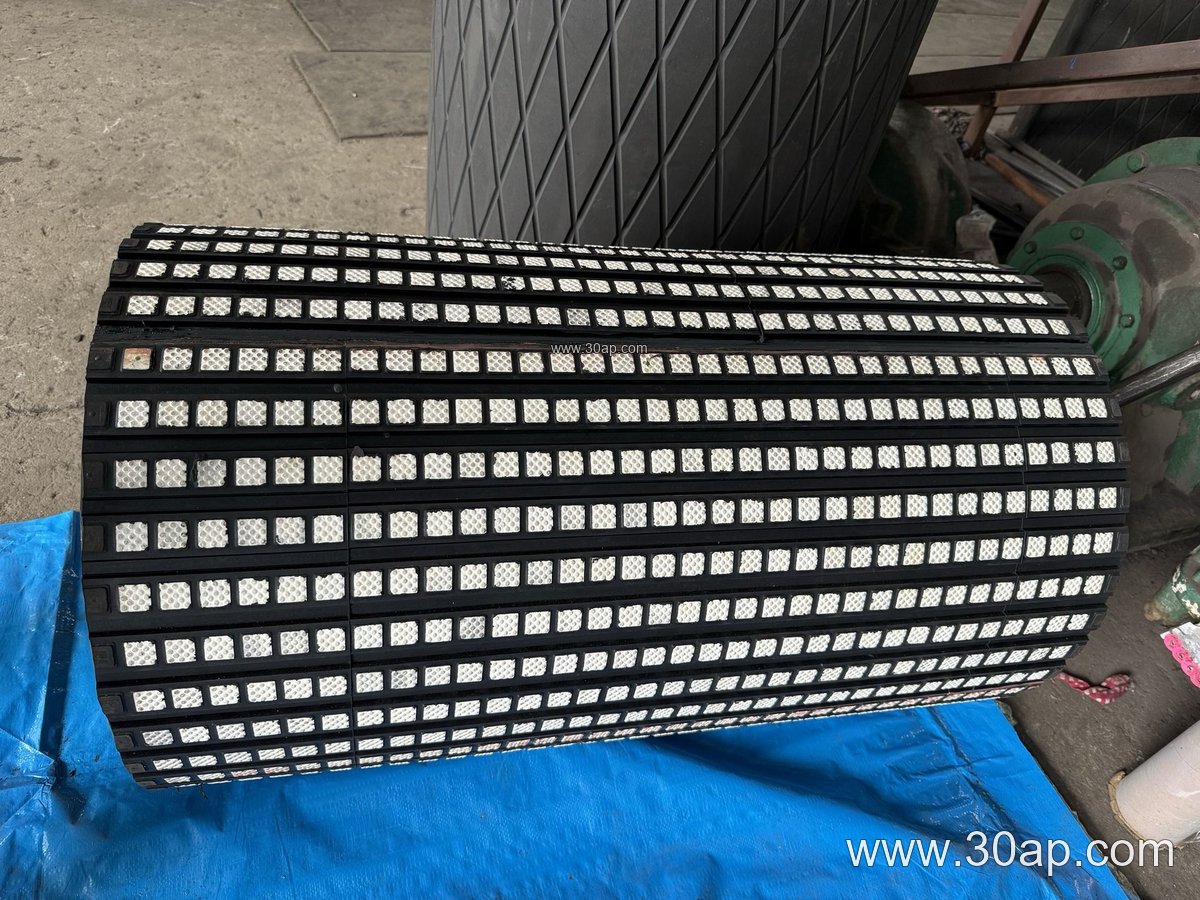
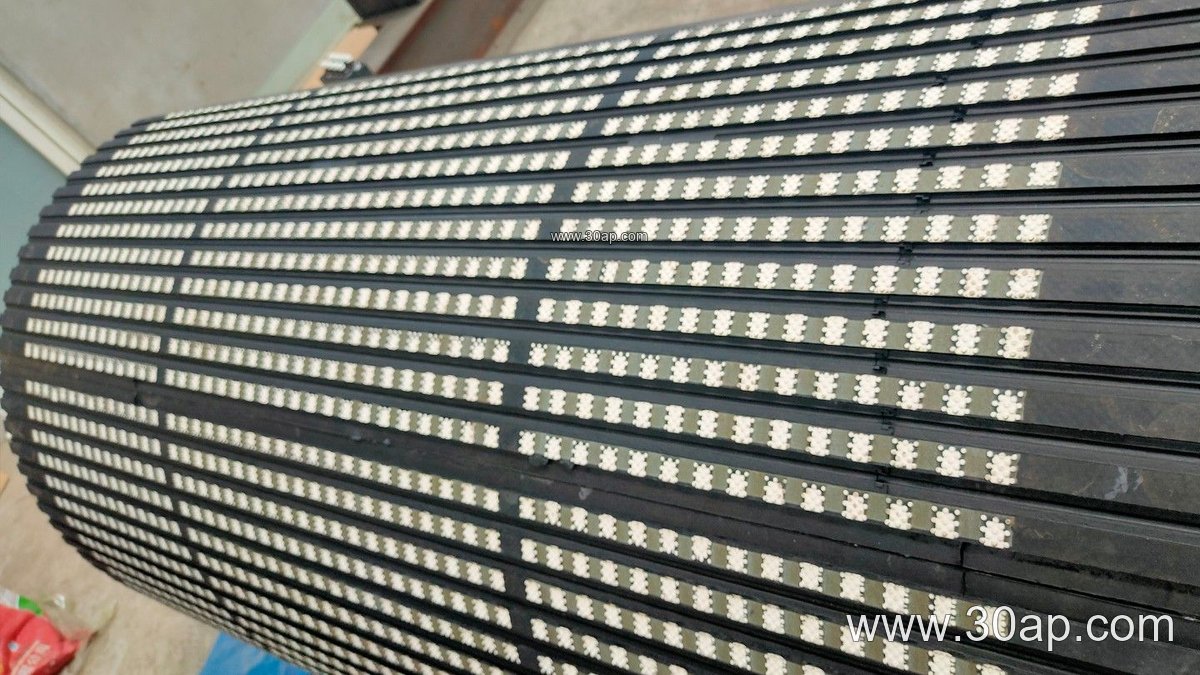
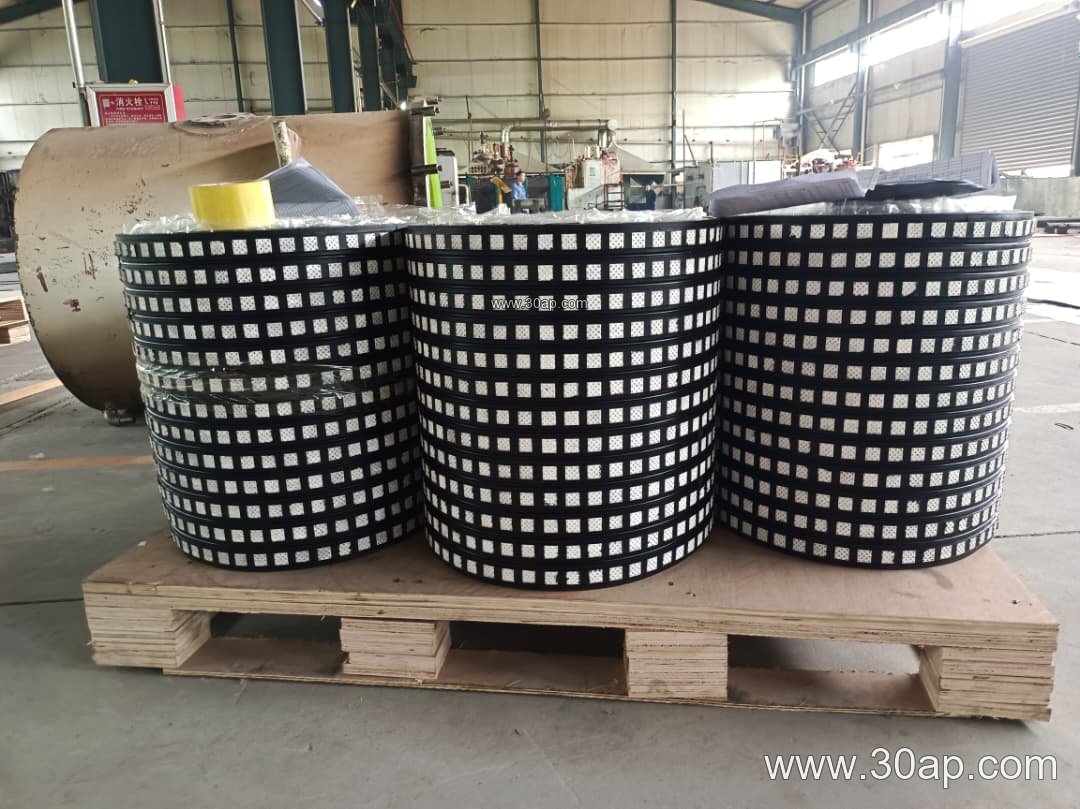
Surface treatment is critical in iron ore service. Pulleys may be supplied with plain finish, rubber lagging, or ceramic lagging. Lagging improves friction between the pulley and the conveyor belt, reducing slip and enhancing drive efficiency. Common lagging thicknesses are 8, 10, 12, 15, and 20 mm, with patterns such as diamond or herringbone for better traction and water drainage. The pulley face width usually exceeds the belt width to ensure full support; for example, a B1200 belt might use a pulley face of about 1400 mm, but this is a general reference and actual dimensions are determined by design.
Where Iron Ore Conveyor Pulleys Are Used
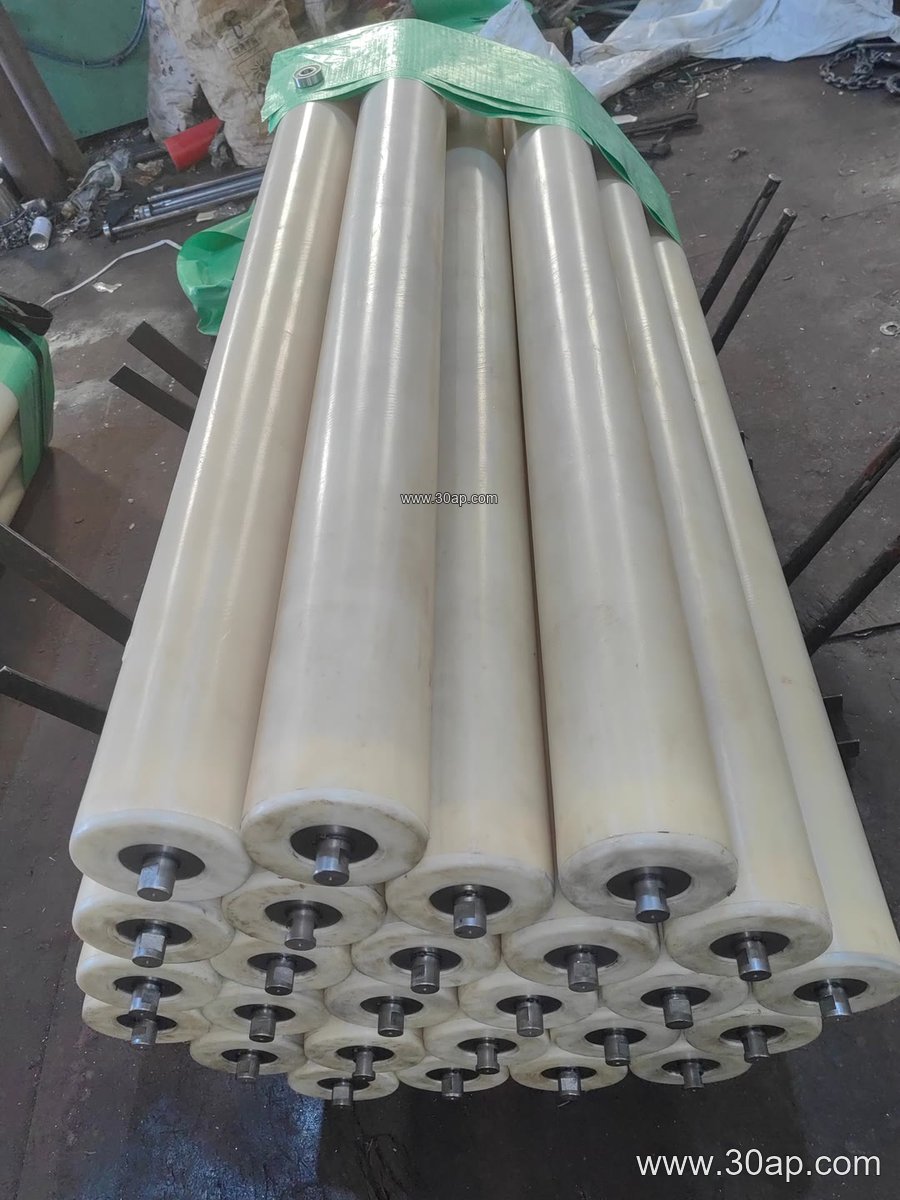
These pulleys are found throughout iron ore handling circuits. In a typical iron ore mine, a drive pulley at the head end powers the main haulage conveyor, while tail and bend pulleys route the belt through transfers and stockpiles. At port terminals, ship loading conveyors use large pulleys to handle high capacities. Steel plants and sintering facilities also employ iron ore conveyor pulleys to move raw materials and finished products.
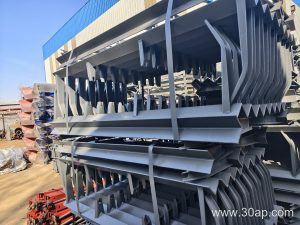
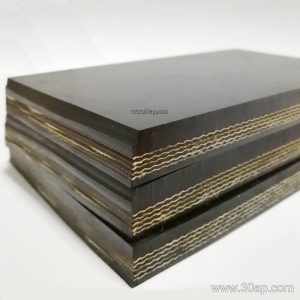
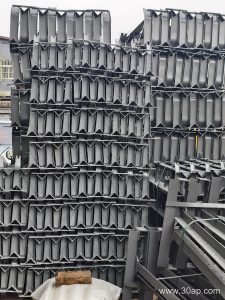
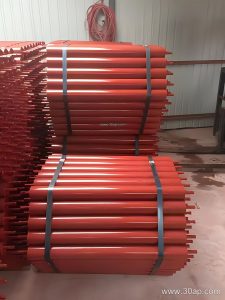
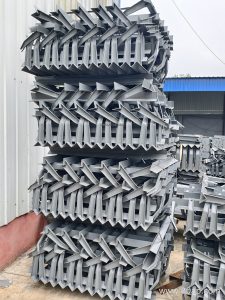
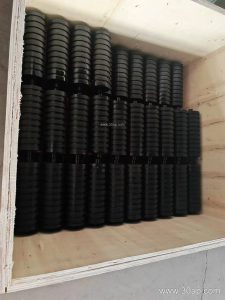
Because iron ore is highly abrasive, pulleys often work alongside abrasion resistant conveyor belts and heavy-duty idler rollers. The pulley itself must resist wear from the belt and from stray material. In some cases, a conveyor pulley with ceramic lagging is chosen to extend service life in wet, muddy conditions. The surrounding structure, including conveyor brackets and frames, must be robust enough to support the pulley and its loads.
Selection and Sizing Considerations
Choosing the right iron ore conveyor pulley involves more than matching belt width. Engineers consider belt tension, speed, load, and environmental factors. The pulley diameter affects belt life: a larger diameter reduces bending stress in the belt, which is especially important for high-tension belts such as steel cord conveyor belts. However, space constraints and cost may limit diameter. Common diameters include Ø200, Ø250, Ø315, Ø400, Ø500, Ø630, Ø800, Ø1000, and larger, but no single size is mandatory for a given belt width.
Belt width itself is a starting point. Standard widths like B800, B1000, B1200, B1400, and B1600 are common in iron ore operations. The pulley face width typically exceeds the belt width by 100 to 200 mm. For instance, a B1000 belt might use a pulley face of about 1150 mm, while a B1400 belt might use about 1600 mm. These are reference values, not fixed rules. Shaft diameter is determined by torque and load calculations, not simply by belt width. A buyer should provide the belt width, belt type, maximum tension, and pulley location to the supplier for proper sizing.
Maintenance and Buyer Checklist
Regular inspection of iron ore conveyor pulleys helps prevent unplanned stoppages. Check lagging for wear or glazing, monitor bearing temperature and noise, and verify that the pulley is aligned with the belt. In abrasive environments, lagging may need replacement periodically. Keeping the conveyor belt properly tensioned and the idler rollers turning freely reduces load on the pulley.
When purchasing, specify the pulley type (drive, tail, bend, take-up), belt width, pulley diameter, face width, shaft diameter, lagging type and thickness, and bearing type. Also mention the operating environment—dust, moisture, temperature—and any special requirements such as flame retardant or anti-static properties for the belt system. While the pulley itself is not typically flame retardant, it must be compatible with the selected conveyor belt, whether that is an EP conveyor belt, a steel cord belt, or a flame retardant conveyor belt for underground coal mining. For iron ore, abrasion resistance is usually the primary concern, so a high abrasion resistant conveyor belt paired with a lagged pulley is a common combination.
Finally, buyers should request dimensional drawings and material certificates where available, and confirm that the pulley meets the required load ratings. Avoid assuming that one belt width dictates a single pulley diameter; instead, rely on engineering calculations and the supplier’s recommendations.