What the Parallel Idler Bracket Does on a Conveyor
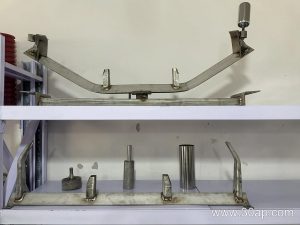
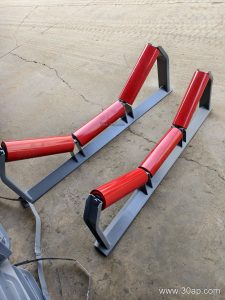
The parallel idler bracket is the support element that holds the centre idler or a set of idlers level with the conveyor frame, keeping the belt line flat in the carry or return run. In a troughing arrangement, it usually sits as the middle station between two angled side brackets, so the belt centre stays supported while the wings lift the edges into a trough. It is also used on the return side, where flat support is preferred over a V-shaped station. Whether the site is a limestone quarry in the morning shift or a coal preparation plant running three shifts, this conveyor bracket is chosen for straight, stable support rather than edge lifting.
Construction and Mounting Details
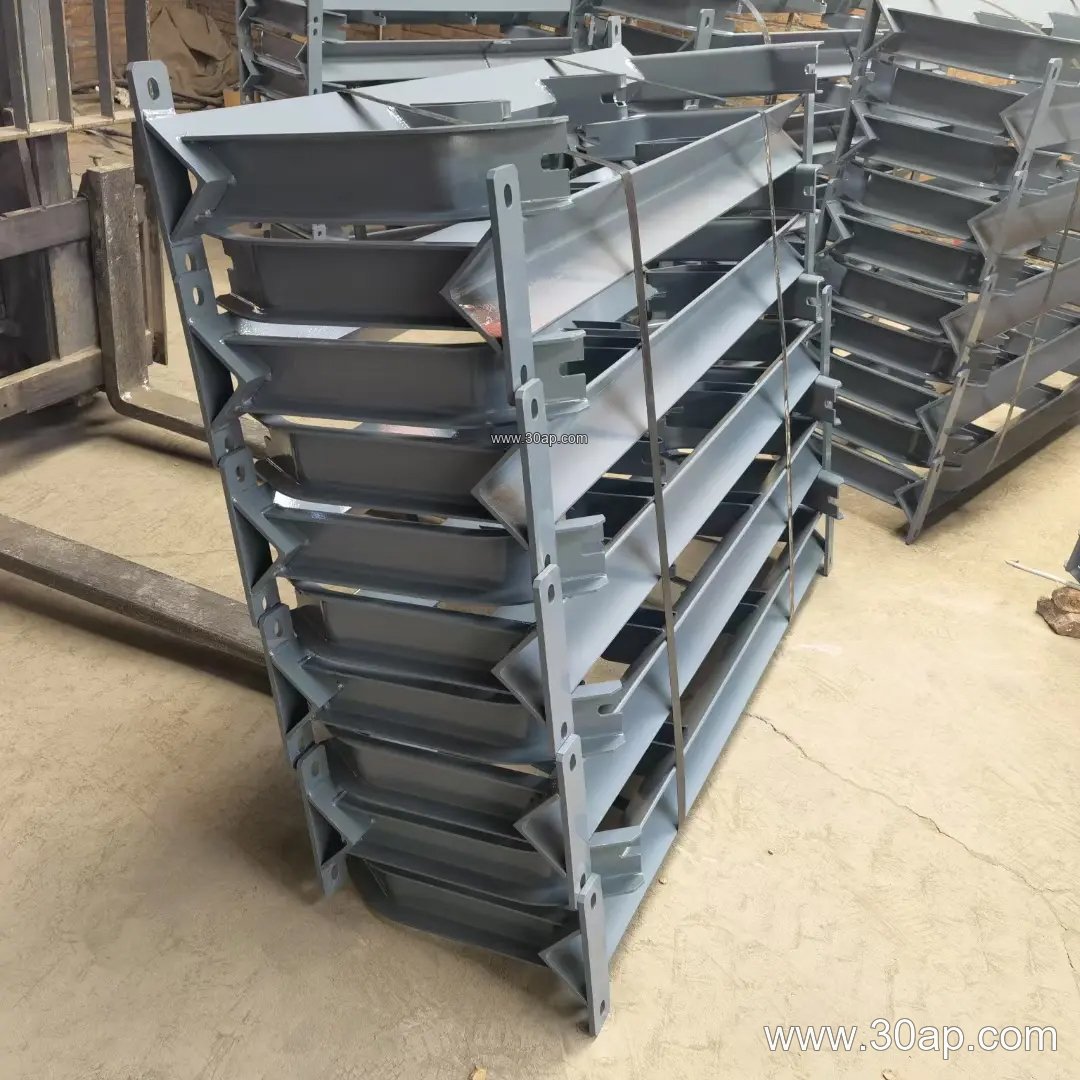
Most parallel idler brackets are fabricated from angle steel, channel steel or folded plate, with punched or slotted mounting holes sized to the frame width. The bracket body carries a shaft seat or hook that accepts the idler roller end, and it is bolted to the longitudinal beam. Because the bracket is not tilted, the idler axis stays horizontal and the belt runs on a flat plane.
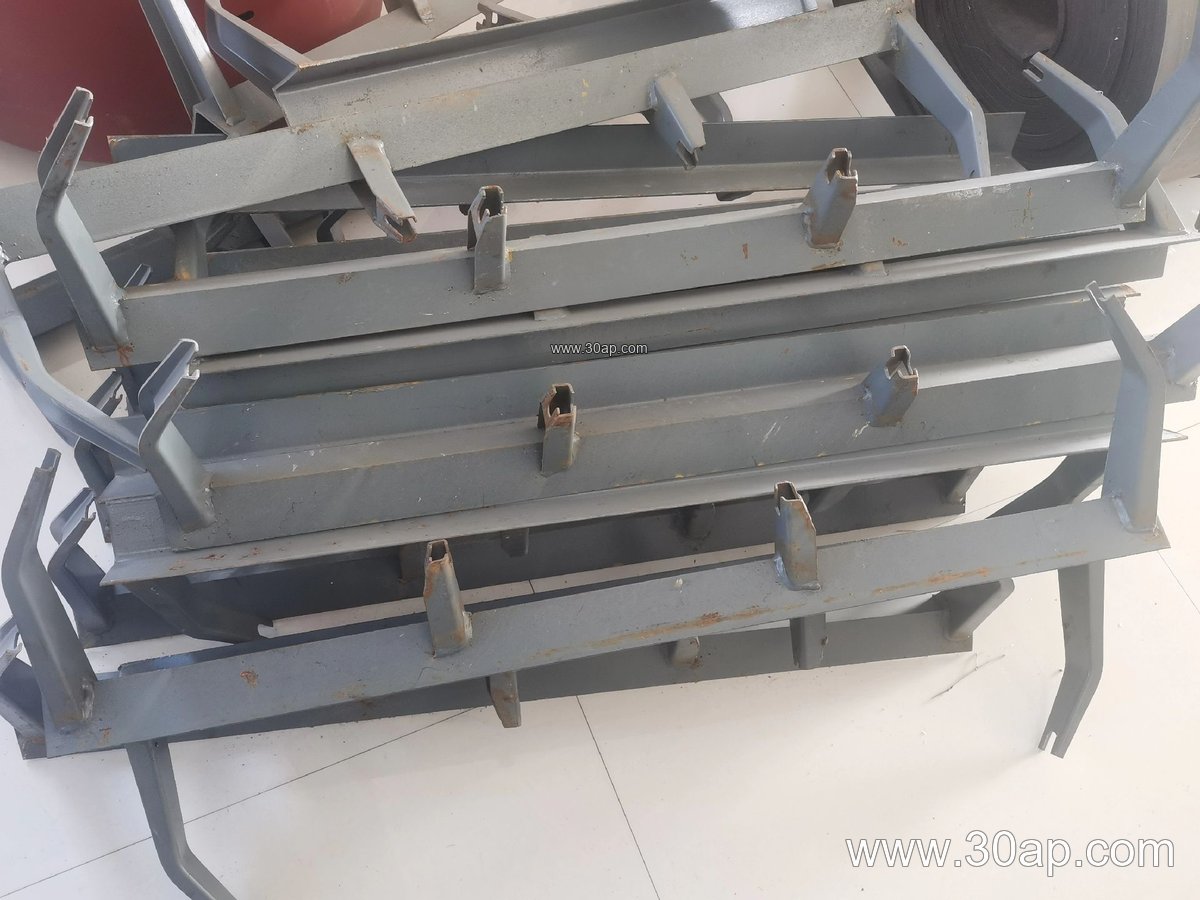
The term parallel idler bracket is also used for the flat carry bracket and the lower flat support bracket, which are the same product in different positions on the conveyor. When a designer needs a slight side lift instead, the comparison is usually with a V-return bracket or a troughing bracket, not with a parallel bracket, since these serve different functions.
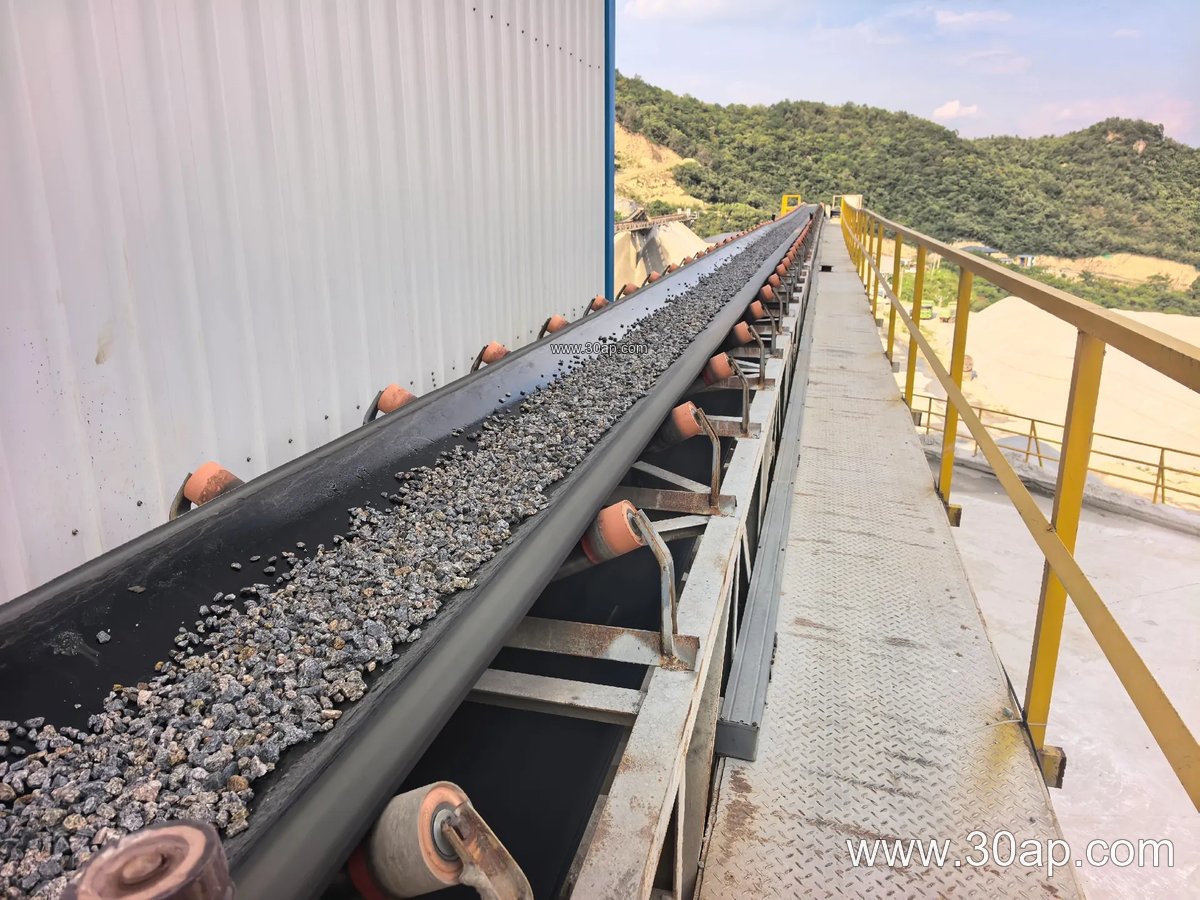
- Material: angle steel, channel steel, folded steel plate
- Mounting: bolted to frame, slotted holes for adjustment
- Typical duty: flat carry support, lower return support
Where It Fits in Bulk Handling Lines
The bracket appears across many bulk lines, from a crusher discharge conveyor at a stone crushing plant to a port ship loading system. On a heavy-duty mining conveyor belt handling iron ore, the parallel bracket often works together with a steel cord conveyor belt and matched conveyor pulley to keep the load centred. In a cement plant, a heat resistant conveyor belt may run over the same style of bracket near the kiln area, while a flame retardant conveyor belt is common in underground coal mining conveyors where fire safety matters.
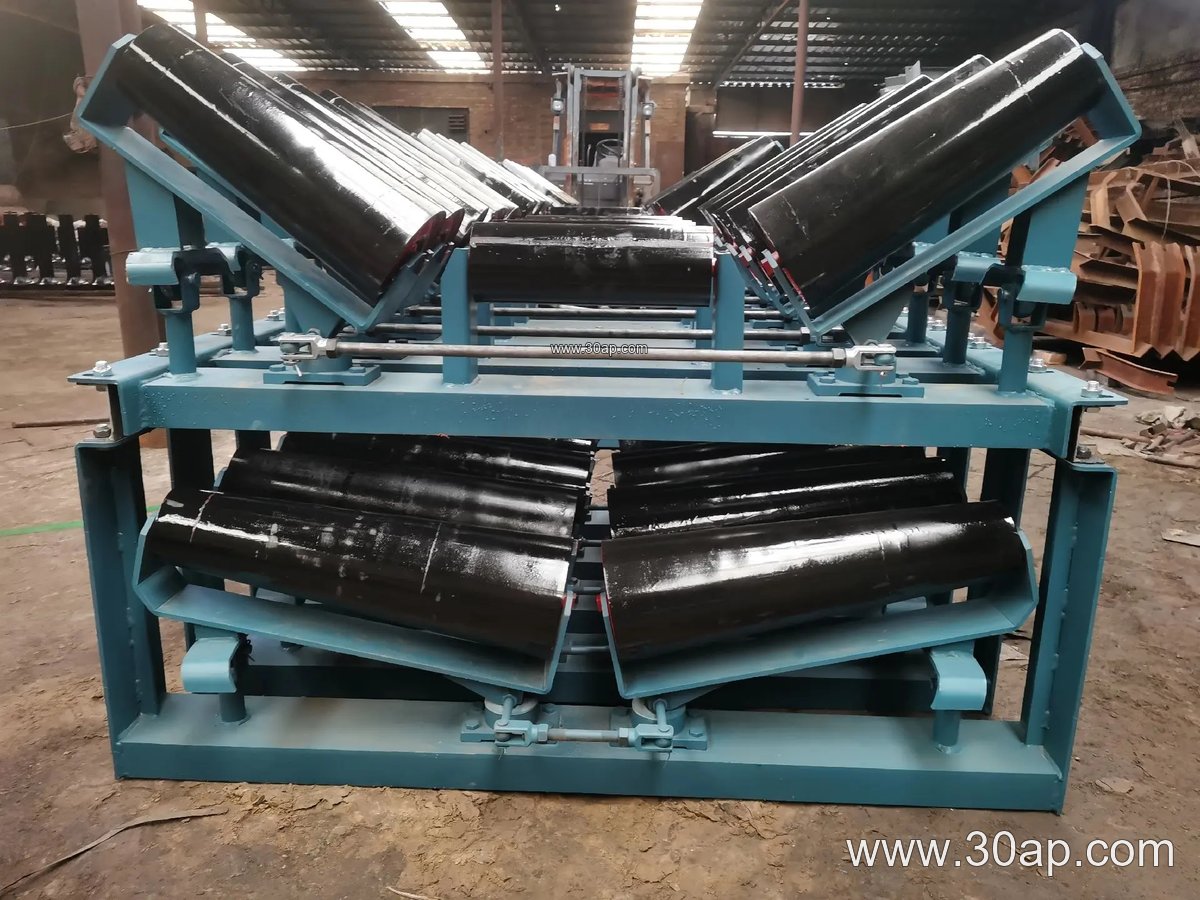
Because the bracket is a passive support, its job is to keep the belt profile consistent, which in turn protects the belt edges and reduces spillage. When the belt is an EP conveyor belt or a multi-ply fabric core conveyor belt, flat support in the loading zone helps distribute impact, especially when paired with impact idlers on a cushion bracket.
Matching Bracket, Belt Width and Idler Diameter
There is no single bracket size for every line. Belt width, trough angle and idler diameter are selected together, and the bracket mounting hole spacing and crossbeam length follow the design. A B800 line may run a 35 degree trough with Ø108 idlers, while a B1200 line might use 45 degree troughing with Ø133 idlers. On a wide overland system, a B1800 or B2000 belt may call for Ø159 or Ø194 idlers and a heavier bracket section.
| Belt width | Trough angle | Idler diameter |
|---|---|---|
| B500 | 20 to 30 degrees | Ø89 |
| B650 | 30 degrees | Ø89 to Ø108 |
| B800 | 35 degrees | Ø108 |
| B1000 | 35 to 45 degrees | Ø108 to Ø133 |
| B1200 | 45 degrees | Ø133 |
| B1400 | 35 to 45 degrees | Ø133 to Ø159 |
| B1600 | 35 to 45 degrees | Ø159 |
| B1800 to B2200 | 35 to 45 degrees | Ø159 to Ø194 |
These combinations are common references, not fixed pairings. A wider belt does not force one trough angle, and belt width alone does not determine shaft diameter; the load, idler spacing and frame design decide that. Adjustable brackets allow the trough angle to be set between 20 and 45 degrees on site, which is useful when a plant changes its material or belt specification.
Buyer Checklist
Before ordering, confirm the frame beam spacing, the mounting hole pattern and the idler shaft end type. Check whether the bracket is fixed or adjustable, and whether it is for the carry side or the return side. For dusty or wet service, consider galvanised or painted finish. On a quarry conveyor belt or aggregate conveyor belt line, ask for a bracket section that matches the impact and load of the largest lump size. For a food grade conveyor belt or a pipe conveyor belt installation, the bracket must suit the specific frame geometry rather than a standard flat layout.
Finally, keep a small stock of spare parallel idler brackets, since a bent or corroded bracket can misalign the belt and wear the conveyor belt edge long before the idler itself fails. Correct selection, regular bolt checks and clean mounting surfaces keep the whole support station working as designed.