What a Heavy-Duty Conveyor Belt Is Built For
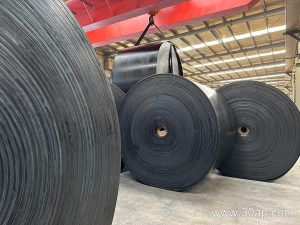
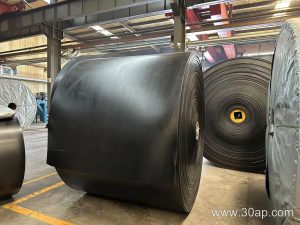
A heavy-duty conveyor belt is the load-carrying element of a bulk handling system where tonnage, lump size, abrasion, and continuous runtime are all demanding. Unlike a light general-purpose belt, this class of belt is designed around thicker covers, stronger carcass construction, and splices that can survive shock loading at transfer points. In a quarry, a cement plant, or a coal preparation facility, the belt is often the component that sets the maintenance interval for the whole conveyor line.
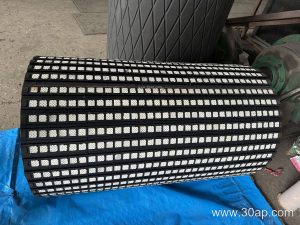
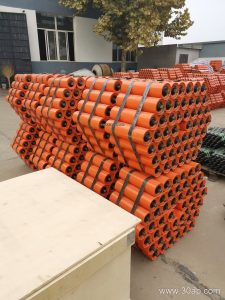
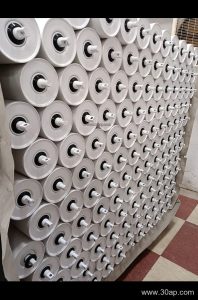
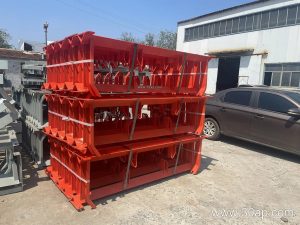
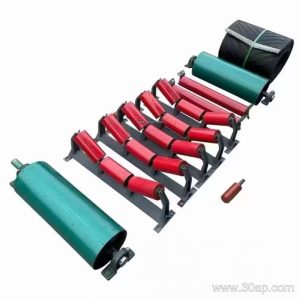
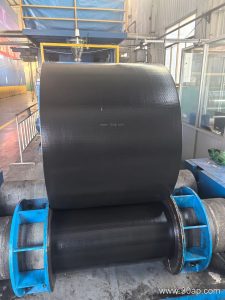
The surrounding hardware matters just as much. Drive pulleys transmit the tension, tail pulleys return the belt, and bend pulleys guide it through take-up sections; these are separate components and are not interchangeable in either function or specification. Idler rollers support the carrying and return strands, while conveyor brackets hold the idler frames in alignment. A well-matched heavy-duty belt works with these parts rather than against them.
Construction and Carcass Options
The carcass determines tensile strength and fatigue resistance. Fabric-reinforced belts are common in mine and plant conveyors, with EP (polyester-nylon) and NN (nylon-nylon) constructions being the usual choices. EP Conveyor Belt grades such as EP200, EP400, EP630, EP1000, and EP1250 appear frequently in medium to heavy service, while a Multi-Ply Fabric Core Conveyor Belt gives predictable strength through several woven plies. For long overland lines and high tonnage, a Steel Cord Conveyor Belt with grades like ST1000, ST1600, ST2000, or ST2500 offers high strength with low stretch.
Cover compound is selected for the duty, not for appearance. Abrasion Resistant Conveyor Belt covers suit crushed stone and ore; Heat Resistant Conveyor Belt covers serve clinker and sinter; Flame Retardant Conveyor Belt and Anti-Static Conveyor Belt grades are typical for underground coal mining conveyors. Oil Resistant Conveyor Belt and Cold Resistant Conveyor Belt compounds cover other specific conditions. PVG Conveyor Belt, including PVG800S, is widely used in underground coal service where fire resistance is required.
Common Reference Data
The values below are typical reference points only. Final construction is confirmed by design for each conveyor.
- Belt widths: B500, B650, B800, B1000, B1200, B1400, B1600, B1800, B2000
- Cover thickness examples: 3+1.5 mm, 4+2 mm, 5+2 mm, 6+2 mm, 8+3 mm
- Fabric plies: commonly 2 to 6 layers
- EP strength grades: EP200, EP315, EP400, EP500, EP630, EP800, EP1000, EP1250, EP1600, EP2000
- Steel cord grades: ST1000, ST1250, ST1600, ST2000, ST2500, ST3150
Width and pulley diameter are matched by conveyor design, not by a fixed rule; a 1200mm belt may run on different pulley sizes depending on tension and wrap angle.
Where These Belts Work
Mining Conveyor Belt duty covers primary crushing discharge, ore transport, and underground coal mining conveyor systems. In cement plants, belts move limestone, clinker, and additives across long distances and steep inclines. Power plant conveyors handle coal and ash, while port and ship loading conveyors need high strength and good troughability at wide widths. Sand and aggregate operations rely on Abrasion Resistant Conveyor Belt covers to handle sharp, dry material.
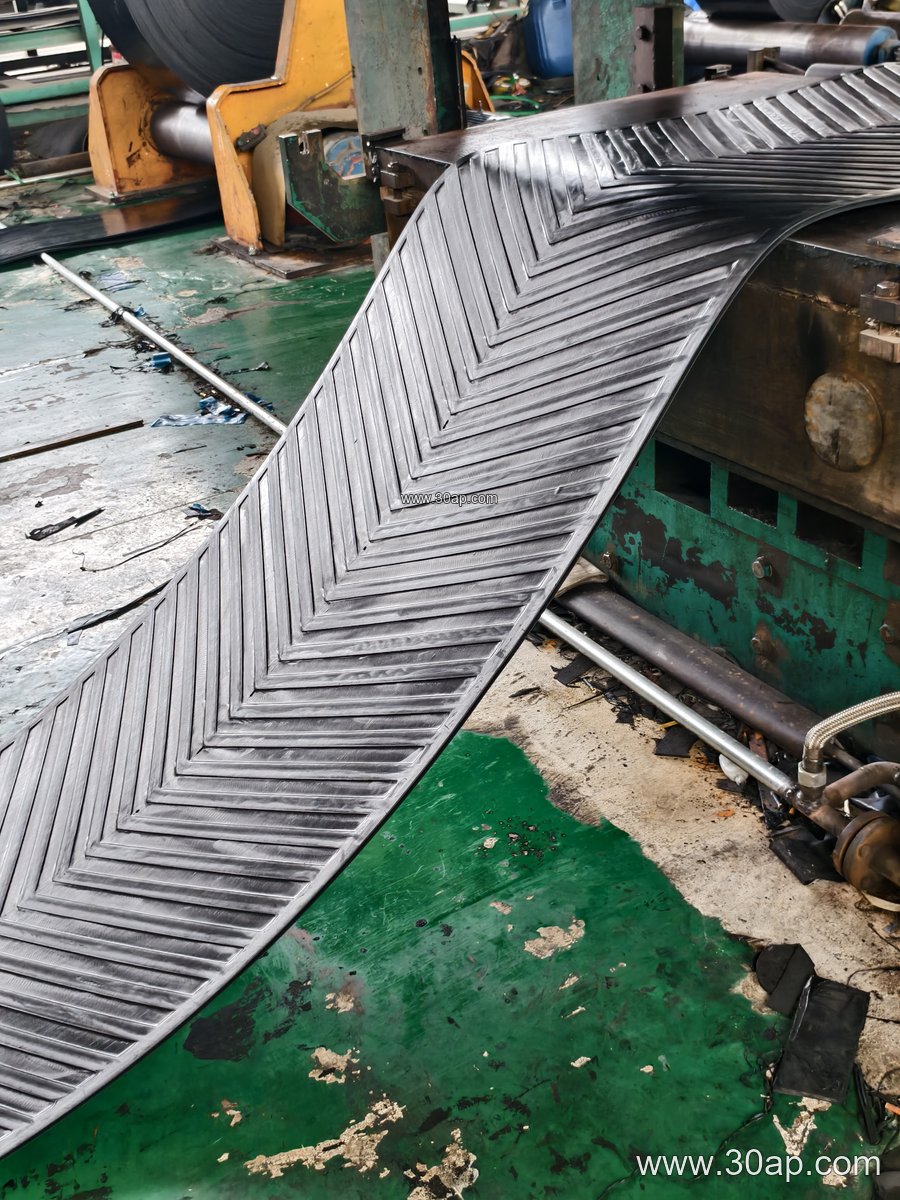
Special profiles solve specific problems. A Chevron Conveyor Belt or Corrugated Sidewall Conveyor Belt handles inclined sections where material would otherwise slide back. A Skirted Conveyor Belt contains material at loading points, and a Pipe Conveyor Belt encloses the load for dust control and route flexibility.
Buyer Checklist
Before ordering, confirm the material type, lump size, density, moisture, and temperature range. State the conveyor capacity, belt speed, incline angle, and the drive, tail, and bend pulley arrangement so the splice and tension rating suit the installation. Check whether the application needs a Flame Retardant Conveyor Belt, an Anti-Static Conveyor Belt, or a Food Grade Conveyor Belt compound. Ask for the cover grade, carcass type, number of plies, and full thickness in the quotation.
Plan for maintenance as well. Keep idler rollers turning freely, inspect pulley lagging, and check that conveyor brackets and frames stay square. A heavy-duty belt lasts longer when the structure around it is kept in good order. For belt, idler roller, and conveyor pulley enquiries, specify the duty and dimensions clearly so the supplied product matches the conveyor.