What a Conveyor Idler Frame Does on a Belt Line
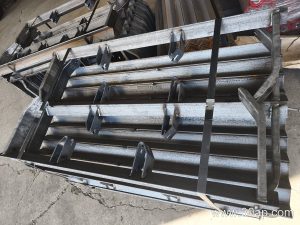
A conveyor idler frame is the structural support that holds idler rollers at the correct position and angle beneath or above a conveyor belt. It is not a single part but a family of brackets and crossbeams that give the belt its trough shape, guide it on the return run, and absorb loading shocks at transfer points. In a quarry, a cement plant, or a power plant coal yard, the frame is usually the least visible component, yet it decides how evenly the belt sits, how freely the rollers turn, and how long the whole conveyor structure lasts.
Frames are typically bolted to the conveyor stringer or to a steel support structure. The frame carries the load of the belt and material, transfers it into the main frame, and keeps each idler roller aligned with its neighbours. A poorly matched frame shows up quickly as belt wander, edge wear, or premature roller failure.
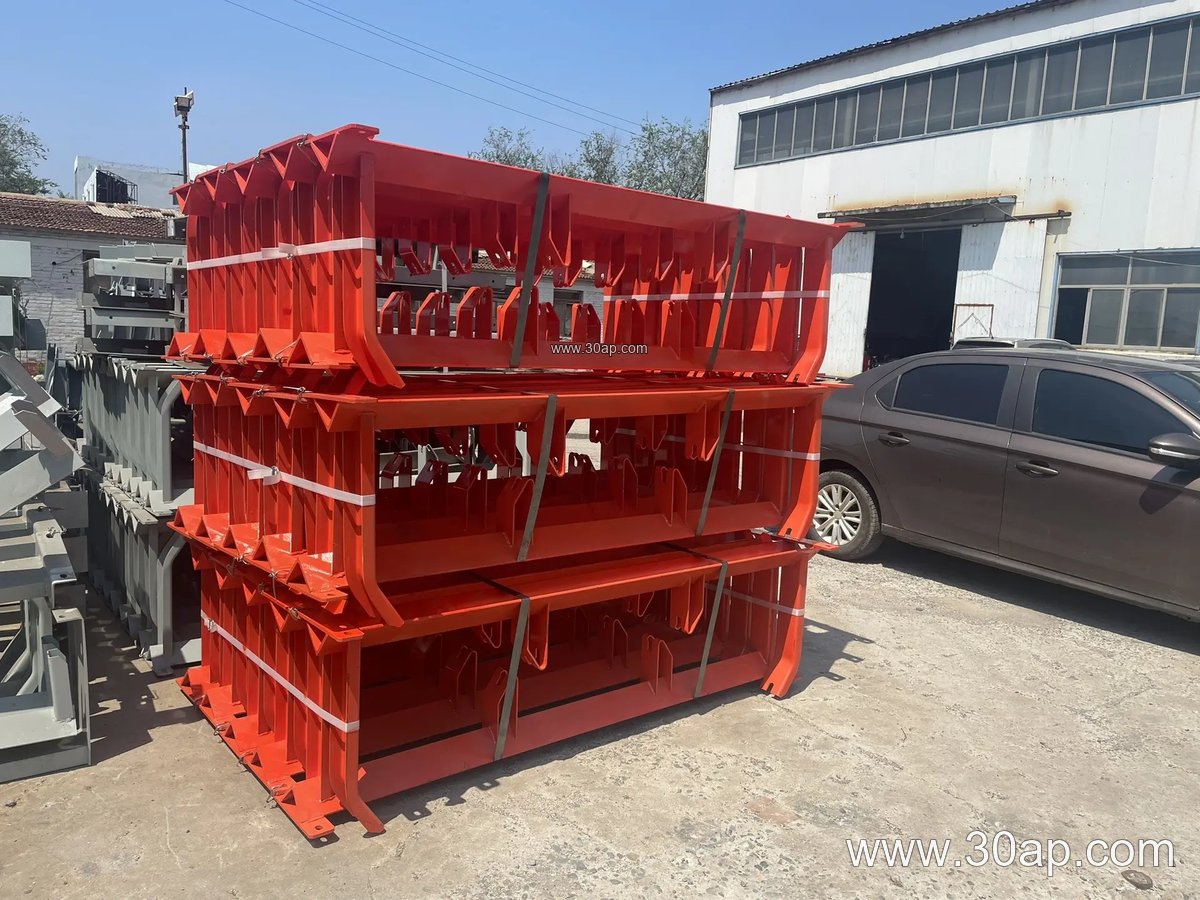
How the Frame Is Built
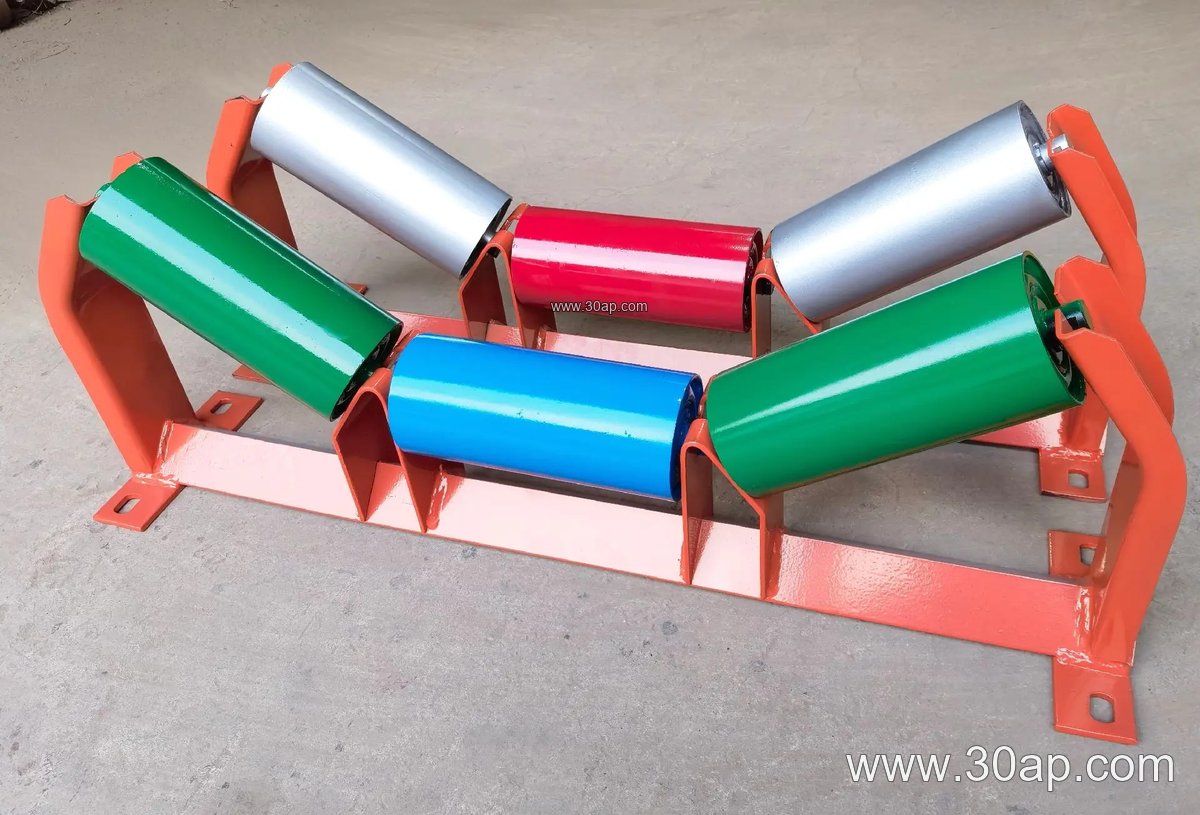
Most frames are fabricated from angle steel, channel steel, or folded steel plate. The crossbeam length, the mounting hole spacing, and the bracket height change with belt width and trough angle, so these are design values rather than fixed numbers. A typical troughing frame carries two or three rollers; a return frame usually carries one flat roller or a pair arranged in a V shape.
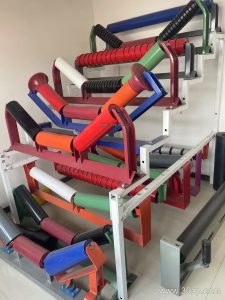
The main structural forms include:
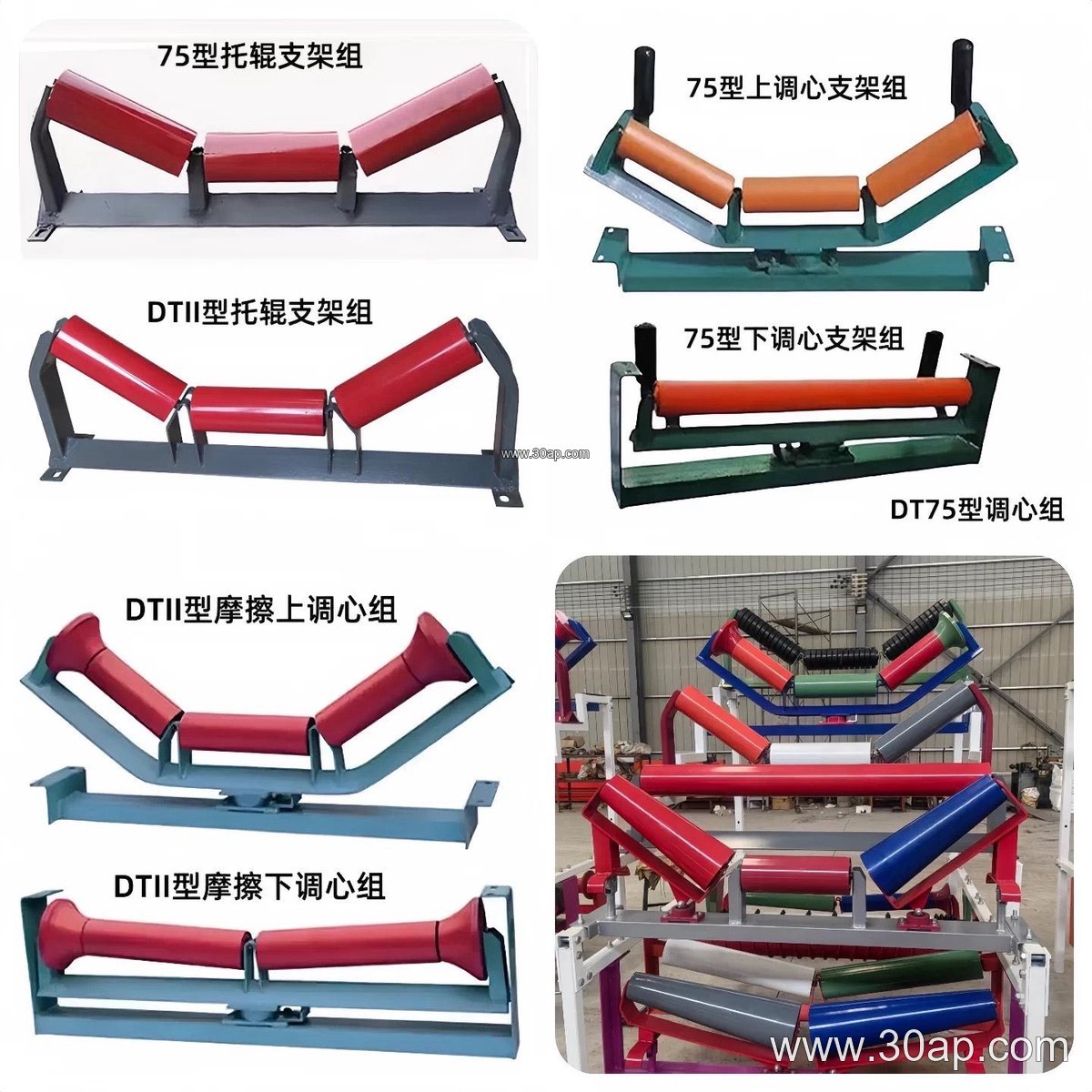
- Troughing frames, including upper trough frames, for the carrying run
- Transition frames near pulleys, where the belt changes from flat to troughed
- Return frames and flat return frames for the empty run
- V-return frames that help centre the belt on the return side
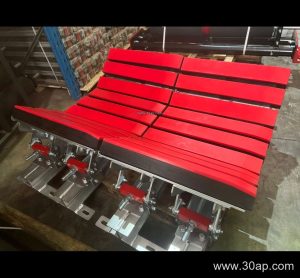
- Impact frames with cushioned rollers under loading points
- Self-aligning frames and forward-leaning frames for belt tracking
- Suspended frames and adjustable frames for special structures
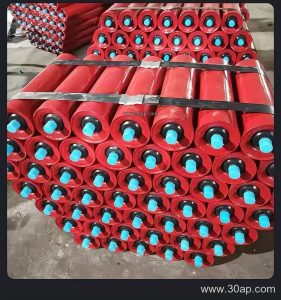
An adjustable frame allows the trough angle to be set between common values such as 20, 30, 35, or 45 degrees. Forward-leaning frames are usually set at roughly 1.5 to 2 degrees to encourage self-centring. The roller diameter is matched to the belt width and load, with common sizes including Ø89, Ø108, Ø133, Ø159, and Ø194.
Matching Frame, Roller, and Belt
Buyers often ask for a frame by belt width alone, but the frame must also suit the roller diameter, the trough angle, and the mounting pattern of the existing structure. A B800 line at 35 degrees with Ø108 rollers is a common combination in aggregate plants, while a B1200 line at 45 degrees with Ø133 rollers may appear in a cement or iron ore application. A B650 line at 30 degrees with Ø89 rollers is typical of smaller sand and gravel conveyors. These are examples, not fixed rules; the same belt width can work with different angles and roller sizes depending on the duty.
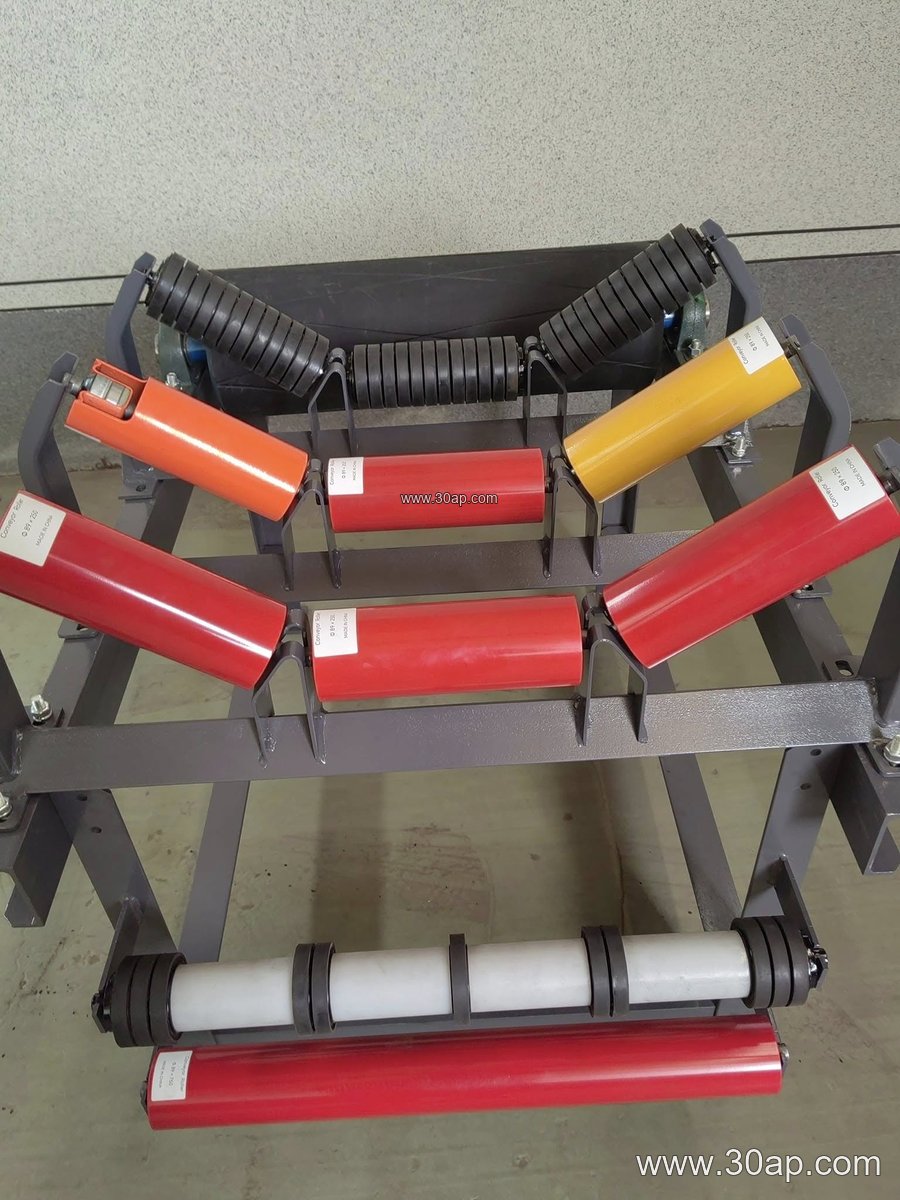
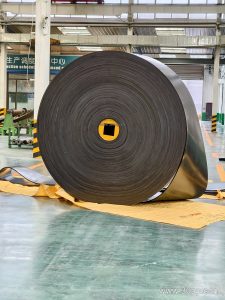
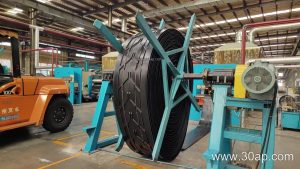
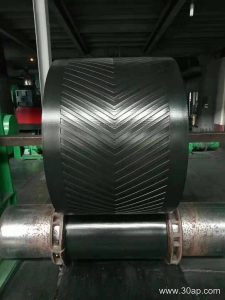
Frame selection should also consider the conveyor belt itself. A heavy steel cord conveyor belt on a long overland route needs frames that hold alignment firmly, while a fabric core conveyor belt on a shorter transfer conveyor may use lighter frames. Where a chevron conveyor belt or a corrugated sidewall conveyor belt runs, the frame and roller arrangement must leave clearance for the cleats or sidewalls. At a crusher discharge, impact frames protect both the belt and the rollers from falling rock.
Where These Frames Are Used
You will find idler frames in almost any bulk handling line. In a limestone quarry or a stone crushing plant, troughing frames carry crushed rock on the main haul conveyor. In a coal washing plant or an underground coal mining conveyor, flame retardant conveyor belts run over frames that must resist dust and moisture. A cement plant uses them on clinker and raw meal conveyors, while a power plant coal yard relies on them across long stockyard belts. Port ship loading conveyors and steel plant sinter lines use the same basic principles with heavier sections.
Frames also appear on pipe conveyor belts, where the roller arrangement forms the belt into a tube, and on food grade or heat resistant conveyor belt lines where the frame material and finish may need extra attention.
What to Check Before Ordering
Confirm the belt width, the required trough angle, the idler roller diameter, and the mounting hole spacing on the existing stringer. Check whether the frame is fixed or adjustable, and whether it is for the carrying run, the return run, or a transition zone. Ask how the frame connects to the conveyor bracket or support structure, and confirm the material and finish suit the environment. For a mining conveyor belt or an abrasion resistant conveyor belt application, specify frames that can take shock and keep alignment under heavy load.
Finally, keep spare frames for the highest-wear positions, such as loading points and transition zones. A small stock of correct frames reduces downtime when a roller seizes or a bracket bends.