What EP630 Conveyor Belt Means in Practice
An EP630 conveyor belt is a multi-ply rubber belt built on a polyester-nylon (EP) carcass with a nominal tensile strength of 630 N/mm. In mining, coal preparation, cement plants, power stations, and sand and gravel yards, this grade sits in the medium-to-heavy duty range. It is often chosen where loads are consistent but not extreme, and where good troughability and impact resistance matter more than raw breaking strength. The same product is also written as EP630 rubber conveyor belt or polyester-nylon 630 belt, and these names describe the same carcass grade.
Carcass, Cover, and Construction Details
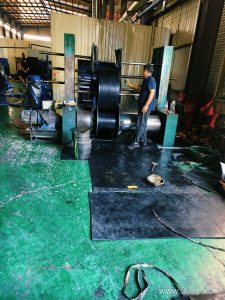
The strength of an EP630 belt comes from its fabric plies. Common constructions use 2 to 6 plies, and the number of plies is selected together with the cover thickness to match the conveyor design. Cover grades are usually quoted as top cover plus bottom cover, for example 4+2 mm, 5+2 mm, 6+2 mm, or 8+3 mm. These values are typical references, not fixed rules, because each manufacturer and each conveyor duty may call for a different combination.
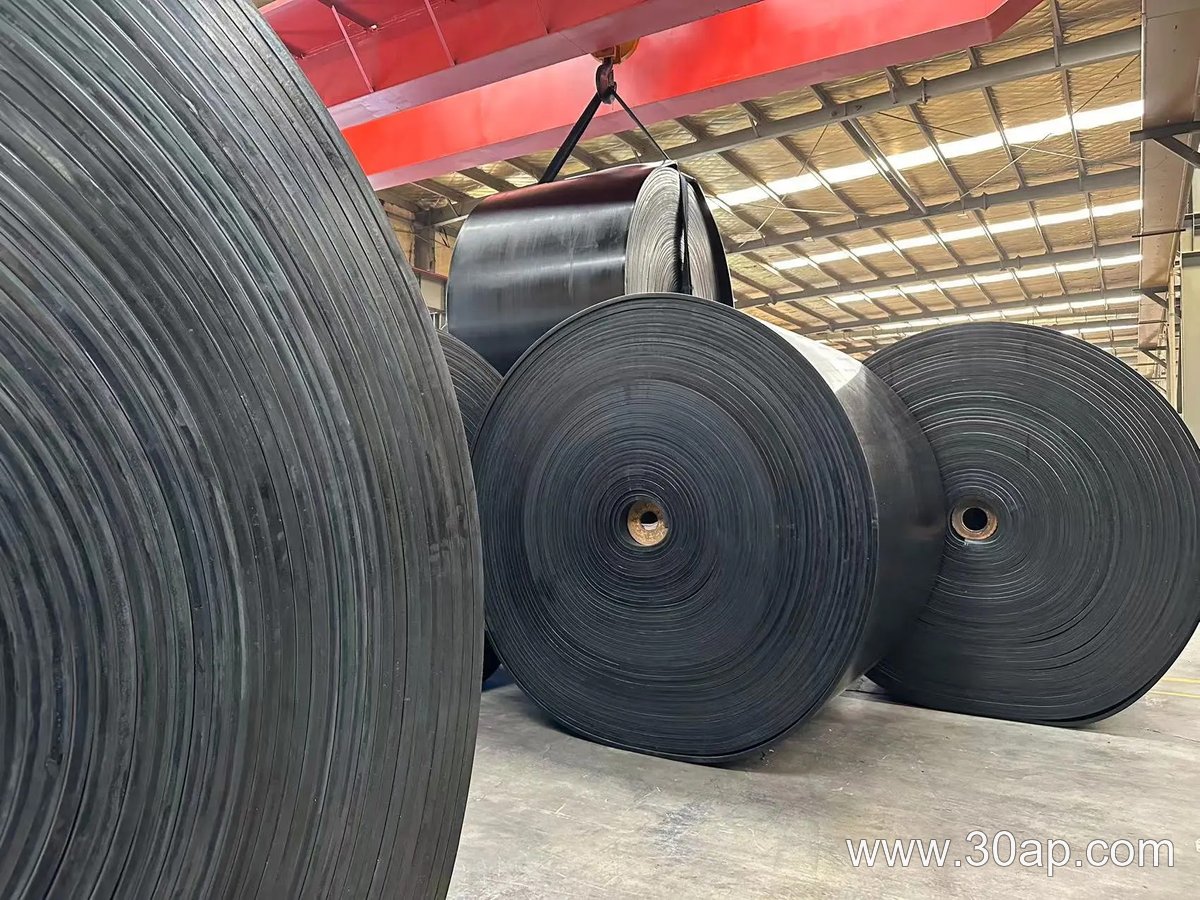
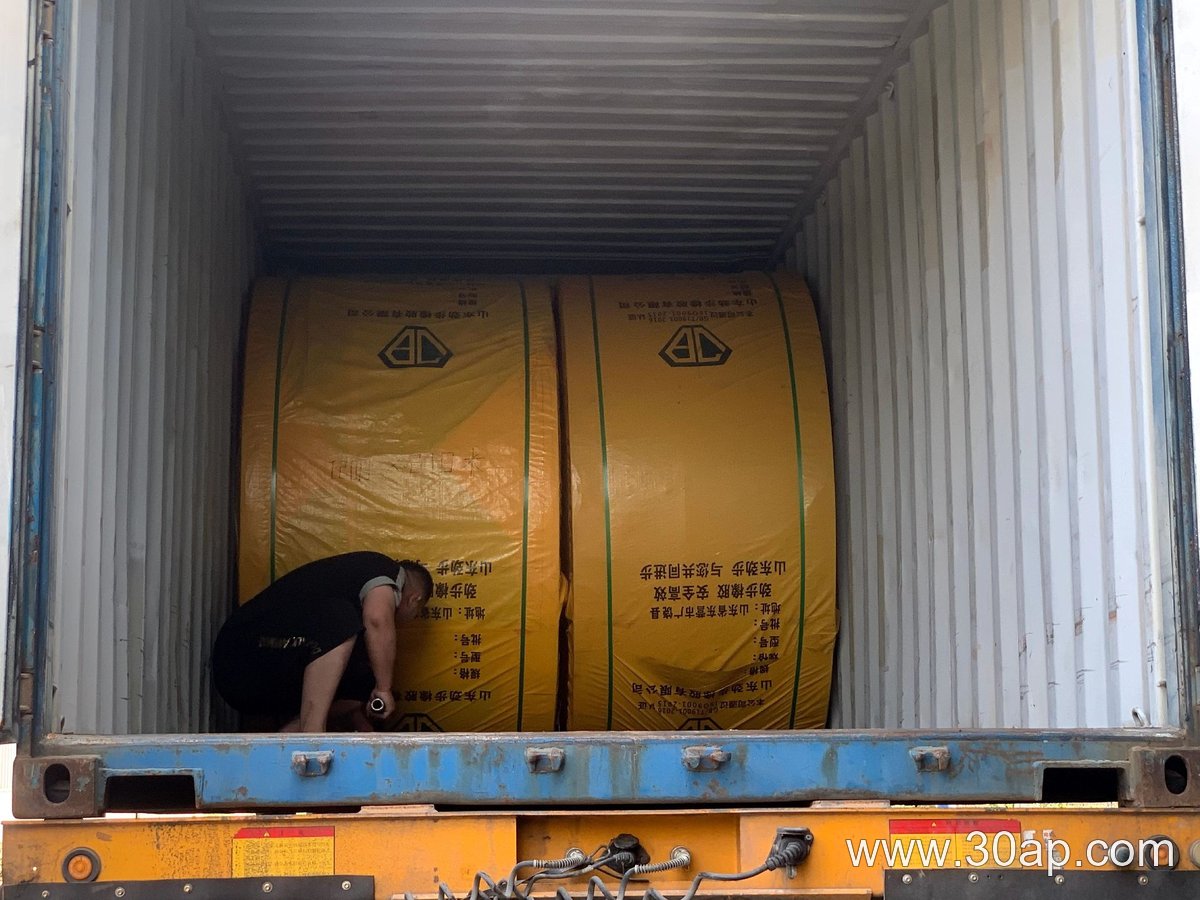
The rubber cover can be formulated for different service conditions: abrasion resistant, heat resistant, oil resistant, flame retardant and antistatic, cold resistant, or acid and alkali resistant. Surface forms such as smooth, patterned, chevron, or corrugated sidewall are also available when the application needs extra grip or material containment. For a standard EP630 belt on a troughing conveyor, a smooth cover with an abrasion-resistant compound is the most common choice.
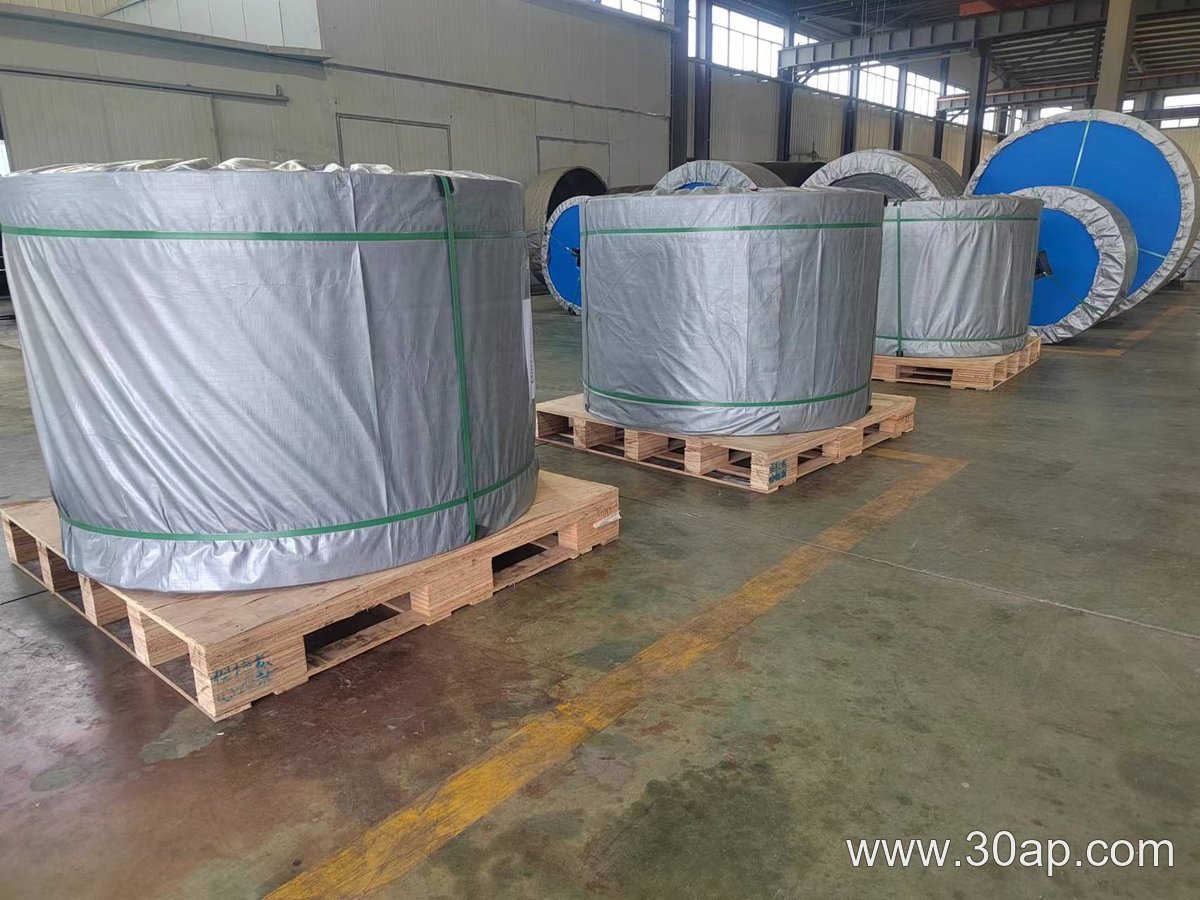
Common EP630 Belt Reference Data
| Item | Typical range or example |
|---|---|
| Belt type | EP630, polyester-nylon carcass |
| Nominal strength | 630 N/mm |
| Belt width | B500, B650, B800, B1000, B1200, B1400, B1600 |
| Cover thickness | 4+2 mm, 5+2 mm, 6+2 mm, 8+3 mm |
| Number of plies | Commonly 2 to 6 |
| Cover properties | Abrasion resistant, heat resistant, oil resistant, flame retardant, antistatic, cold resistant |
Belt width and pulley diameter are separate design decisions. A wider belt does not automatically require one specific pulley size, and shaft diameter is determined by the conveyor designer, not by belt width alone.
Where EP630 Belts Are Used
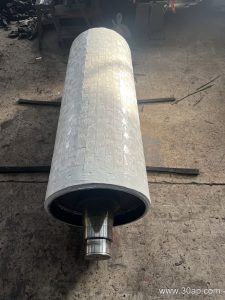
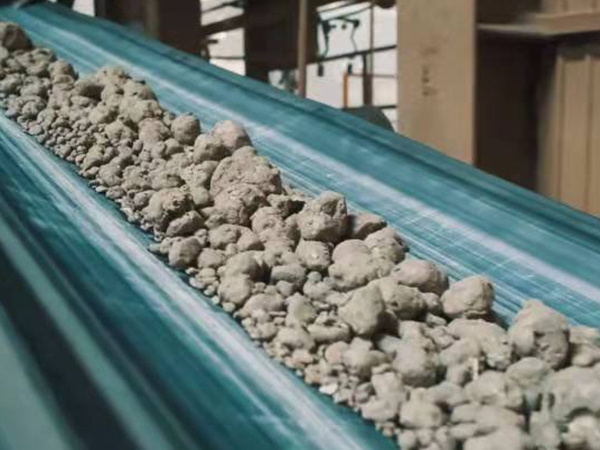
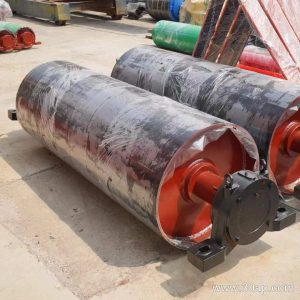
This belt grade is widely used in bulk material handling where the conveyor carries crushed stone, coal, clinker, sand, gravel, or similar materials. Typical installations include primary and secondary crushing lines, stockyard conveyors, cement raw material transport, and power plant coal handling. In these systems, the belt runs over idler rollers, wraps around a drive pulley and a tail pulley, and is supported by conveyor brackets and frames. The drive pulley transmits motion, the tail pulley helps maintain tracking, and bend pulleys may be used to change the belt path. These pulleys are not interchangeable, and each has its own design role.
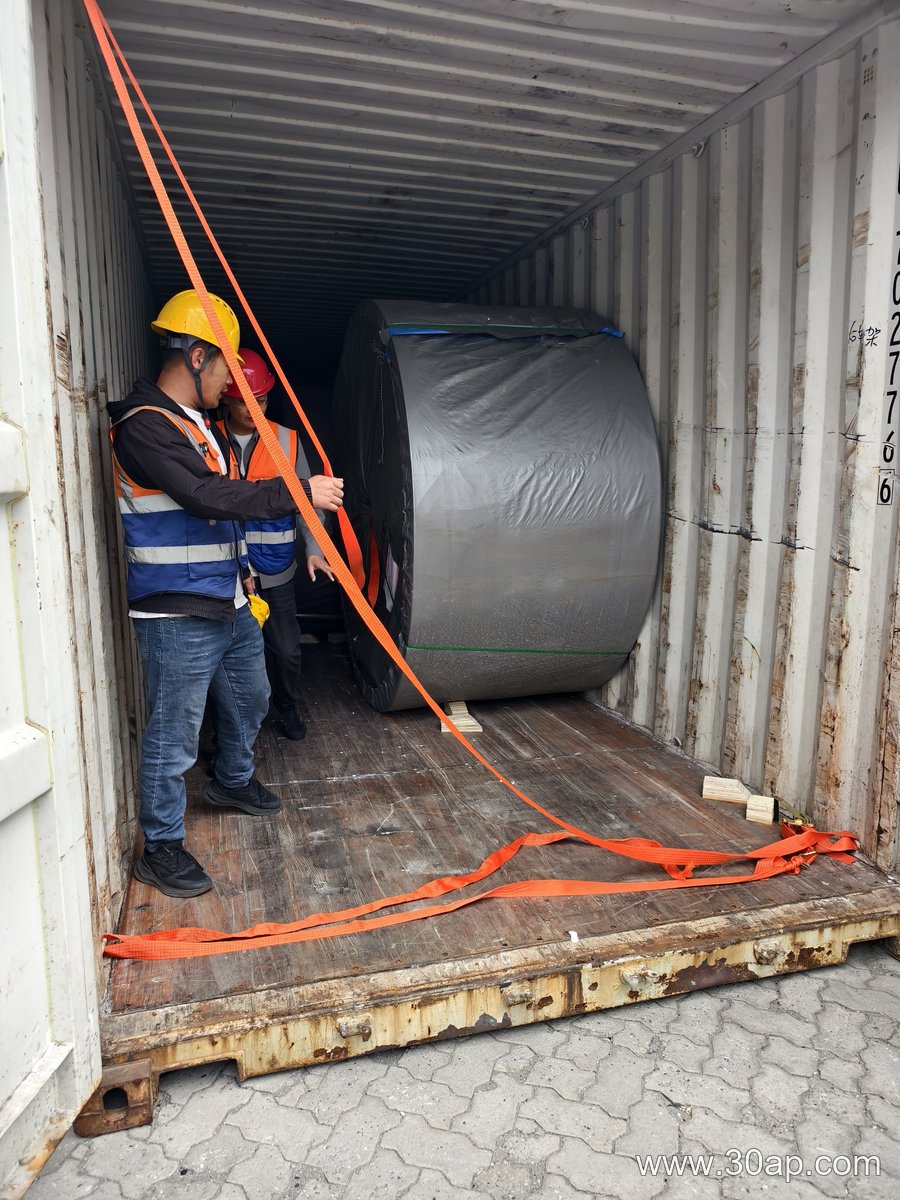
EP630 is also found in smaller quarry and sand and gravel plants where a lighter belt would wear too quickly but a steel cord belt would be unnecessary. For very high tension or very long overland conveyors, a steel cord belt or a higher EP grade such as EP800 or EP1000 may be more suitable. That is a comparison of duty levels, not a replacement for the EP630 grade in its normal range.
Buyer Checklist for EP630 Conveyor Belt
- Confirm the actual belt width, such as B800, B1000, or B1200, and check it against the conveyor frame and pulley face.
- State the material being carried, its lump size, temperature, and whether it is oily, abrasive, or chemically active.
- Specify the cover thickness and grade, for example 6+2 mm abrasion resistant or 5+2 mm flame retardant, based on the working conditions.
- Check the required number of plies and the full belt thickness with the supplier, since EP630 can be built in several carcass configurations.
- Review the pulley diameters and shaft sizes with the conveyor designer. Do not assume a fixed relationship between belt width and pulley diameter.
- Ask about splicing method, edge condition, and whether the belt needs antistatic or fire-resistant properties for the site.
An EP630 conveyor belt is a practical middle-grade solution for many mine, cement, and power plant conveyors. When the carcass, cover, and pulley system are matched to the actual duty, it can deliver reliable service without over-specifying the belt or under-protecting the conveyor.