What a High Impact Resistant Idler Does
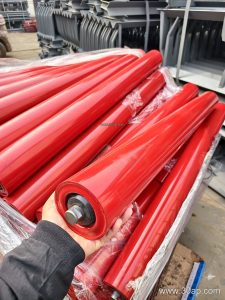
A high impact resistant idler is a conveyor idler roller designed to absorb the shock of heavy, lumpy material falling onto the belt at transfer points. Instead of transmitting that energy directly into the frame and bearings, the idler uses a cushioned roll surface and a reinforced structure to spread the load. This makes it a practical choice wherever conveyor belts receive primary or secondary crusher discharge, where rock, ore, or clinker drops from a height. You will also see it referred to as an impact idler or shock-absorbing idler, but the function stays the same: protect the belt and the idler frame from repeated heavy hits.
How the Impact Idler Is Built
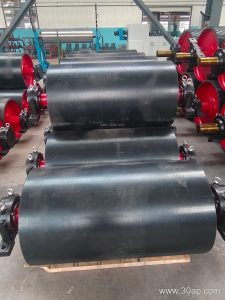
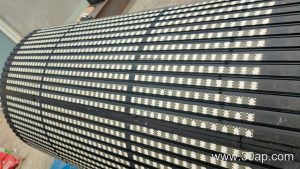
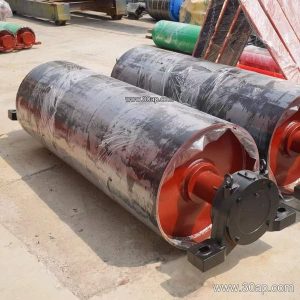
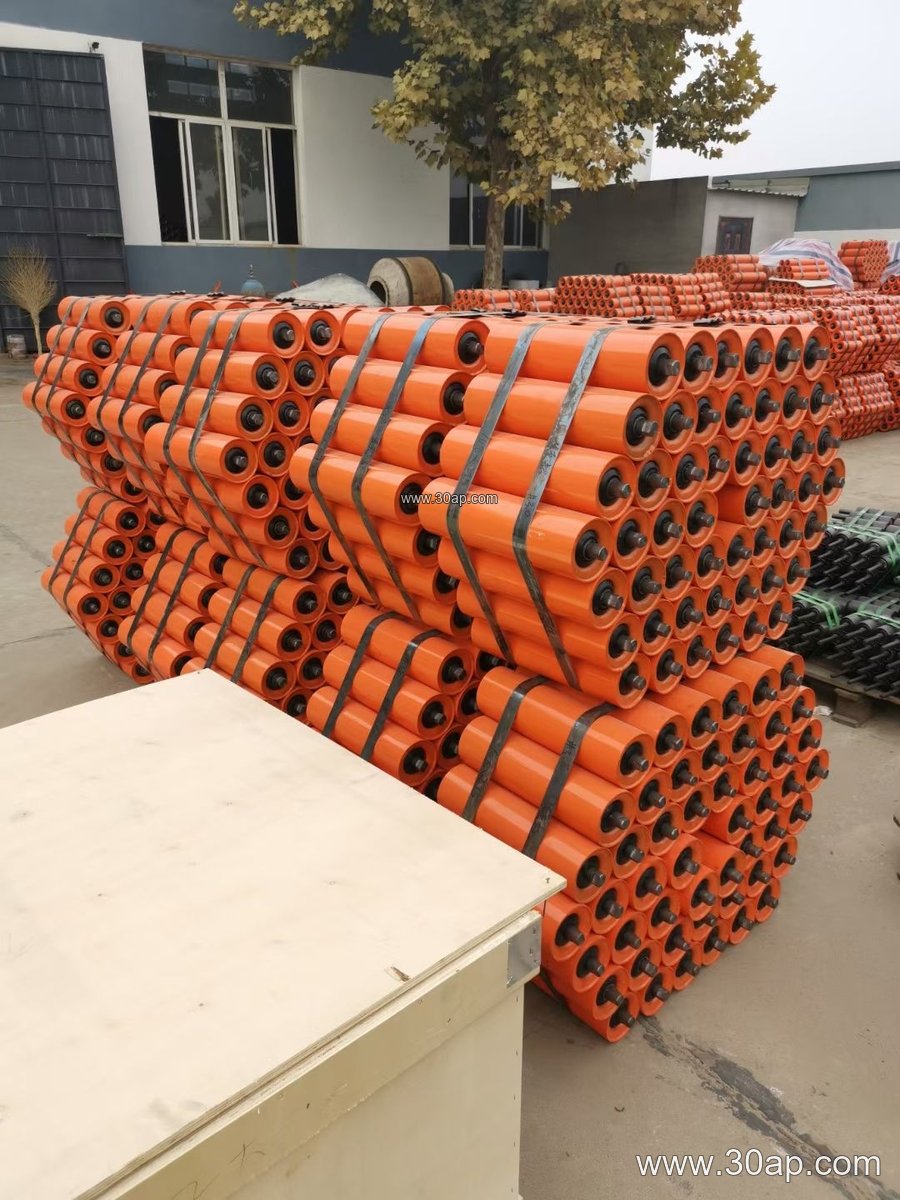
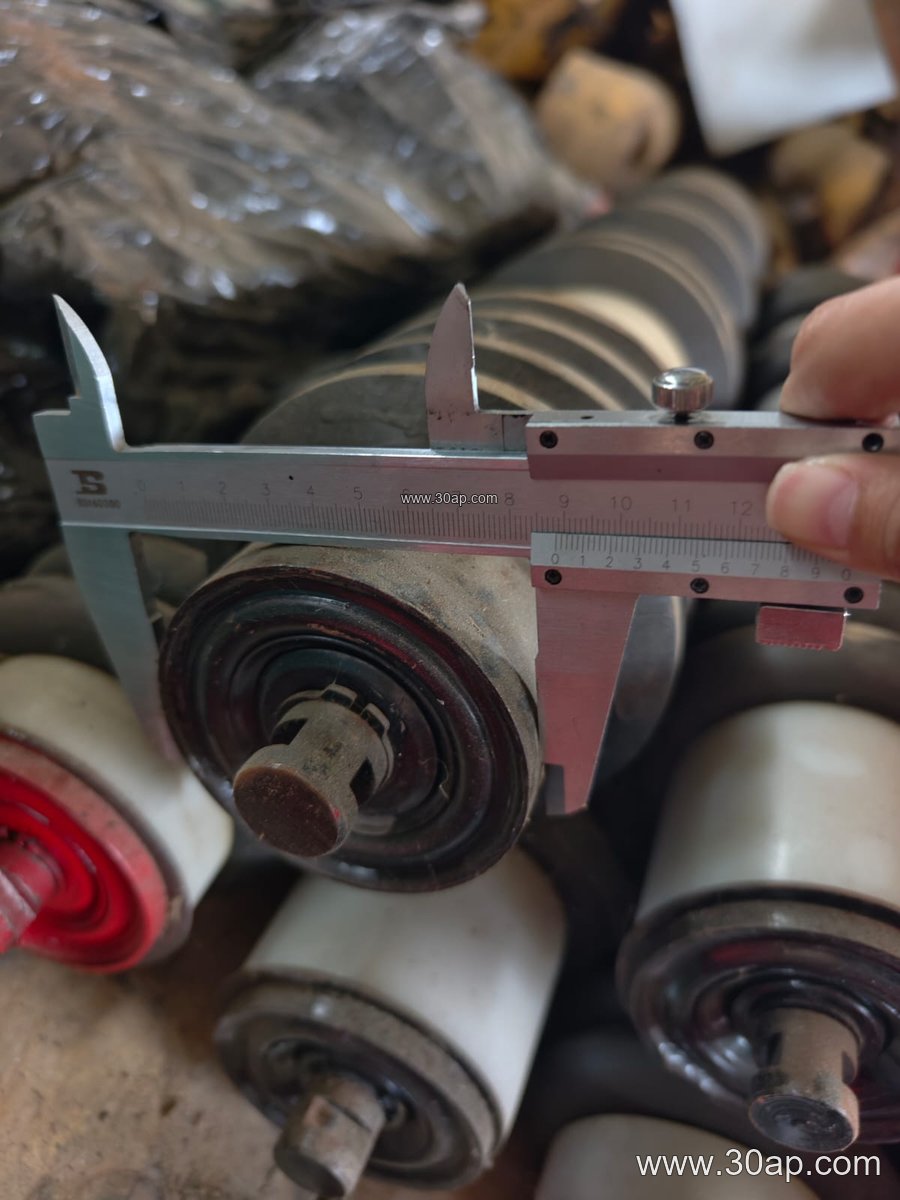
The typical construction combines a steel tube body with a thick rubber ring or rubber disc surface. The rubber rings are spaced along the roller and act as a spring, compressing slightly under load and returning to shape. Bearings are usually selected for the duty, with common sizes such as 6205, 6305, or 6308 depending on shaft and load requirements. The idler frame and brackets are often heavier than standard troughing stations, and the roller ends may use labyrinth seals or multi-stage seals to keep dust out. Roll diameters commonly range from Ø89 to Ø159 for impact service, and belt widths from B500 up to B2000 are matched with suitable roll lengths. The exact combination is always determined by the conveyor design, not by a single fixed rule.
Where It Fits on the Conveyor
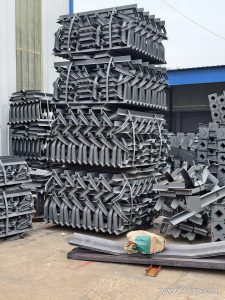
Impact idlers are normally installed in the loading zone, directly under the skirtboard or chute, and sometimes for several meters downstream of the impact point. They are not a replacement for troughing idlers in the carrying run, nor for return idlers on the bottom strand. In a typical transfer station, you might see a group of three-roll impact idlers with 30 or 35 degree trough angles, followed by standard troughing idlers. The impact rolls are often shorter and sturdier, and the rubber surface helps center the belt as material lands. For very wide belts, such as 1200mm or 1400mm, the impact idler set may include a center roll and two side rolls with different lengths, all selected to match the trough profile.
Industries and Conveyor Lines That Use It
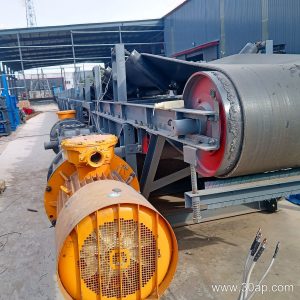
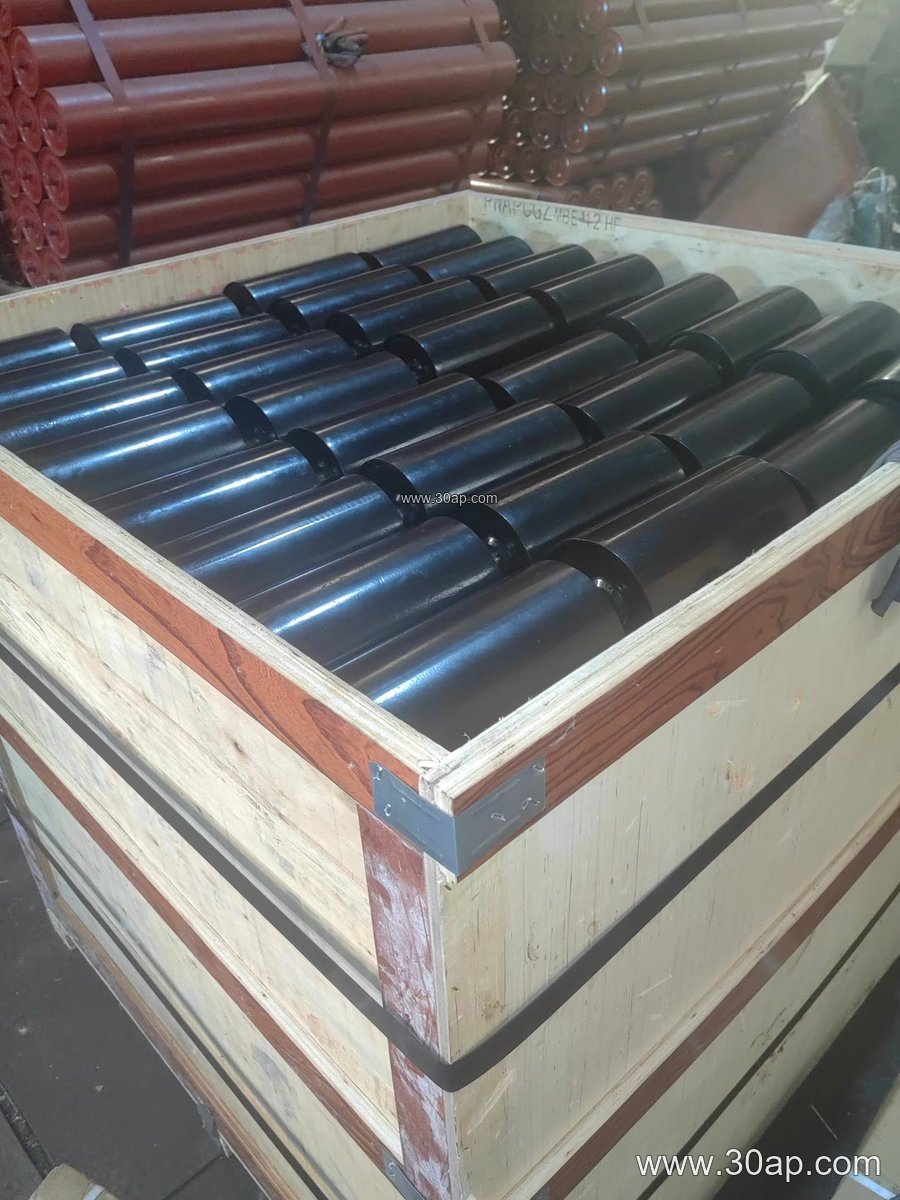
Heavy-duty mining conveyor belts and quarry conveyor belts are common users, especially where run-of-mine material drops onto the belt. In a coal mining conveyor belt system, impact idlers protect the belt at the crusher outlet and at transfer towers. Cement plants use them under clinker chutes, while power plant coal handling and iron ore terminals rely on them at rail or truck unloading points. Sand and gravel operations often pair impact idlers with abrasion resistant conveyor belts to handle sharp, heavy aggregate. In each case, the idler works alongside the conveyor belt, conveyor pulley, and conveyor bracket to keep the line running smoothly.
Selection Details Buyers Should Check
When specifying a high impact resistant idler, start with the belt width and the maximum lump size and drop height. The idler roll diameter and bearing size should be chosen to handle the calculated impact load, not just the steady-state belt tension. Rubber ring hardness and thickness matter too; softer rubber absorbs more shock but may wear faster in abrasive service. Check that the idler frame fits the existing conveyor bracket spacing and that the roll length matches the trough angle. For example, a three-roll 35 degree set on a B1000 belt might use a center roll around 380 mm and side rolls of a different length, but these values are design-specific. Buyers should also confirm seal type and bearing lubrication needs, especially in dusty or wet conditions.
Maintenance and Practical Notes
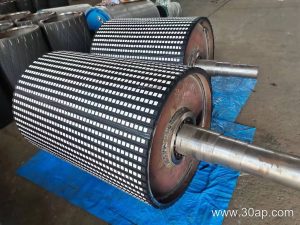
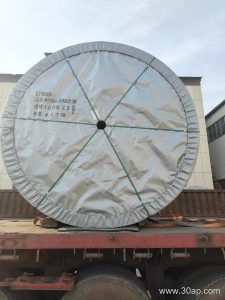
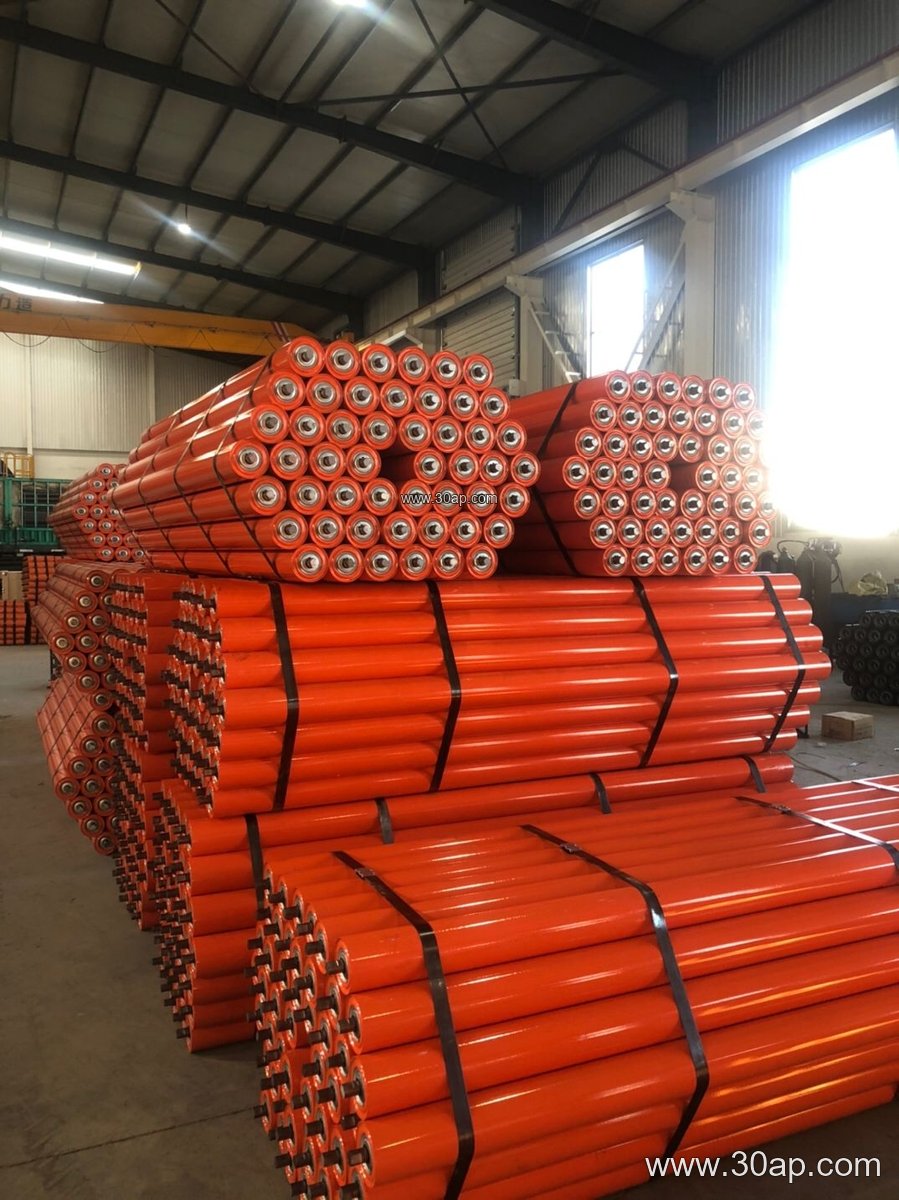
Inspect impact idlers for rubber ring wear, flat spots, and loose bearings. A worn ring reduces cushioning and can allow the belt to sag into the frame. Keep the loading zone centered so material does not hit one side of the idler excessively. When replacing, match the roll diameter and bearing size to the original specification or recalculate for the current duty. Remember that drive pulleys, tail pulleys, and bend pulleys are not interchangeable with idlers; each has its own role. For belt selection, products such as EP conveyor belt, steel cord conveyor belt, and flame retardant conveyor belt are often used in these same heavy-duty lines, and the impact idler should be compatible with the belt’s cover thickness and tension rating.
- Common roll diameters for impact service: Ø89, Ø102, Ø108, Ø127, Ø133, Ø159
- Common belt widths: B500, B650, B800, B1000, B1200, B1400, B1600, B1800, B2000
- Common trough angles: 20, 30, 35, 45 degrees
- Common bearing sizes: 6204, 6205, 6305, 6306, 6308, 6310
For more information on idler rollers, conveyor pulleys, and conveyor brackets, or to discuss a specific high impact resistant idler application, contact our engineering team. Visit www.beltingidler.com for related conveyor components.