What Conveyor Bracket Procurement Covers
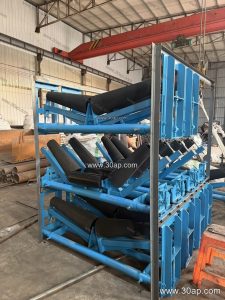
Conveyor bracket procurement is the process of sourcing the steel supports that hold idler rollers in position along a conveyor frame. These brackets, often called idler support brackets or roller mounting brackets, are the interface between the conveyor structure and the rotating components that carry the belt. A well-planned purchasing decision keeps a quarry line, a cement plant, or a power plant coal handling system running with fewer stoppages.
The bracket is not a single universal part. It is a family of supports, each matched to a position on the conveyor and a specific duty. Buyers who understand the subtypes can avoid ordering a troughing bracket where a return bracket is needed, or a fixed support where adjustment is required.
How a Conveyor Bracket Is Built
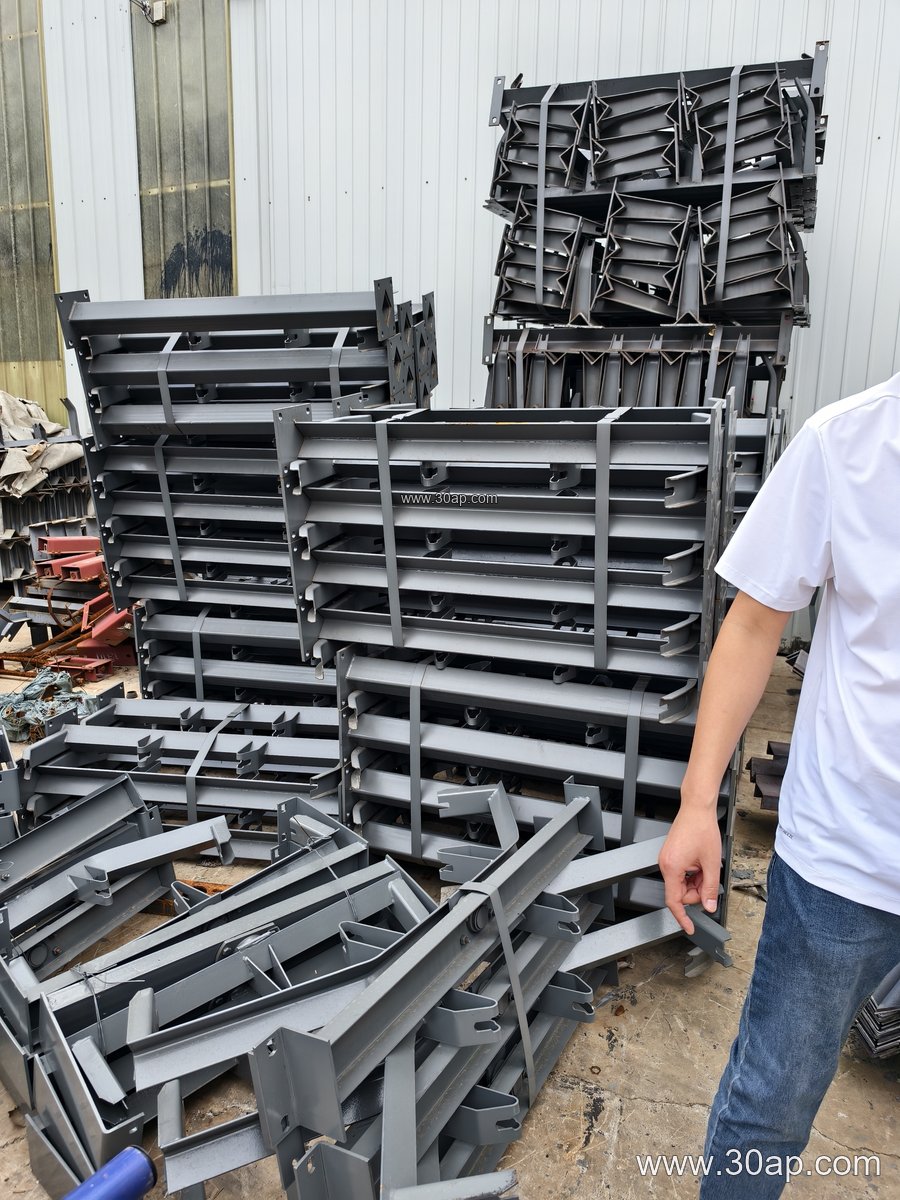
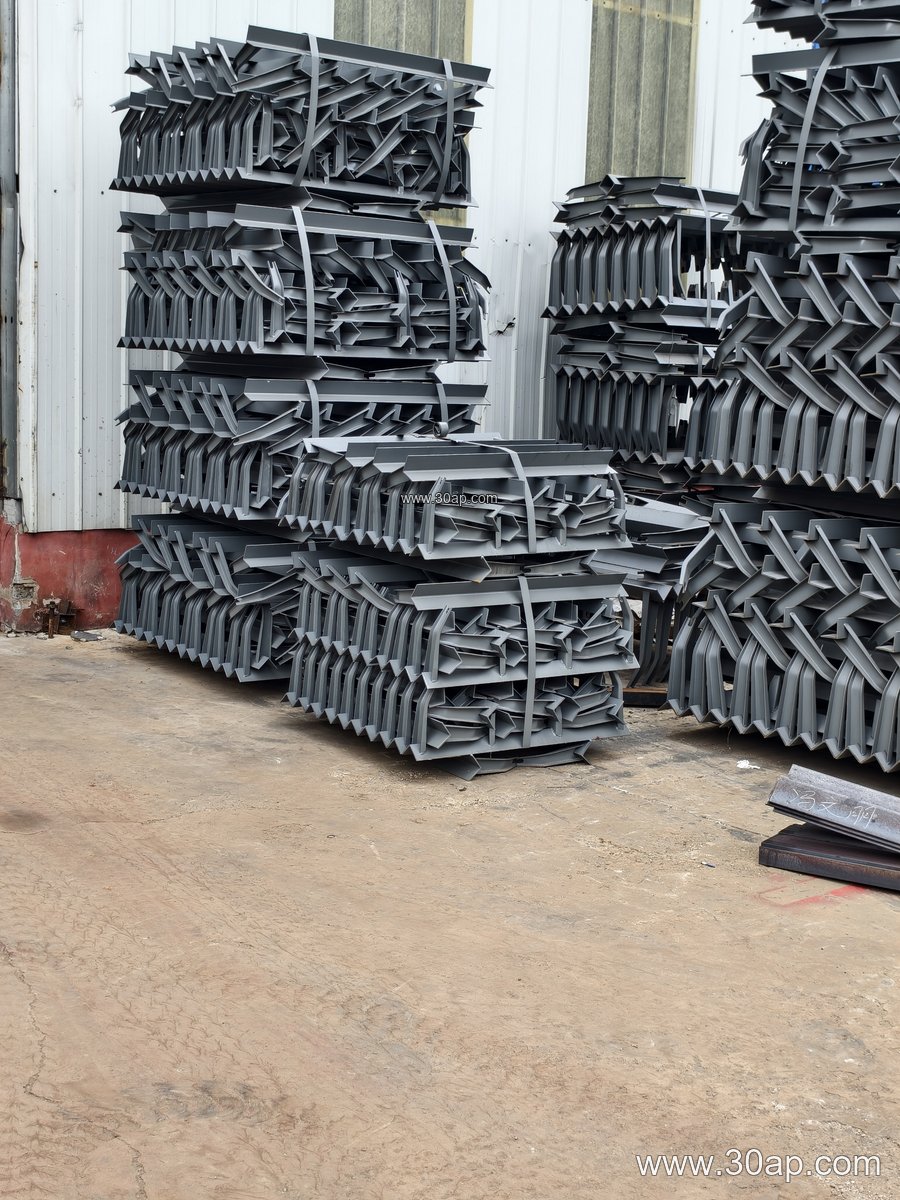
Most brackets are fabricated from angle steel, channel steel, or folded steel plate. The material choice affects stiffness and corrosion behavior in dusty or damp environments. A typical troughing bracket carries three rollers at a fixed trough angle, while a return bracket supports the belt on the lower run.
Common forms include:
- Troughing bracket and upper trough bracket for the carrying side
- Transition bracket near pulleys and loading points
- Return bracket and V-return bracket for the lower run
- Impact bracket under a loading chute
- Self-aligning bracket and forward-leaning bracket for belt tracking
- Spiral roller bracket, suspended bracket, and adjustable bracket
Fabrication quality matters as much as the steel grade. Hole spacing, weld consistency, and the squareness of the roller seats determine whether a conveyor pulley and the belt run true. A bracket that is slightly out of alignment can accelerate edge wear on a heavy-duty mining conveyor belt.
Matching Brackets to Belt Width and Roller Diameter
Belt width and roller diameter are the two dimensions that most often drive the selection. The bracket must span the belt width and position the rollers at the intended trough angle. Common belt widths in procurement enquiries include B500, B650, B800, B1000, B1200, B1400, B1600, B1800, B2000, B2200, and wider special sizes.
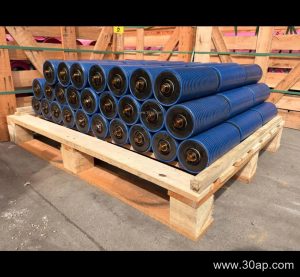
Roller diameters usually range from Ø89 and Ø108 for lighter duties up to Ø133, Ø159, and Ø194 for heavier loads. Trough angles are commonly 20, 30, 35, or 45 degrees. An adjustable bracket can be set between these angles during installation, which helps when a conveyor handles mixed materials.
| Parameter | Common Reference Values | Notes |
|---|---|---|
| Belt width | B500 to B2200 | Match bracket span to frame design |
| Roller diameter | Ø89, Ø108, Ø133, Ø159, Ø194 | Selected by load and belt speed |
| Trough angle | 20°, 30°, 35°, 45° | Adjustable versions allow field setting |
| Forward lean | About 1.5° to 2° | Used for belt tracking on some brackets |
| Material | Angle steel, channel steel, folded plate | Finish depends on environment |
Installation hole spacing and crossbeam length change with belt width and trough angle, so these should be confirmed against the conveyor drawing rather than assumed. There is no rule that one belt width can only pair with one trough angle or one roller diameter.
Where These Supports Are Used
In a limestone quarry or a sand and gravel line, troughing brackets and impact brackets carry abrasive rock after primary crushing. In a coal washing plant or a power plant coal yard, flame retardant conveyor belt and anti-static conveyor belt are supported by brackets that must resist dust and occasional moisture. Cement plants use similar supports under clinker and raw meal belts, where heat resistant conveyor belt may run close to hot material.
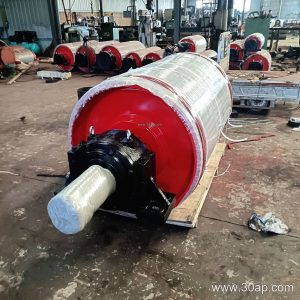
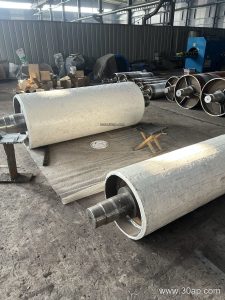
The same bracket family appears in iron ore handling, steel plant sintering lines, port ship loading systems, and tunnel spoil removal. In each case, the bracket works together with the conveyor belt, idler roller, and conveyor pulley to keep the belt centered and the load stable.
Procurement Points Buyers Should Confirm
Before placing an order, confirm the bracket type by position, the belt width, the roller diameter, and the required trough angle. Ask for the mounting hole pattern and crossbeam length so the parts fit the existing frame. For dusty or wet sites, discuss surface treatment. For a food grade conveyor belt line, check that the bracket finish is suitable for the hygiene regime.
Also clarify whether fixed or adjustable brackets are preferred. Adjustable brackets cost more but simplify alignment during commissioning. Fixed brackets are simpler and often preferred where the conveyor geometry is already proven.
Finally, keep spare brackets for high-wear positions such as loading points and transition zones. A small stock of troughing and return brackets reduces downtime when a support is bent by impact or corrosion. Buyers can review related components such as conveyor idler and conveyor roller options together with the bracket order to ensure dimensional compatibility.