What a Belt Tracker Guide Roller Does
A belt tracker guide roller is a small but important part of a conveyor belt tracking system. It is a rotating roller, usually mounted on a bracket at the belt edge or under the return strand, that senses or corrects belt drift before the belt rubs the frame. When the roller wears flat, seizes, or loses its rubber surface, the tracking response becomes slow or uneven, and edge damage follows. Replacing this guide roller is therefore a routine maintenance task, not a major rebuild.
The same component is also called a conveyor belt tracking roller or a belt alignment guide roller. These names describe the same product. They should not be confused with a drive pulley, tail pulley, or bend pulley, which transmit power or change belt direction and are not interchangeable with a tracker roller.
How the Guide Roller Is Built
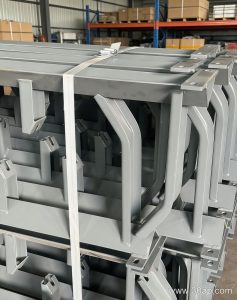
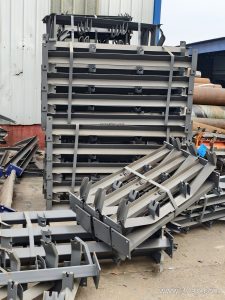
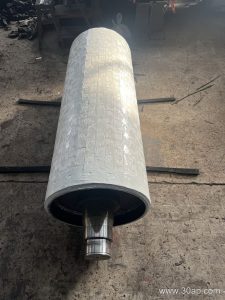
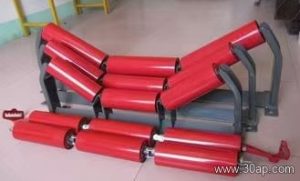
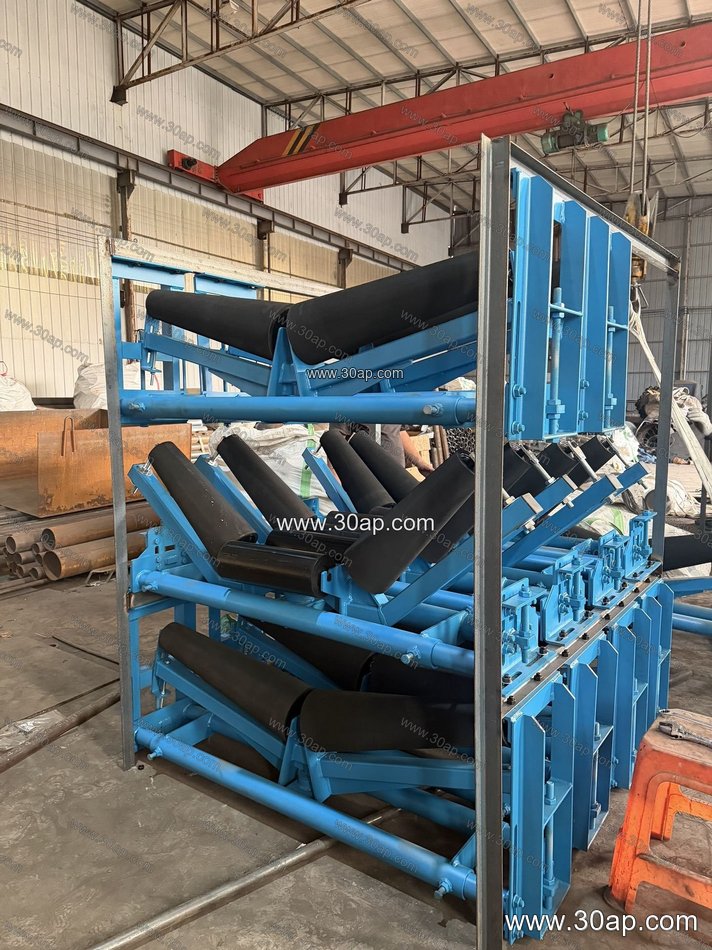
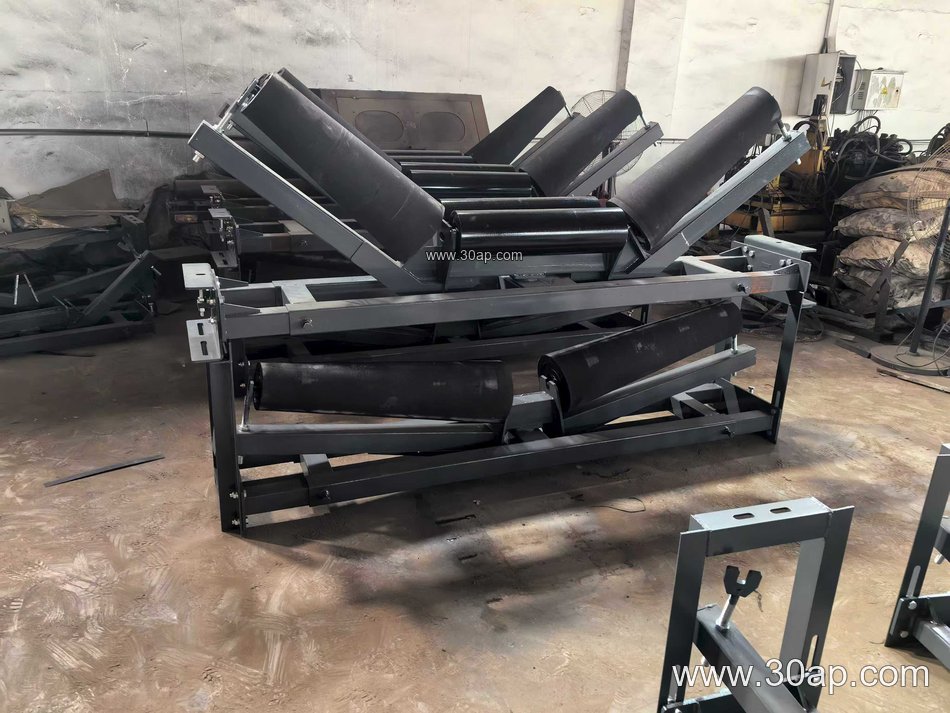
Most units combine a steel tube or solid shaft, sealed bearings, a mounting bracket, and a wear surface. The surface may be plain steel, rubber-covered, or polyurethane-coated, depending on the duty. The bracket allows the roller to pivot or swing so it can steer the belt back toward center. On some designs a vertical edge roller works with a horizontal return roller as one assembly.
Build quality matters more than appearance. Bearing seals should suit dusty conditions, and the rubber or polyurethane layer should be bonded firmly to the shell. A loose cover will peel under constant contact with a moving belt.
Where Replacement Is Needed
Guide roller replacement is common in mines, coal preparation plants, cement works, power station coal yards, steel plants, quarries, sand and aggregate plants, crushing circuits, and port bulk terminals. These sites run heavy belts carrying ore, clinker, limestone, coal, or crushed stone, often in dust and moisture. A worn tracker roller shows up as belt edge fraying, persistent one-side drift, a flat spot on the roller, noisy bearings, or a roller that no longer turns freely.
Before ordering, confirm the belt width, the mounting position (carrying or return side), the running direction, and whether the conveyor is reversible. Belt width alone does not define roller diameter, shaft size, or bracket hole spacing, so the existing drawing or a photo with dimensions is the safer reference.
Matching the Roller to the Belt and the Duty
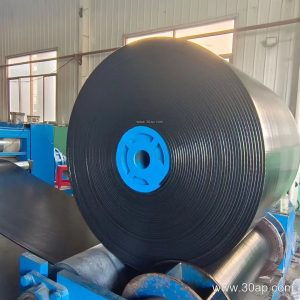
The tracker roller works with the belt, not in isolation. A heavy rubber conveyor belt on an iron ore line behaves differently from a thin fabric core belt in a food plant. The table below shows typical reference data that buyers may be asked to confirm; these are examples, not a universal fit chart.
| Item | Example Reference | Why It Matters |
|---|---|---|
| Belt width | 800 mm, 1000 mm, 1200 mm, 1600 mm | Sets the roller and bracket working envelope |
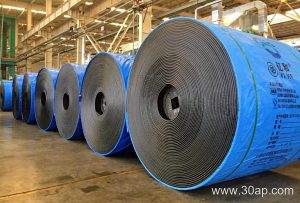
| Belt type | EP conveyor belt, NN conveyor belt, steel cord conveyor belt | Affects stiffness and tracking behavior |
| Surface form | Plain steel, rubber covered, polyurethane | Wear life and grip on the belt edge |
| Position | Carrying side or return side | Different bracket and roller layouts |
| Duty | Dusty, wet, high temperature, oil mist | Bearing seal and cover material choice |
For abrasive duties such as a quarry conveyor belt or a crusher conveyor belt, a rubber-covered roller usually lasts longer than a bare steel one. In a coal mining conveyor belt with flame retardant requirements, the roller cover should be checked against the site’s fire safety rules. Heat resistant conveyor belt lines in cement or sinter plants may need a cover that tolerates warm return strands.
Replacement Steps and Safety
- Stop the conveyor, isolate the energy source, and lock out before any work.
- Record the old roller position, bracket angle, and any shims before removal.
- Inspect the conveyor bracket and frame for cracks, elongation, or misalignment.
- Fit the new guide roller, check free rotation by hand, and confirm the bracket moves as designed.
- Restart slowly and observe from a safe distance; adjust only per the manufacturer’s instructions.
Do not assume a new tracker roller will fix every drift problem. Uneven loading, a skewed splice, seized idler rollers, or a misaligned frame can all cause belt wander. A replacement roller restores the tracking device itself; it does not correct structural faults.
Buyer Checklist
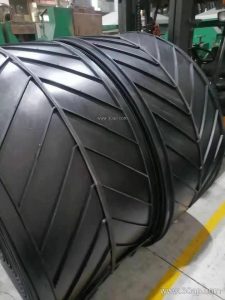
Provide the belt width, roller diameter, shaft diameter, bracket hole spacing, mounting side, and the belt construction. Mention the industry and material, for example a cement plant handling clinker or a power plant handling coal. If the line uses a pipe conveyor belt, corrugated sidewall belt, or chevron belt, say so, because the edge profile affects roller contact. A clear drawing or measured sample shortens the selection process and reduces the risk of a wrong fit.
For related conveyor components such as idler rollers, conveyor pulleys, and conveyor brackets, keep each item on its own specification line. That habit keeps a belt tracker guide roller replacement order accurate and easy to verify on site.