What a Conveyor Rubber Lagged Pulley Does
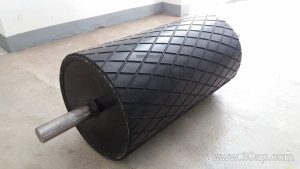
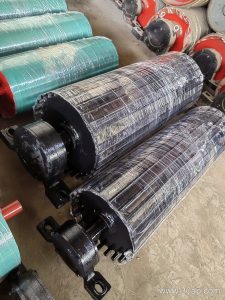
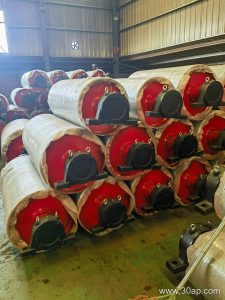
A conveyor rubber lagged pulley is a conveyor pulley whose shell carries a bonded rubber layer to improve grip on the belt. It is the same product often called a rubber-lagged conveyor drum or rubber-coated pulley, and it sits at the heart of the drive, tail, take-up or bend positions on a bulk handling conveyor. The rubber lagging raises friction between shell and belt, protects the belt cover from slip wear, and helps shed fine material that would otherwise pack onto a plain steel face.
In a quarry, a limestone mine, a coal washing plant or a power station coal yard, belt slip is a daily concern. A lagged pulley on the drive station keeps torque transfer steady when the belt is damp, dusty or lightly loaded. On the tail and bend positions, a rubber surface can reduce the chance of material build-up that misaligns the belt.
How the Lagging Is Built
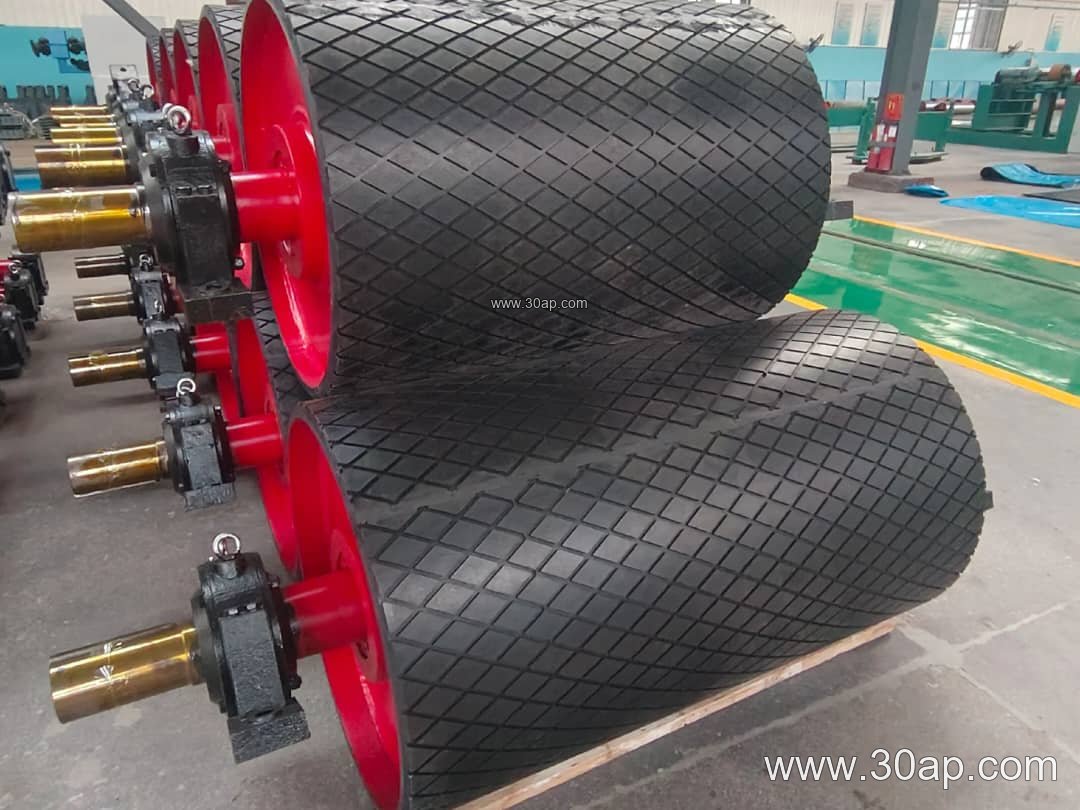
Most rubber-lagged pulleys use one of three surface methods. Cold-bonded rubber is glued on in the workshop or on site and is a practical choice for replacement work. Hot-vulcanised rubber is cured onto the shell for a stronger bond and is common on new heavy-duty pulleys. Cast rubber is moulded directly onto the shell and gives a consistent pattern.
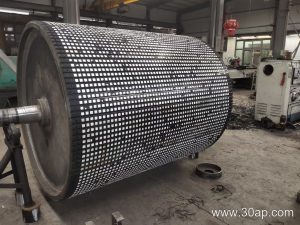
Surface patterns matter. Plain or flat lagging suits general duty. Diamond lagging improves water and fines shedding. Herringbone lagging is directional and helps with wet or sticky material. Ceramic lagging, where rubber holds ceramic tiles, is chosen where abrasion is severe.
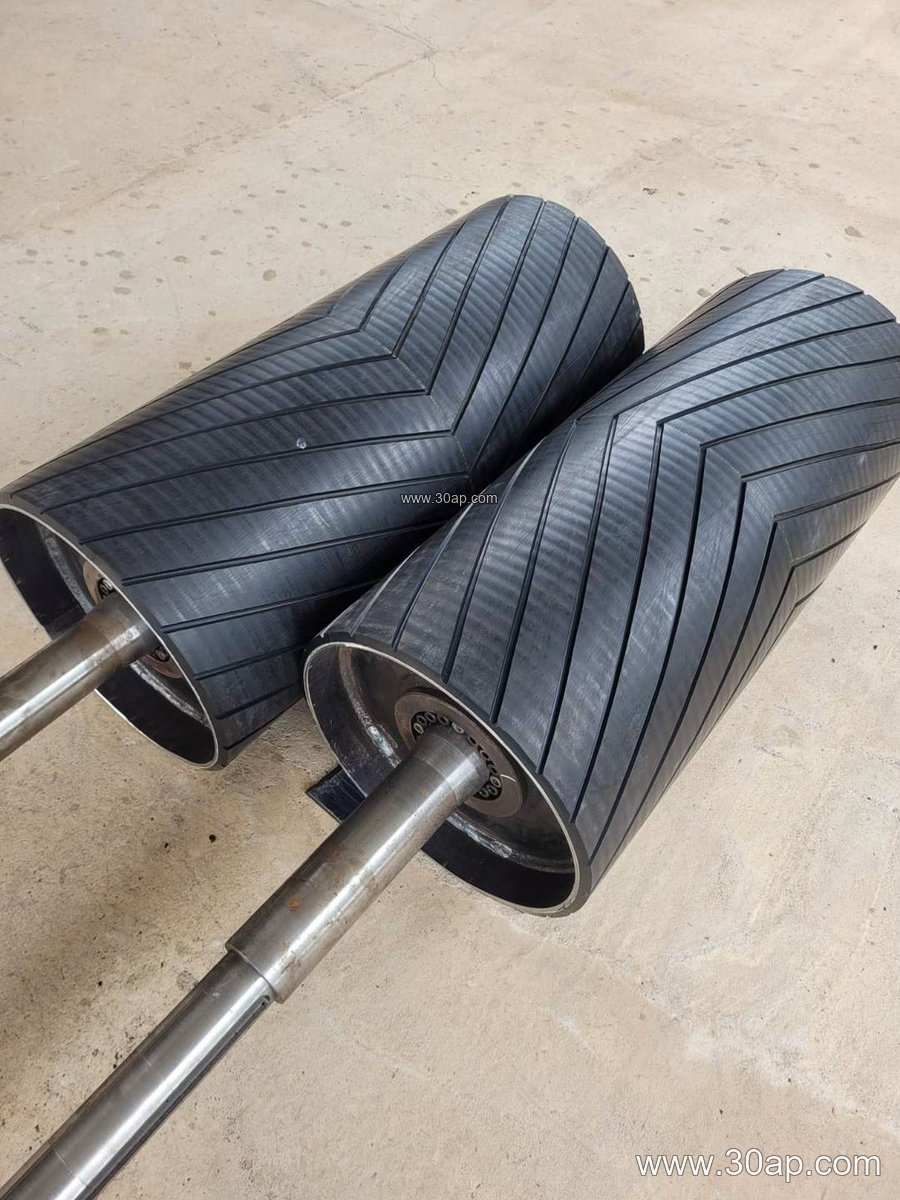
- Lagging thickness commonly ranges from 8 mm to 20 mm, with 10 mm and 12 mm widely used on medium-duty drives.
- Shell diameter and face width are selected from belt width, tension and shaft load, not from a single fixed rule.
- Shaft diameter is determined by torque and bending load, so a given belt width may use several shaft sizes.
Matching Pulley Size to Belt Width
Face width normally exceeds belt width so the belt is fully supported. Reference proportions below are typical starting points, not fixed pairings:
| Belt width | Typical pulley face width | Example diameter range |
|---|---|---|
| B400 | about 500 mm | Ø200 to Ø315 |
| B650 | about 750 mm | Ø250 to Ø400 |
| B800 | about 950 mm | Ø315 to Ø500 |
| B1000 | about 1150 mm | Ø400 to Ø630 |
| B1200 | about 1400 mm | Ø500 to Ø800 |
| B1400 | about 1600 mm | Ø630 to Ø1000 |
| B1600 | about 1800 mm | Ø800 to Ø1250 |
| B1800 | about 2000 mm | Ø1000 to Ø1400 |
Real combinations such as B800 × Ø500 or B1200 × Ø1000 appear on many conveyors, but the diameter must also satisfy belt wrap angle, belt speed and tension. A larger diameter reduces belt bending stress but adds weight and cost.
Where It Fits on the Conveyor
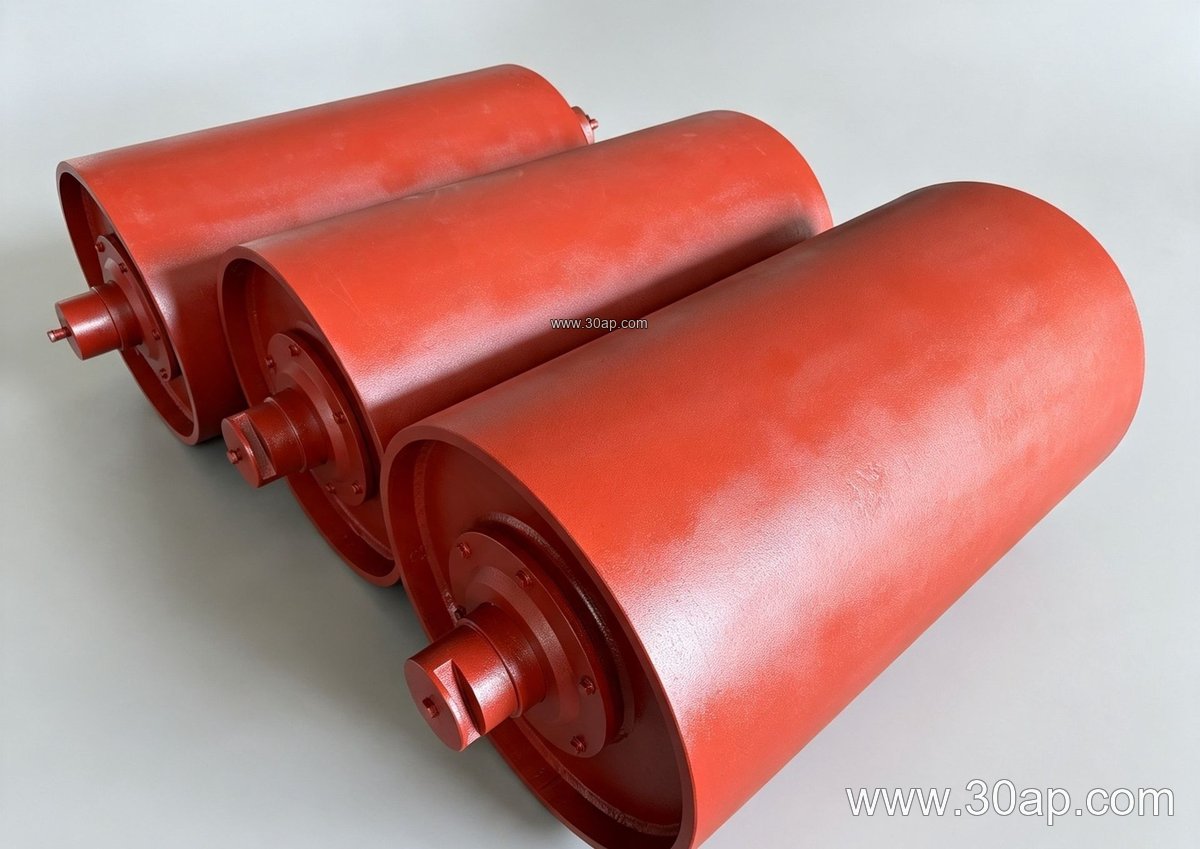
Position changes the job. A drive or head pulley transmits power and needs the strongest grip, so rubber lagging is common there. A tail pulley returns the belt and may use lagging to limit slip and wear. A bend or take-up pulley mainly redirects the belt, and lagging there is chosen for build-up resistance rather than traction. These roles are not interchangeable, and a tail pulley is not a substitute for a drive pulley.
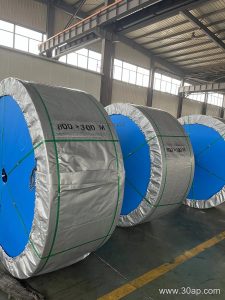
On a long overland or underground coal mining conveyor, the drive pulley often works with a fabric core or steel cord belt. An EP conveyor belt or NN conveyor belt needs a clean, well-lagged shell to avoid cover abrasion, while a flame retardant conveyor belt in a coal mine also demands careful surface selection. At transfer points, an impact resistant conveyor belt pairs with a well-built pulley to absorb shock.
Buyer Checklist
- Confirm the pulley position: drive, tail, take-up or bend, and state belt width and belt type.
- Specify lagging pattern and thickness, for example diamond 12 mm or plain 10 mm.
- Provide belt tension and torque so the shaft and shell can be sized correctly.
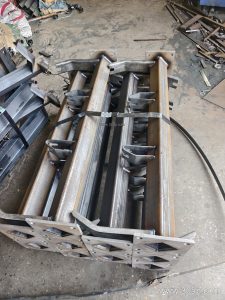
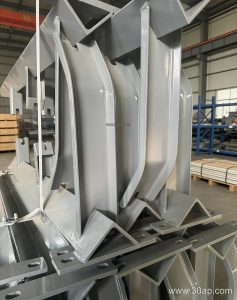
- Check that the pulley face width suits the belt, and that conveyor bracket and bearing dimensions match the frame.
- Ask how the lagging is bonded and whether it can be re-lagged on site.
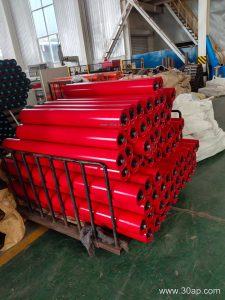
Regular inspection of lagging wear, bolt tightness and shell runout keeps a conveyor rubber lagged pulley working with the idler roller set and conveyor belt as one reliable system. Visit www.mingtai-industry.com for related conveyor pulley and roller information.