What a Power Plant Conveyor Belt Does
A Power Plant Conveyor Belt is the moving working surface of a bulk handling system that carries coal, biomass, limestone, gypsum, ash, or other fuels and residues between stockpiles, crushers, bunkers, and boilers. Because a power station usually runs continuously, the belt is expected to keep a steady flow of material with minimal downtime, and its construction is chosen around the fuel, the layout, and the environment of the plant.
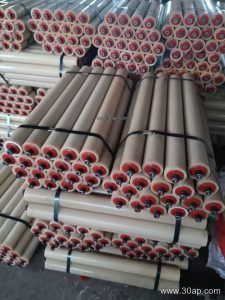
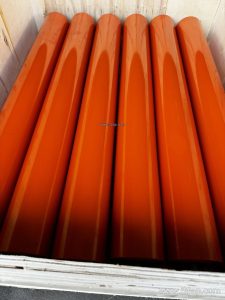
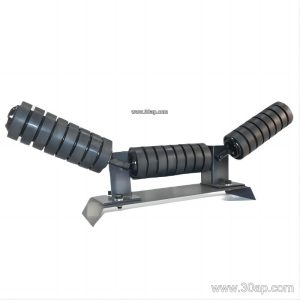
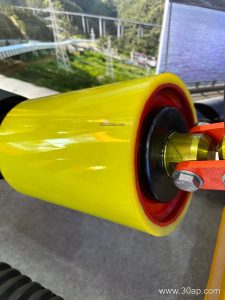
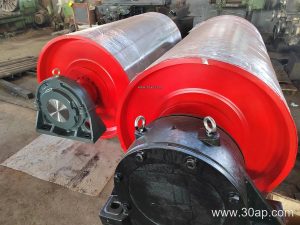
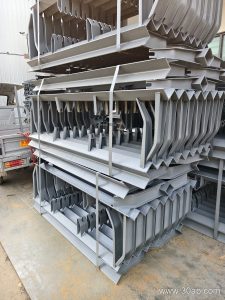
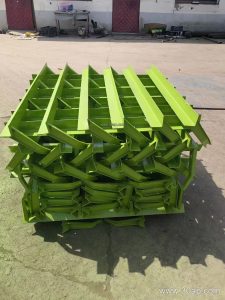
The same conveyor line may also include idler rollers that support the belt, a conveyor pulley at the drive and tail ends, and conveyor brackets that hold the frame together. Each part has a distinct job, and the belt itself is the component that contacts the material directly.
How the Belt Is Built
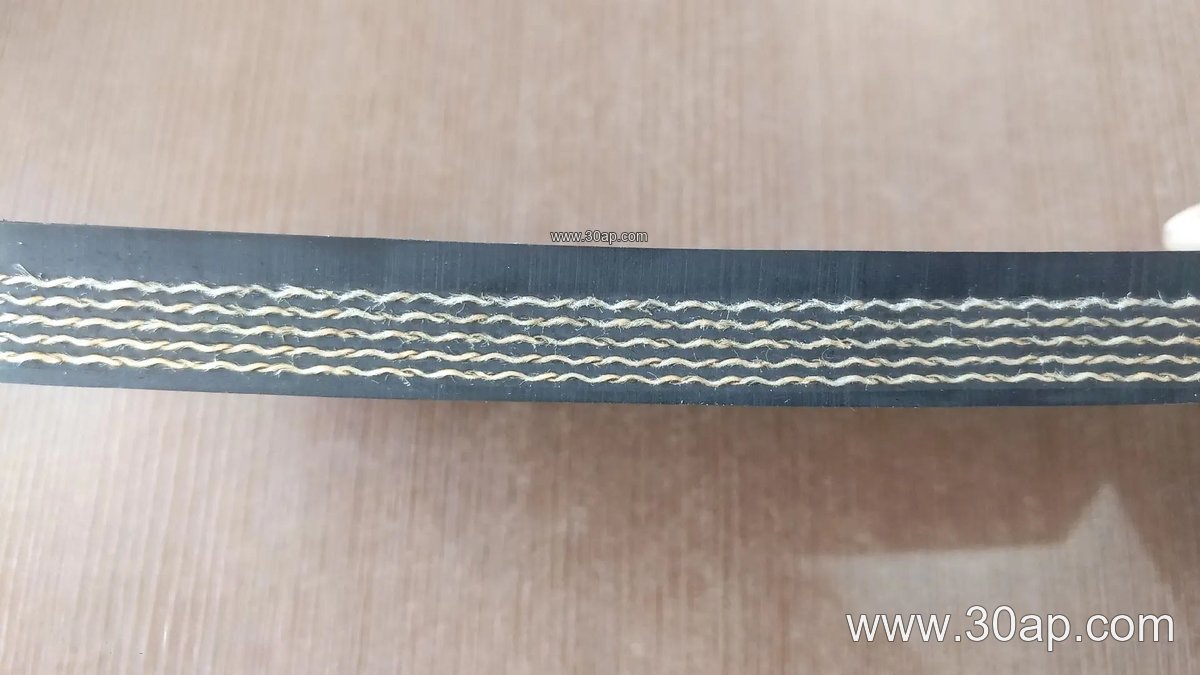
Most power plant belts are fabric-reinforced or steel-reinforced rubber products. The carcass provides tensile strength and resistance to impact, while the top and bottom rubber covers protect the carcass from abrasion, moisture, and heat.
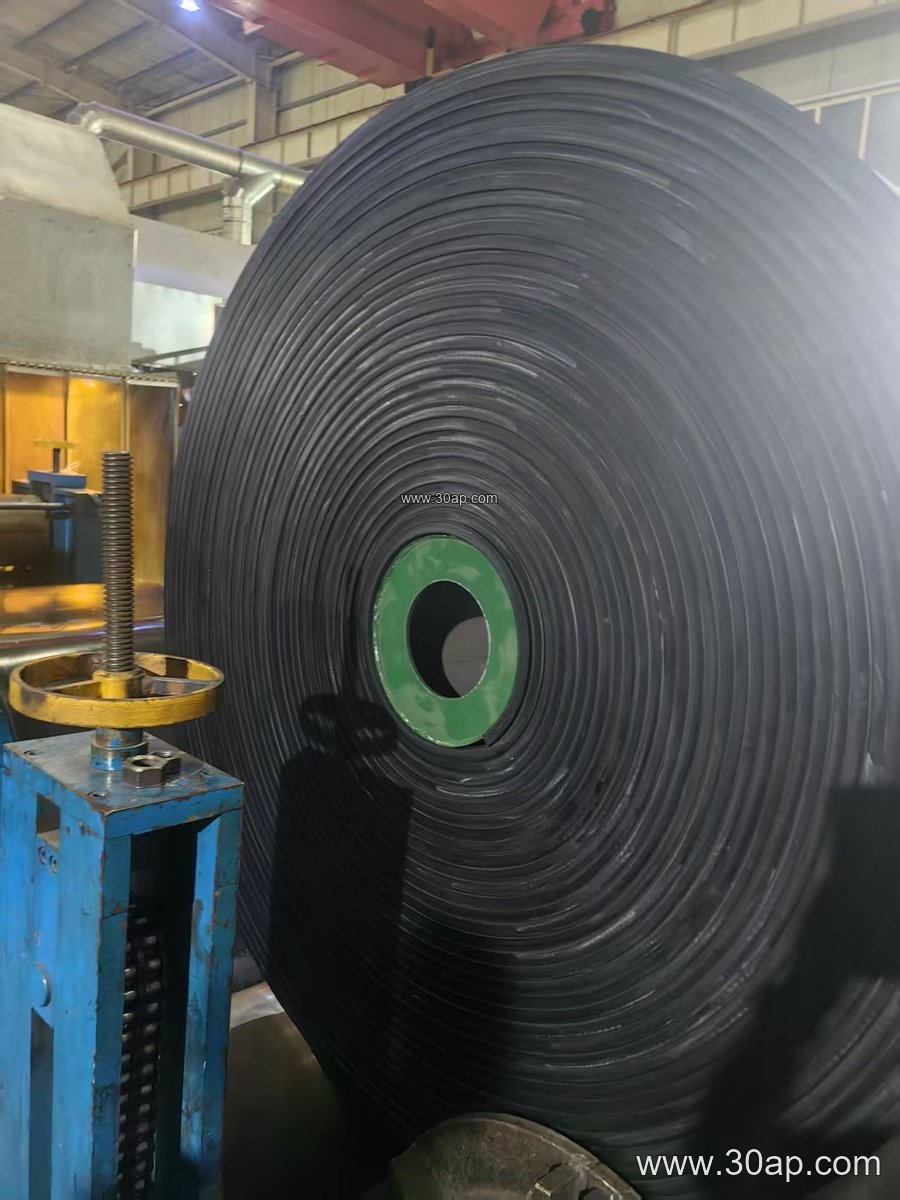
- Fabric core options: an EP Conveyor Belt uses polyester warp and nylon weft, giving low elongation and good wet strength; an NN Conveyor Belt uses nylon in both directions for high impact absorption.
- Steel cord options: a Steel Cord Conveyor Belt carries very high tension over long distances and is common on main haulage lines in large stations.
- Special covers: a Heat Resistant Conveyor Belt is used near hot ash or clinker, while a Flame Retardant Conveyor Belt and an Anti-Static Conveyor Belt are often specified for coal handling where ignition risk matters.
Cover thickness is usually described as top plus bottom, for example 4+2 mm or 6+2 mm, and the number of fabric plies commonly ranges from two to six depending on the duty. These values are reference data; the final construction should follow the conveyor design and the supplier’s data sheet.
Common Specifications in Power Station Service
Belt width follows the tonnage and lump size of the fuel stream. Narrow lines may use B500 or B650, while main coal conveyors often run at B1200, B1400, or B1600. Strength grades are written as EP200, EP400, EP630, EP1000, or higher for fabric belts, and as ST1000, ST1600, or ST2500 for steel cord belts. A buyer should confirm the actual grade rather than assume one width matches one strength.
| Item | Typical range | Notes |
|---|---|---|
| Belt width | B500 to B2000 | Selected from capacity and lump size |
| Fabric strength | EP200 to EP2000 | Higher grades for longer or loaded lines |
| Steel cord strength | ST1000 to ST3150 | Long overland and main haulage runs |
| Cover thickness | 3+1.5 to 8+3 mm | Thicker covers for abrasive coal or ash |
| Ply count | 2 to 6 | Depends on tension and impact |
Where It Fits in the Plant
Coal-fired stations use these belts from the unloading area to the coal bunker, often through a crusher house. A Crusher Conveyor Belt must tolerate sharp edges and impact at the transfer point, so an Abrasion Resistant Conveyor Belt or a heavy-duty fabric belt is often preferred. Ash handling lines may call for a Heat Resistant Conveyor Belt where temperatures are elevated.
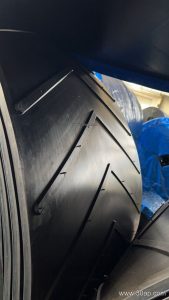
Biomass and limestone circuits share similar needs, and a Chevron Conveyor Belt or a Corrugated Sidewall Conveyor Belt can help on inclines where material would otherwise slide back. In enclosed galleries, a Pipe Conveyor Belt may be chosen to contain dust. Buyers working across coal, cement, and quarry sites often source the same families of belt, and a Mining Conveyor Belt specification may overlap with power plant requirements.
Buyer Checklist
Before ordering, collect the material type, lump size, belt speed, incline angle, ambient and material temperature, and the required tensile strength. Confirm whether flame resistance or anti-static properties are needed, and check the pulley and idler dimensions so the belt fits the existing frame. Ask for the cover grade, ply or cord construction, and edge condition in writing. For plant spare parts, plan storage so that a replacement belt, idler roller, and conveyor pulley can be swapped without long delays. More selection notes are available at ppfconveyorbelt.com and through the belt and roller guidance at conveyoridlerroll.com.