What a Plain Lagged Pulley Is
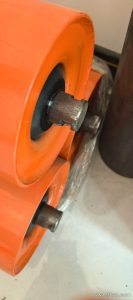
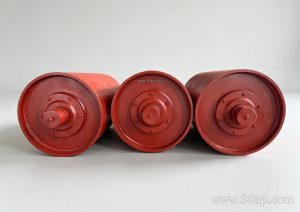
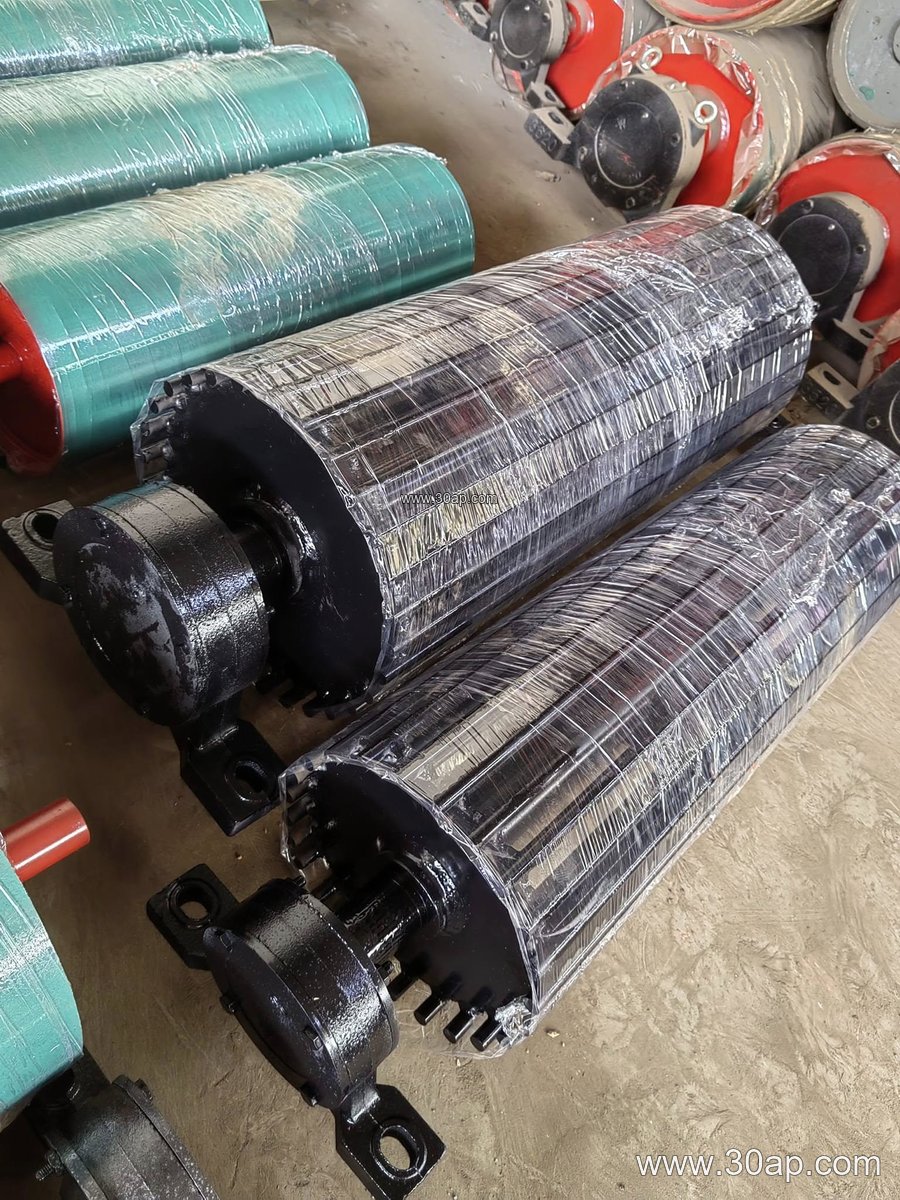
A plain lagged pulley is a conveyor pulley whose shell carries a smooth rubber or polymer lagging without any groove, diamond, or chevron pattern. In many plants it is simply called a plain rubber lagged pulley or a smooth lagged drum. The smooth cover raises friction between the shell and the conveyor belt, which helps limit slip at the drive and protects the belt cover in dusty or wet conditions. It is not a drive pulley, tail pulley, or bend pulley by definition; any of those positions can be supplied with plain lagging when the duty calls for it.
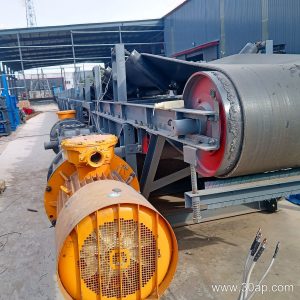
Buyers often confuse lagging pattern with pulley function. A plain lagged drum can serve as a head or drive pulley on a lightly loaded line, or as a tail pulley where material build-up is a concern. The smooth surface sheds fines more easily than a deep profile and is simpler to clean during maintenance stops.
Construction and Surface Details
The shell is usually a rolled steel tube with welded end discs and a shaft pressed or keyed into the hubs. Lagging is bonded to the shell by cold bonding or hot vulcanizing, and the cover is then ground or turned to a consistent thickness. Common lagging thicknesses are 8, 10, 12, 15, and 20 mm, selected according to belt tension and ambient conditions rather than belt width alone.
Surface options for a plain lagged pulley include smooth rubber, plain flat rubber sheet, and smooth polymer covers. Diamond or chevron lagging is a different surface form and is chosen when water carry-over or heavy slip is expected; it should not be treated as a direct substitute for the plain version in every case.
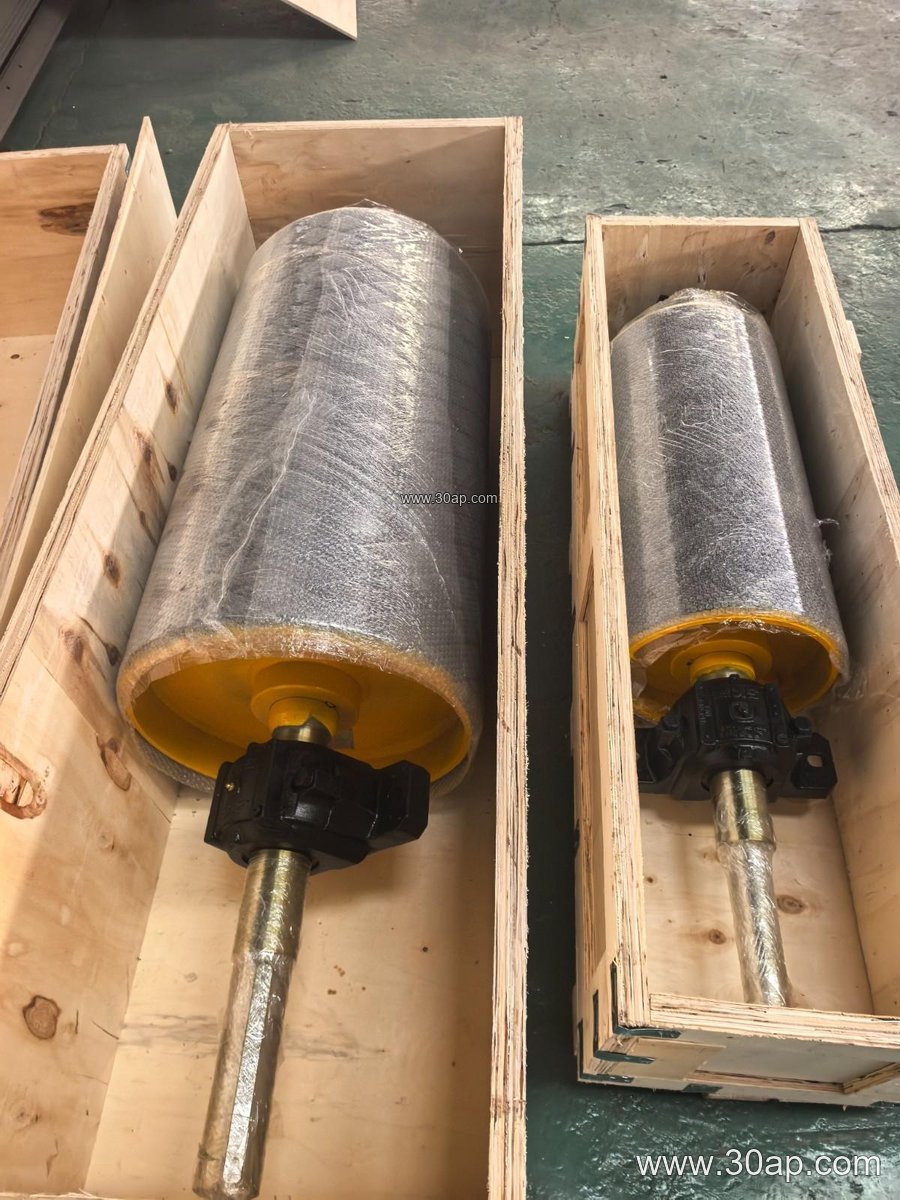
- Shell: welded steel drum, machined after welding
- Lagging: smooth rubber or polymer, cold bonded or hot vulcanized
- Cover thickness: commonly 8 to 20 mm, by design
- Shaft: determined by torque and bearing load, not by belt width
- Face width: usually slightly wider than the belt, for example B800 with about 950 mm face
Where Plain Lagging Fits
In a limestone quarry or a sand and aggregate line, a plain lagged pulley is often used at the tail of a short transfer conveyor where spillage and fine dust are present. In a cement plant clinker circuit, the same smooth cover can be found on a bend or snub position that needs a little extra grip without trapping grit in a pattern.
The choice also depends on the belt it runs against. A Rubber Conveyor Belt with a smooth cover pairs well with plain lagging, while a deep chevron or corrugated sidewall belt may need a different pulley surface to avoid uneven wear. On long overland lines using Steel Cord Conveyor Belt or EP Conveyor Belt, the drive pulley is more often specified with patterned lagging, but plain lagging still appears on tension and take-up positions.
Sizing Notes for Buyers
Bandwidth and diameter are linked by belt tension, wrap angle, and shaft load, not by a fixed table. A B800 conveyor may use a Ø500 plain lagged pulley in one layout and a Ø630 unit in another, depending on the drive power and the number of plies. Face width is normally wider than the belt, for example B650 with about 750 mm, B1000 with about 1150 mm, and B1400 with about 1600 mm. Shaft diameters such as Ø80, Ø100, or Ø120 are common, but the final size comes from the torque calculation and bearing selection.
When requesting a quotation, state the belt width, the pulley position, the belt type, the lagging thickness, and the shaft diameter if already fixed. A plain lagged pulley for a coal mining conveyor and one for a food grade line may look similar but differ in cover compound and cleaning requirements.
Maintenance and Selection Advice
Inspect the lagging for cuts, glazing, and edge lifting at each shutdown. A smooth cover that has become polished can lose grip, especially in wet weather at a port bulk terminal or a power plant coal yard. Re-lagging is usually cheaper than replacing the whole drum when the shell and shaft are still sound.
Match the pulley to the conveyor bracket and idler roller layout so that the belt trains correctly. Keep the drum face clean and confirm that the belt tracking is stable before increasing tension. For abrasive ore duties, an Abrasion Resistant Conveyor Belt combined with a properly specified plain lagged pulley can reduce slip and cover wear, while flame retardant grades are preferred in underground coal mining conveyor applications.
Finally, do not assume that any one belt width must pair with one pulley diameter. Confirm the duty with the conveyor designer, and treat catalogue sizes as starting references rather than fixed supply promises.