What a 315mm Diameter Conveyor Pulley Is
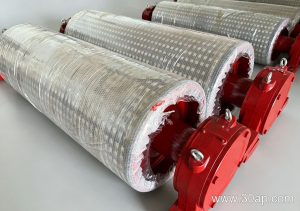
A 315mm diameter conveyor pulley is a mid-sized drum used to support and drive the conveyor belt in bulk material handling systems. It sits at the head, tail, or intermediate turning points of a conveyor and works together with the belt, idler rollers, and conveyor brackets to keep material moving. The 315mm outside diameter places it in a practical range for medium belt widths and moderate load duties, which is why it appears in sand and aggregate lines, cement plants, and power plant coal handling.
The same product is also called a Ø315 conveyor drum or 315mm belt conveyor pulley. These names describe one item, not different equipment. Drive, tail, and bend pulleys are separate positions in the conveyor layout and should not be treated as interchangeable terms.
How the Drum Is Built
A typical 315mm pulley consists of a cylindrical shell, end discs, a shaft, and bearing housings. The shell is usually rolled from steel plate and machined at the ends to accept the discs. The shaft is keyed or shrink-fitted to the hub, and the assembly is balanced before the surface is finished. Common surface options include plain finish, cold-bonded rubber, hot-vulcanized rubber, diamond grooving, and ceramic lagging, with lagging thickness often between 8mm and 20mm depending on grip requirements.
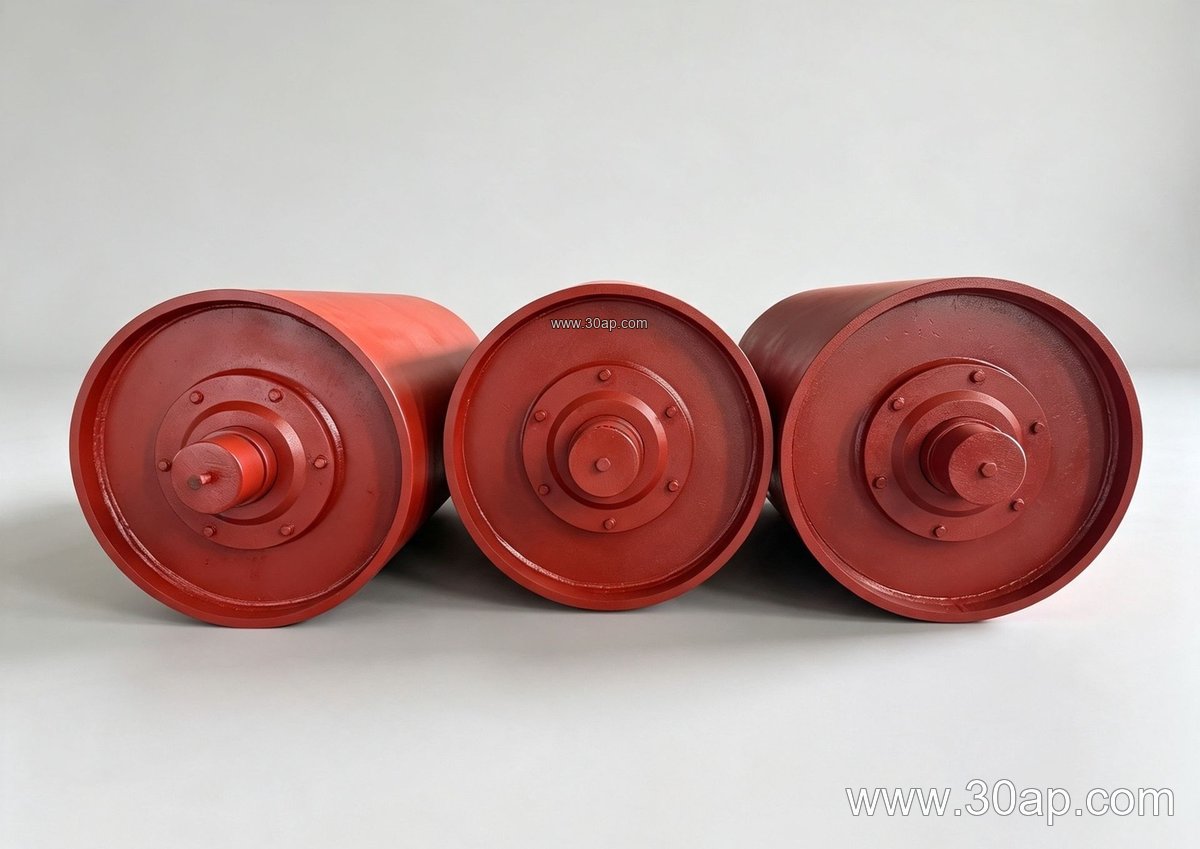
Shaft diameter is not fixed by belt width alone. It is selected from torque, radial load, bearing span, and the pulley position. Common shaft sizes in this class include Ø80, Ø90, Ø100, and Ø120, but the final value should come from the conveyor design calculation.
Where It Fits in a Conveyor
At the tail end, a 315mm diameter conveyor pulley often serves as a bend or tensioning drum where the belt changes direction. In a cement plant clinker line or a limestone quarry, this size can handle moderate belt tensions without the weight and cost of a larger drum. In a coal preparation plant or a port bulk terminal, the same diameter may be used as a snub or take-up pulley to increase belt wrap around the main drive.
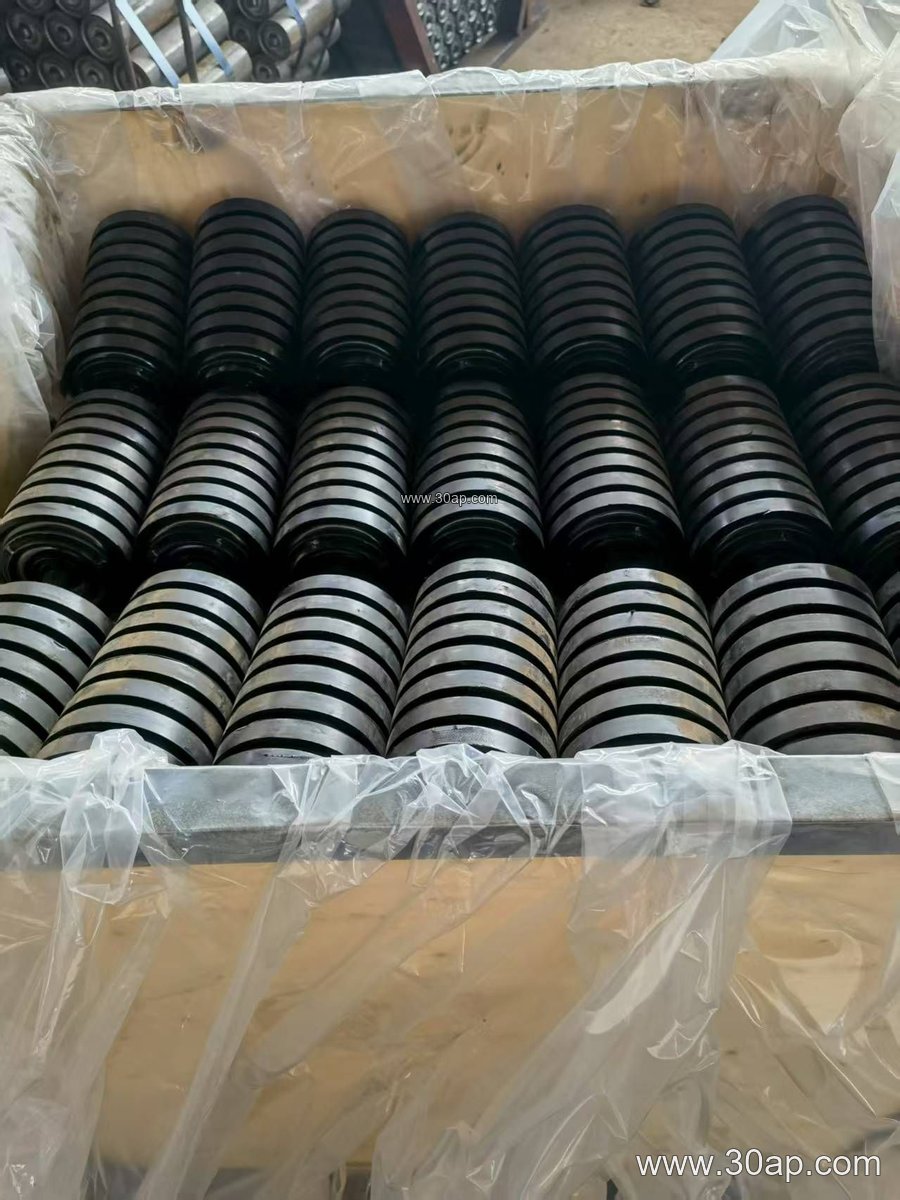
It is worth noting that a drive pulley at the head may need a larger diameter and heavier lagging than a bend pulley in the same circuit. Comparing the two helps a buyer understand why one 315mm drum may be specified with diamond rubber lagging and another with a plain machined face.
Matching the Pulley to the Belt
Belt width and pulley face width are related but not identical. The drum face is normally wider than the belt to allow for tracking. Typical reference combinations include B800 with a face around 950mm and B1000 with a face around 1150mm. A 315mm diameter can appear with several belt widths, so the diameter alone does not define the belt size.
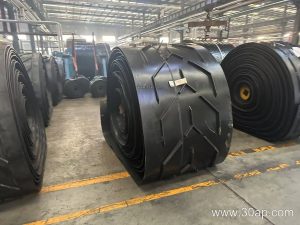
The belt type also matters. A heavy-duty mining conveyor belt or an abrasion resistant conveyor belt carrying sharp aggregate puts more demand on the lagging than a smooth fabric core conveyor belt in a food or grain application. In dusty or wet conditions, diamond or ceramic lagging can improve grip, while a plain face may suit a simple bend position.
Selection Notes for Buyers
Before ordering a 315mm diameter conveyor pulley, confirm the following points with the conveyor designer:
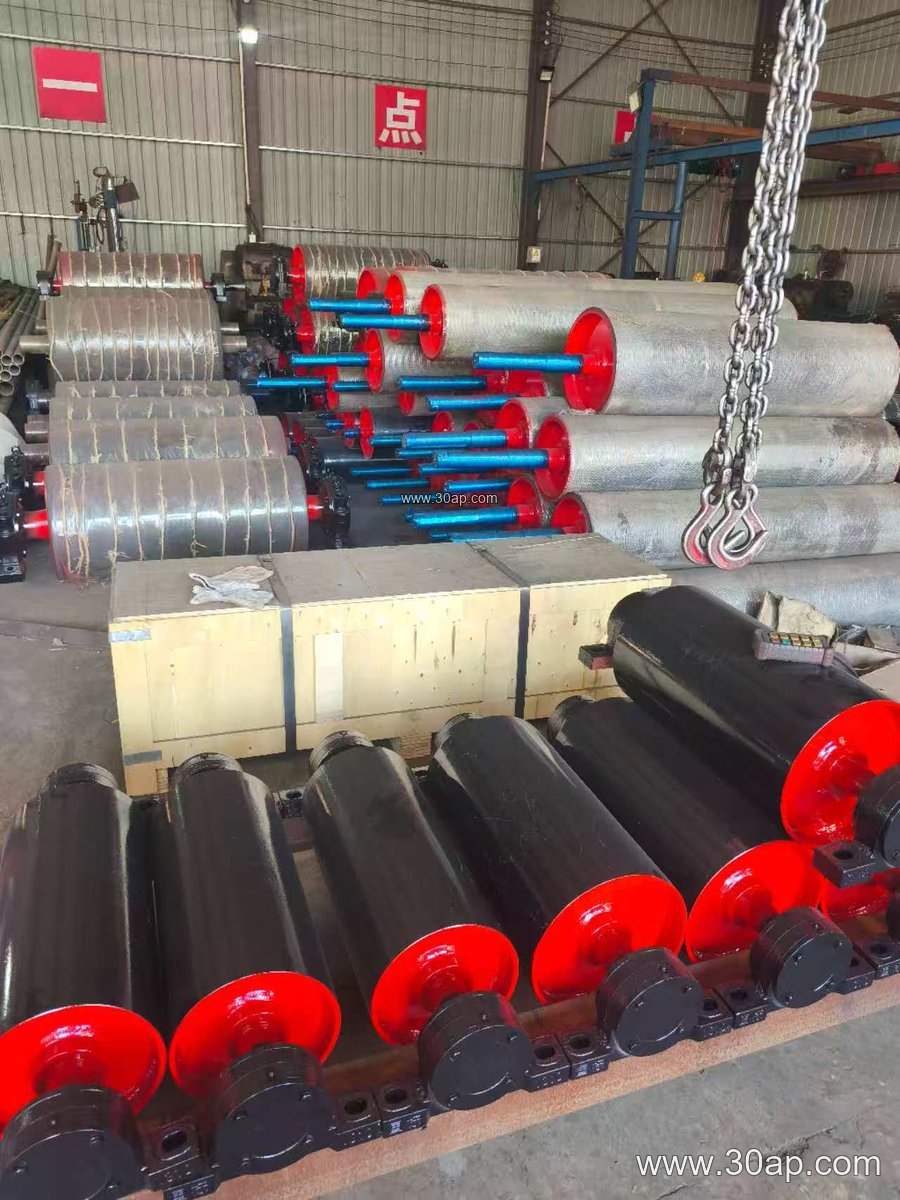
- Pulley position: drive, tail, bend, take-up, or snub
- Belt width and required face width
- Shaft diameter and bearing type
- Lagging material and thickness
- Operating environment, such as dust, moisture, or temperature
For a quarry conveyor belt or a power plant coal conveyor, the drum should be checked against the actual belt tension and starting torque. A pulley that is correctly sized for steady running may still need a larger shaft if frequent starts under load are expected.
Maintenance and Inspection
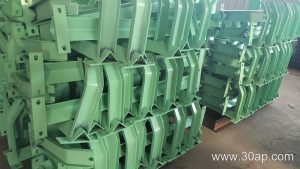
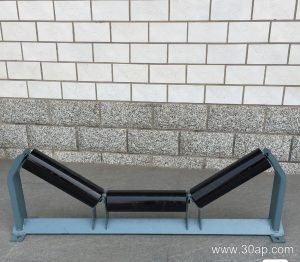
Regular inspection of the 315mm pulley includes checking lagging wear, listening for bearing noise, and confirming that the drum turns freely. Worn lagging can cause belt slip, especially on a drive pulley in a stone crushing line. Keeping idler rollers and brackets aligned also reduces side load on the drum and helps the belt track correctly. When lagging is replaced, the drum should be rebalanced if the surface layer is removed and renewed.
Used with the right belt and support components, a 315mm diameter conveyor pulley is a practical choice for medium-duty conveying in aggregate, cement, coal, and general bulk handling operations.