What a Conveyor Leg Does on a Belt System
A conveyor leg is the vertical support that carries the weight of a conveyor frame and keeps the belt line at the correct elevation. In a typical installation, the leg sits under the stringer or cross member and transfers loads from the conveyor belt, idler roller, and conveyed material into the floor or foundation. The leg is often paired with a conveyor bracket to connect the frame to the support structure, and together they form the stable base that every belt conveyor needs. Whether the system handles abrasive ore or light bulk material, the leg must be rigid enough to resist vibration and misalignment over years of service.
Construction and Common Materials
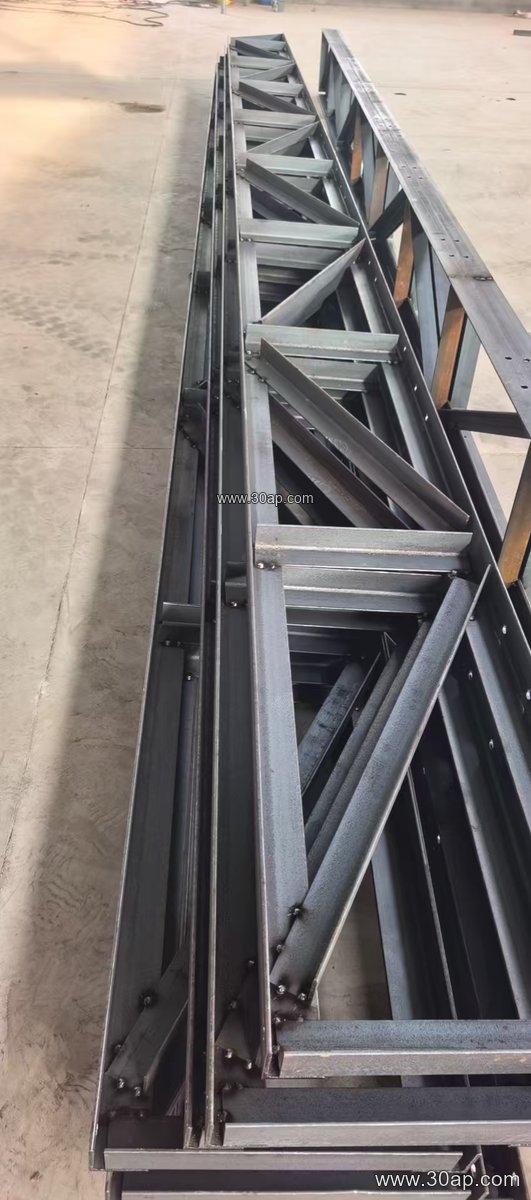
Most conveyor legs are fabricated from structural steel. Common materials include angle steel, channel steel, and folded steel plate. The choice depends on load, height, and the environment. In a quarry or limestone mine, dust and moisture may call for heavier section steel and a robust paint or galvanized finish. In a cement plant or power plant coal yard, the leg may need to tolerate fine abrasive dust and occasional washdown. The leg usually features a base plate with holes for anchor bolts, and the top may have slotted holes or adjustable sections to fine-tune the frame height. Some designs include a brace or gusset for extra stability, especially when the conveyor is elevated or exposed to wind loads.
Where Conveyor Legs Are Used
You will find conveyor legs in almost every bulk handling operation. In a sand and gravel line, legs support the frame that carries the aggregate conveyor belt and idler roller sets. In a coal preparation plant or underground coal mining conveyor system, legs must handle heavy loads and often meet flame retardant requirements for the belt, though the leg itself is steel. In a fertilizer plant or grain silo, legs may be designed for lighter duty with attention to corrosion resistance. Ports and ship loading conveyors use legs on long trestles, while a crusher conveyor or rock conveyor often uses legs with extra bracing to absorb impact and vibration. The key is that the leg is matched to the conveyor width, the idler roller diameter, and the belt speed, not simply chosen by belt width alone.
Types and Adjustability
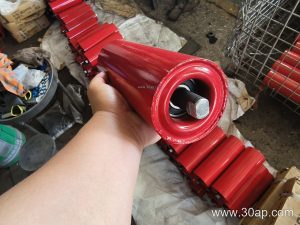
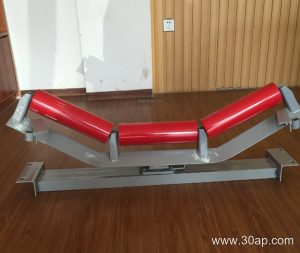
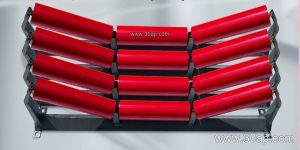
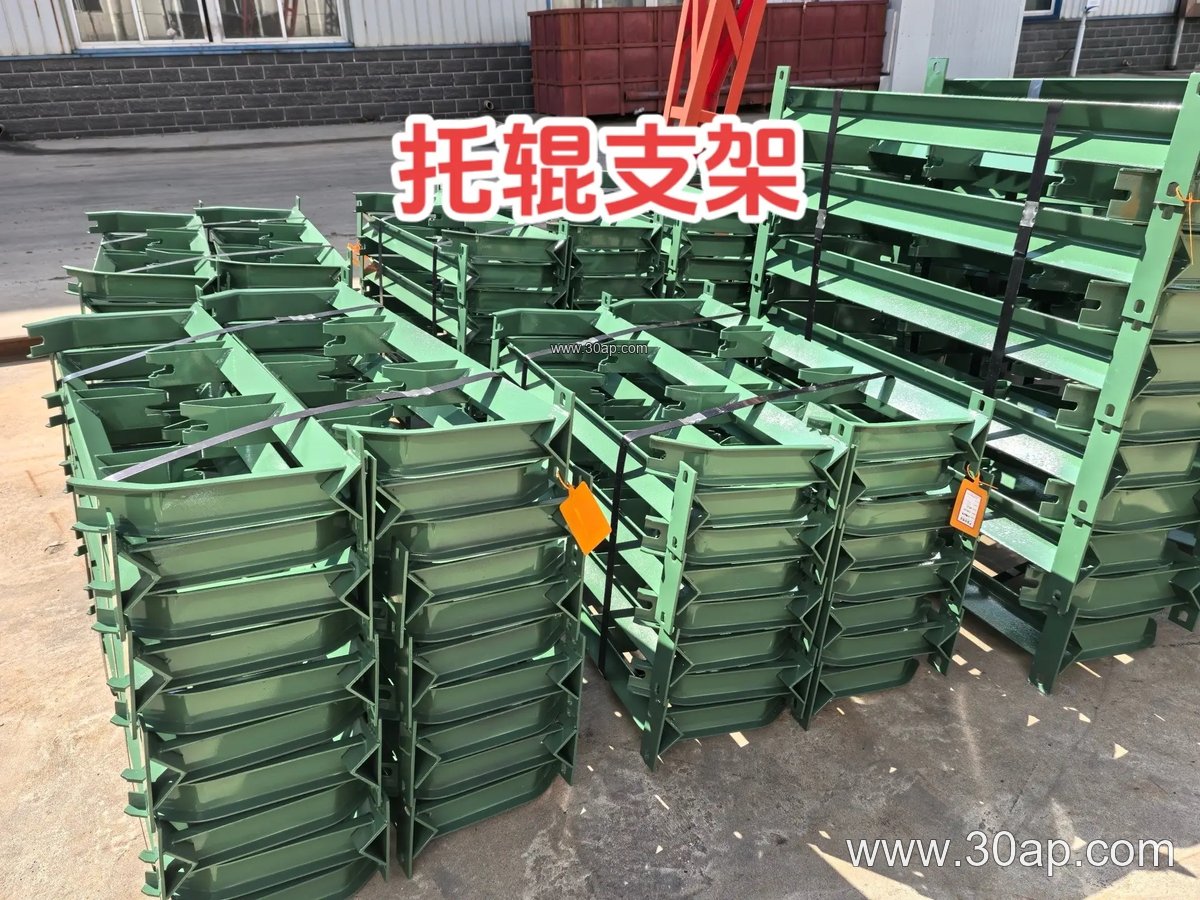
Conveyor legs come in fixed and adjustable forms. Fixed legs are simpler and often used where the frame height is known and constant. Adjustable legs allow small changes in elevation and can help correct belt tracking or accommodate minor foundation variations. Some adjustable designs offer a range of trough angles to suit different idler roller configurations. For example, a B800 conveyor may use a 35-degree trough angle with a Ø108 idler roller, while a B1200 system might use a 45-degree angle with a Ø133 roller. These are common references, not fixed rules. Legs can also be designed to work with specific idler roller frames, such as troughing, return, or impact idler sets. The leg must align with the conveyor bracket so that the whole assembly stays square and level.
Key Parameters to Review When Buying
Buyers should consider the belt width, the idler roller diameter, the trough angle, and the load per leg. The table below lists common reference values for conveyor legs. These are typical ranges, not universal specifications or supply promises. Actual dimensions and hole spacing are determined by the conveyor design.
| Parameter | Common Reference Range | Notes |
|---|---|---|
| Belt width (B) | B500 to B2200 | Leg height and cross member length usually vary with belt width |
| Trough angle | 20°, 30°, 35°, 45° | Adjustable legs may allow changes between these angles |
| Idler roller diameter | Ø89, Ø108, Ø133, Ø159, Ø194 | Match to the idler frame and load requirements |
| Material | Angle steel, channel steel, folded plate | Selection depends on load and environment |
| Mounting | Base plate with anchor holes | Hole spacing is project-specific |
When reviewing a quotation, ask for the leg height, the base plate dimensions, the anchor hole pattern, and the recommended anchor bolt size. Also confirm whether the leg is designed for a fixed or adjustable frame, and whether it includes a brace. For a conveyor belt that carries heavy or abrasive material, such as a high abrasion resistant conveyor belt or a steel cord conveyor belt, the leg must be sized for the resulting loads. In a coal mining conveyor belt system, fire resistant and anti-static properties apply to the belt, while the leg must be structurally sound and correctly anchored.
Installation and Maintenance Tips
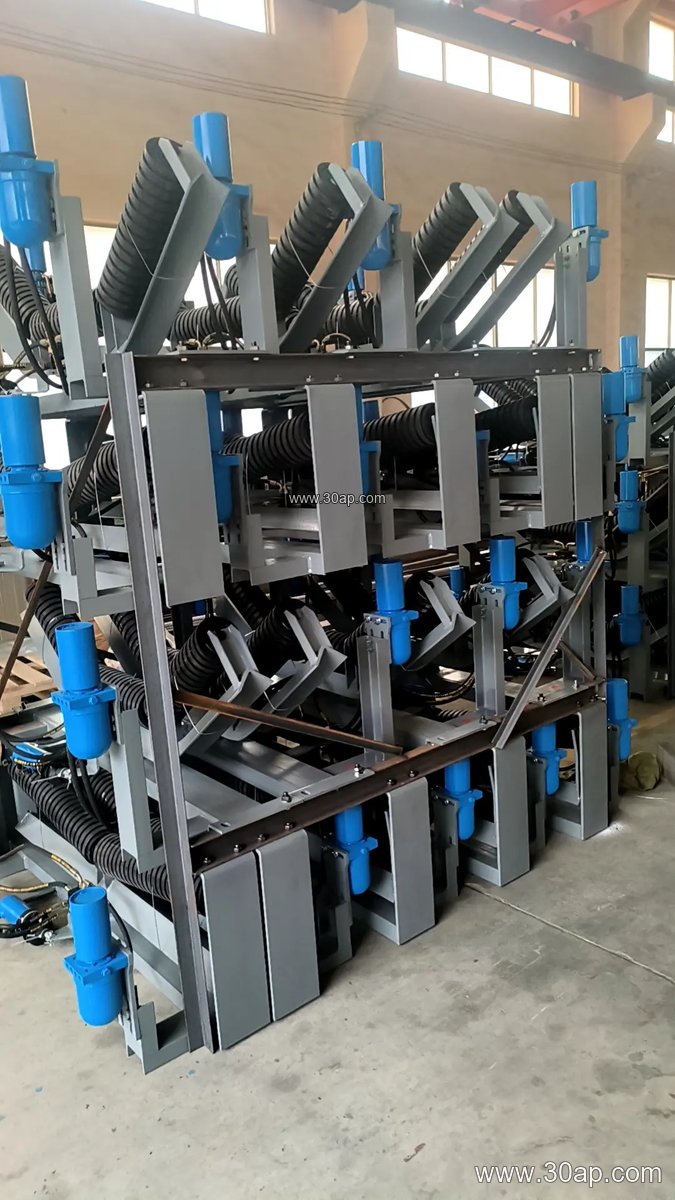
Proper installation starts with a level foundation. Use shims to correct minor height differences before tightening anchor bolts. Check that the leg is plumb and that the conveyor bracket sits flat. After installation, run the belt empty and check for vibration or misalignment. Regularly inspect legs for loose bolts, corrosion, or bent sections, especially in washdown areas or around crushers. A well-maintained leg helps extend the life of the idler roller and the conveyor belt by keeping the frame stable and the belt tracking correctly.
For more information on conveyor legs and related components, visit our site at www.example.com/conveyor-leg or contact our team for project-specific guidance.