What a Comb Idler Does on a Conveyor
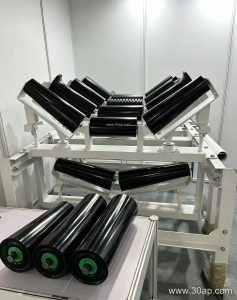
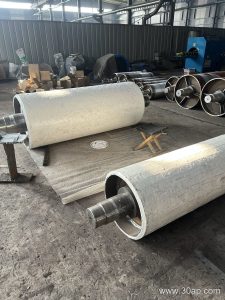
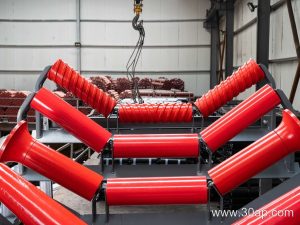
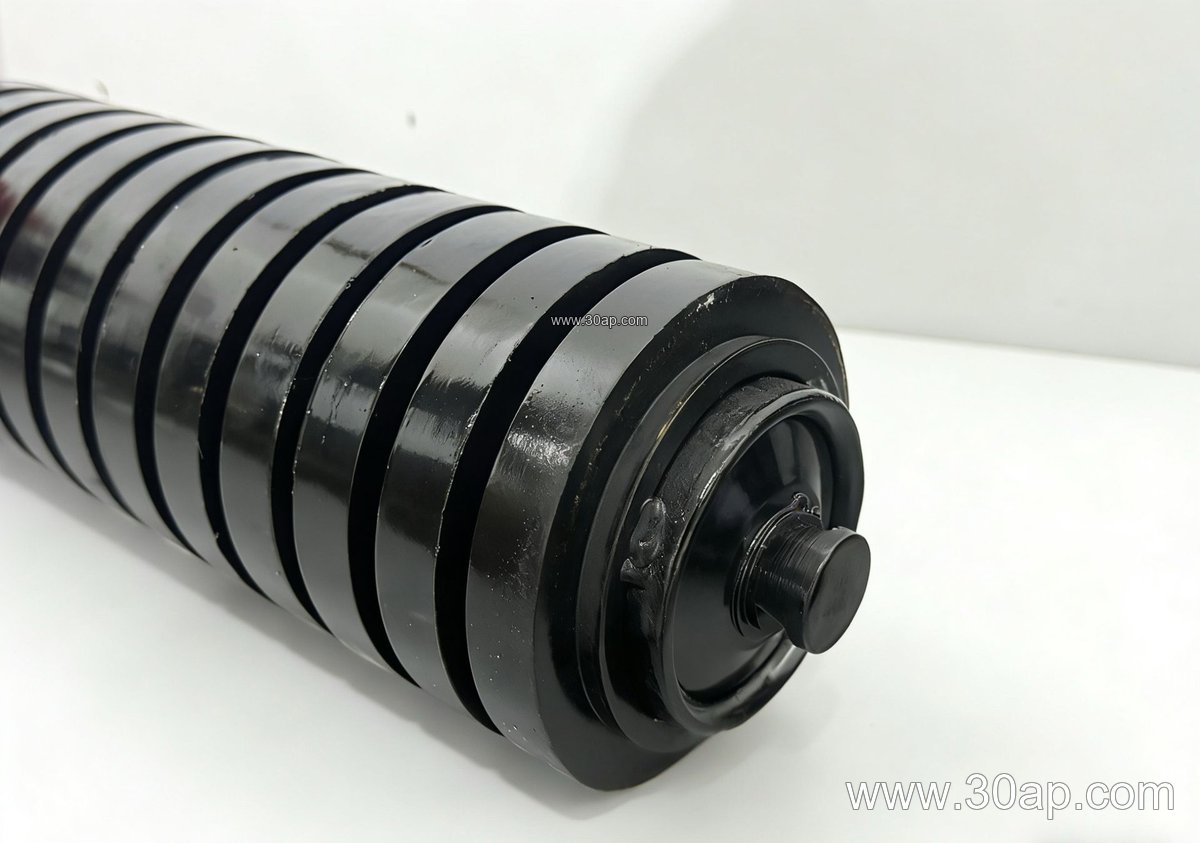
A comb idler is a roller assembly built from a series of closely spaced discs or rings rather than one continuous cylindrical shell. The discs sit side by side along a shaft, so the roller surface looks like a comb — hence the name. In a conveyor line, this comb roller usually works as a carrying idler under the loaded strand, where it supports the belt and helps keep bulk material centered. It is also called a disc idler or ring idler in some workshops, and those names describe the same product.
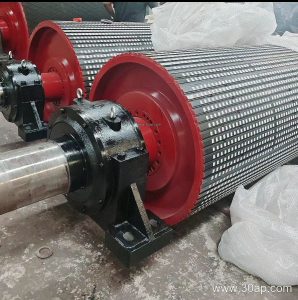
Comb idlers are not the same as drive pulleys, tail pulleys, or bend pulleys. Those are larger drum components that transmit power or change belt direction. A comb idler is a free-rotating support roller mounted on a conveyor bracket, and it belongs to the idler family, not the pulley family.
How the Comb Roller Is Built
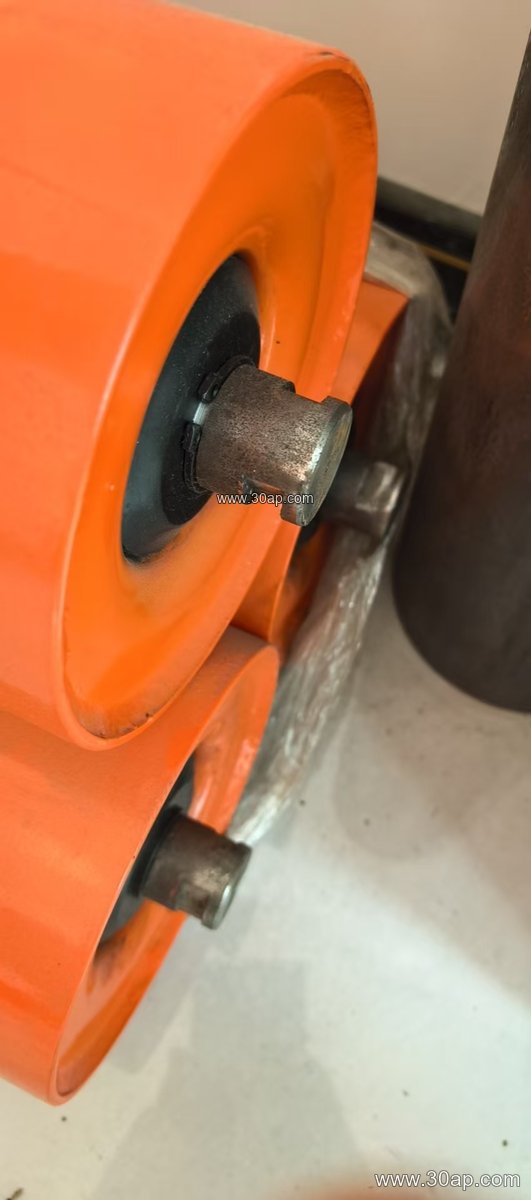
The core of the design is the shaft, which carries a row of discs separated by spacers. Each disc rotates with the shaft, and the gaps between discs allow fines and small lumps to fall through instead of packing against a solid shell. This self-cleaning effect is one reason the comb roller is chosen in sticky or wet duty.
- Disc material options include steel, nylon, and rubber rings, depending on the duty
- Common bearing choices include 6204, 6205, 6305, 6306, 6308, and 6310, matched to load and shaft design
- Mounting is through standard conveyor brackets, so the assembly can replace a conventional carrying idler in many frames
- Roller face may be plain steel or rubber-covered for grip and impact absorption
Bearing selection is not tied to one roller diameter. A 6205 bearing may appear in several frame sizes, and the final choice depends on load, speed, and sealing arrangement.
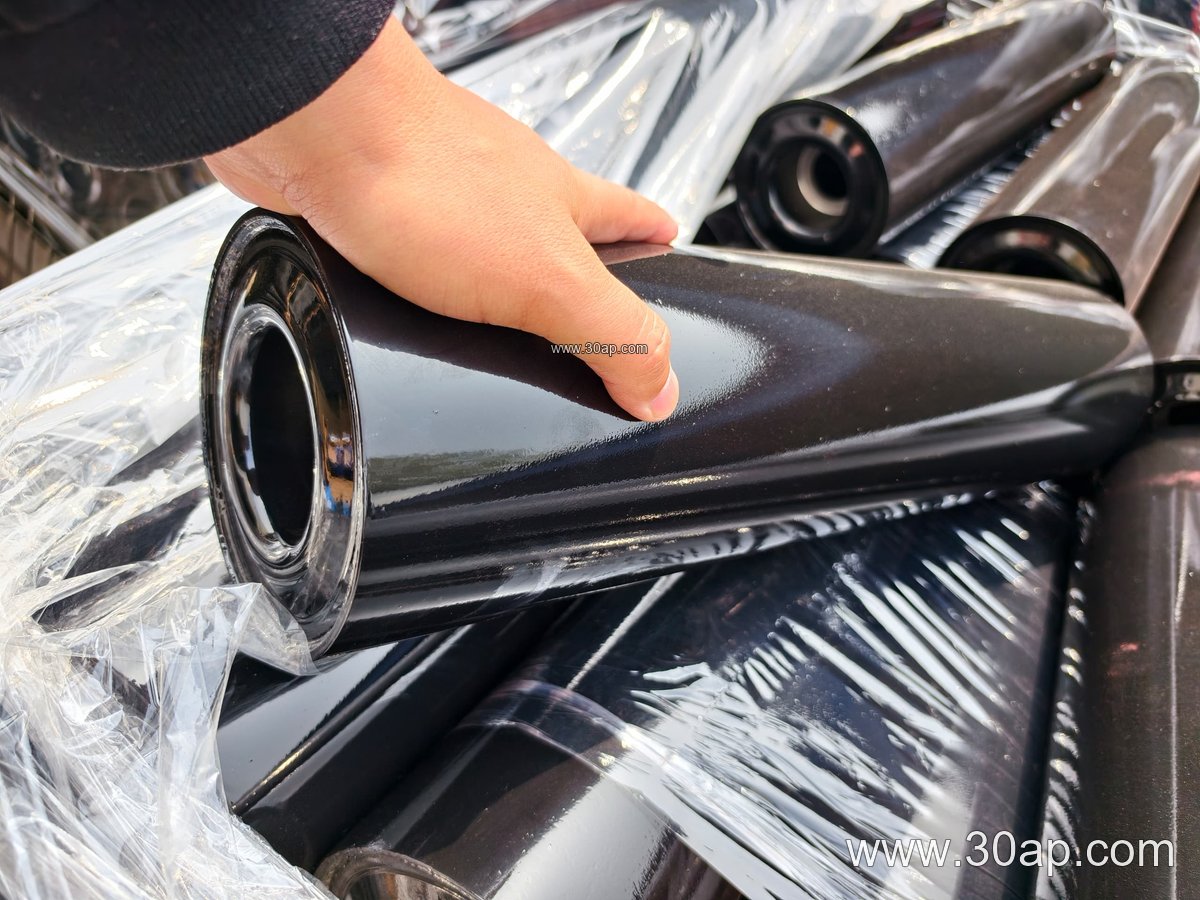
Where Comb Idlers Fit in a Plant
In a limestone quarry, a comb idler under the primary belt can reduce build-up when the stone is damp. In a cement plant, the same roller type helps keep clinker and raw meal from clinging to the belt surface. The disc pattern also suits sand and aggregate lines, crusher discharge belts, and tunnel spoil handling where fines are present.
The comb roller is often paired with a rubber conveyor belt or an EP conveyor belt in these duties. In coal mining, a flame retardant conveyor belt and a comb idler can work together on the surface section, while underground coal mining conveyor belt systems usually follow their own approval rules. In power plant coal handling, the roller keeps the belt tracking where dust is heavy.
Dimensions and Common Configurations
Comb idler sizes follow belt width and trough arrangement. The table below gives reference values, not a fixed match between one belt width and one roller diameter.
| Belt width | Common roller length (three-roll trough) | Typical roller diameter range |
|---|---|---|
| B500 | about 200 mm | Ø63 to Ø89 |
| B650 | about 250 mm | Ø76 to Ø108 |
| B800 | about 315 mm | Ø89 to Ø127 |
| B1000 | about 380 mm | Ø102 to Ø133 |
| B1200 | about 465 mm | Ø108 to Ø159 |
| B1400 | about 530 mm | Ø127 to Ø178 |
| B1600 | about 600 mm | Ø133 to Ø194 |
| B1800 | about 670 mm | Ø159 to Ø219 |
| B2000 | about 750 mm | Ø178 to Ø219 |
Trough angles of 20, 30, 35, and 45 degrees are common. Side rollers and center rollers may differ in length, so the figures above are only a starting point for layout. A 1200mm wide conveyor belt may use a different disc count than a 1200mm belt in another plant.
Buyer Checklist Before Ordering
Confirm the belt width, trough angle, and frame style first. Then specify the roller diameter, shaft end type, and bearing size. Ask whether the discs should be steel, nylon, or rubber rings, because this affects cleaning and belt wear. For abrasive duty such as iron ore or copper ore, a high abrasion resistant conveyor belt and a robust disc set are worth discussing together. For hot material, a heat resistant conveyor belt may need a roller with heat-tolerant components.
Also check the environment. A cold resistant conveyor belt in a northern quarry may call for low-temperature grease, while an oil resistant conveyor belt in a recycling line may need oil-tolerant seals. In food and fertilizer plants, a food grade conveyor belt or chemical resistant conveyor belt changes the cleaning routine around the idler.
Finally, think about maintenance access. Comb idlers can be inspected for missing discs, worn bearings, and bent shafts. Keep spare discs and bearings on hand, and check that the conveyor bracket matches the shaft end. A comb idler is a small part of the line, but the right specification keeps the belt running straight and the material moving.