What a Quarry Conveyor Belt Does on Site
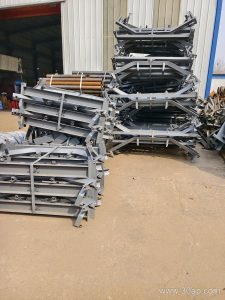
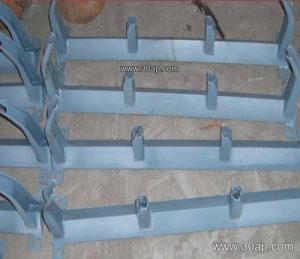
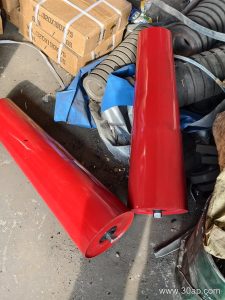
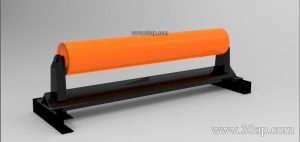
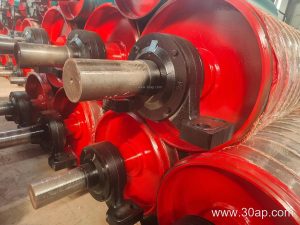
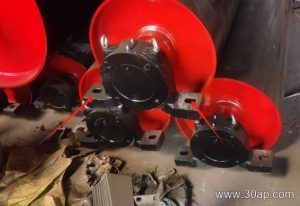
A quarry conveyor belt is the moving wear surface that carries blasted rock, crushed stone, screened aggregate and sand between the crusher, the screens, the stockpiles and the load-out area. In a sand and gravel plant or a stone crushing line, the belt is only one part of the machine, but it is the part that meets the load directly. It works together with the idler roller, the conveyor pulley and the conveyor bracket, and each of those parts has its own job. Drive pulleys pull, tail pulleys return, and bend pulleys change direction. They are not interchangeable, and the belt has to suit the whole layout rather than one component.
The duty is rarely gentle. Sharp edges, drop heights at transfer points, dust, wet weather and long operating hours all act on the same rubber surface. That is why a quarry conveyor belt is usually specified as a heavy-duty belt rather than a general-purpose one.
How the Belt Is Built
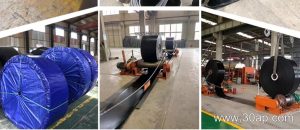
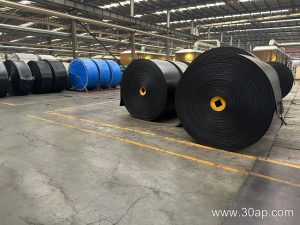
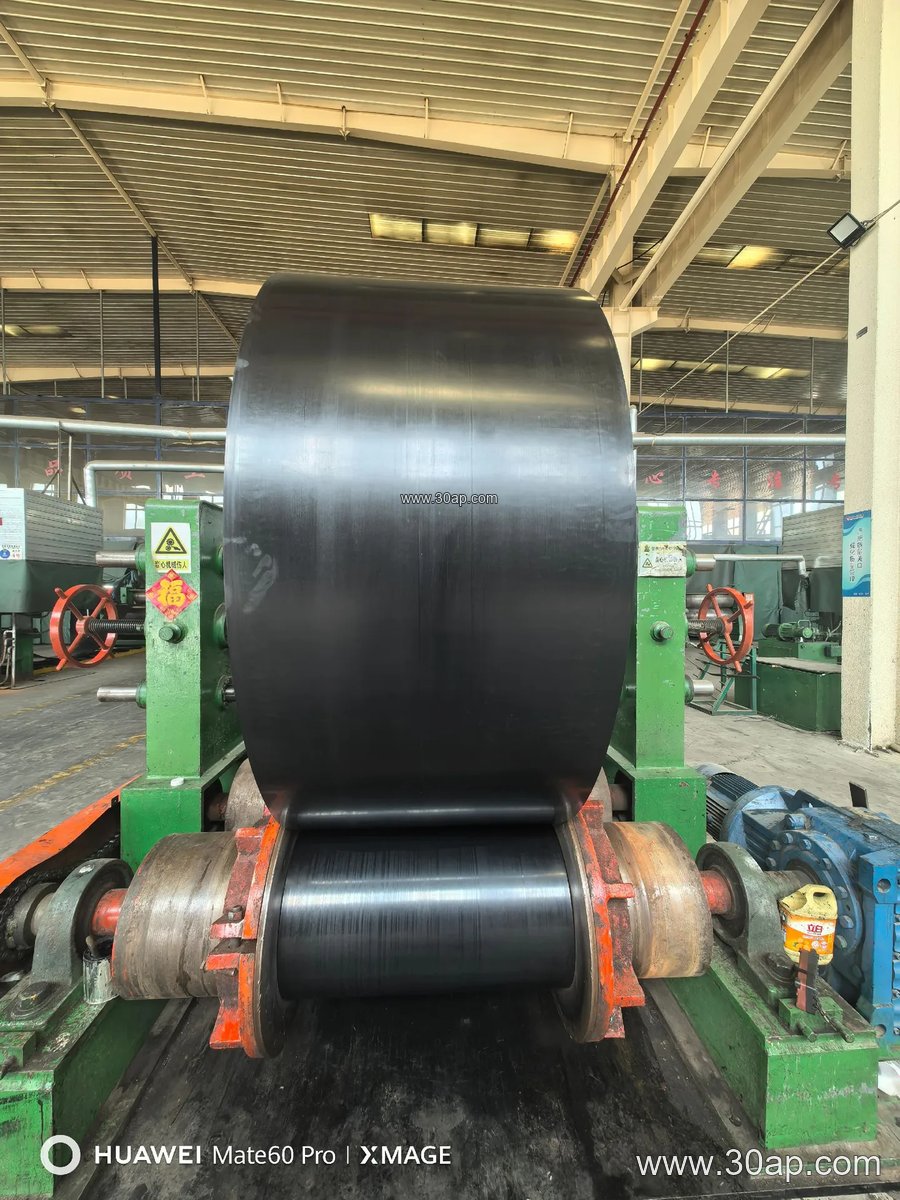
Most belts used in quarries are fabric-cored or steel-cord reinforced. The carcass carries the tension, while the top and bottom covers protect it from abrasion, impact and moisture. Common constructions include EP conveyor belt (polyester warp, nylon weft), NN conveyor belt (nylon warp and weft), and steel cord conveyor belt for long, high-tension runs. A multi-ply fabric core conveyor belt is also common where a balance between flexibility and strength is needed.
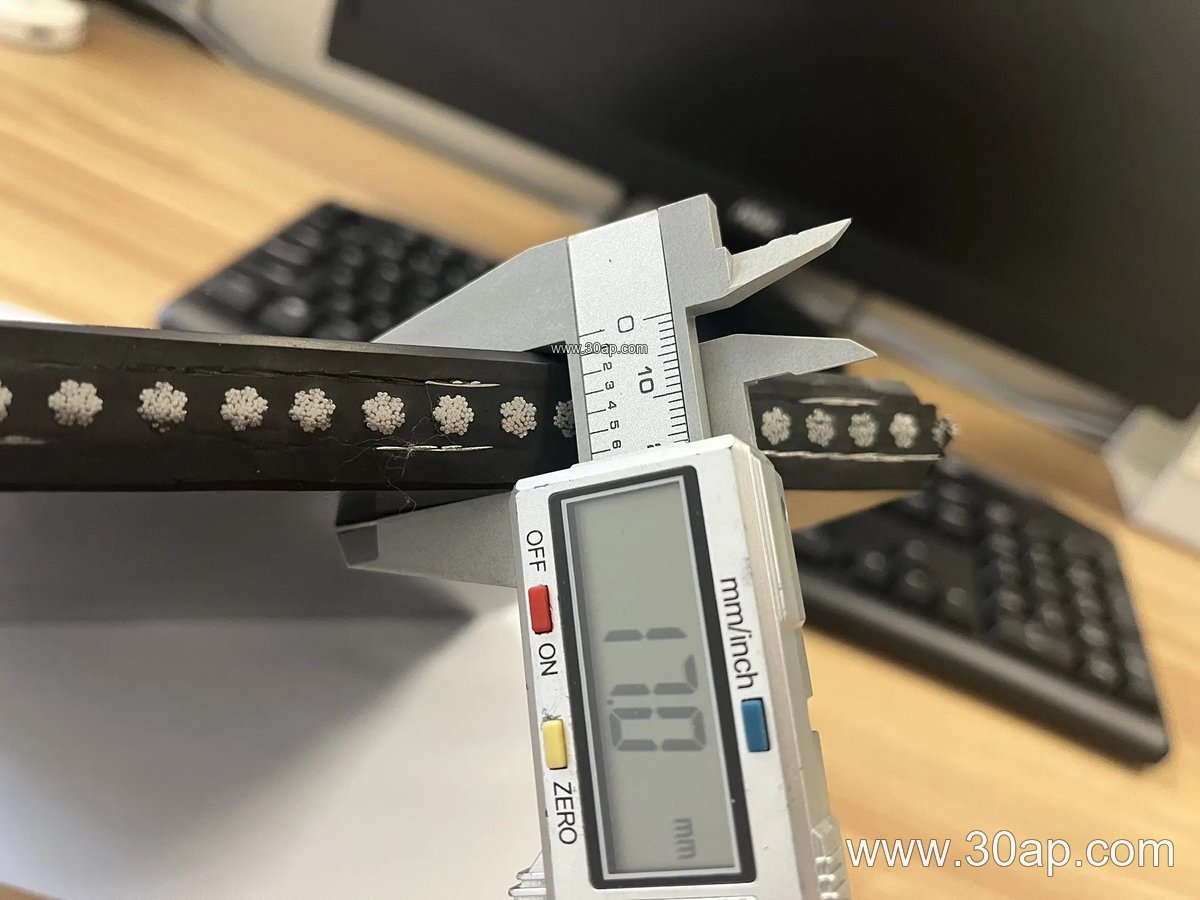
Cover thickness is normally written as top plus bottom, for example 4+2 mm or 6+2 mm. The carcass may have 2 to 6 plies depending on the duty. These figures are typical references, not fixed rules, and the final specification should follow the conveyor design.
Common reference values
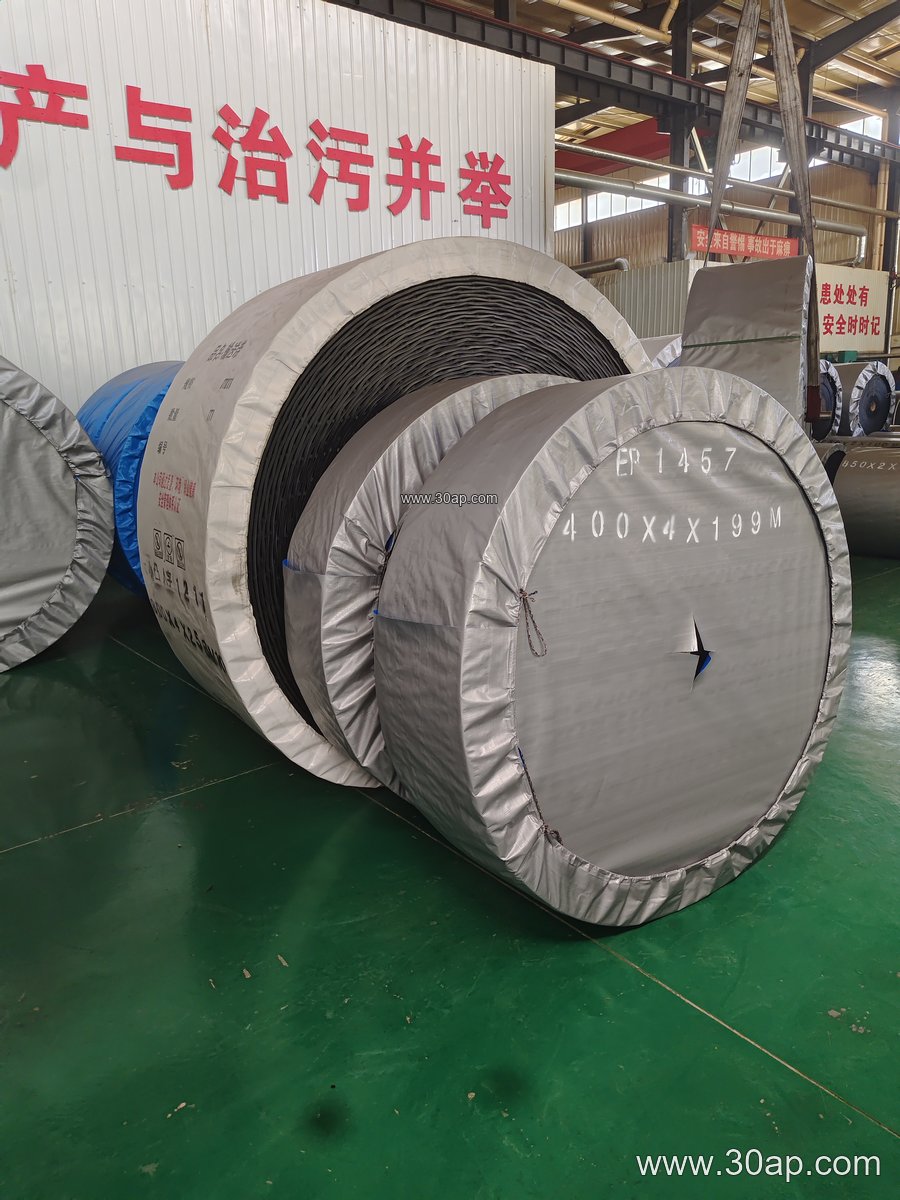
- Strength grades often seen: EP200, EP400, EP630, EP800, EP1000, EP1250
- Belt widths often seen: B500, B650, B800, B1000, B1200, B1400, B1600
- Cover combinations often seen: 3+1.5, 4+2, 5+2, 6+2, 8+3 mm
- Carcass plies often seen: 2 to 6
Width and pulley diameter are matched by design, not by a single fixed rule. A wider belt does not automatically mean one particular drive pulley size, and shaft diameter should come from the conveyor calculation, not from the belt width alone.
Where It Fits in the Plant
Quarries are not the only users. The same class of belt appears in cement plants, coal handling systems, power plants, steel plants, ports and recycling facilities. A mining conveyor belt may run underground, while an aggregate conveyor belt usually works above ground between screens and stockpiles. A crusher conveyor belt handles the discharge from the primary or secondary crusher, where impact is high. An ore conveyor belt may need extra resistance to abrasion and, in some cases, oil or chemicals.
Where the route climbs steeply, a chevron conveyor belt or a corrugated sidewall belt can help keep material from sliding back. In enclosed plants, a pipe conveyor belt may be chosen to control dust. For dusty or explosive atmospheres, an anti-static conveyor belt and a flame retardant conveyor belt are often considered together. Heat resistant conveyor belt grades matter near dryers or hot clinker, and a cold resistant conveyor belt is useful in freezing conditions.
Choosing the Right Specification
Start with the material: lump size, density, moisture and temperature. Then look at the duty cycle and the transfer points. A high abrasion resistant conveyor belt is a sensible default for hard rock, while an impact resistant grade helps under a crusher feed. Check whether the plant needs fire resistant or oil resistant properties, and confirm the cover thickness against the expected wear life.
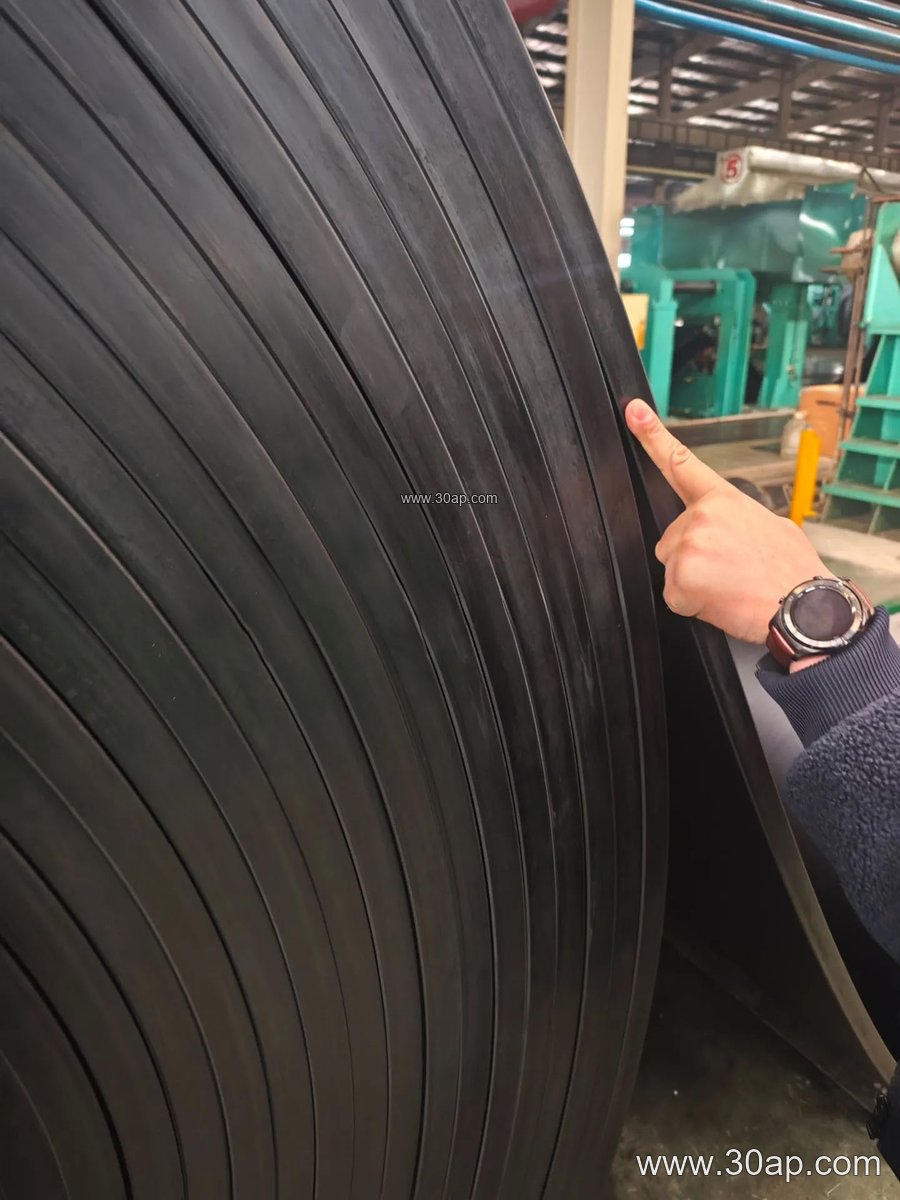
Buyers should also ask how the belt will be joined. An endless conveyor belt made at the factory reduces splice risk on critical runs, while open-length belt is easier to install on site. The idler roller spacing, pulley lagging and bracket condition all affect belt life, so a new belt on worn rollers may not last as expected.
Installation and Maintenance Notes
Alignment is the first defence against edge damage. Keep the tail pulley and bend pulleys square to the frame, check idler roller rotation, and inspect the conveyor bracket for looseness. At transfer points, reduce drop height and use skirts or impact beds to protect the cover. Track cover wear, edge fraying and splice condition during routine walks, and record them so replacement is planned rather than forced by a breakdown.
For more on matching belt, pulley and roller specifications for quarry and mining duty, see www.example.com/quarry-conveyor-belt and the related pages on www.example.com/conveyor-pulley, www.example.com/idler-roller and www.example.com/conveyor-bracket.