What the EP800 Conveyor Belt Is
The EP800 Conveyor Belt is a multi-ply fabric core belt built on polyester warp and polyamide weft fabric. In the EP family, the number refers to the nominal tensile strength per unit width of the carcass, so an EP800 belt sits in the mid-to-high strength range, above EP630 and below EP1000. Buyers searching for an EP rubber conveyor belt or an EP fabric core conveyor belt will find this grade in mines, quarries, cement works, power plants, steel plants and port terminals where moderate to heavy loads move continuously over long distances.
The carcass is the load-bearing part. Several fabric plies are bonded under heat and pressure with rubber skim between them, then covered top and bottom with abrasion resistant rubber. Polyester and polyamide work together to give low elongation at working tension and good resistance to fatigue and moisture. That combination is why fabric core conveyor belts remain popular where impact and troughing matter more than the very highest tension capacity.
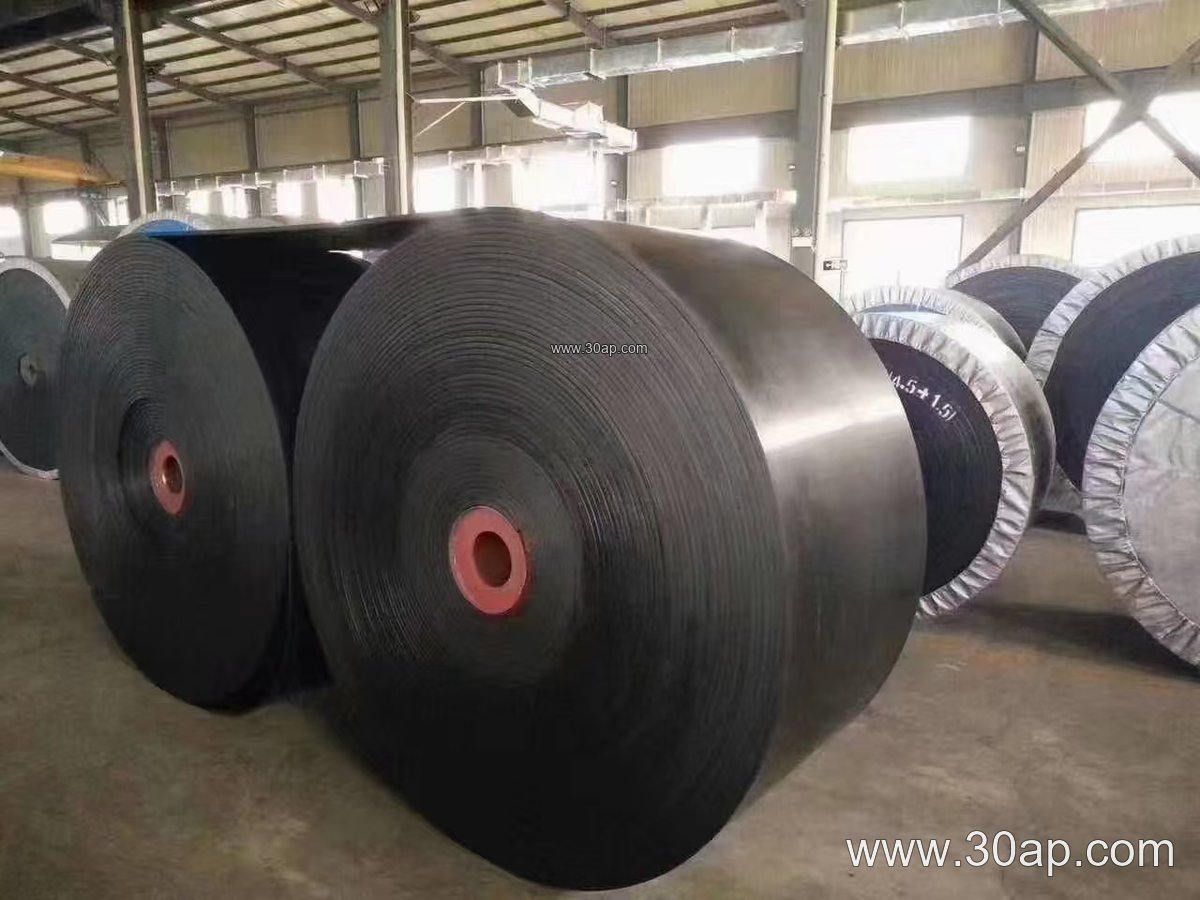
Construction and Typical Parameters
An EP800 belt is usually supplied with 2 to 6 plies depending on the tension requirement and the safety factor chosen by the conveyor designer. Cover rubber thickness follows the duty, with common combinations shown below. These figures are reference values only; actual construction is confirmed per order and per design.
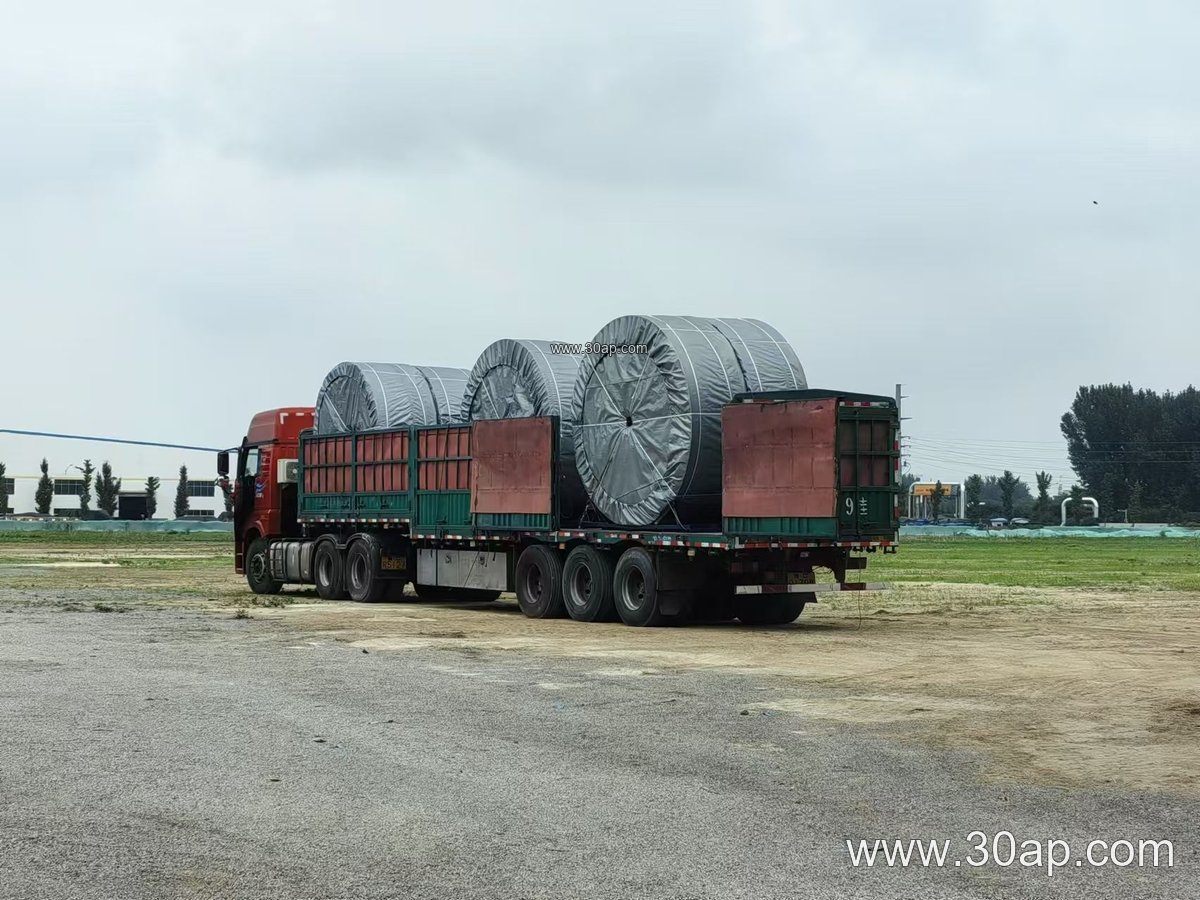
- Strength grade: EP800, positioned between EP630 and EP1000
- Ply count: commonly 2 to 6 layers of EP fabric
- Cover grades: abrasion resistant, heat resistant, flame retardant, oil resistant, cold resistant, anti-static
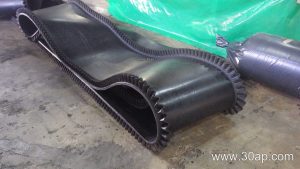
- Surface forms: plain, chevron conveyor belt, corrugated sidewall, skirted
- Widths: B500 up to B2000, with B800, B1000, B1200 and B1400 common in bulk handling
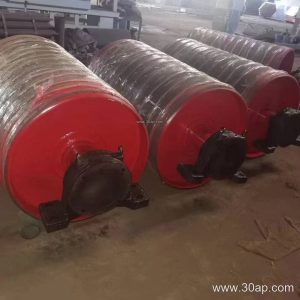
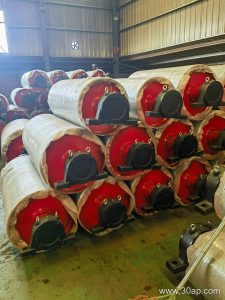
Cover thickness examples often quoted for this grade include 3+1.5 mm, 4+2 mm, 5+2 mm, 6+2 mm and 8+3 mm. A wider belt is not automatically tied to one pulley diameter; the drive pulley, tail pulley and bend pulleys are sized by belt tension, wrap angle and shaft loading, not by belt width alone. Each pulley type keeps its own role on the conveyor.
Where It Fits on a Conveyor
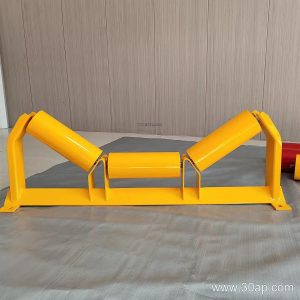
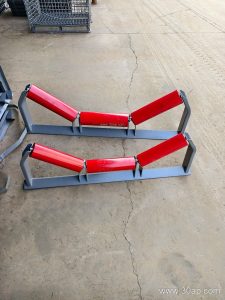
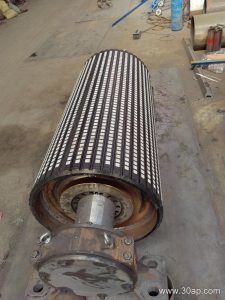
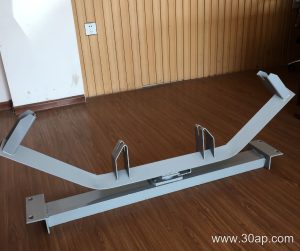
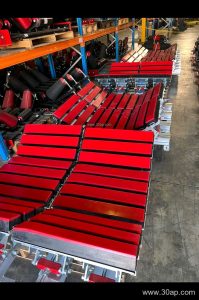
The belt runs over idler rollers that support the carry and return strands, turns around a drive pulley at the head and a tail pulley at the loading end, and follows the frame through conveyor brackets and stringers. On long overland lines, bend pulleys and take-up arrangements control sag and keep tension stable. A properly matched EP800 belt, idlers and pulleys work as one system, so a belt upgrade without checking roller spacing or pulley lagging may not deliver the expected life.
Industries and Working Conditions
Typical duty includes mining conveyor belts in coal and metal mines, quarry conveyor belts and aggregate conveyor belts feeding crushers and screens, cement plant lines moving clinker and raw meal, power plant coal handling, and port or ship loading systems. In these settings the belt may meet sharp rock, wet fines, oil mist or hot material. That is why the same EP800 carcass can be supplied with different covers: high abrasion resistant rubber for stone and ore, flame retardant and anti-static grades for underground coal mining conveyor belts, heat resistant compounds near kilns and sinter, and oil resistant covers around machinery.
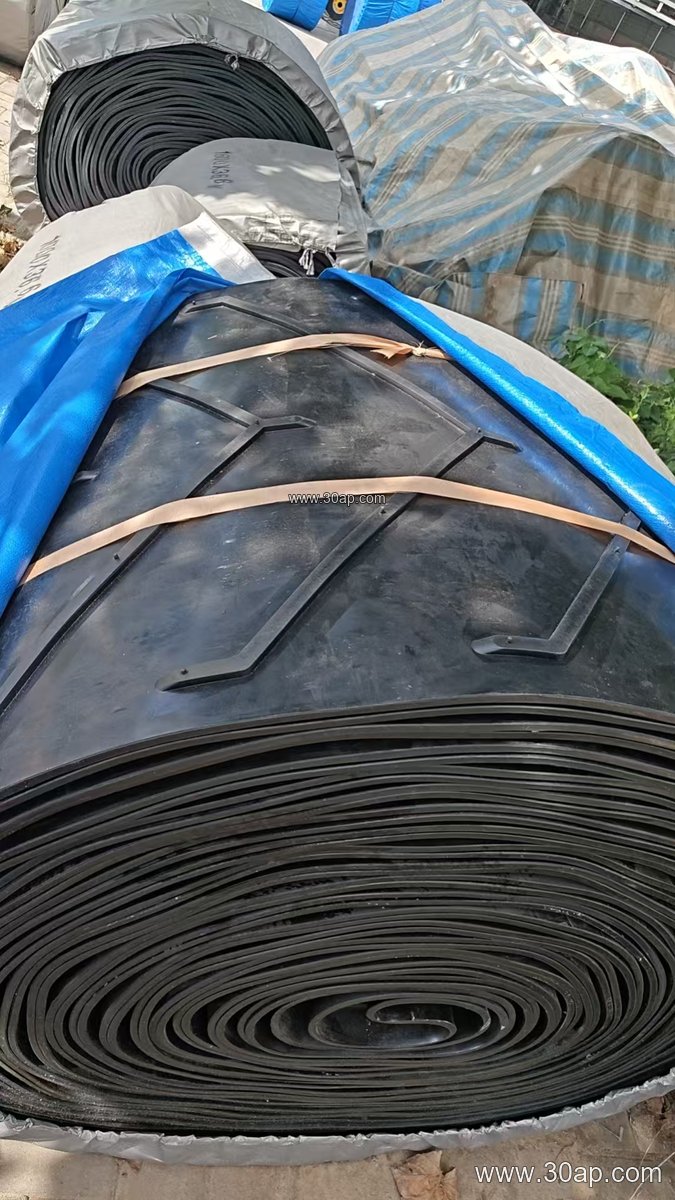
For very high tension or very long single flights, a steel cord conveyor belt may be the better fit; for lighter loads, an NN conveyor belt or thinner EP grade can be more economical. Chevron and corrugated sidewall forms suit steep inclines and confined spaces, while a pipe conveyor belt contains dust on sensitive routes. These alternatives are options to compare, not replacements for the EP800 grade itself.
Selection and Maintenance Notes
When specifying, confirm the peak tension, belt speed, material size and temperature, then choose ply count and cover grade together. Check that the drive pulley has enough lagging and that the tail pulley and bend pulleys are aligned with the belt path. Keep idler rollers turning freely and replace damaged ones early, since a seized roller can scorch or cut an otherwise sound belt. Track splice quality, edge wear and cover thickness during inspections, and store spare belts away from sunlight and ozone sources. For buyers comparing grades, EP1000 and EP1250 offer more headroom, while EP630 and EP500 may cover lighter sections of the same plant. A balanced choice across the conveyor, not the belt alone, gives the longest service life.