What a PVC Conveyor Belt Is
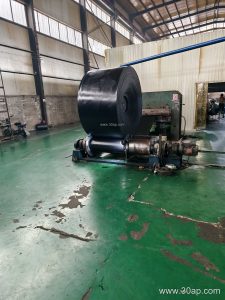
A PVC conveyor belt is a lightweight belt whose carcass is bonded with polyvinyl chloride covers rather than rubber. Instead of heavy rubber layers, the belt usually gets its surface from PVC compound, often with a fabric core inside for tensile strength. This construction makes the belt thinner, cleaner and easier to splice than many rubber belts, which is why it shows up on packaging lines, sorting tables, food handling equipment and light assembly conveyors. In plants that also run a Rubber Conveyor Belt on the main haul, the PVC belt is typically kept for secondary or precision duties.
People sometimes call it a PVC conveyor belt, a polyvinyl chloride conveyor belt, or simply a PVC belt. All three refer to the same product family, and the covers and carcass decide how it performs.
How the Belt Is Built
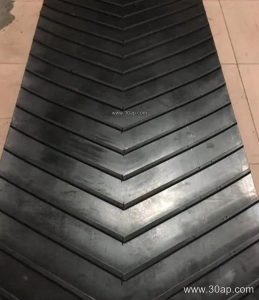
The carcass is the load-bearing part. In most PVC belts it is a woven fabric, often polyester or a polyester-cotton blend, supplied in one or more plies. The PVC compound is applied to one or both faces and penetrates the fabric during calendering or lamination. Surface finish ranges from smooth to textured, and some belts carry cleats, guides or a profile for inclined transport.
Key construction points a buyer should confirm:
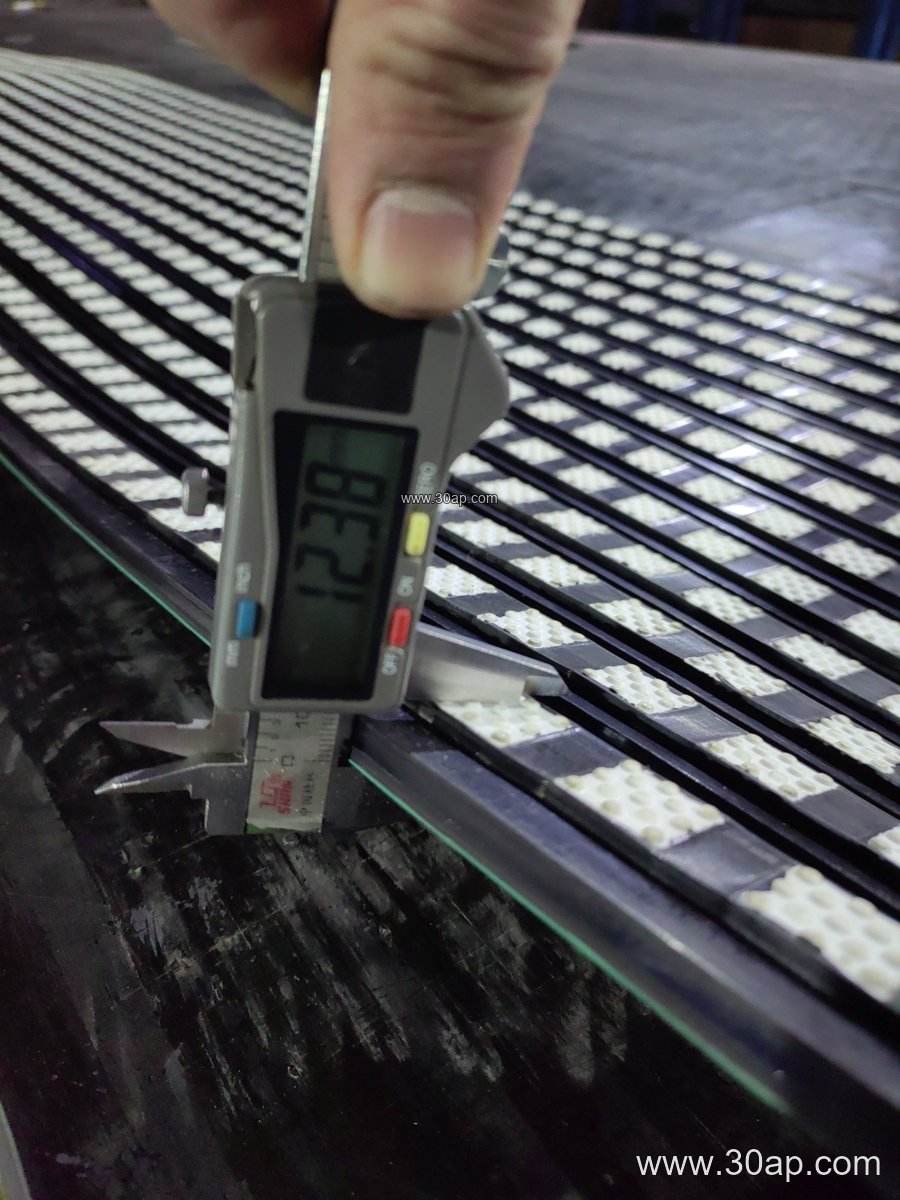
- Number of fabric plies and the tensile strength of the carcass
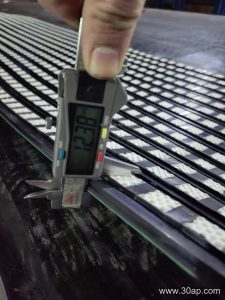
- Cover thickness on the top and bottom face
- Surface pattern, such as smooth, matte, grip or cleated
- Whether the belt is made endless or supplied open for on-site splicing
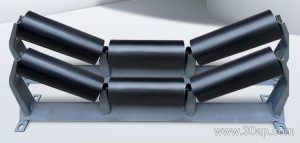
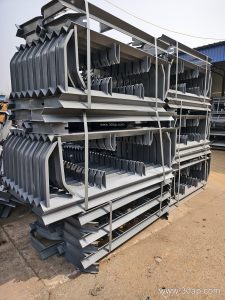
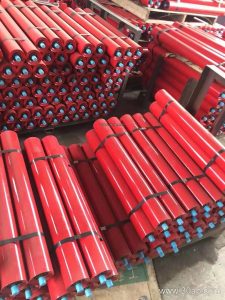
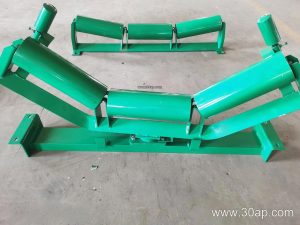
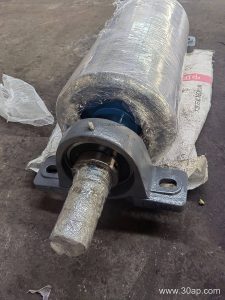
An Endless Conveyor Belt version is common for short, fixed-center lines because it avoids a joint and runs smoothly on small pulleys. On a conveyor frame, the belt runs over a conveyor pulley at each end and is supported by an idler roller or a slider bed; brackets and a conveyor bracket hold the frame together. Drive, tail and bend pulleys each do a different job, so they should never be treated as interchangeable parts.
Typical Applications
PVC belts suit moderate loads and clean or semi-clean environments. Common uses include:
- Food and beverage lines where a wipe-down surface is preferred
- Logistics and parcel sorting, including check-in conveyors
- Light manufacturing and assembly transfer
- Recycling and waste sorting where light fractions move fast
- Agriculture and grain handling in smaller circuits
Heavy industries such as mining, coal preparation, cement plants, power stations and quarries usually need higher tension and abrasion resistance. There, an EP Conveyor Belt, an NN belt, or a steel cord belt is a better fit for long hauls and sharp material. A PVC belt can still serve in those sites on light auxiliary duties, but it is not the right choice for primary crusher feed or high-impact transfer points.
Common Reference Sizes
The table below shows typical reference values. Actual supply depends on the application and the manufacturer, so treat these as starting points rather than fixed catalog promises.
| Parameter | Common reference range |
|---|---|
| Belt width | B500, B650, B800, B1000, B1200 mm |
| Fabric plies | 2 to 4 plies, sometimes more |
| Cover combination | 3+1.5, 4+2, 5+2 mm |
| Surface form | Smooth, matte, grip, cleated |
| Joint | Endless or open with splice |
Width should be matched to the load and the pulley face, and no single belt width fixes one pulley diameter. Shaft size and pulley dimensions come from the conveyor design, not from the belt width alone.
What to Check Before Buying
Start with the material being carried. Its weight, temperature, oil content and sharpness decide whether a standard PVC cover is enough or whether a Heat Resistant Conveyor Belt or an Oil Resistant Conveyor Belt is needed. For cold stores, a cold-resistant grade matters; for dusty or explosive atmospheres, an Anti-Static Conveyor Belt or a flame retardant option may be required. Food contact calls for a Food Grade Conveyor Belt with suitable documentation from the supplier.
Next, check the conveyor itself: pulley diameters, take-up travel, belt speed and the smallest pulley the belt must bend around. A thick, stiff belt on a small pulley can crack or track badly. Confirm the splice method, the direction of travel and whether the belt needs tracking guides.
Finally, plan maintenance. Keep the belt clean, check the conveyor pulley lagging and the idler roller rotation, and re-tension as the belt stretches. Store spare belts flat and away from sunlight. Buying from a supplier who can confirm ply count, cover thickness and joint type will save rework later, and for mixed plants it helps to compare the PVC option against a fabric core belt before committing the whole line.