What a Belt Conveyor Bracket Does on the Line
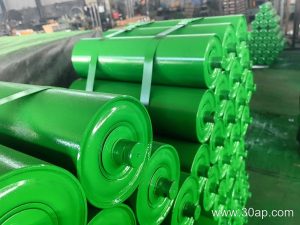
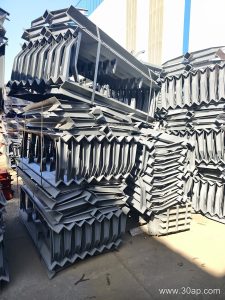
A belt conveyor bracket is the structural part that holds idler rollers at the correct position and angle under the conveyor belt. On a typical troughed conveyor, the bracket carries the idler roller shaft, keeps the belt in its trough shape, and transfers the load of the material into the conveyor frame. The same component is often called a conveyor bracket or idler bracket, and it appears at every station along the carrying side and the return side.
The bracket is easy to overlook because it is a static part, but it decides how well the belt tracks, how evenly the load sits, and how quickly rollers can be changed during maintenance. In a quarry, a cement plant, or a power plant coal yard, a poorly matched bracket shows up as belt edge wear, material spillage, and unnecessary downtime.
Construction and Common Types
Most brackets are fabricated from angle steel, channel steel, or folded steel plate, then drilled or slotted so the idler shaft can be fixed or adjusted. Welded brackets usually receive a protective coating, while bolted designs allow easier replacement on site.
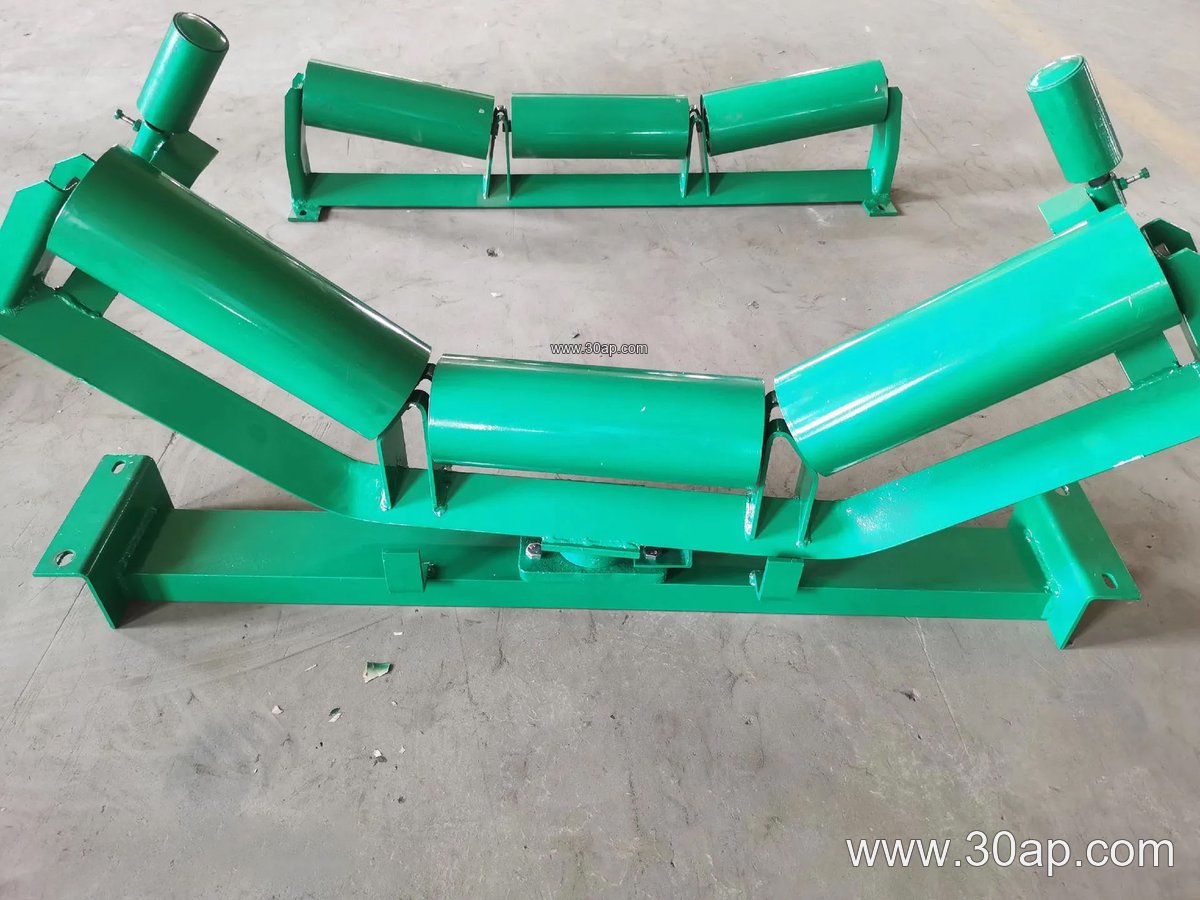
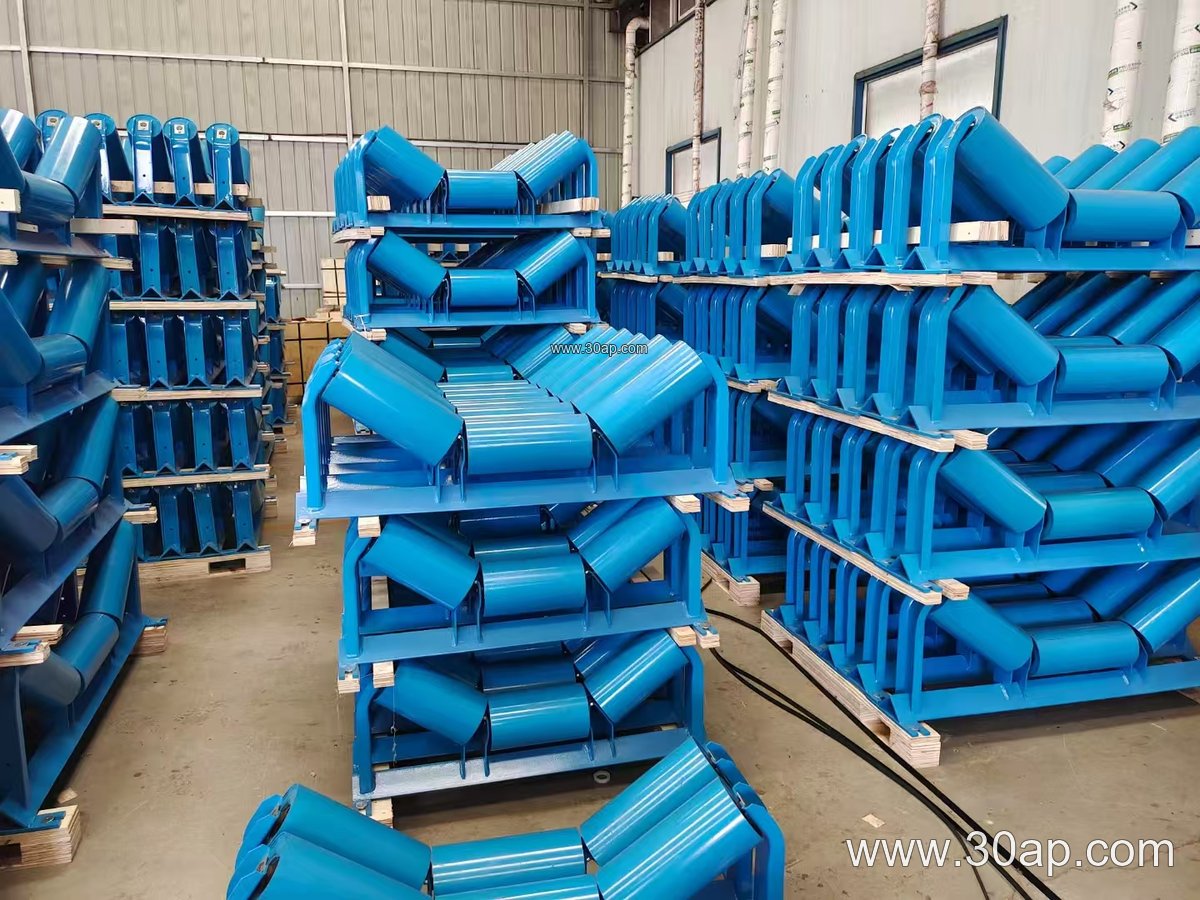
Common forms include the trough bracket on the carrying side, the transition bracket near the head and tail, the return bracket and V-return bracket on the lower run, and impact brackets under loading points. Self-aligning and forward-leaning brackets are used where belt tracking needs help. Hanging brackets suit certain mobile or compact frames.
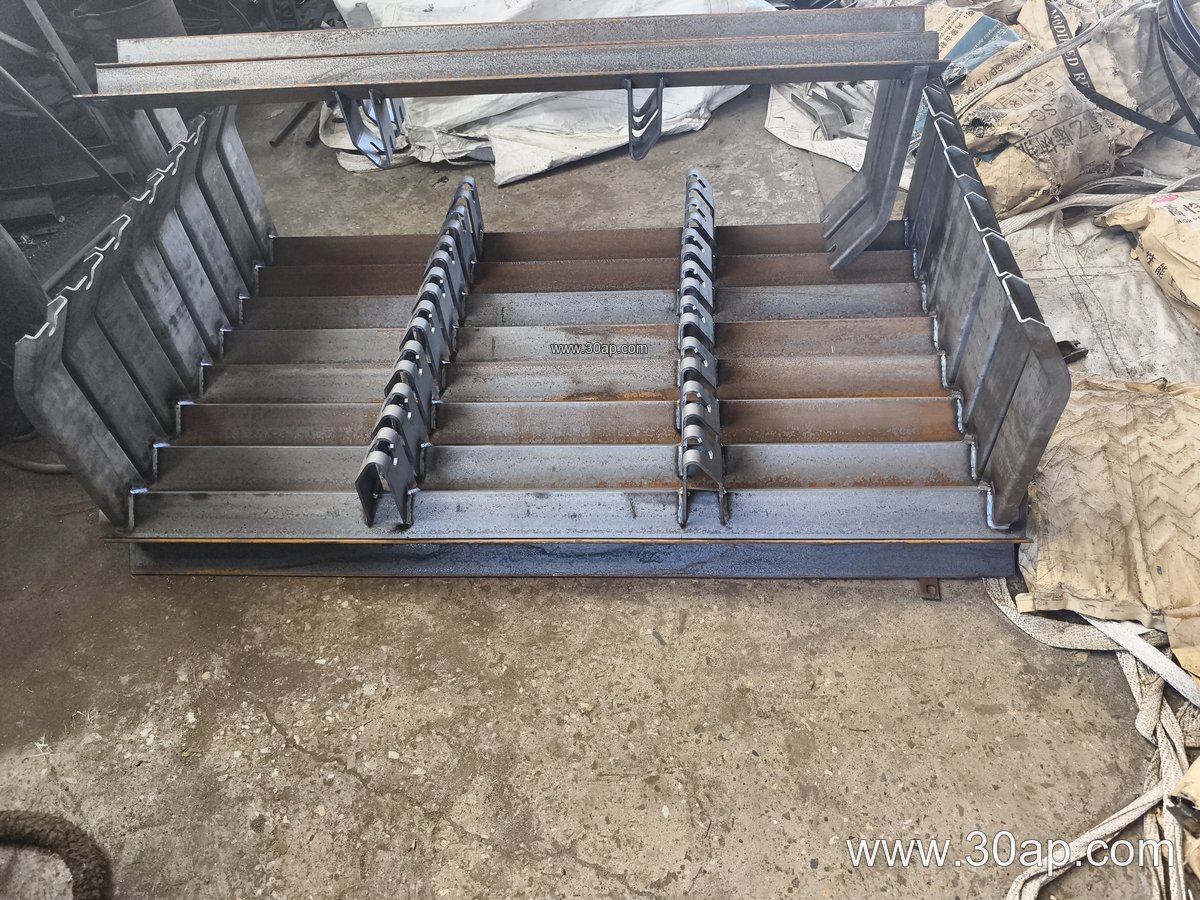
- Trough bracket: supports the upper idlers and sets the trough angle.
- Transition bracket: eases the belt from flat to troughed shape.
- Return bracket: carries the lower idlers under the belt.
- Impact bracket: adds cushioning at the feed point.
- Adjustable bracket: allows the trough angle to be changed within a range.
Trough Angle, Belt Width and Roller Diameter
The trough angle and the roller diameter should be selected together with the belt width and the material being handled. A 20 degree trough suits some light or sticky materials, while 30 and 35 degrees are widely used for bulk materials, and 45 degrees is chosen where a deeper trough is needed. An adjustable bracket can often be set between these angles, but the final setting depends on the conveyor design.
Typical reference combinations look like B800 with 35 degrees and Ø108 rollers, B1200 with 45 degrees and Ø133 rollers, or B650 with 30 degrees and Ø89 rollers. These are examples only. Belt width does not lock the bracket to one angle or one roller diameter, and the shaft diameter must come from the idler and frame design rather than from belt width alone. Mounting hole spacing and cross beam length change with belt width and trough angle, so they are confirmed per project.
Reference Data for Brackets and Rollers
The table below lists common reference values. They are not mandatory specifications and should be checked against the actual conveyor drawing.
| Item | Common reference values | Notes |
|---|---|---|
| Belt width | B500, B650, B800, B1000, B1200, B1400, B1600, B1800, B2000, B2200 | Bracket length follows belt width |
| Trough angle | 20°, 30°, 35°, 45° | Adjustable types can be set within a range |
| Forward lean | About 1.5° to 2° | Used for belt tracking assistance |
| Roller diameter | Ø89, Ø108, Ø133, Ø159, Ø194 | Matched to load and belt speed |
| Material | Angle steel, channel steel, folded plate | Coating depends on site conditions |
Where These Brackets Are Used
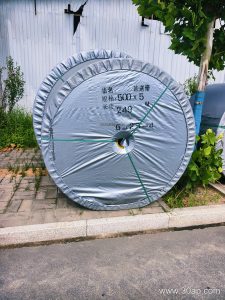
In a limestone quarry or a sand and gravel line, trough brackets and impact brackets work together at the crusher feed and discharge points, where a heavy-duty or abrasion resistant conveyor belt takes the impact of large lumps. In a coal handling system at a power plant, flame retardant conveyor belt and anti-static belt grades are common, and the bracket layout must leave enough room for cleaning around the return idlers.
In cement plants, heat resistant conveyor belt may be needed near clinker handling, while a quarry conveyor belt handles raw stone on long inclined runs. Similar brackets serve iron ore, copper ore, and other ore conveyor belt systems, as well as port ship loading lines and fertilizer or grain silo operations.
Buyer Checklist
- Confirm belt width, trough angle, roller diameter, and mounting hole spacing from the drawing.
- State whether the bracket is fixed or adjustable, and whether a forward-leaning version is required.
- Check the frame connection details and the available space for idler removal.
- Match the bracket material and coating to dust, moisture, and temperature at the site.
- Order brackets together with idler roller and conveyor pulley data so the whole station fits.
For related components such as conveyor belt, idler roller, and conveyor pulley, keep one consistent data sheet for each conveyor section. A well-matched belt conveyor bracket is a small part of the total cost, but it keeps the belt centered, protects the rollers, and makes routine maintenance faster in mines, cement works, power plants, and aggregate yards.