What a Drive Lagged Pulley Does
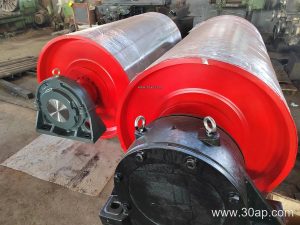
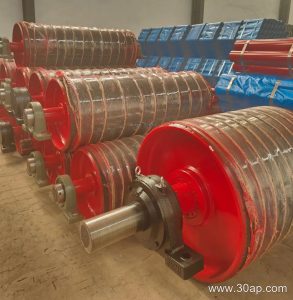
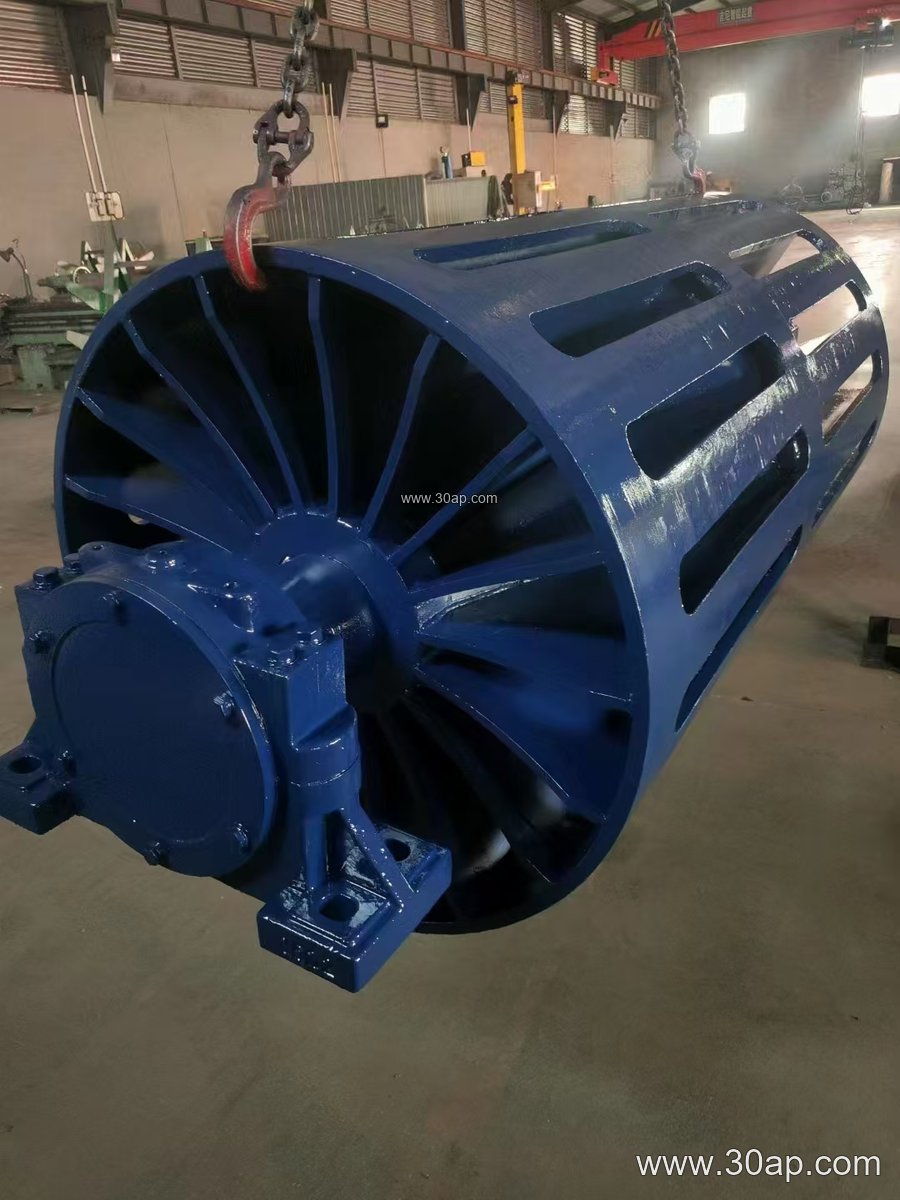
A drive lagged pulley is the powered head pulley in a belt conveyor, fitted with a rubber or ceramic lagging layer on its shell to raise friction between the drum face and the conveyor belt. Because it transmits torque from the gearbox to the belt, grip matters. A bare steel shell can slip once the belt is wet, dusty, or heavily loaded; the lagging restores the coefficient of friction and protects the shell from wear. In mining conveyor systems, cement plant clinker lines, power plant coal handling, and quarry aggregate circuits, this component is often the difference between steady output and constant belt tracking problems.
The accurate equivalent name is a lagged head drive drum or lagged drive drum. Drive, tail, and bend pulleys are not interchangeable terms: a tail pulley is normally unpowered and located at the return end, while a bend pulley changes belt direction. Only the drive drum carries motor torque.
Construction and Lagging Options
The drum body is usually a welded steel shell with machined end discs, a shaft, bearing housings, and a keyed or shrink-fitted connection to the drive coupling. Lagging is applied in several ways, and the choice depends on the material being carried and the environment.
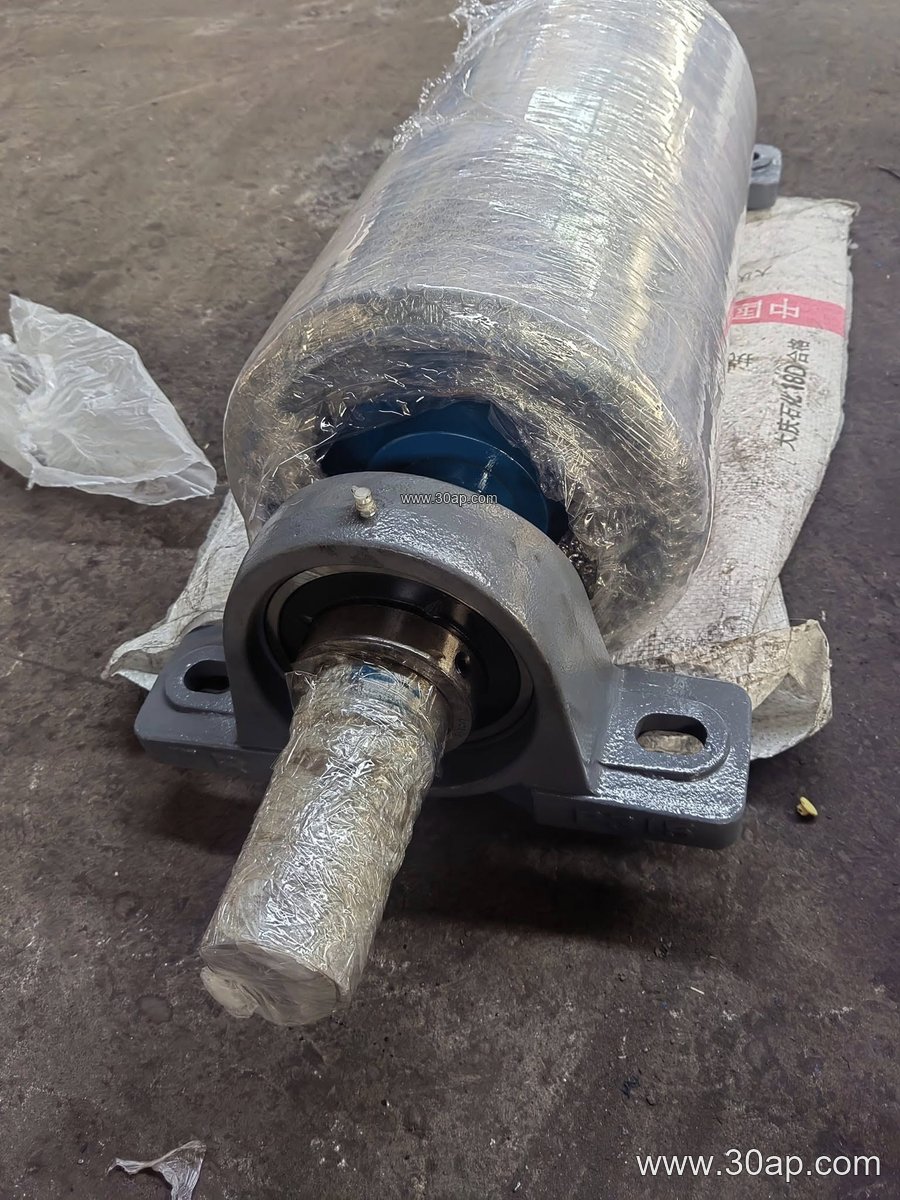
- Hot vulcanized rubber lagging — bonded under heat and pressure, suitable for heavy-duty mining conveyor belts and long service intervals.
- Cold bonded rubber — practical for workshop or on-site replacement.
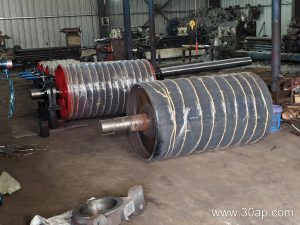
- Diamond groove lagging — channels water and fines away, useful where wet conditions cause slip.
- Herringbone lagging — assists self-centering on reversing or heavily loaded belts.
- Ceramic lagging — high abrasion resistance for crusher conveyor belts and iron ore or copper ore duty.
Common lagging thicknesses are 8, 10, 12, 15, and 20 mm. Thicker lagging is not automatically better; it reduces the effective drum diameter and must be matched to the belt tension and pulley load.
Matching Belt Width, Drum Diameter, and Shaft
Buyers often ask for a size combination such as B1200 × Ø1000 or B800 × Ø500. These are design examples, not fixed rules. The pulley face width is usually slightly wider than the belt, for example about 1400 mm for a B1200 belt or about 950 mm for a B800 belt. Diameter is determined by belt tension, the number of plies, and the minimum bend radius recommended for the belt construction.
| Belt width | Typical pulley face width | Possible drum diameter range |
|---|---|---|
| B500 | about 600 mm | Ø250 to Ø400 |
| B800 | about 950 mm | Ø400 to Ø630 |
| B1200 | about 1400 mm | Ø630 to Ø1000 |
| B1600 | about 1800 mm | Ø800 to Ø1250 |
| B2000 | about 2200 mm | Ø1000 to Ø1600 |
Shaft diameter is selected from torque and bearing load, not from belt width alone. Common shaft sizes include Ø80, Ø100, Ø120, Ø140, Ø160, Ø180, and Ø200, but the final value must come from the conveyor design calculation.
Where the Lagged Drive Drum Is Used
In a coal mining conveyor or underground coal mining conveyor, flame retardant conveyor belt and anti-static conveyor belt are common, and the drive pulley lagging must also meet the same safety intent. In a limestone quarry or sand aggregate line, abrasive dust shortens bare shell life quickly, so abrasion resistant lagging pays back. In cement plants, heat resistant conveyor belt may run close to the drive, and the lagging compound should tolerate warm clinker dust. Port bulk material systems with long overland conveyors often use steel cord conveyor belt, where the drive drum diameter must respect the cord belt’s minimum pulley diameter.
Buyer Checklist
- Confirm the belt type and tension: EP conveyor belt, NN conveyor belt, multi-ply fabric core, or steel cord conveyor belt each carries different demands.
- State the actual belt width and required face width, not just a nominal figure.
- Specify lagging material, groove pattern, and thickness, plus whether the drum is plain, crown-faced, or has a removable lagging shell.
- Provide the shaft diameter, bearing type, and drive arrangement so the pulley matches the conveyor bracket and gearbox.
- Ask for dynamic balance and inspection records rather than assuming a standard.
For more on conveyor pulleys, idler rollers, and belt selection, visit conveyor-pulley.com and belt-conveyor.com. A correctly specified drive lagged pulley keeps the belt running true from the crusher discharge to the stockpile, and it is one of the least expensive ways to avoid unplanned stoppages.