What a Rock Conveyor Belt Is
A rock conveyor belt is a heavy-duty conveyor belt built to carry crushed stone, ore, gravel, and other abrasive bulk materials. In a mine, quarry, cement plant, or sand and gravel yard, the belt is the moving surface that links the crusher, screen, and stockpile. The same product is often called an ore conveyor belt or a high abrasion resistant conveyor belt, because rock handling puts abrasion and impact ahead of most other demands.
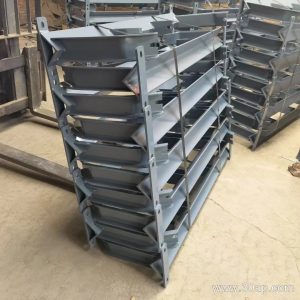
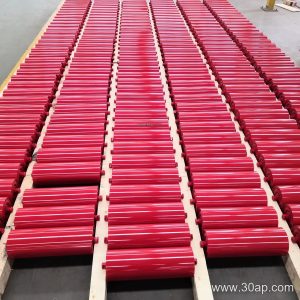
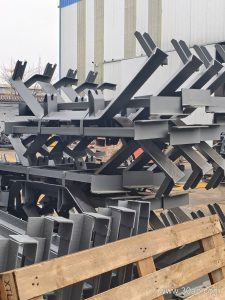
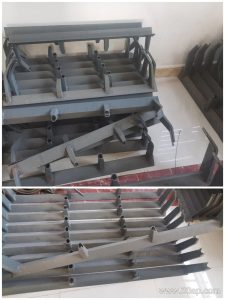
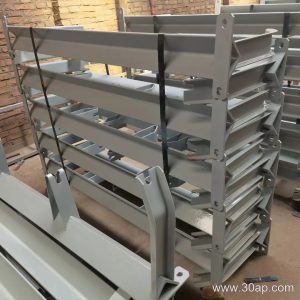
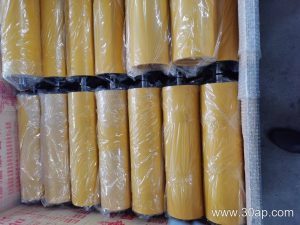
Because rock is heavy and sharp, the belt carcass and the rubber cover matter more than in light-duty conveying. A typical rock belt uses a fabric core or a steel cord core, with thick top and bottom covers. The belt runs on a frame supported by idler roller sets and turns around a head conveyor pulley and a tail pulley. Brackets and the conveyor bracket hold the idlers in line.
Construction and Common Specifications
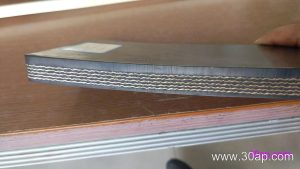
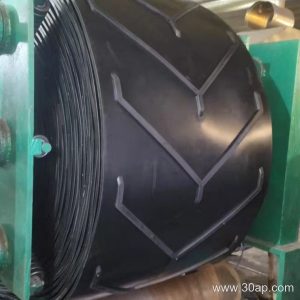
The carcass gives the belt its strength. EP (polyester-cotton) and NN (nylon-nylon) fabric cores are common in quarry and aggregate duty, while steel cord belts are chosen for long runs and high tension. Cover rubber is usually an abrasion resistant compound; heat resistant, oil resistant, and flame retardant versions are available where the plant requires them. Chevron, skirted, and corrugated sidewall forms can be used when the conveyor climbs a steep incline.
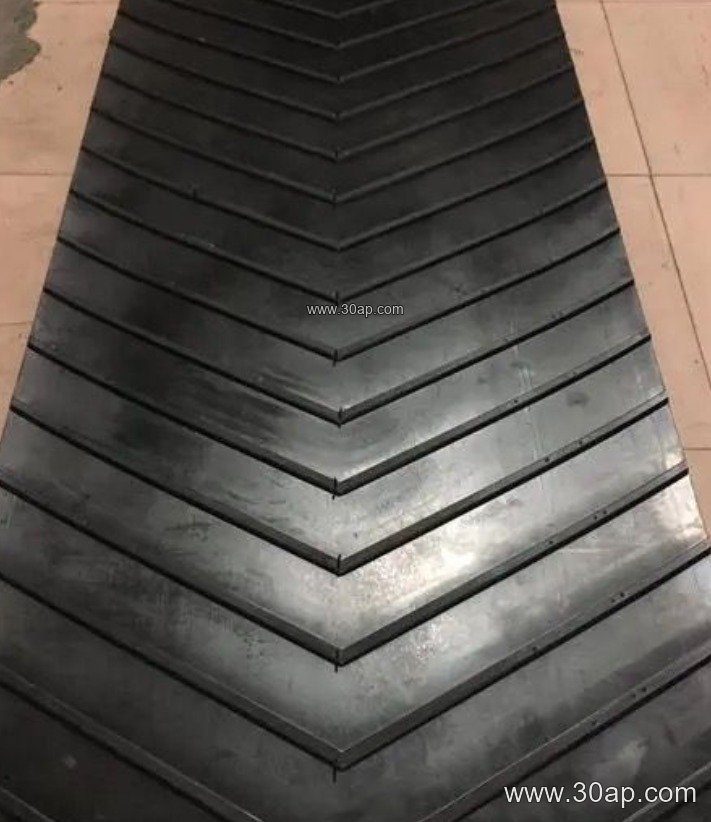
Reference data below shows typical ranges, not fixed supply promises. Actual values are set by the conveyor design and confirmed with the belt maker.
| Item | Common reference |
|---|---|
| Belt type | EP200, EP315, EP400, EP500, EP630, EP800, EP1000; NN100 to NN400; steel cord ST1000 to ST2500 |
| Belt width | B500, B650, B800, B1000, B1200, B1400, B1600, B1800, B2000 |
| Cover thickness | 3+1.5, 4+2, 5+2, 6+2, 8+3 mm |
| Fabric plies | Usually 2 to 6 layers |
An EP1000 belt at 1200 mm width is a common combination in a primary crushing circuit, but belt width and pulley diameter are matched by the conveyor designer, not by a single rule. Shaft diameter is calculated from the load and the pulley type, never from belt width alone.
Where Rock Belts Are Used
These belts appear across mining and heavy industry. In an iron ore or copper ore line, a steel cord belt may carry run-of-mine material over long distances. In a coal mining operation, a flame retardant belt is often required underground. Cement plants use heat resistant belts near the kiln and abrasion resistant belts for clinker and limestone. Power plants, ports, and recycling yards also rely on heavy-duty belts for bulk material handling.
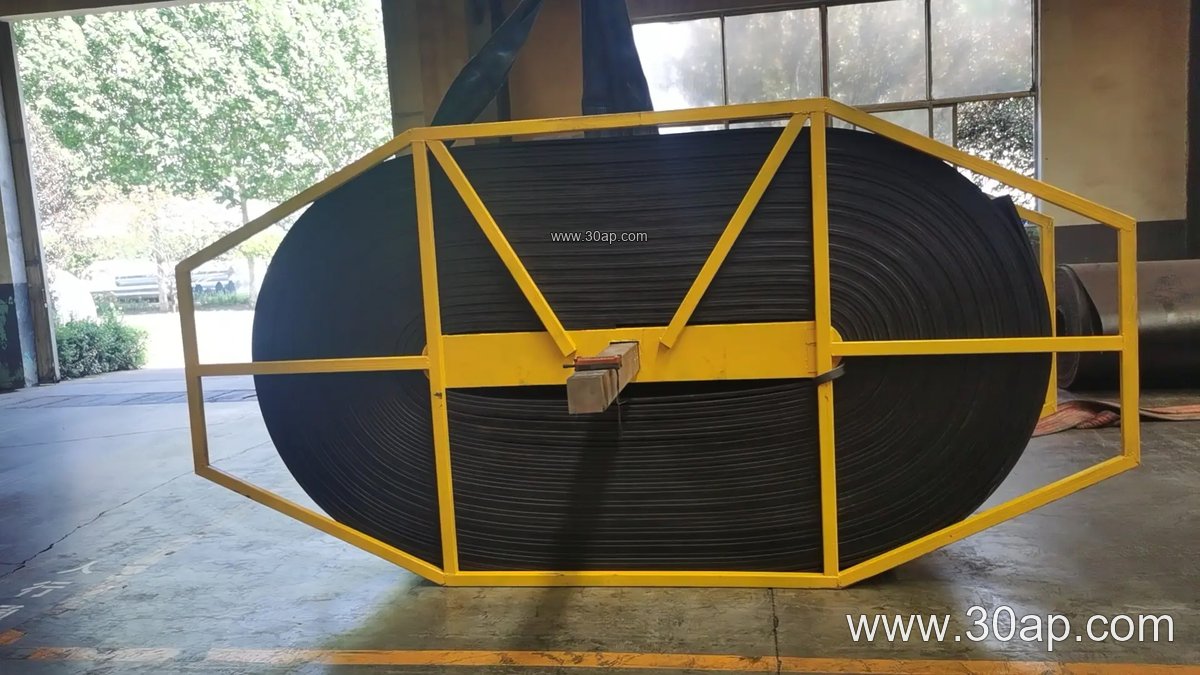
In a stone crushing plant, the crusher conveyor belt receives sharp, fast-moving rock, so impact idlers and a thick top cover help protect the carcass. A quarry conveyor belt on a stockpile stacker may be a chevron or corrugated sidewall type to handle the incline. The same site may also need a heat resistant conveyor belt for asphalt or a cold resistant belt in winter service.
Selection Points for Buyers
- Confirm the material size, lump weight, and drop height, since impact drives cover thickness and idler choice.
- Check the required tensile strength and choose the carcass grade, not just the belt width.
- Match the cover to the environment: abrasion resistant for rock, flame retardant for underground coal, heat resistant near hot material.
- Review the pulley and idler arrangement with the conveyor designer so the belt, pulley, and idler roller work as one system.
- Ask for the belt’s recommended minimum pulley diameter for the selected carcass and ply count.
Maintenance and Safe Operation
Rock belts wear at the loading point first. Keep skirt rubber and impact idlers in good condition, check belt tracking, and inspect splices regularly. A misaligned belt rubs the frame and the conveyor bracket, which shortens cover life. Clean spillage from return idlers and confirm that the tail pulley and bend pulleys turn freely. For flame retardant or fire resistant belts used in coal mining, follow the site’s inspection schedule and keep the belt free of combustible dust buildup.
Buyers should request test reports for the specific belt grade and confirm cover thickness and ply count before ordering. A rock conveyor belt is a long-term wear part, so the right carcass, cover, and pulley match matter more than a single headline number.