What the Ø89 Trough Idler Does on a Conveyor
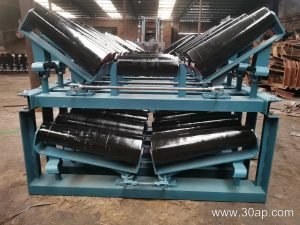
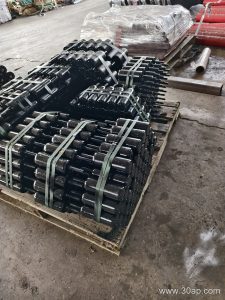
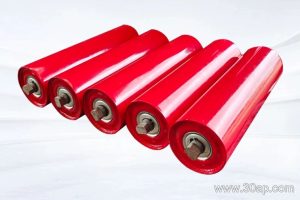
The Ø89 trough idler is a carrying roller with an 89 mm outside diameter, grouped in sets to form a trough that cradles the conveyor belt. The trough shape keeps bulk material centered and reduces spillage on the carrying side. This idler size sits between smaller rollers used on light belts and larger rollers used on high-capacity lines, so it appears on many medium-duty conveyors. A trough idler set may have one roller, two rollers, or the familiar three-roller arrangement. The three-roller version is common because it supports the belt across its full width while forming a stable trough profile.
How a Ø89 Trough Idler Is Built
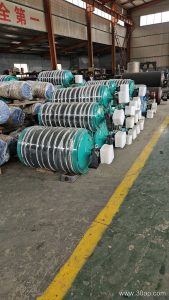
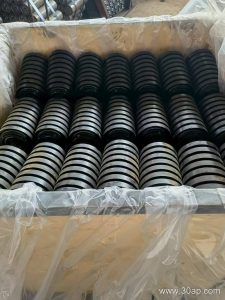
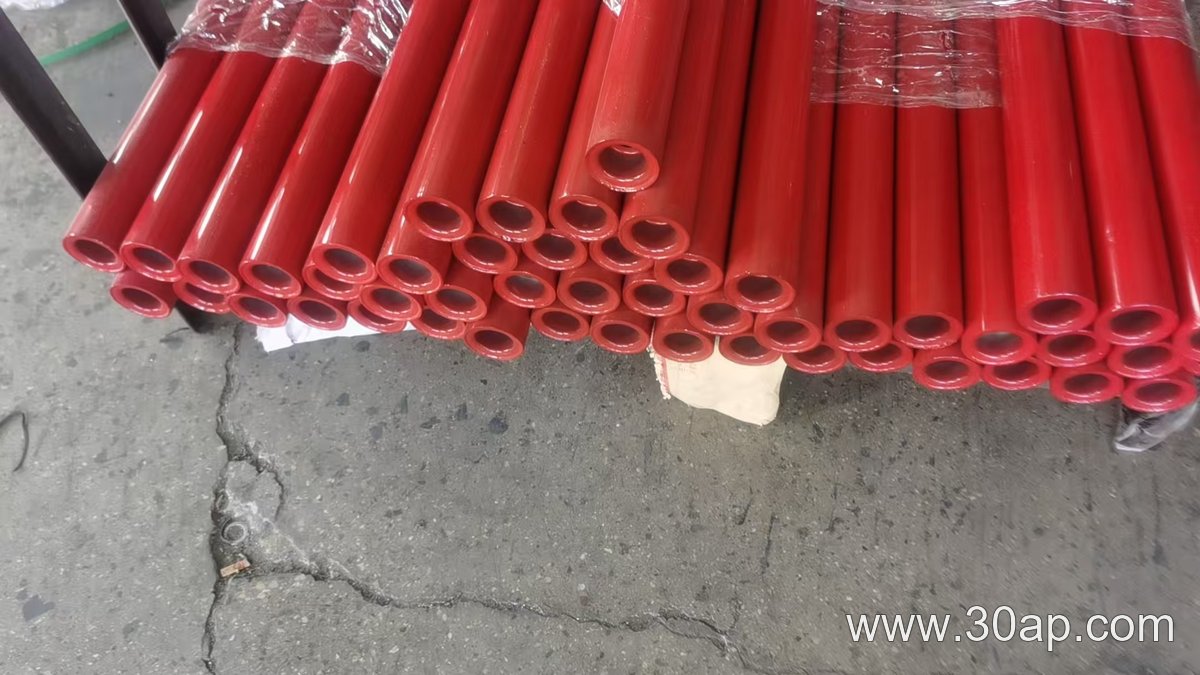
A typical Ø89 trough idler uses a steel tube shell, a shaft, bearing housings, and sealed bearings. Common bearing numbers for this diameter range include 6204, 6205, 6305, and 6306, though the final choice depends on load, speed, and service life targets. The roller surface may be plain steel, nylon, ceramic, or fitted with rubber rings. Rubber rings are often chosen at transfer points where impact is heavy, while ceramic or nylon surfaces can help in sticky or abrasive conditions. Seals matter as much as the shell. A good labyrinth or contact seal keeps fine dust out of the bearing cavity, which is often what decides how long the idler lasts.
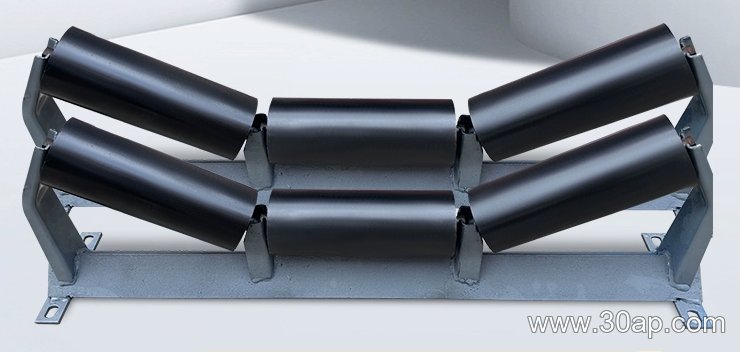
Common roller lengths for trough sets
Roller length changes with belt width, trough angle, and the number of rollers in the set. For a three-roller trough idler, common side roller lengths are roughly 200 mm at B500, 250 mm at B650, 315 mm at B800, 380 mm at B1000, 465 mm at B1200, 530 mm at B1400, 600 mm at B1600, 670 mm at B1800, and 750 mm at B2000. These are examples, not fixed pairings. The center roller can differ from the side rollers, and the trough angle also affects the length and position of each roller.
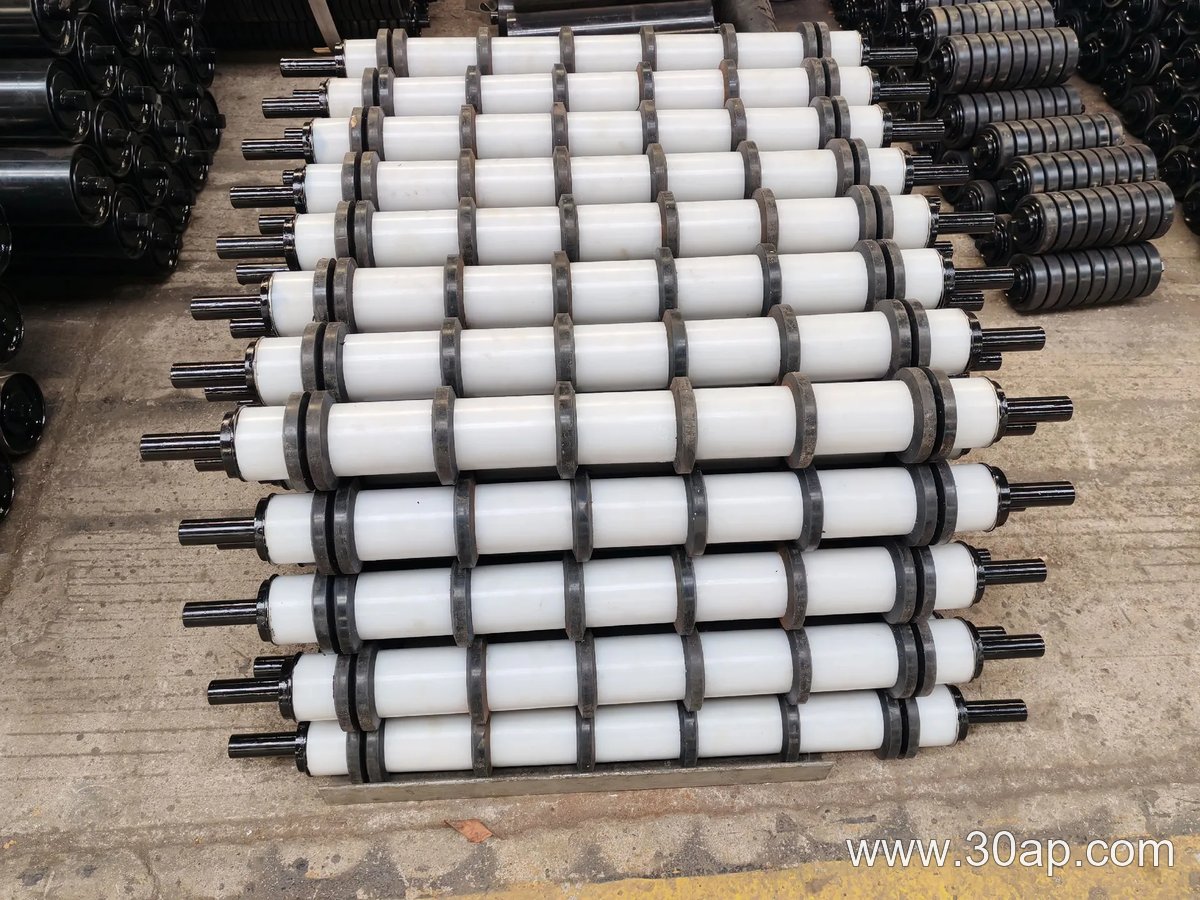
Where Ø89 Trough Idlers Are Used
These idlers appear in sand and gravel lines, crushing and screening plants, and coal handling systems. In a crushing circuit, a Ø89 trough idler may carry the conveyor belt after the primary crusher, where material is still lumpy but the belt is not as wide as a mainline trunk conveyor. In a sand and gravel operation, the same roller size may be used on transfer conveyors that move washed stone to stockpiles. The trough angle is usually 20, 30, 35, or 45 degrees. A 20-degree trough is flatter and suits materials that need a wider belt profile. A 45-degree trough gives deeper material containment, which helps on inclined conveyors or when the belt runs at higher capacity.
Choosing the Right Trough Idler for the Belt
Start with the conveyor belt width and the required trough angle, then work out the roller length and the number of rollers per set. A three-roller trough idler is not automatically required for every belt width. A two-roller set may be enough on a narrower belt or where material is fine and free-flowing. The shaft diameter should be selected from the load and the bracket design, not guessed from belt width alone. A conveyor bracket that fits one idler brand may not fit another, so check the mounting dimensions before ordering. Also confirm the bearing type and seal class for the environment. A dusty quarry needs better sealing than a clean indoor transfer.
Reference data for common trough idler sets
| Belt width | Common side roller length | Typical trough angles | Common bearing range |
|---|---|---|---|
| B500 | 200 mm | 20°, 30°, 35° | 6204, 6205 |
| B650 | 250 mm | 20°, 30°, 35° | 6204, 6205, 6305 |
| B800 | 315 mm | 20°, 30°, 35°, 45° | 6205, 6305, 6306 |
| B1000 | 380 mm | 30°, 35°, 45° | 6305, 6306 |
| B1200 | 465 mm | 30°, 35°, 45° | 6306, 6308 |
These values are common examples. Actual roller length and bearing selection depend on the conveyor design, load, speed, and the manufacturer’s own idler series.
Maintenance and Replacement Notes
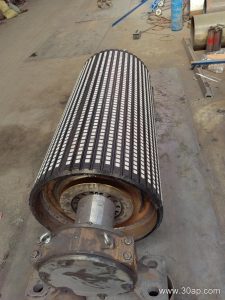
A trough idler that stops turning will wear a flat spot on the conveyor belt and can damage the belt cover. Check for noisy bearings, a wobbling roller, or a roller that no longer rotates by hand. Replace the whole idler, not just the bearing, when the shell is worn or the shaft is bent. Keep a few spare trough idlers in the warehouse so a failed roller does not stop the line. When replacing a Ø89 trough idler, match the roller length, shaft end shape, and bracket type to the existing set. A drive pulley, tail pulley, or bend pulley is a different component and is not a substitute for a carrying idler. The trough idler only supports the belt; it does not drive or redirect it.