What a Steel Pulley Does on a Conveyor
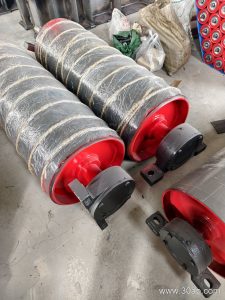
A steel pulley is the rotating drum that carries and drives the conveyor belt at the head, tail, or intermediate points of a conveyor. In bulk handling plants, it is often simply called a conveyor pulley, but the name covers several distinct positions. A drive pulley transmits torque from the gearbox to the belt, a tail pulley returns the belt at the loading end, and a bend pulley changes belt direction without driving. These roles are not interchangeable, so the position on the conveyor should be settled before a buyer compares specifications.
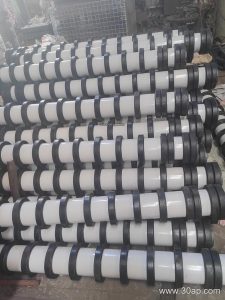
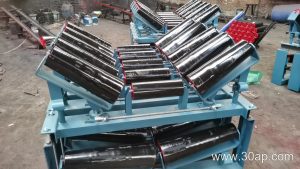
Steel pulleys appear in quarry crushing circuits, coal washing plants, cement clinker lines, power station coal yards, and port bulk terminals. In each case the pulley works together with the belt, idler rollers, and conveyor brackets to keep material moving without slip or misalignment.
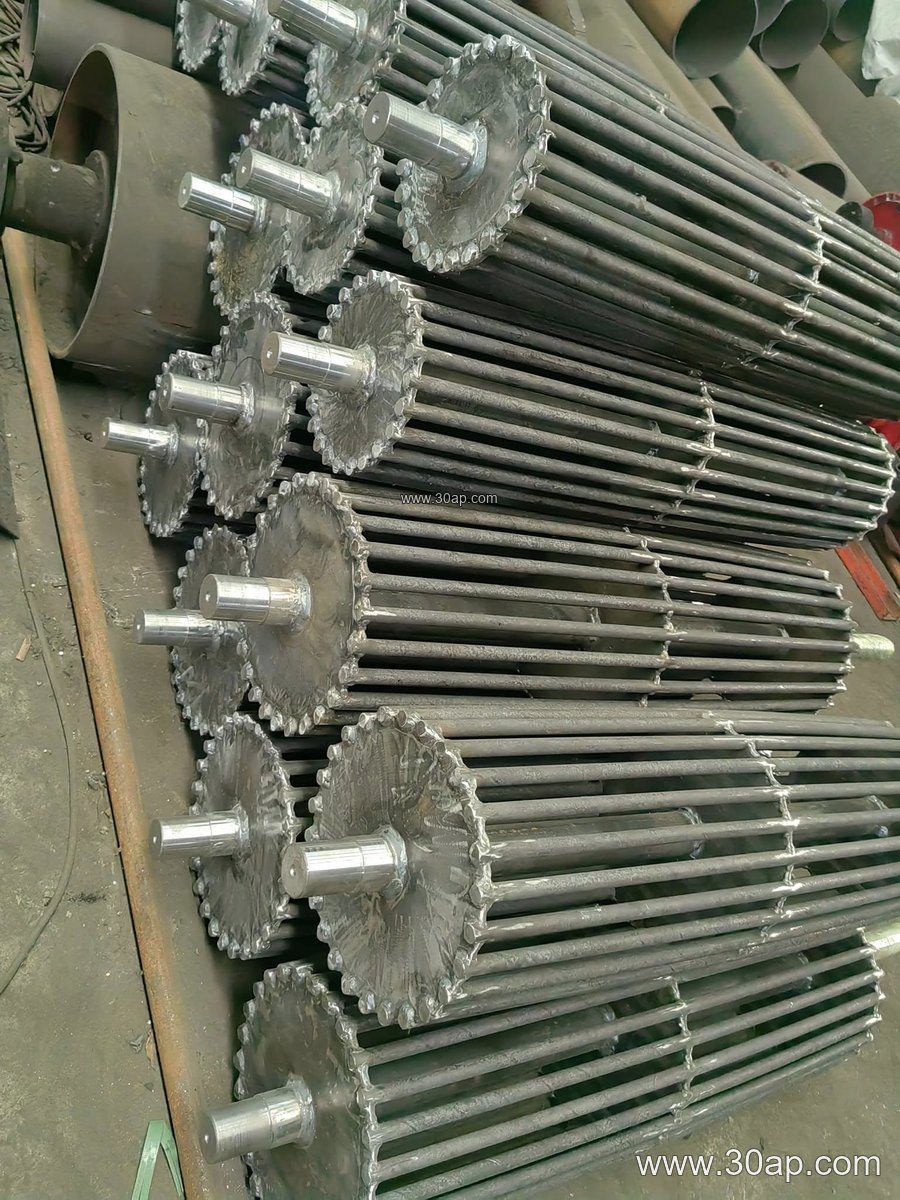
How the Drum Is Built
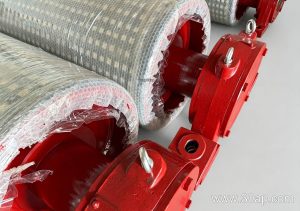
The core is a welded steel shell mounted on a shaft, with end discs and a hub connecting shell to shaft. Larger units may use a rolled shell with machined ends so the belt tracks evenly. The shaft is sized by torque and radial load rather than belt width alone; a given belt width can pair with different shaft diameters depending on the drive power and the load carried.
Surface treatment is chosen for grip and wear. Plain finish is common on bend and tail positions where traction is not critical. Rubber lagging, applied by cold bonding or hot vulcanizing, raises friction on drive pulleys; diamond and herringbone patterns help shed water and fines, while ceramic lagging suits highly abrasive service. Lagging thickness of 8, 10, 12, 15, or 20 mm is typical, selected with the duty rather than picked at random.
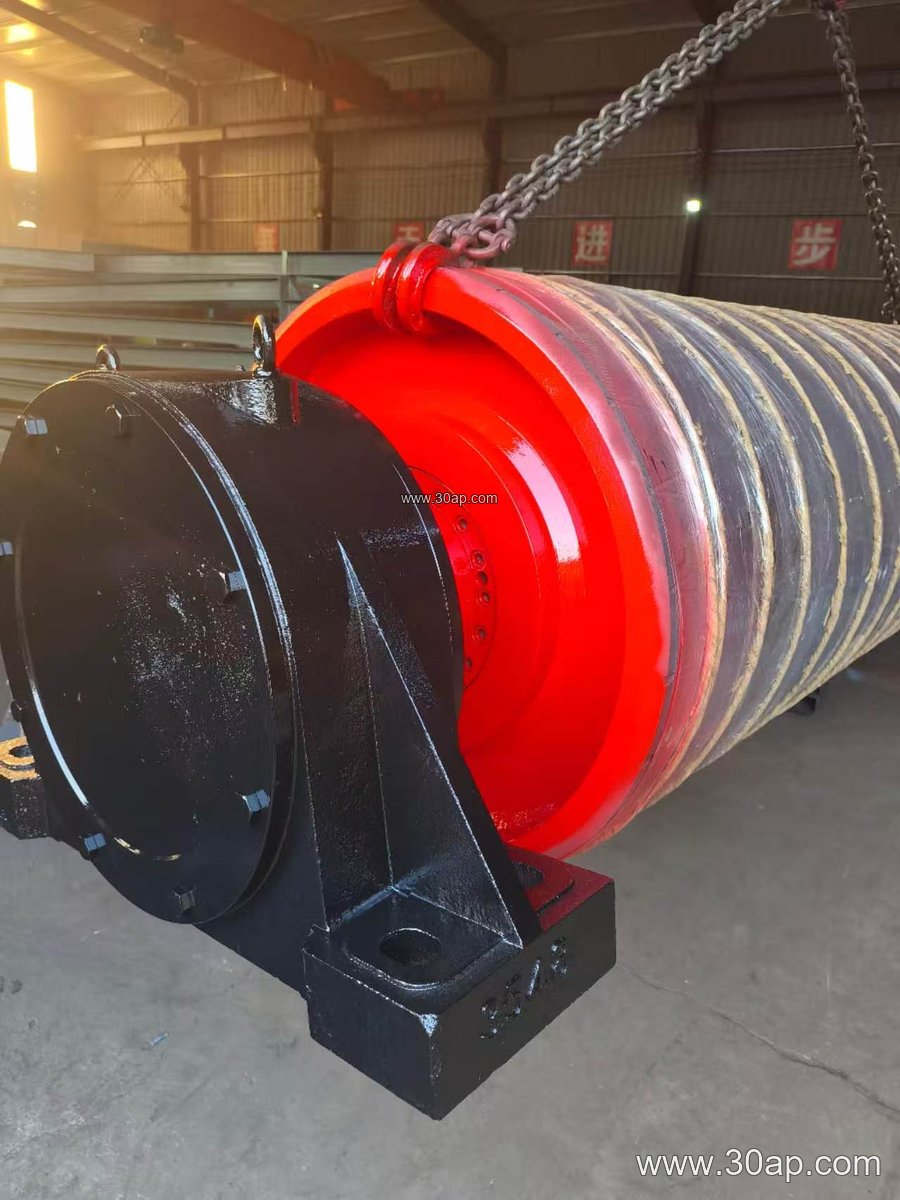
Matching Pulley to Belt Width
The face width of the shell is normally a little wider than the belt so the belt stays supported through any slight misalignment. Reference combinations look like this:
| Belt width | Typical pulley face width | Example size callout |
|---|---|---|
| B400 | about 500 mm | B400 x Ø250 |
| B500 | about 600 mm | B500 x Ø315 |
| B650 | about 750 mm | B650 x Ø400 |
| B800 | about 950 mm | B800 x Ø500 |
| B1000 | about 1150 mm | B1000 x Ø630 |
| B1200 | about 1400 mm | B1200 x Ø1000 |
| B1400 | about 1600 mm | B1400 x Ø800 |
| B1600 | about 1800 mm | B1600 x Ø1000 |
| B1800 | about 2000 mm | B1800 x Ø1250 |
| B2000 | about 2200 mm | B2000 x Ø1400 |
Diameter choices commonly range from Ø200 up to Ø1600 or Ø1800 on large drives. The figures above are reference values, not a fixed rule; the final diameter follows belt speed, wrap angle, and the space available at the transfer point. A B1200 belt, for instance, may run on a Ø800 tail pulley and a Ø1000 drive pulley in the same conveyor.
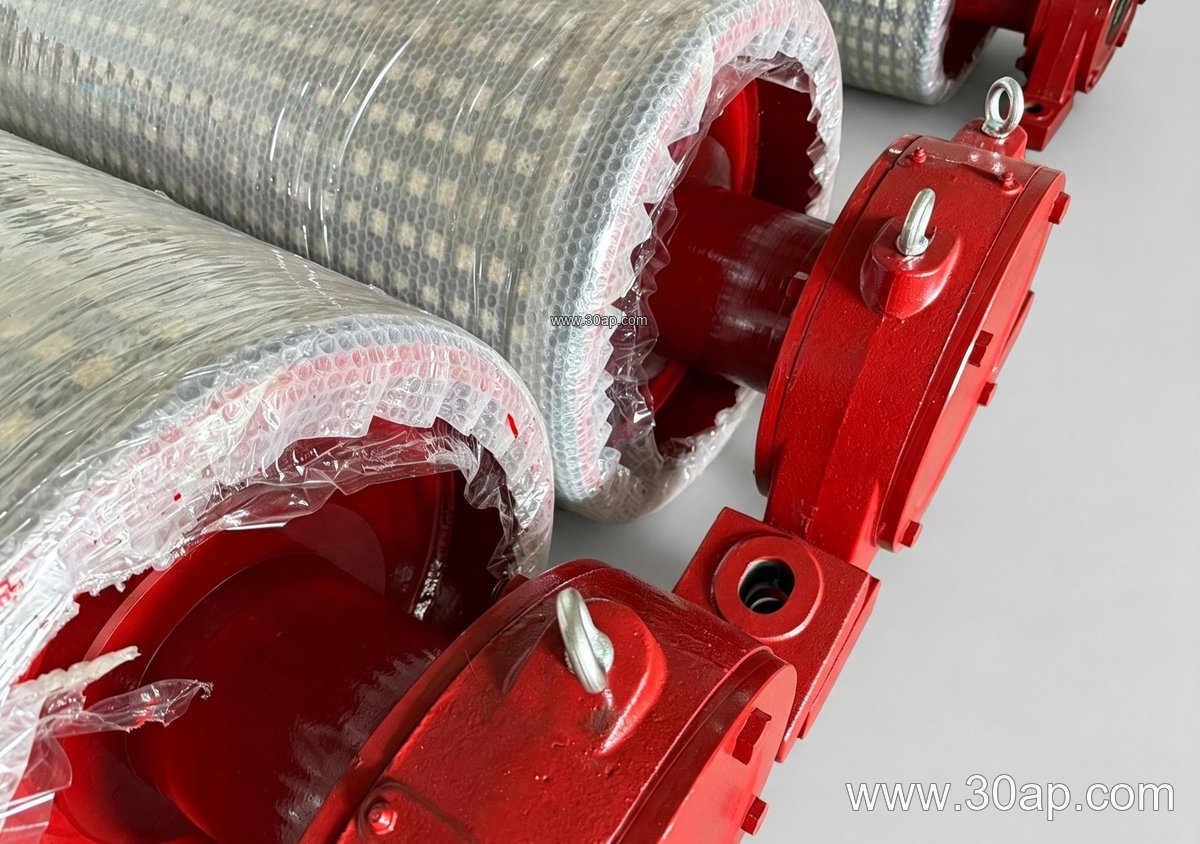
Choosing the Right Position and Surface
At the head, a drive pulley with lagging gives the grip needed to pull a loaded belt. At the tail, a plain or lightly lagged drum is often enough, though abrasive stone or ore may justify rubber. A bend pulley in a long overland line usually runs plain and is sized to keep belt tension within limits. Take-up pulleys work with the tensioning arrangement and should be checked for travel clearance.
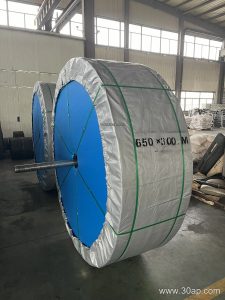
The belt itself matters too. A heavy-duty mining conveyor belt or steel cord conveyor belt demands a pulley with enough shell stiffness and a shaft sized for the higher tension, while a chevron conveyor belt or corrugated sidewall belt needs clearance around the drum so the profile does not catch. In coal mines, flame retardant conveyor belt and anti-static conveyor belt are common, and the pulley lagging should be selected to suit the same environment.
Buyer Checklist
- Confirm the position: drive, tail, bend, take-up, or snub.
- State belt width and the belt type, such as EP conveyor belt or steel cord conveyor belt.
- Give the required diameter, or the belt speed and wrap angle so the supplier can calculate it.
- Specify lagging type and thickness, for example 10 mm diamond rubber on the drive.
- Provide shaft diameter and bearing arrangement from the conveyor design.
- Check that the pulley face width suits the belt and that the brackets and idler roller heights line up.
For a quarry line or a cement plant, the same steel pulley may serve for years if the lagging is inspected and re-grooved when worn. Ordering by position, load, and belt data rather than by width alone keeps the drive, tail, and bend pulleys doing their own jobs properly.