What a Cast-Welded Pulley Is
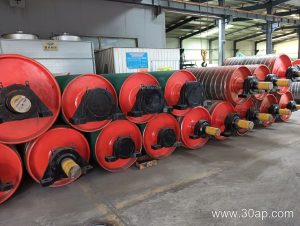
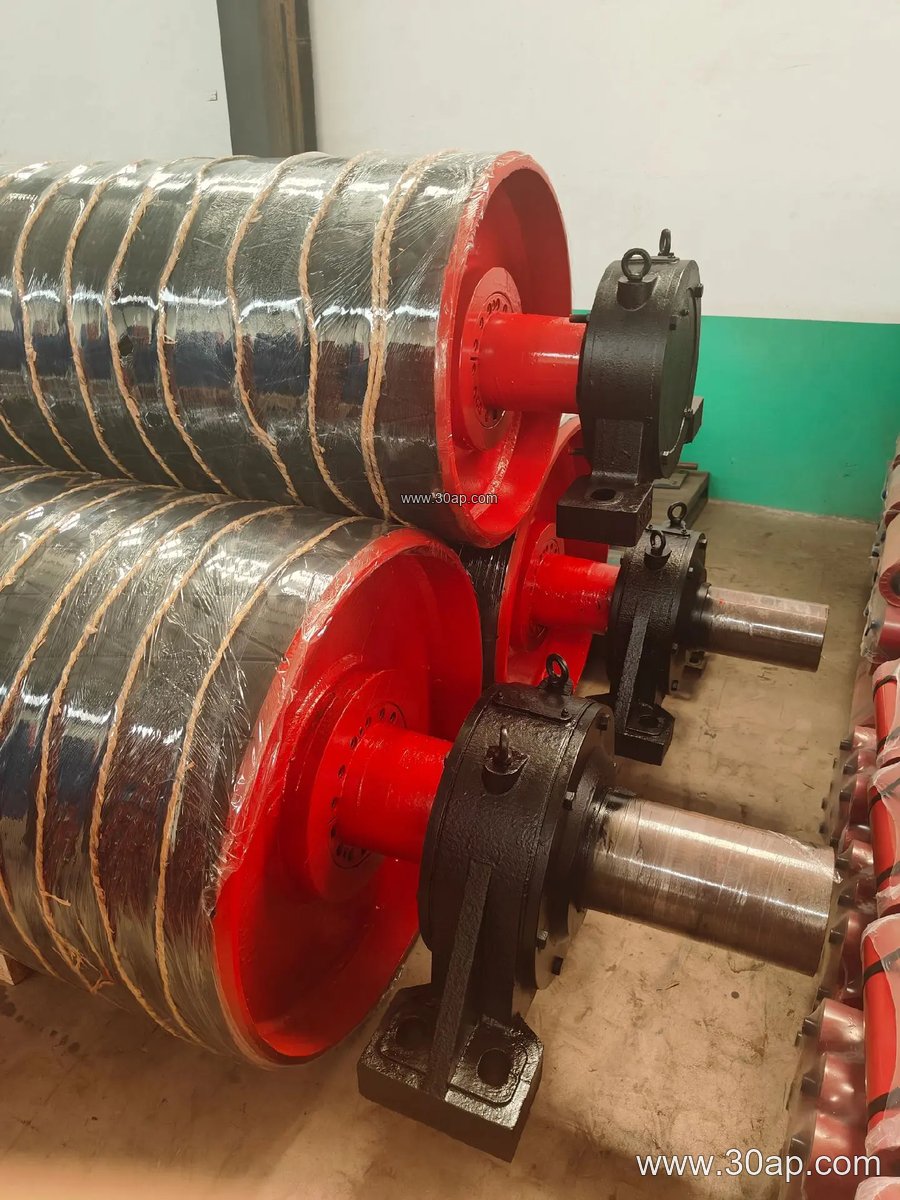
A cast-welded pulley is a conveyor pulley built by combining cast steel or cast iron end components with a welded steel shell and hub assembly. The casting gives the end discs and bearing housings accurate geometry and good load distribution, while the welded shell keeps the body lighter and more economical than a fully cast drum. This hybrid construction is common in drive, tail, and bend positions on bulk handling conveyors, where the pulley must carry belt tension without adding unnecessary weight to the shaft.
The result is a robust conveyor pulley that sits between the simplicity of a plain welded drum and the higher cost of a fully cast design. In a quarry, a coal preparation plant, or a cement clinker line, the cast-welded approach is often chosen when diameters are moderate to large and the duty is continuous.
How the Cast-Welded Body Is Built
Production usually starts with cast end discs that carry the hub bore and bolt pattern. These are machined, then welded to a rolled steel shell. The shell may be plain carbon steel or a grade selected for the application. After welding, the pulley is stress-relieved and machined so the face runs true. Dynamic balancing follows, which matters at higher belt speeds.
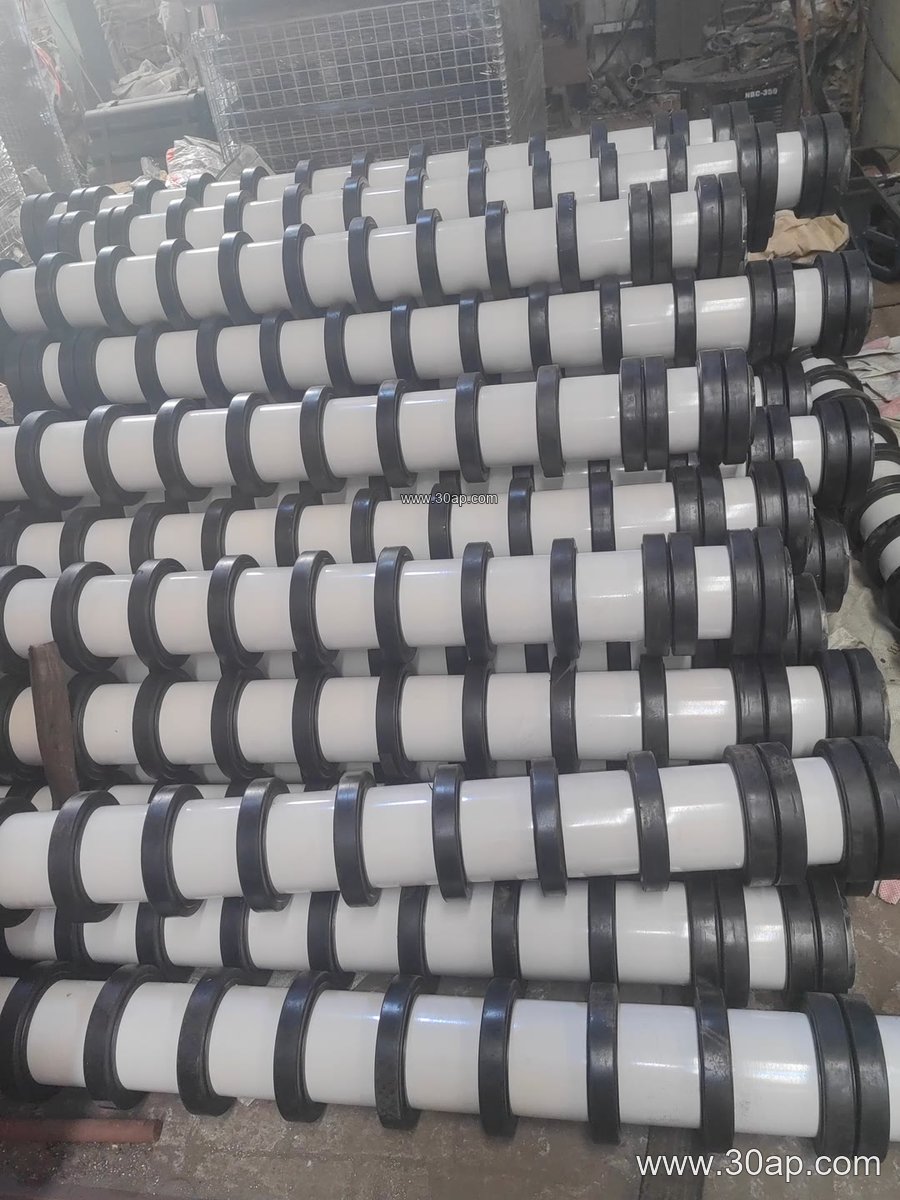
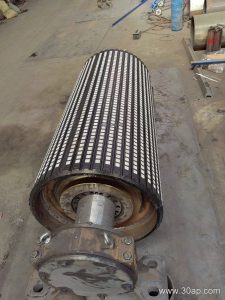
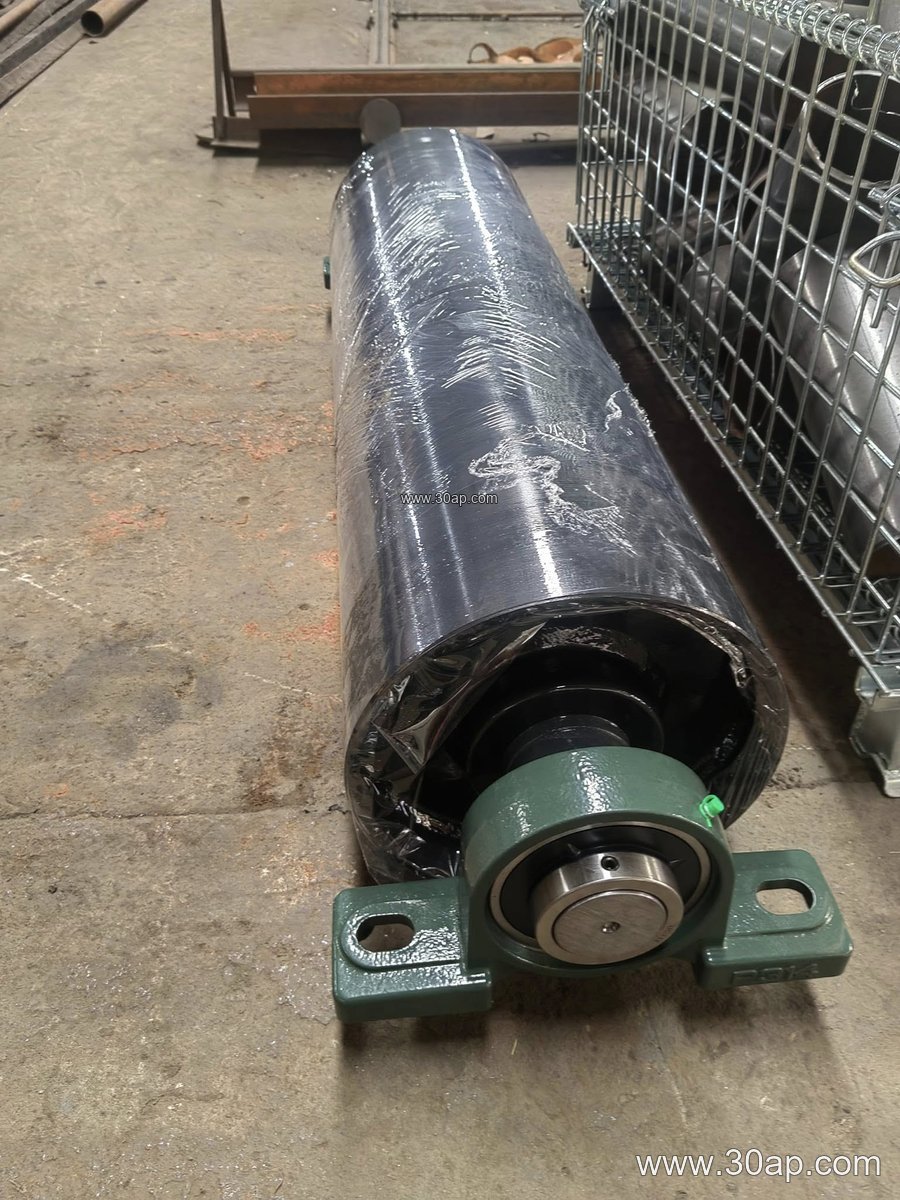
The shaft is fitted and locked, and the surface is prepared for lagging. Common surface options include plain finish, cast rubber, cold-bonded rubber, hot-vulcanized rubber, diamond grooving, herringbone grooving, and ceramic lagging. Lagging thickness is often 8, 10, 12, 15, or 20 mm depending on grip and wear requirements.
Typical reference dimensions
The table below shows common combinations used in specification discussions. They are reference values, not fixed rules; the final diameter and shaft size follow torque, belt tension, and bearing life calculations.
- B800 x Ø500, shell face about 950 mm
- B1000 x Ø630, shell face about 1150 mm
- B1200 x Ø1000, shell face about 1400 mm
- B1400 x Ø800, shell face about 1600 mm
- B1600 x Ø1250, shell face about 1800 mm
Shaft diameters commonly fall in the Ø50 to Ø200 range and are determined by load, not by belt width alone. A wider belt does not automatically mean a larger shaft; the drive duty and overhung load decide it.
Where the Cast-Welded Pulley Fits in a Conveyor
In a stone crushing line, the head or drive position usually takes the highest tension, so a cast-welded drive pulley with diamond or ceramic lagging is a practical choice. At the tail, a cast-welded tail pulley with a plain or lightly lagged face helps self-cleaning. Bend and take-up positions benefit from the accurate cast end discs because they keep the belt tracking stable over long runs.
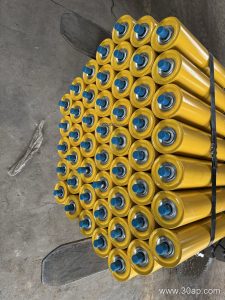
These pulleys appear in limestone mines, iron ore handling, copper concentrator circuits, power plant coal yards, and port bulk terminals. They work alongside the conveyor belt, idler roller sets, and conveyor bracket frames, and they must match the belt’s tension rating. A heavy-duty mining conveyor belt or a steel cord conveyor belt may call for a larger diameter and thicker lagging than a lighter fabric core belt on the same width.
Matching the Pulley to the Belt
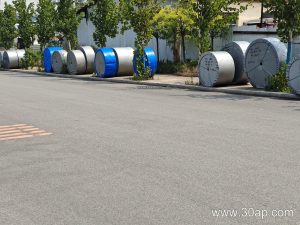
Belt construction influences pulley choice. An EP conveyor belt or NN conveyor belt with a multi-ply fabric core tolerates a relatively small pulley diameter, while a thick abrasion resistant conveyor belt or a flame retardant conveyor belt for underground coal mining may need a larger diameter to limit bending stress. Heat resistant conveyor belts used near kilns and sinter lines also benefit from a robust cast-welded shell that holds its shape under thermal cycling.
For chevron or corrugated sidewall belts, the pulley face and lagging pattern must clear the profile. A pipe conveyor belt and an endless conveyor belt each impose their own tracking and tension demands, so the pulley supplier should know the belt type before finalizing the drawing.
What Buyers Should Check
- Confirm the position: drive, tail, bend, take-up, or snub. Each has different tension and grip needs.
- State the belt width and belt type, including whether it is a rubber conveyor belt, EP conveyor belt, or steel cord conveyor belt.
- Provide the calculated shaft load so the shaft diameter is sized correctly.
- Choose lagging by environment: ceramic for abrasive ore, rubber for general grip, plain for cleaning.
- Ask for balancing records and runout tolerances, especially for high-speed drives.
- Plan maintenance access; a cast-welded pulley is heavy and needs proper lifting points.
Because the casting and welding quality determine service life, buyers should review material certificates and weld inspection reports rather than relying on dimensions alone. A well-built cast-welded pulley, matched to the belt and the conveyor duty, gives long service in demanding bulk handling work.