What a Friction Idler Does on a Conveyor
A friction idler is a special type of idler roller designed to correct belt misalignment through controlled friction between the roller surface and the conveyor belt. Unlike a standard carrying idler that simply supports the belt, a friction idler is mounted in a way that allows it to pivot slightly and generate a steering effect when the belt drifts. This self-adjusting behavior makes it a practical choice for longer conveyors where belt training is critical, such as in limestone quarries, iron ore terminals, and coal handling systems at power plants.
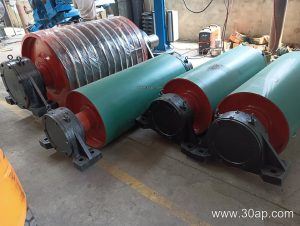
The term friction idler generally refers to a friction-type self-aligning idler, often used interchangeably with friction training idler. It is not the same as a drive pulley, tail pulley, or bend pulley, which serve different functions in the conveyor drive and direction system. A friction idler works on the carrying or return side to keep the belt centered, while pulleys transmit power or change belt direction.
Construction and Key Components
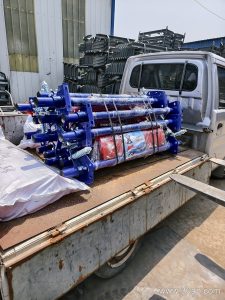
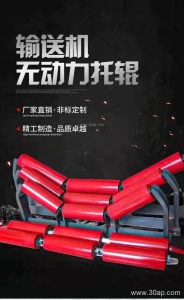
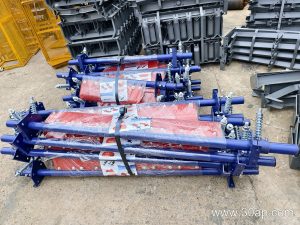
A typical friction idler consists of a steel roller shell, bearing housings, a shaft, and a mounting frame that permits angular movement. The roller surface may be plain steel, nylon, or covered with rubber rings depending on the application. The friction mechanism usually relies on a pivot or swivel arrangement that responds to belt edge contact or uneven loading.
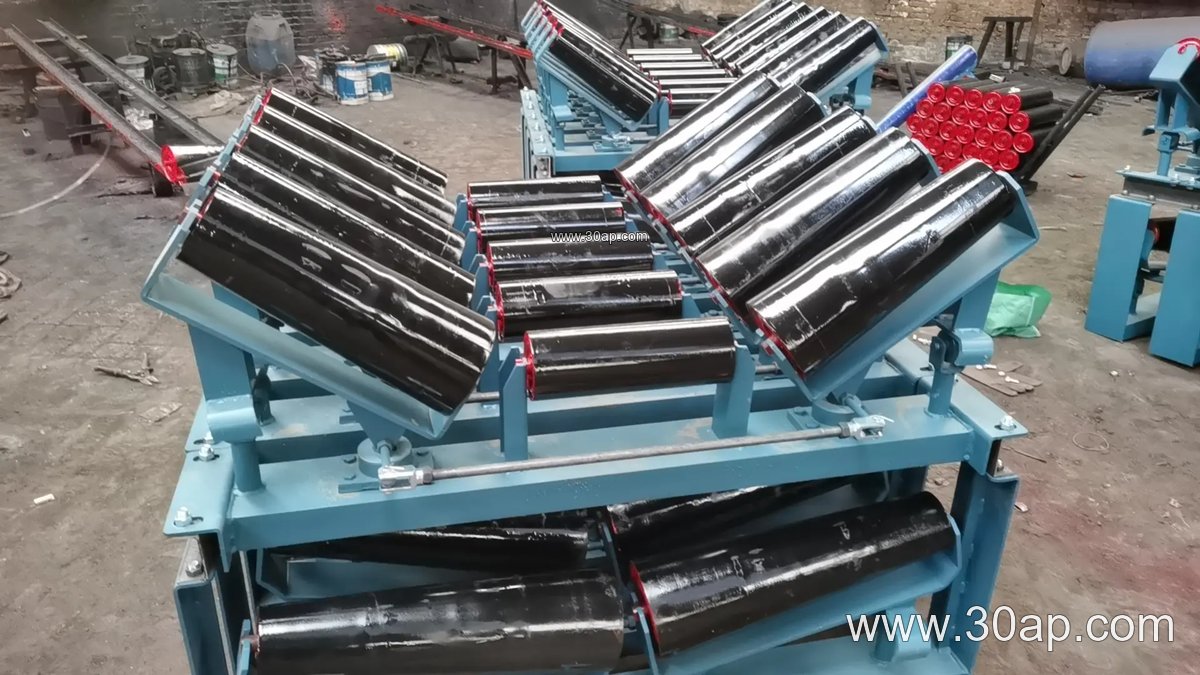
Common roller diameters for friction idlers include Ø89, Ø108, Ø127, Ø133, and Ø159 mm, though larger sizes such as Ø178 and Ø194 mm are used on heavy-duty conveyors. Bearing sizes often range from 6204 to 6310, selected according to load and speed rather than a fixed match to any single roller diameter. The idler length varies with belt width and trough angle; for example, a three-roll troughing set on a B800 belt may use rolls around 315 mm long, while a B1200 set may use rolls near 465 mm. These are typical references, not universal specifications.
Where Friction Idlers Are Used
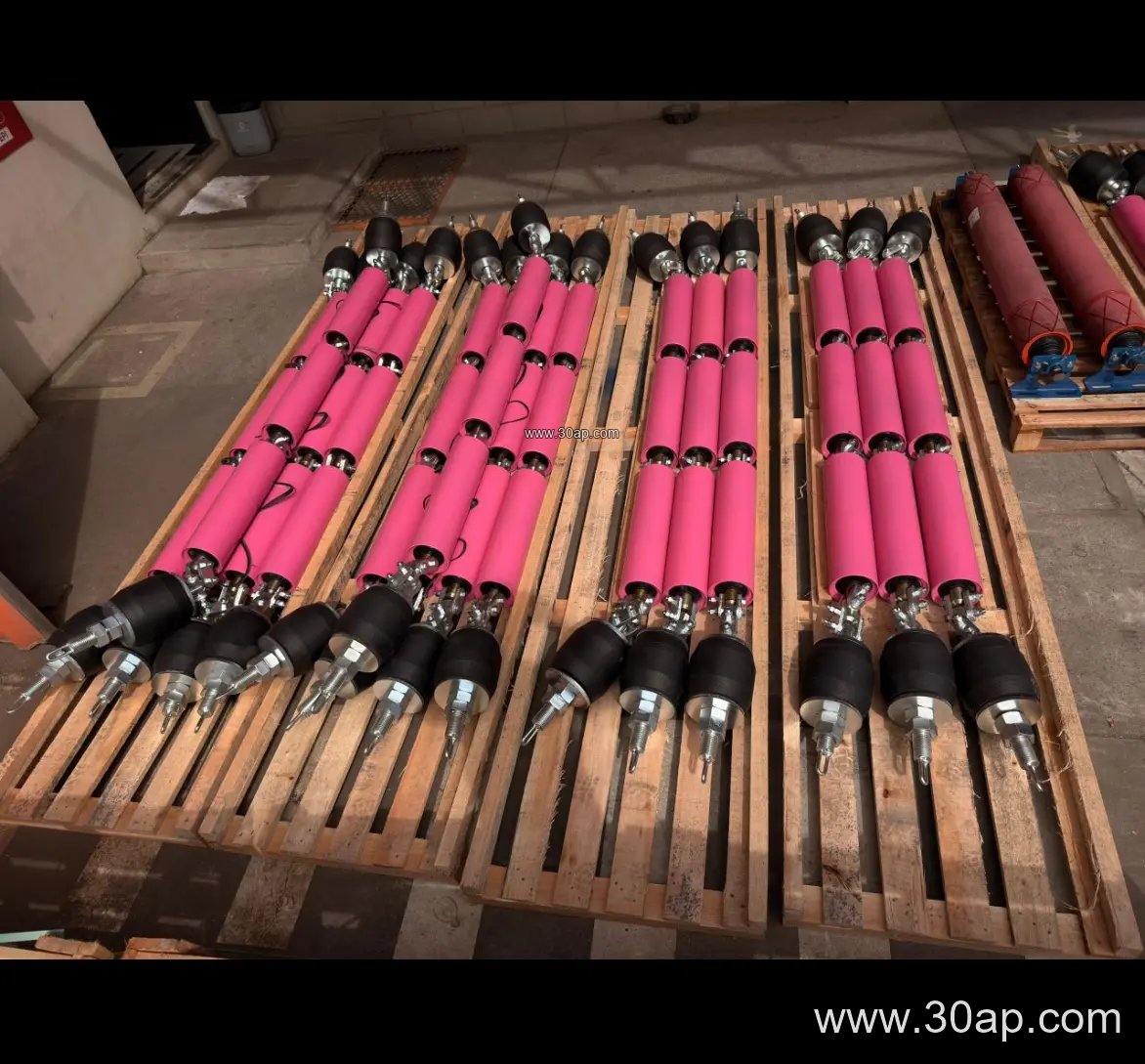
Friction idlers are common in bulk material handling where belt training is challenging. In a sand and gravel plant, a friction idler on the return side helps prevent the belt from rubbing against the structure after the crusher discharge. In a cement plant, they are often placed on long overland conveyors carrying clinker or raw meal. Underground coal mining conveyors also use friction idlers to keep the belt aligned in confined spaces, especially where the belt may be affected by uneven loading or ground movement.
Other industries include aggregate crushing lines, port ship loaders, and steel plant sinter conveyors. The idler works with the conveyor belt, conveyor pulley, and conveyor bracket as part of the overall training system. It is not a replacement for a bend pulley or tail pulley; those components handle belt tension and direction, while the friction idler handles alignment.
Selection and Sizing Notes
When choosing a friction idler, consider belt width, trough angle, and the amount of misalignment expected. Standard trough angles are 20, 30, 35, and 45 degrees. The idler roll diameter should suit the belt speed and load, but there is no rule that one belt width matches only one pulley diameter or shaft size. A B650 belt may use Ø89 or Ø108 rolls depending on the conveyor design, while a B1400 belt might use Ø133 or Ø159 rolls.
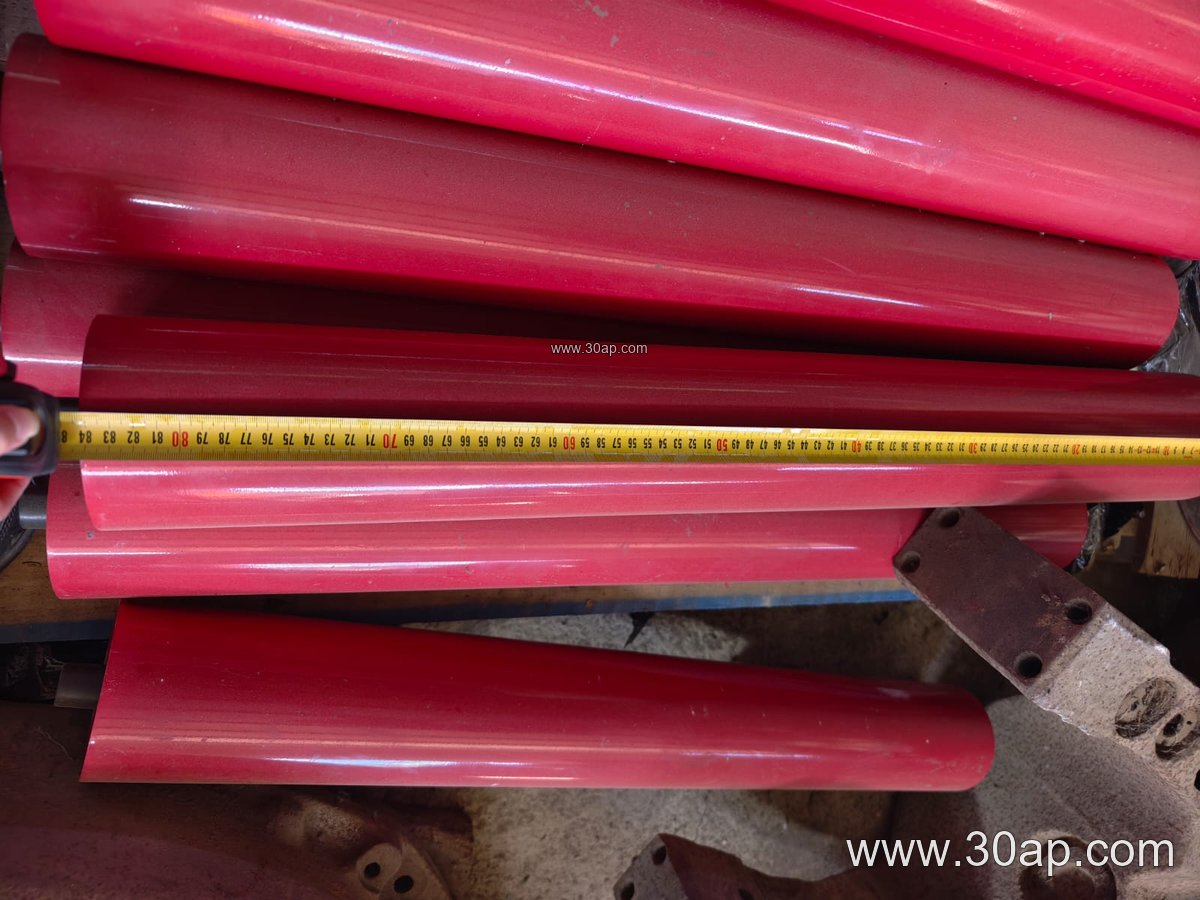
Roll length is usually determined by belt width and idler configuration. For a three-roll troughing set, common roll lengths are approximately 200 mm for B500, 250 mm for B650, 315 mm for B800, 380 mm for B1000, 465 mm for B1200, 530 mm for B1400, 600 mm for B1600, 670 mm for B1800, and 750 mm for B2000. Side rolls and center rolls can differ, so these values are only examples.
Maintenance and Buyer Checklist
Friction idlers require periodic inspection of the pivot mechanism, bearing condition, and roller surface. Dust and fines can accumulate around the swivel area, so cleaning helps maintain free movement. Check for worn rubber rings or damaged shells, and confirm that the idler frame is securely attached to the conveyor bracket. Bearings should be greased according to the manufacturer’s schedule, and any seized idler should be replaced promptly to avoid belt damage.
Buyers should ask for the idler type, roller diameter, bearing model, roll length, and mounting dimensions. Specify the conveyor belt width and trough angle so the supplier can recommend a suitable friction idler. Remember that a friction idler is a training component, not a substitute for a drive pulley or tail pulley. For conveyors handling abrasive materials, consider a rubber-covered friction idler to improve grip and reduce wear.