What a Cement Plant Conveyor Belt Does
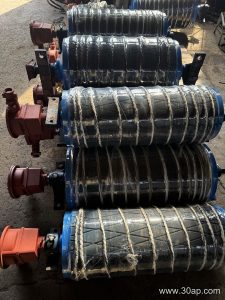
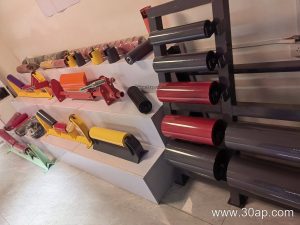
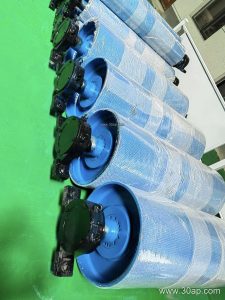
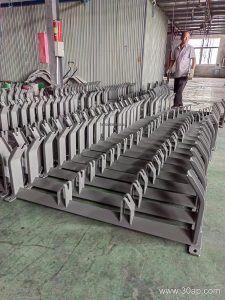
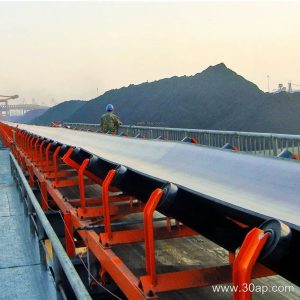
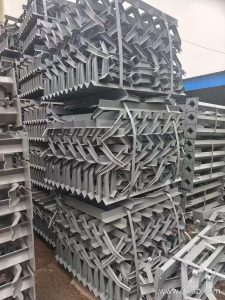
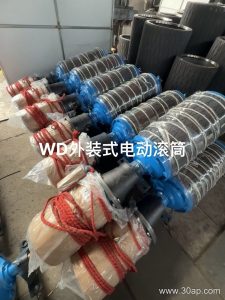
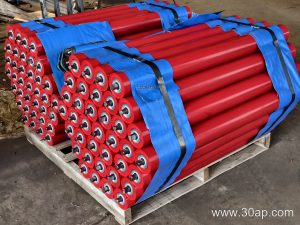
A cement plant conveyor belt is the workhorse that links the quarry, crushing station, raw mill, preheater, kiln, clinker cooler and packing plant. It moves limestone, clay, shale, clinker, gypsum, additives and cement powder in a continuous flow. The belt runs over idler rollers, wraps around conveyor pulleys and is held in line by conveyor brackets and frames. Because every transfer point adds dust, heat and impact, the belt must be matched to each duty rather than treated as one universal product.
In practice, a cement plant uses a mix of belting: a quarry conveyor belt for coarse rock, a crusher conveyor belt for heavy impact, an aggregate conveyor belt for additives, and a heat resistant conveyor belt after the clinker cooler. A single plant may also need a flame retardant conveyor belt in enclosed galleries and a bulk material conveyor belt for yard transport.
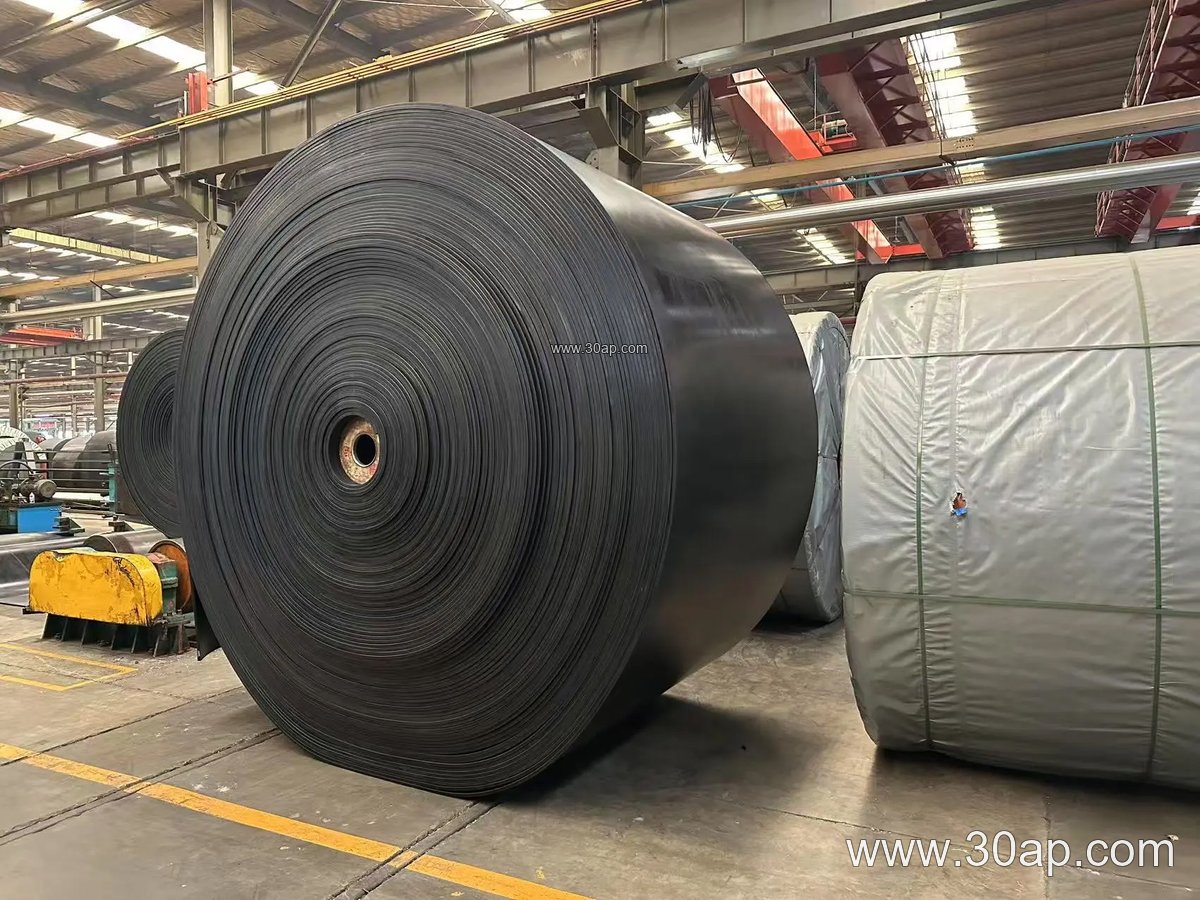
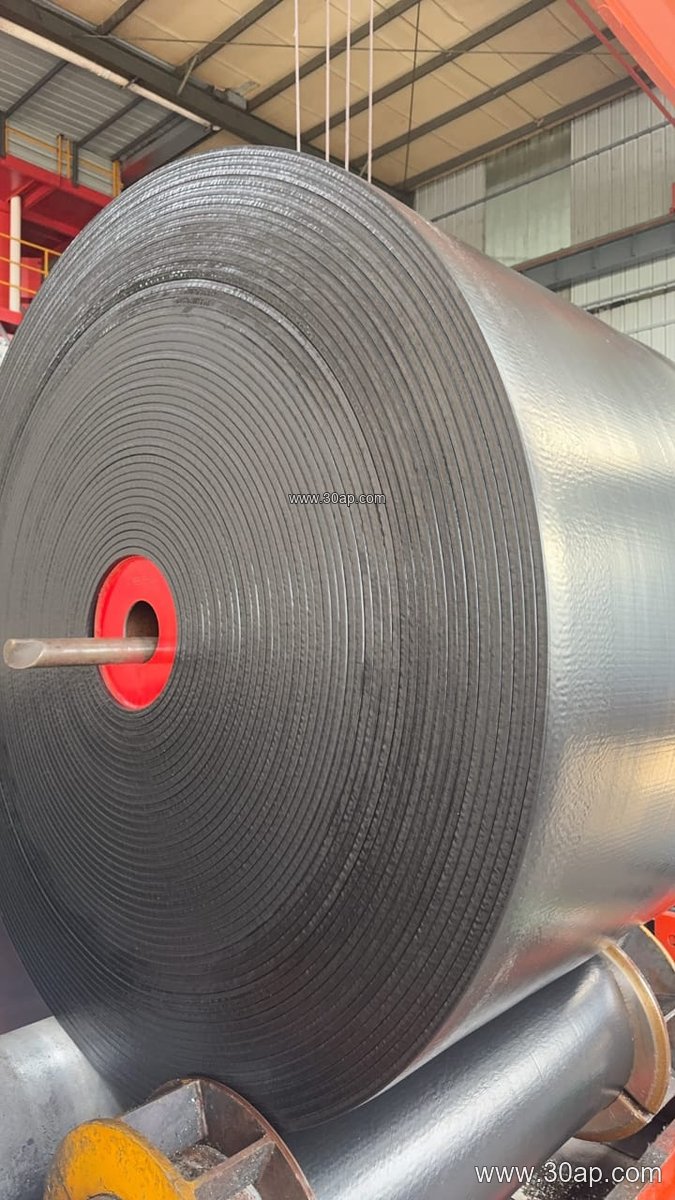
Construction and Common Configurations
The carcass carries the load and resists elongation. Fabric core options include EP conveyor belt (polyester/nylon) and NN conveyor belt (nylon/nylon), built as a multi-ply fabric core conveyor belt with two to six plies. For long, high-tension main lines, a steel cord conveyor belt is common. Surface and cover compounds change with the duty: abrasion resistant, oil resistant, heat resistant, cold resistant, anti-static and flame retardant grades are all used in cement works.
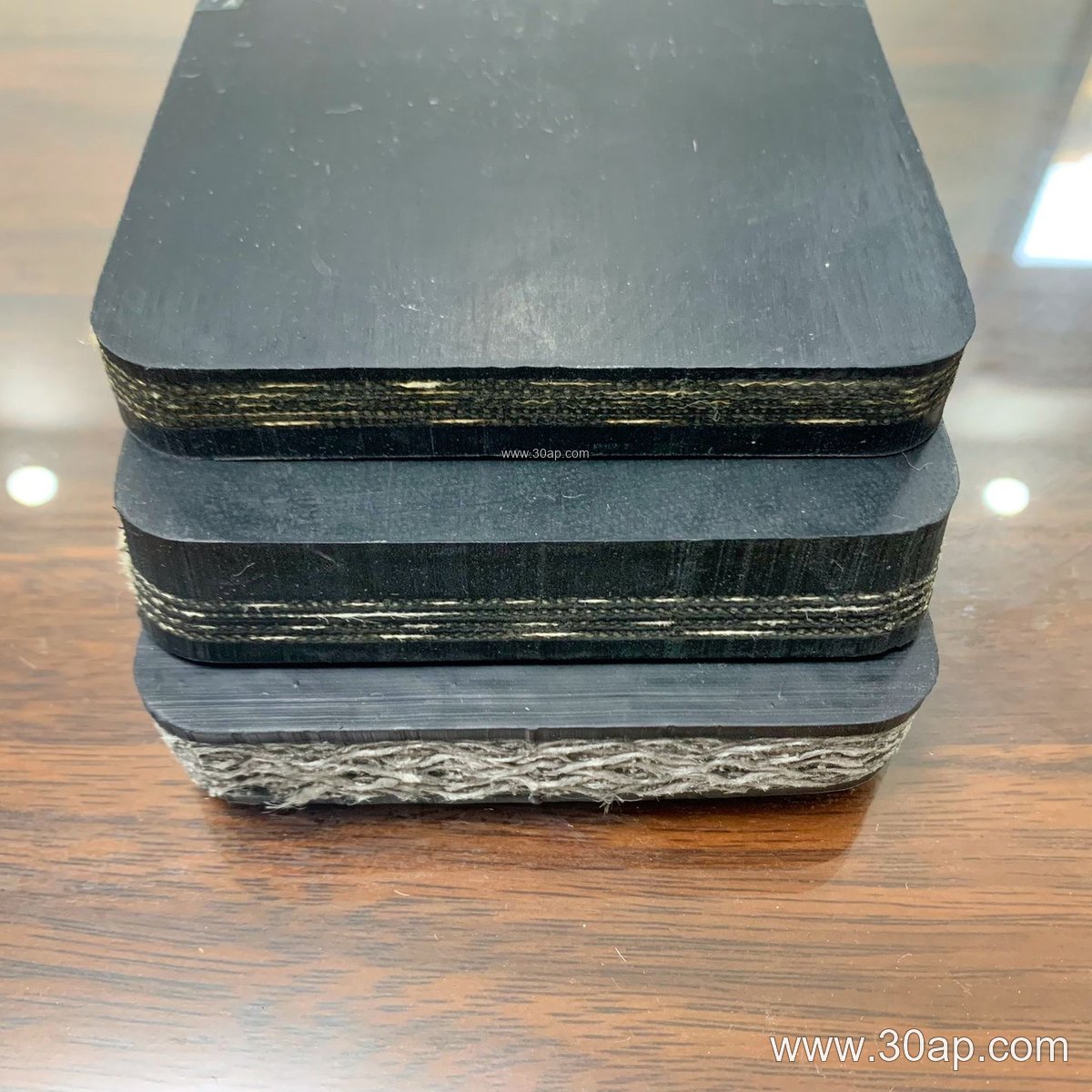
Cover thickness is usually stated as top plus bottom, for example 4+2 mm or 6+2 mm, and is set by design rather than by habit. Special shapes include chevron conveyor belt for inclined sections, corrugated sidewall conveyor belt and skirted conveyor belt for steep or contained paths, and pipe conveyor belt where dust control and route flexibility matter.
| Item | Typical Reference Range |
|---|---|
| Belt type | EP, NN, steel cord, PVC, PVG |
| Fabric strength grades | EP200, EP315, EP400, EP500, EP630, EP800, EP1000 |
| Belt width | B500, B650, B800, B1000, B1200, B1400, B1600, B1800 |
| Cover thickness | 3+1.5, 4+2, 5+2, 6+2, 8+3 mm |
| Carcass plies | 2 to 6 plies |
These values are common references, not fixed combinations. A wider belt does not dictate one pulley diameter, and belt width alone cannot define a shaft size; those details come from the conveyor designer.
Where It Fits Across the Plant
- Quarry and crushing: heavy-duty mining conveyor belt and rock conveyor belt handle sharp, lumpy feed.
- Raw material store: ore conveyor belt, iron ore conveyor belt and copper ore conveyor belt move abrasive minerals.
- Kiln and cooler area: high temperature conveyor belt and heat resistant conveyor belt cope with hot clinker.
- Coal and fuel preparation: coal mining conveyor belt, underground coal mining conveyor belt and PVG conveyor belt are chosen where fire risk must be limited.
- Packing and dispatch: cement conveyor belt, port conveyor belt and ship loading conveyor belt complete the chain.
Similar belting also appears in power plant conveyor belt systems, steel plant conveyor belt lines, sand making plant conveyor belt circuits and stone crushing conveyor belt plants, so experience from one industry often transfers to another.
Buyer Checklist Before Ordering
Start with the material: lump size, temperature, moisture, oil content and abrasiveness. Then confirm the duty cycle, incline, loading impact and available take-up. Specify the carcass grade, cover thickness and any required property such as abrasion resistant conveyor belt, fire resistant conveyor belt, oil resistant conveyor belt or anti-static conveyor belt. State the belt width, for example 800mm conveyor belt, 1000mm conveyor belt or 1200mm conveyor belt, and the required endless or open length.
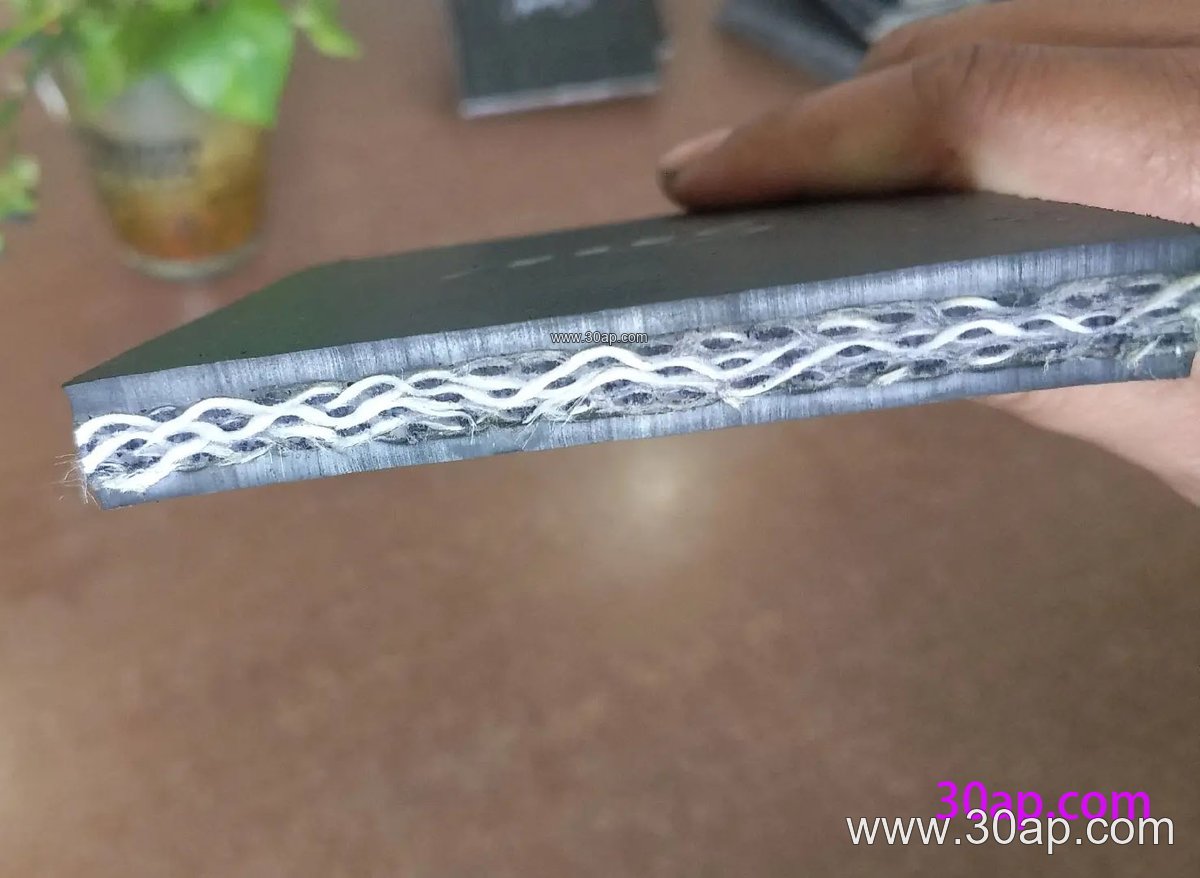
Ask how the belt will be joined. An endless conveyor belt needs a controlled splice, while mechanical fasteners suit some short runs. Check that idler roller spacing, conveyor pulley condition and conveyor bracket alignment are correct before installation, because poor alignment shortens belt life more than many buyers expect.
Care and Long-Term Performance
Training the belt, keeping idlers turning freely and inspecting splices at each shutdown prevent most unplanned stops. Clean scraper and skirt areas so trapped material does not groove the cover. Store spare belting away from heat and sunlight, and record the grade and cover thickness so replacement matches the original duty. Buyers who compare the full conveyor system, not only the belt price, usually get longer service from a cement plant conveyor belt.