What a 630mm Diameter Conveyor Pulley Is
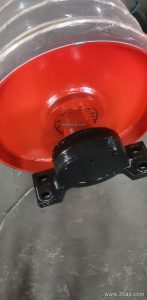
A 630mm diameter conveyor pulley is a heavy-duty drum used to support and drive the conveyor belt on bulk material handling systems. With a nominal diameter of Ø630, it sits in the mid-to-large range of standard pulley sizes, making it a common choice for main haulage lines in quarries, coal preparation plants, and cement works. The pulley transfers torque to the belt through friction on its shell surface, while its shaft carries the bending loads imposed by belt tension. In many layouts it functions as a drive or head pulley, although the same diameter can also appear at tail, tension, or bend positions depending on the duty.
Construction and Surface Options
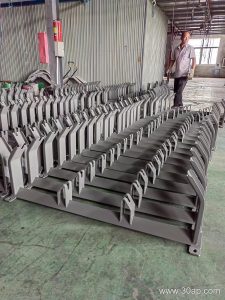
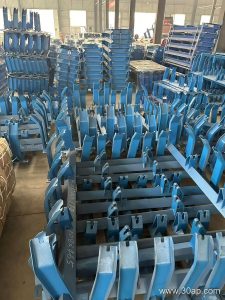
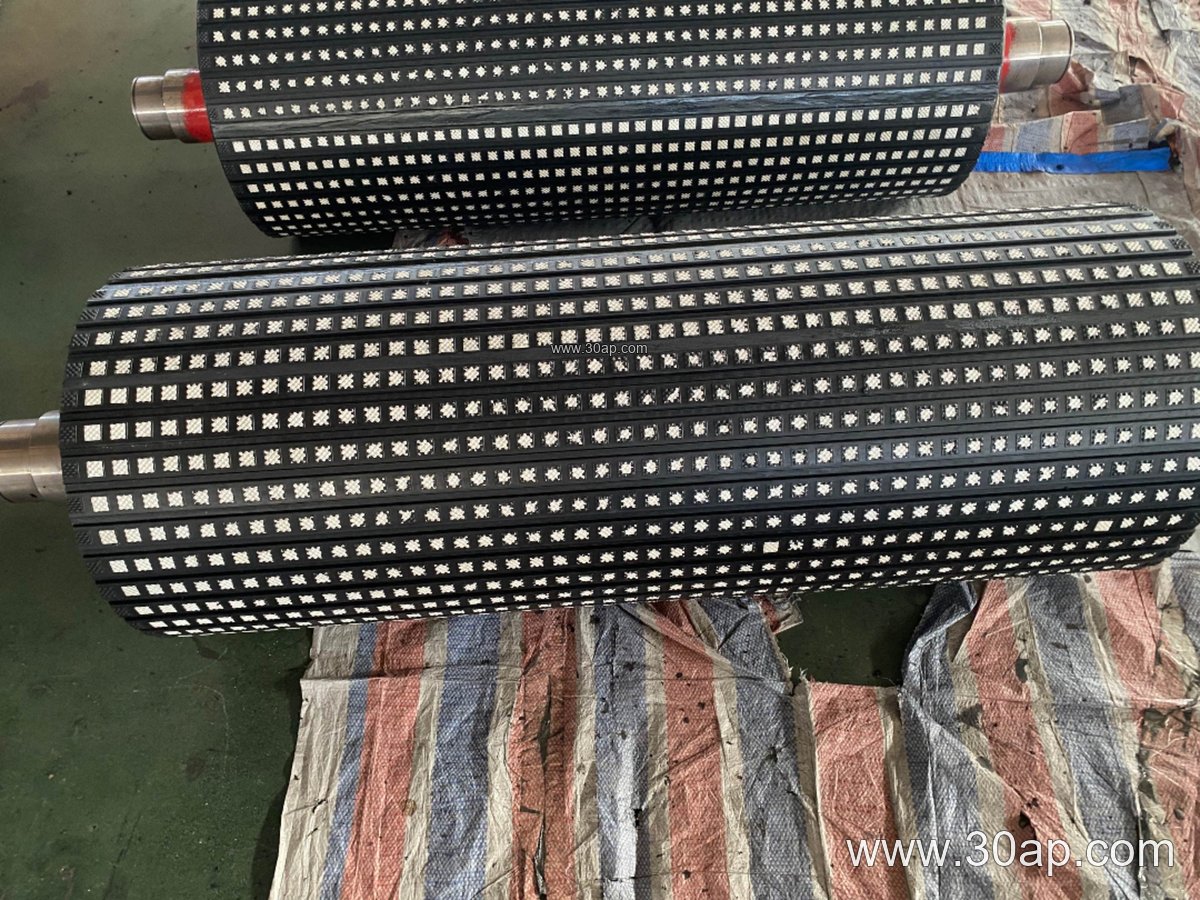
The body is typically a rolled steel shell welded to end discs, with hubs keyed or shrink-fitted to a through shaft. Bearing housings and a conveyor bracket at each end locate the shaft on the conveyor frame. Surface treatment matters as much as shell thickness. Common face forms include plain, cast rubber, cold-bonded rubber, hot-vulcanized rubber, diamond grooving, herringbone grooving, and ceramic lagging. Lagging thickness commonly ranges from 8 mm to 20 mm.
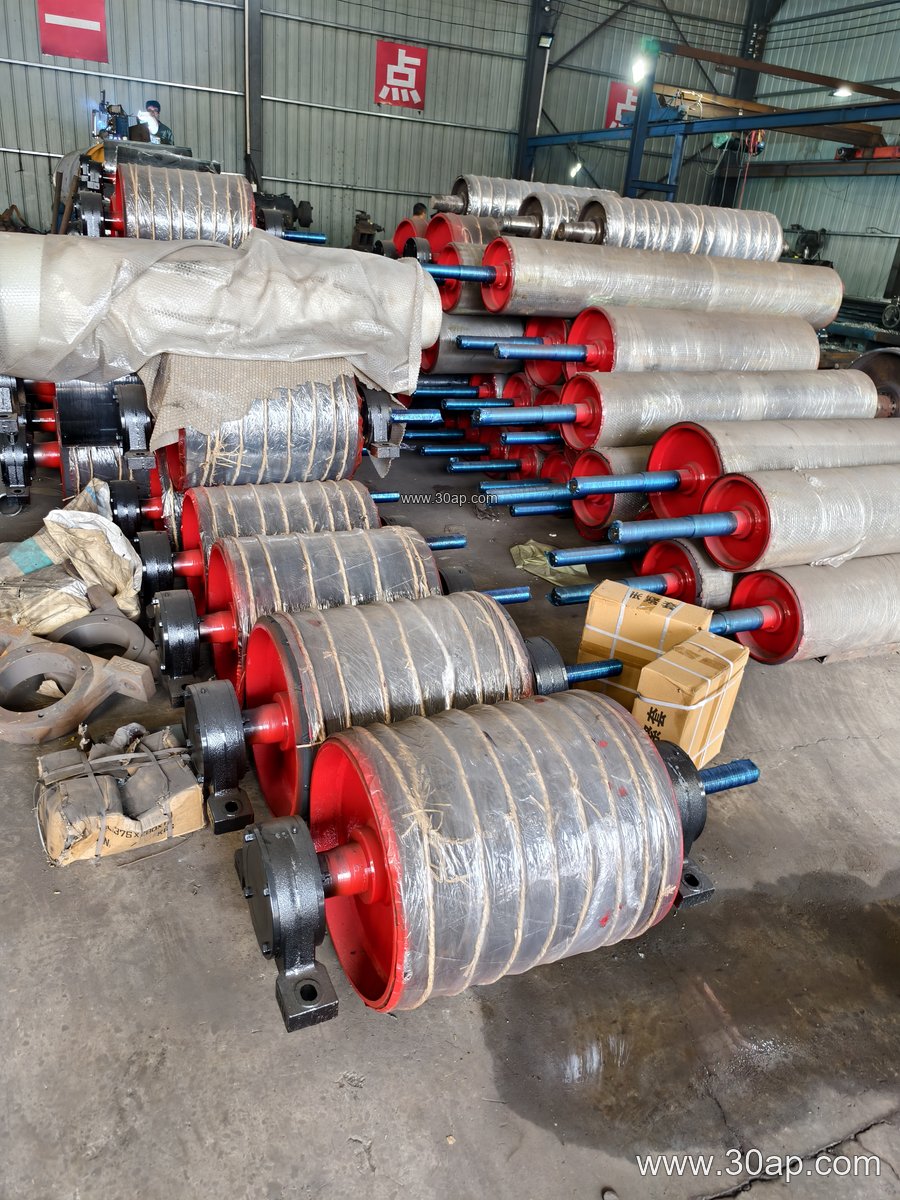
- Plain face: economical, suited to low-tension or non-drive positions
- Diamond or herringbone lagging: improved grip on wet or dusty belts
- Ceramic lagging: high wear resistance in abrasive stone and ore service
- Hot-vulcanized rubber: strong bond for continuous heavy loads
Shell width normally exceeds belt width so the belt is fully supported. A B1200 belt, for example, might run on a pulley with roughly 1400 mm face width, while a B1400 system often uses about 1600 mm. These are reference relationships, not fixed pairings, and final geometry is set by the conveyor designer.
Where It Fits in a Conveyor
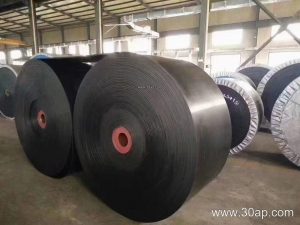
Because drive, tail, and bend pulleys perform different jobs, they are not interchangeable. A 630mm diameter pulley used as a drive or head pulley must transmit the full peripheral force, so its lagging and shaft sizing are critical. At a tail position the same diameter may simply redirect the returning belt. In a cement plant clinker line or a power station coal yard, engineers often specify this size where belt tensions are moderate to high but space does not allow a Ø800 or Ø1000 drum. In a quarry feeding a crusher, a 630mm pulley may pair with an abrasion resistant conveyor belt carrying crushed rock, while a smaller Ø500 unit is more typical on short transfer conveyors.
Matching Belt and Pulley
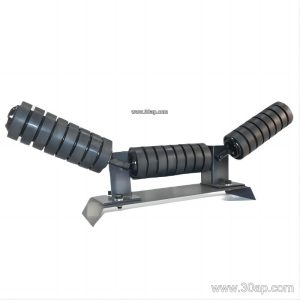
Belt construction influences pulley choice. A multi-ply fabric core belt such as an EP200 or EP300 conveyor belt usually works with mid-range diameters, whereas a steel cord conveyor belt or a high-tension EP1000 belt may call for a larger drum to limit bending stress in the carcass. Belt width alone does not determine shaft diameter; the shaft is sized from torque, radial load, and bearing span. Common shaft diameters in this class range from Ø100 to Ø200, but the actual value is a design outcome. Related components such as the idler roller and conveyor bracket should be checked for alignment to avoid edge loading on the pulley face.
Buyer Checklist
- Confirm the pulley position: drive, tail, tension, or bend, since each has different load demands
- State belt width, belt type, and running tension so the shell and shaft can be verified
- Choose lagging based on material: wet coal, hot clinker, or sharp aggregate each favors a different face
- Check bearing type, sealing, and lubrication access for the installed environment
- Ask for the balance grade and runout tolerance if the conveyor runs at higher speed
- Plan inspection of lagging wear and bearing condition as part of routine maintenance
A 630mm diameter conveyor pulley is a versatile component when specified against real duty rather than habit. Whether installed in a limestone mine, a fertilizer plant, or a port bulk terminal, the correct combination of shell, lagging, shaft, and bearings keeps the belt tracking smoothly and extends service life.