What a Power Plant Conveyor Idler Does
A power plant conveyor idler is the rotating roller assembly that supports the conveyor belt along the coal handling route, from the unloading pit to the boiler bunkers. In a coal-fired station, the belt may travel several hundred meters through transfer towers, bunker bays and crusher houses, so hundreds of idlers work together to keep the belt tracking smoothly and to limit sag between support points. The idler is a simple component, but its condition directly affects belt life, motor load and the amount of spillage around the transfer points.
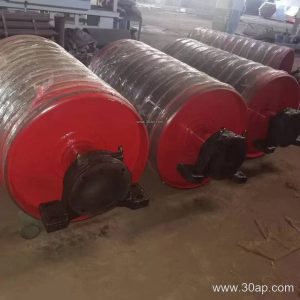
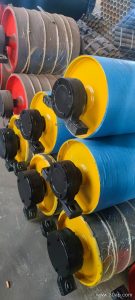
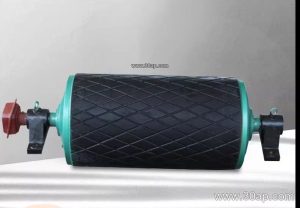
The idler is not the same as a conveyor pulley. A conveyor pulley drives or redirects the belt at the head, tail or bend of the system, while the idler only carries the belt along the run. Drive, tail and bend pulleys each have their own design rules, and none of them should be ordered as a substitute for a carrying or return idler.
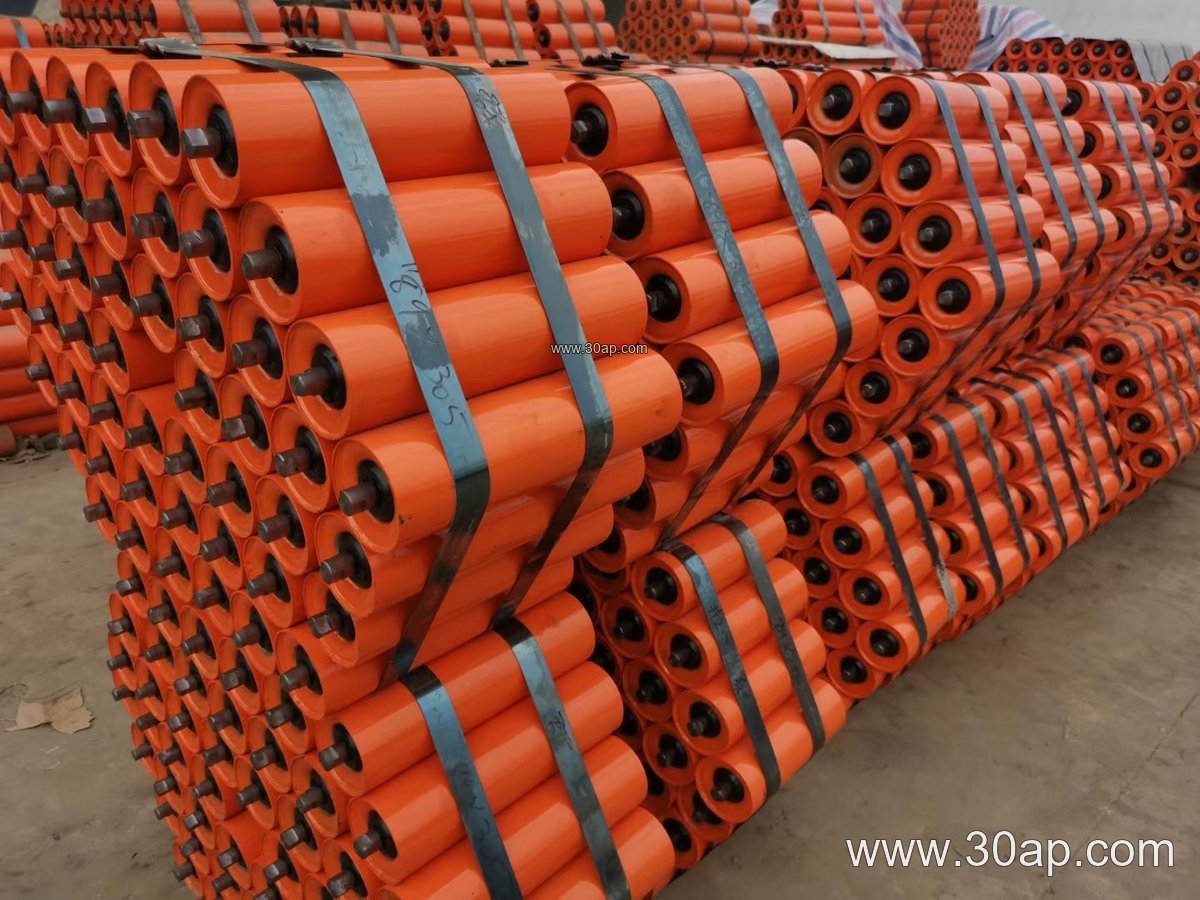
How the Roller Is Built
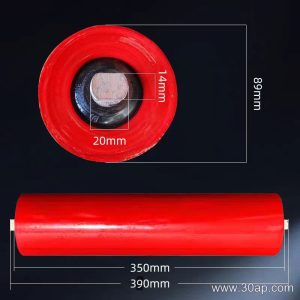
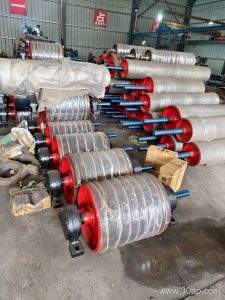
A typical idler roller consists of a steel tube shell, two bearing housings pressed into the ends, a shaft, and a sealing arrangement that keeps coal dust and washdown water away from the bearings. The shell is often machined for balance so the roller runs quietly at belt speeds common in power stations. Roller surfaces may be plain steel, nylon, ceramic or rubber rings, depending on whether the goal is abrasion resistance, material build-up control or impact cushioning.
Bearings are usually selected from common deep-groove sizes such as 6204, 6205, 6305, 6306, 6308 or 6310, matched to the load and the shaft diameter rather than to belt width alone. A larger roller diameter does not automatically mean a larger shaft, and a given belt width can be supported by more than one idler diameter. Sealing quality matters as much as bearing size in a coal plant, because fine coal dust mixed with moisture can enter a poor seal and shorten service life quickly.
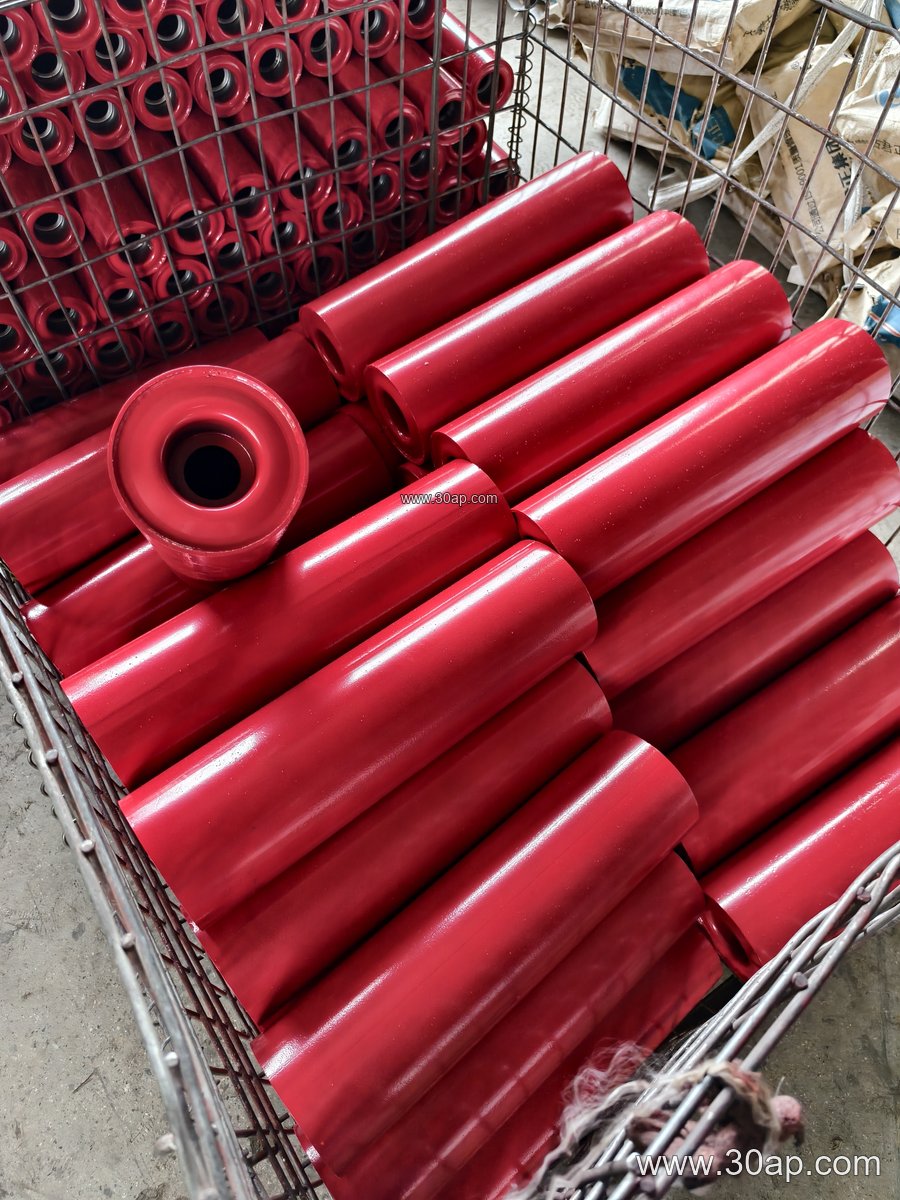
Common Idler Types on a Coal Conveyor
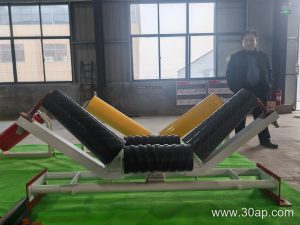
Carrying idlers are usually arranged in troughing sets of two or three rolls, with trough angles commonly around 20, 30, 35 or 45 degrees. A three-roll set with a 35-degree trough is a frequent choice for bulk coal, while a 45-degree set may be used where the belt needs deeper material containment. Return idlers support the empty belt on the lower strand and may be flat or formed as a V-shaped set to encourage belt training.
- Troughing idlers: carry the loaded belt, often in three-roll sets.
- Impact idlers or rubber-ring impact idlers: placed under loading points to absorb coal drop energy.
- Training idlers: friction or tapered designs that help correct belt misalignment.
- Spiral or comb idlers: used where sticky material tends to build up on the roller surface.
- Transition idlers: positioned near pulleys to guide the belt gradually from flat to troughed.
Roller lengths follow belt width, trough angle and roll arrangement. As a common example, a three-roll troughing set might use rolls of roughly 200 mm for B500, 250 mm for B650, 315 mm for B800, 380 mm for B1000, 465 mm for B1200, 530 mm for B1400, 600 mm for B1600, 670 mm for B1800 and 750 mm for B2000. Side rolls and centre rolls can differ, so these figures are reference points for discussion, not fixed combinations.
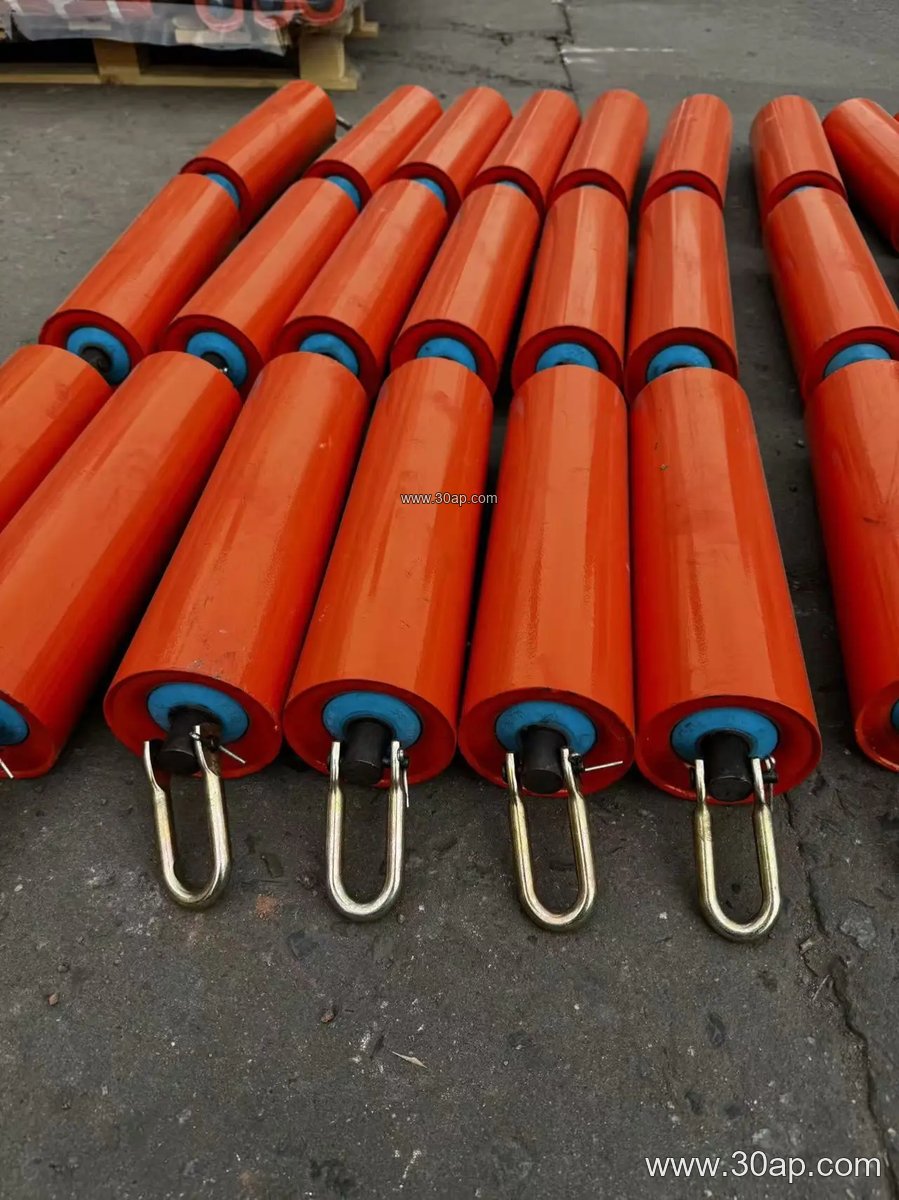
Where the Equipment Fits in a Power Station
The most demanding positions are usually the coal receiving area and the crusher house. Coal dropped from a truck, stacker or ship unloader hits the belt with impact energy, so rubber-ring impact idlers are often installed beneath the chute. Further along the route, standard troughing idlers carry the coal at a steady height, and return idlers support the belt on its way back. In a coal mining conveyor belt system feeding a power station, the same idler families appear, but dust load and belt speed may call for heavier seals and thicker shells.
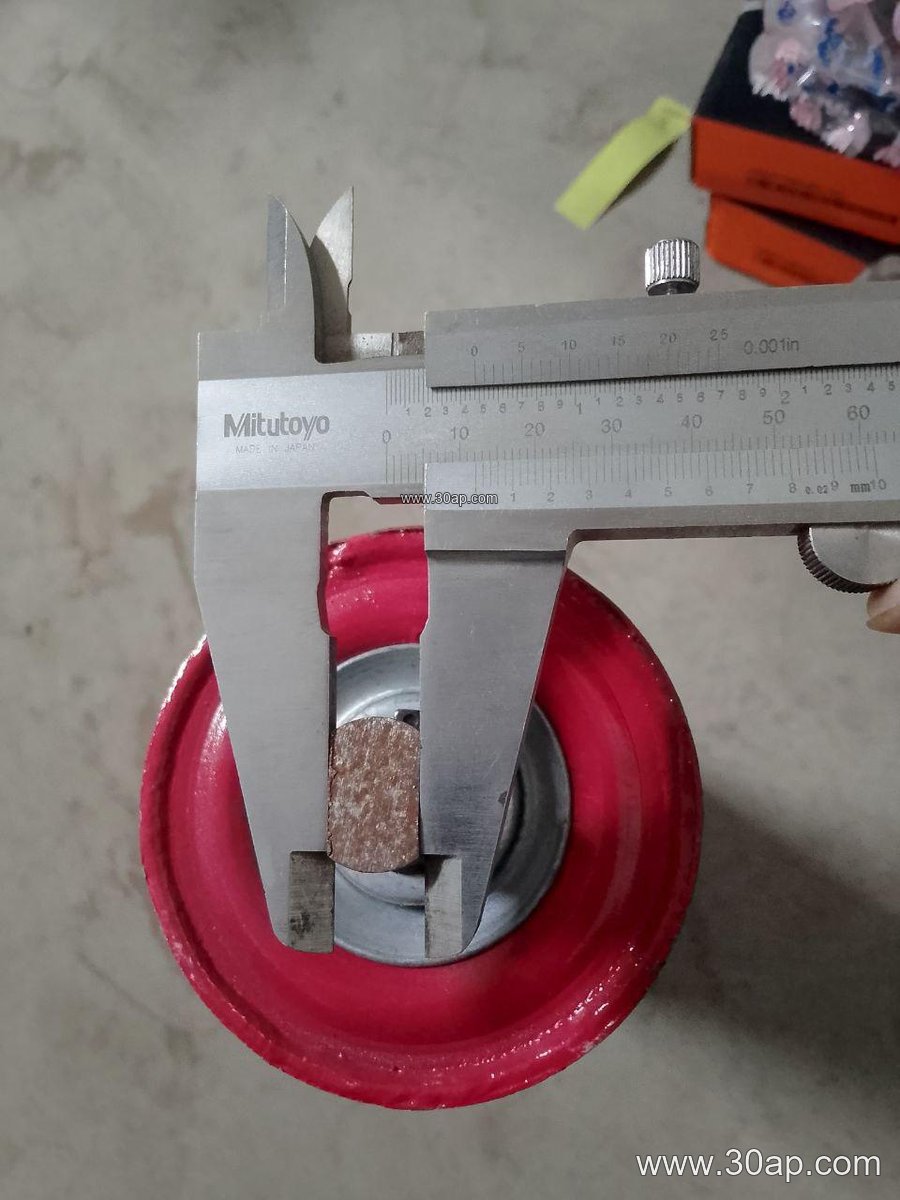
Idlers also appear in limestone handling for flue gas desulfurization, in ash conveying, and in biomass feed lines. Plants that handle abrasive fuel or additive materials may pair the idler layout with an abrasion resistant conveyor belt, while hot material sections may need a heat resistant conveyor belt and idlers rated for elevated temperature. The idler choice and the belt choice should be reviewed together, since a stiff belt and a poorly matched trough angle can cause edge wear or tracking problems.
Buyer Checklist Before Ordering
Start with the belt width and the troughing configuration, then confirm roller diameter, shaft size, bearing type and sealing class with the conveyor designer. Ask whether the position is carrying, return, impact or transition duty, because the same roller shell can be built with different bearing and seal packages. Confirm the mounting dimensions, the bracket type, and whether a conveyor bracket with adjustable slots is needed for fine tracking.
For coal service, flame retardant and anti-static properties are often specified for the belt, and the idler specification should match the same environment. Buyers working with a coal mining conveyor belt or an underground coal mining conveyor belt should also check that roller materials and seals suit the local dust and moisture conditions. Spare parts planning is easier when the plant keeps a small stock of common roller diameters and bearing sizes rather than a long list of unique items.
Maintenance Notes
Listen for squealing or rumbling rollers during routine walks, and check for seized rollers that can rub a flat spot into the belt. Inspect seals after washdown or heavy rain, and clear coal build-up around training idlers so they can still steer the belt. Replace idlers in small groups when several in one section show the same wear pattern, and record roller diameter, shell material and bearing size so future orders match the installed conveyor.