What the EP500 Conveyor Belt Is
An EP500 Conveyor Belt is a fabric-core rubber belt built around polyester-polyamide (EP) plies. The number 500 refers to the nominal tensile strength of the carcass, commonly expressed in newtons per millimeter of belt width. In practical terms, it sits in the middle-upper range of the EP family, above EP400 and below EP630, which makes it a frequent choice where a single belt must handle abrasive bulk material without the stiffness and cost of a steel cord construction.
Because the strength is carried by woven fabric rather than wire ropes, the belt stays flexible, trains well on smaller pulleys, and can be spliced in the field with vulcanized or mechanical joints. That combination is why operators in mining, cement, power generation, and quarrying often specify an EP500 Conveyor Belt for main haulage and plant transfer lines.
Construction and Material Build
The carcass usually contains two to six EP plies, depending on the duty and the required safety factor. Rubber covers protect the fabric from impact, abrasion, and moisture. Common cover builds include 4+2 mm, 5+2 mm, 6+2 mm, and 8+3 mm, with the first figure being the top cover and the second the bottom cover.
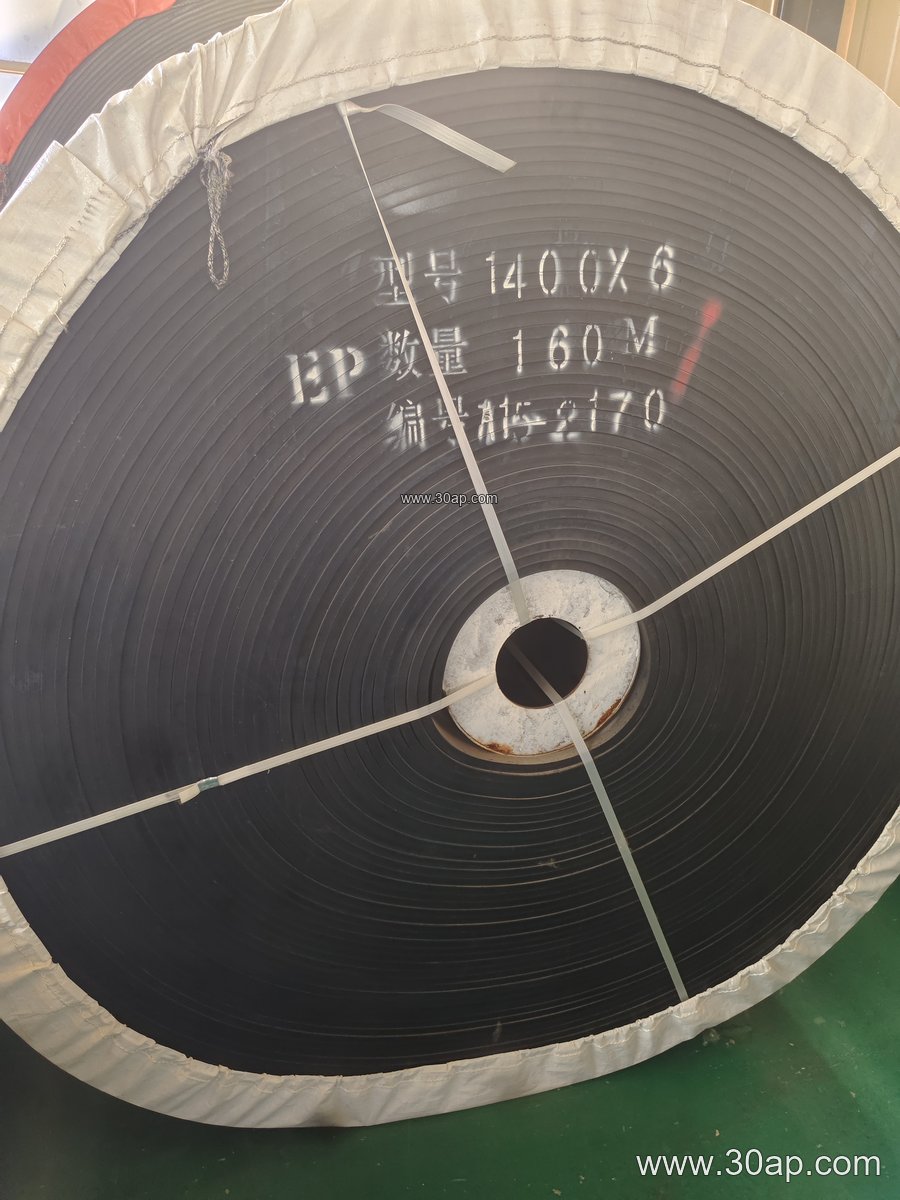
Cover compound selection matters as much as carcass strength. A plain abrasion resistant conveyor belt compound suits crushed stone and sand, while a heat resistant conveyor belt grade is used near clinker coolers or sinter plants. For coal handling, a flame retardant conveyor belt or fire resistant conveyor belt specification is often requested, and anti-static properties may be added where dust ignition is a concern. In cold climates, a cold resistant conveyor belt compound keeps the cover from cracking during startup.
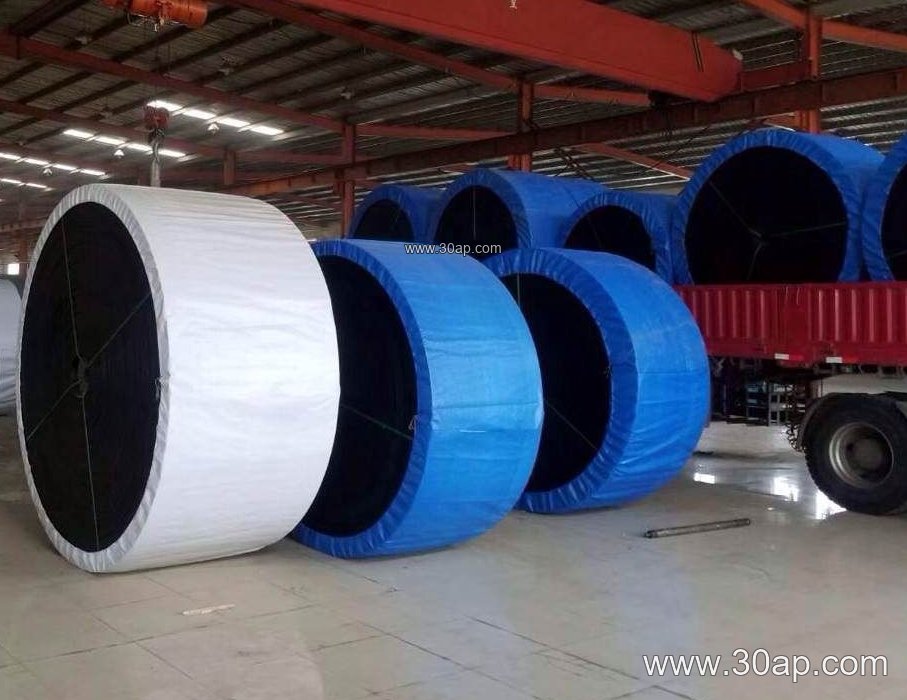
Typical Duty Points and Industries
The EP500 grade appears across a wide spread of bulk material conveyor belt duties:
- Coal mining conveyor belt lines, including underground mining conveyor belt sections where flame retardant covers are required.
- Cement plant conveyor belt circuits moving limestone, clinker, and gypsum.
- Power plant conveyor belt systems feeding stockpiles and bunkers.
- Quarry conveyor belt and aggregate conveyor belt lines handling crushed rock.
- Crusher conveyor belt discharge points, where impact resistant conveyor belt covers help absorb lump energy.
- Port conveyor belt and ship loading conveyor belt installations moving ore and grain.
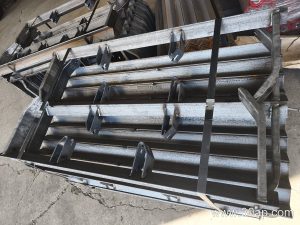
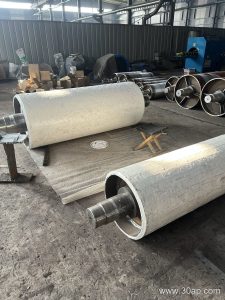
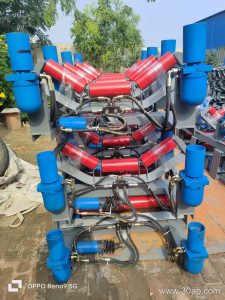
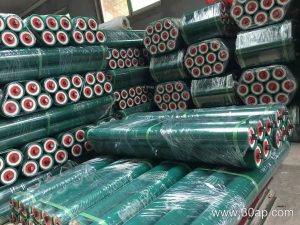
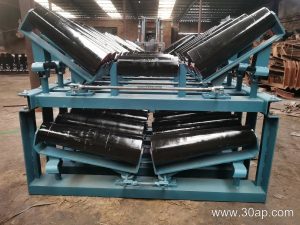
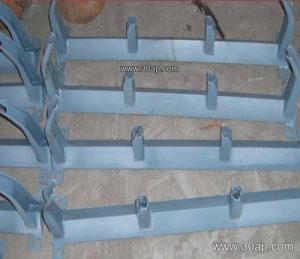
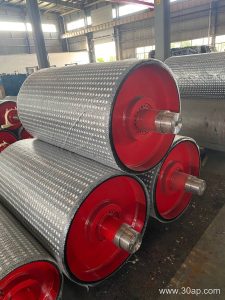
In these layouts the belt runs over conveyor pulleys at the head and tail, supported by idler rollers along the carry and return strands, with conveyor brackets holding the frames in alignment. Each of those components has its own job; the drive pulley pulls, the tail pulley returns, and bend pulleys redirect the path. They are selected separately from the belt and are not interchangeable.
Common Sizes and Reference Data
Belt width and carcass grade are chosen together with the conveyor design, not from a fixed table. The values below are typical reference points only; final specifications are confirmed by the manufacturer for each project.
| Parameter | Typical reference values |
|---|---|
| Carcass grade | EP200, EP315, EP400, EP500, EP630, EP800 |
| Belt width | B650, B800, B1000, B1200, B1400, B1600 |
| Cover thickness | 4+2 mm, 5+2 mm, 6+2 mm, 8+3 mm |
| Ply count | 2 to 6 plies |
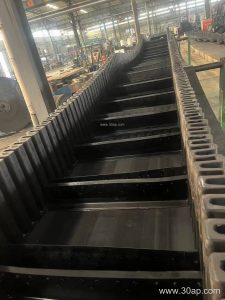
| Surface options | plain, chevron conveyor belt, corrugated sidewall conveyor belt, skirted conveyor belt |
A 1200mm wide conveyor belt running at a moderate speed is a common arrangement for plant transfer lines, while wider 1400mm or 1600mm belts appear on high-tonnage mainlines. Width alone does not dictate pulley diameter or shaft size; those follow the conveyor’s tension and shaft load calculations.
Buyer Checklist
Before ordering, confirm the material being carried, lump size, throughput, incline angle, and ambient temperature. State whether the belt will be an endless conveyor belt spliced on site or supplied in rolls for mechanical fastening. Ask for the cover grade in writing, since abrasion, heat, oil, and flame requirements can change the compound rather than the carcass.
Compare the EP500 Conveyor Belt against alternatives only where it makes sense. A steel cord conveyor belt offers higher strength for very long, high-tension lines, while an NN conveyor belt may be adequate for lighter duties. For steep inclines, a chevron or corrugated sidewall design may replace a standard smooth belt. Matching the belt grade to the actual duty keeps the whole conveyor, from idler rollers to the drive pulley, working as a balanced system.