What the EP1500 Designation Means
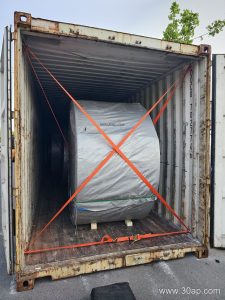
An EP1500 conveyor belt is a heavy-duty fabric-core belt built on polyester-cotton (EP) canvas. The number 1500 refers to the nominal tensile strength of the belt: 1500 N/mm. This places it among the stronger fabric-reinforced belts, above common EP630 and EP800 grades and below the highest EP2000 constructions. Buyers often encounter it as an EP rubber conveyor belt or EP fabric core conveyor belt, and those names describe the same product category.
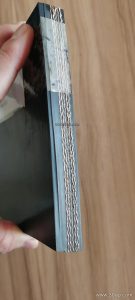
The EP carcass is made from multiple plies of polyester warp and polyamide weft fabric, usually two to six layers depending on the required strength and load support. A rubber cover is applied to the top and bottom faces, and the finished belt is vulcanized into a single solid slab. The result is a belt that balances high strength with flexibility, allowing it to run on relatively small pulleys without the stiffness of a steel cord belt.
Construction and Typical Specifications
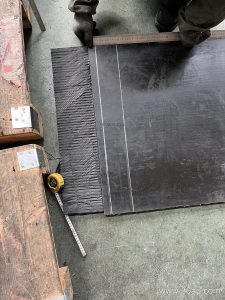
Because the EP1500 is often specified for abrasive bulk materials, cover compound and thickness matter as much as tensile grade. Common cover combinations include 4+2 mm, 5+2 mm, 6+2 mm, and 8+3 mm, where the first figure is the top cover and the second is the bottom cover. The top cover provides wear resistance, while the bottom cover protects the pulley side. Cover rubber may be formulated for abrasion resistance, heat resistance, oil resistance, flame retardancy, or anti-static service, depending on the installation.
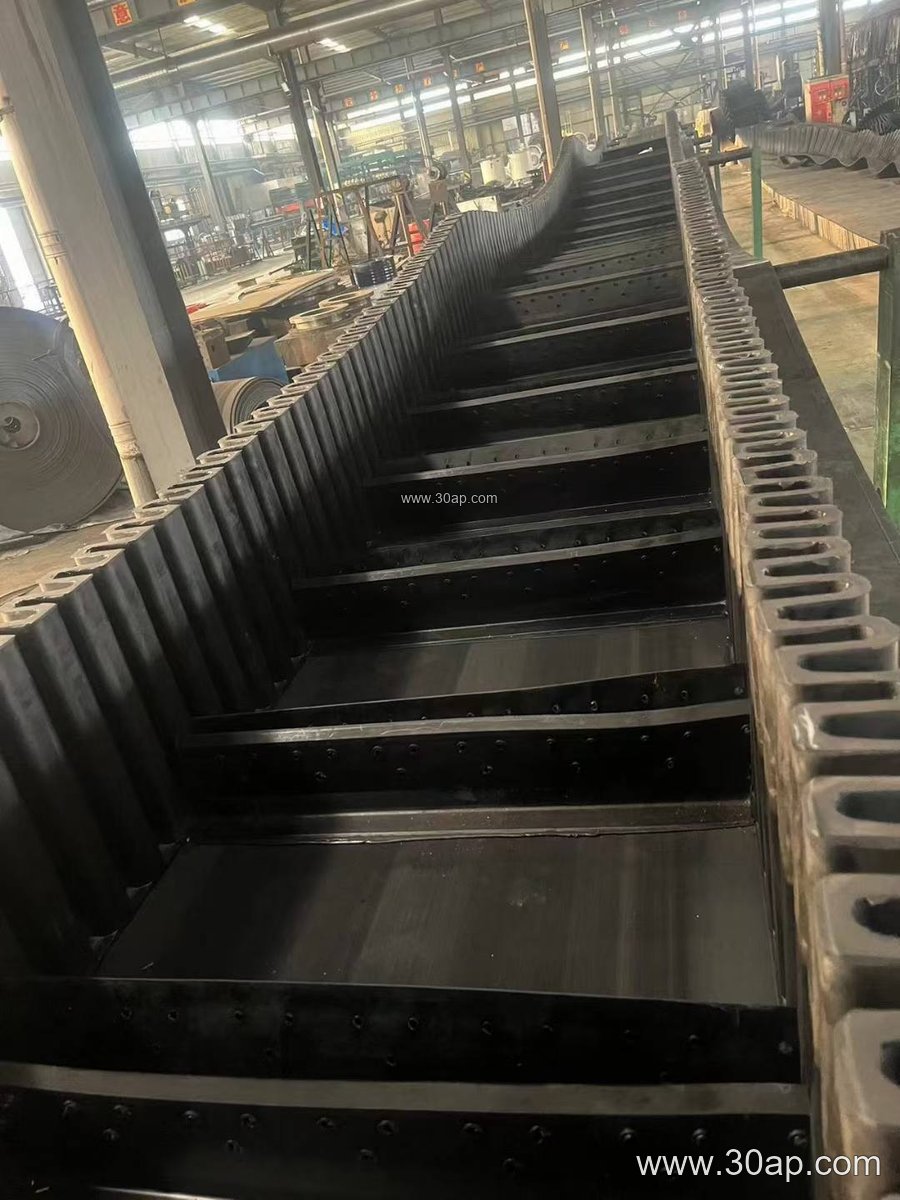
Widths are selected to match the conveyor frame and the material flow. Common belt widths in this class range from B800 and B1000 up to B1600 and B1800, with wider options available by design. A 1200mm or 1400mm width is frequently used in quarry and aggregate circuits, while narrower 800mm belts suit smaller transfer points. These values are references, not fixed pairings; final width, ply count, and cover gauge should be confirmed against the conveyor design and the duty cycle.
Where EP1500 Belts Are Used
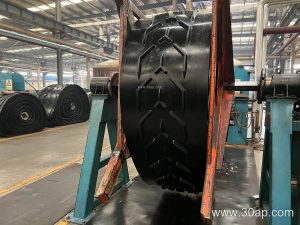
The EP1500 is at home in demanding bulk handling environments. In a quarry conveyor belt or aggregate conveyor belt system, it carries crushed stone, sand, and gravel over long distances. In a cement plant conveyor belt line, it moves clinker and raw meal. Power plant conveyor belts use it for coal and limestone, and mining conveyor belts rely on it for ore and waste rock. The belt also appears in port conveyor belts and ship loading conveyor belts where high capacity and steady tension are required.
Because the carcass is fabric rather than steel cord, the EP1500 is often chosen where impact loading is expected. A crusher conveyor belt, for example, receives irregular lumps that can damage a stiff belt. The EP fabric core absorbs shock and distributes it across the plies. For very high tension or extremely long single flights, a steel cord conveyor belt may be a better fit, but the EP1500 remains a practical choice for many medium-to-heavy duties.
Selection and Maintenance Notes
Choosing an EP1500 conveyor belt involves more than the tensile grade. Check the maximum lump size, the material temperature, and whether the belt will run in a tunnel, a covered gallery, or an open yard. In underground coal mining, flame retardant and anti-static properties are usually mandatory, while a heat resistant conveyor belt may be needed near clinker coolers or sinter plants. Oil resistant and cold resistant grades are available for specific conditions.
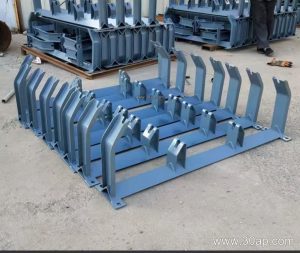
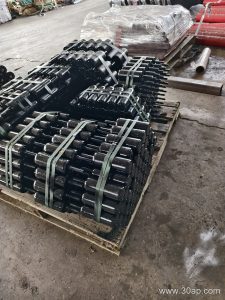
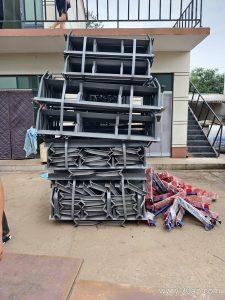
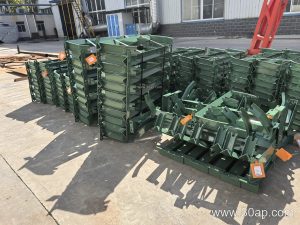
Supporting components matter as much as the belt itself. Conveyor pulleys should be sized to avoid excessive bending stress in the carcass, and idler rollers should be aligned to prevent edge wear. Conveyor brackets and frames must keep the belt tracking correctly. During operation, inspect the belt for edge damage, cover wear, and splice integrity. A well-maintained EP1500 belt can deliver long service in sand making plants, stone crushing lines, recycling facilities, and construction material yards.
For buyers comparing fabric belts, the EP1500 sits above NN conveyor belts of similar width in terms of strength retention and stretch resistance, and it is more forgiving of impact than a steel cord design. It is not a replacement for every application, but for high-capacity bulk material handling it offers a balanced, proven solution.