What a 1600mm Diameter Conveyor Pulley Is
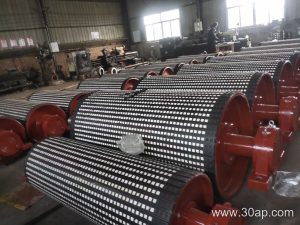
A 1600mm diameter conveyor pulley is a large drum used at key points in a bulk material handling system. It rotates with the conveyor belt and helps transmit motion, change belt direction, or maintain tension along the route. At this diameter, the pulley is typically found on high capacity conveyors where belt widths and loads are substantial.
In everyday language, the same item may be called a 1600mm drum pulley or a large diameter belt pulley. These names describe the same component. The term drive pulley, tail pulley, or bend pulley, however, is not interchangeable, because each refers to a different duty position on the conveyor.
How the Drum Is Built
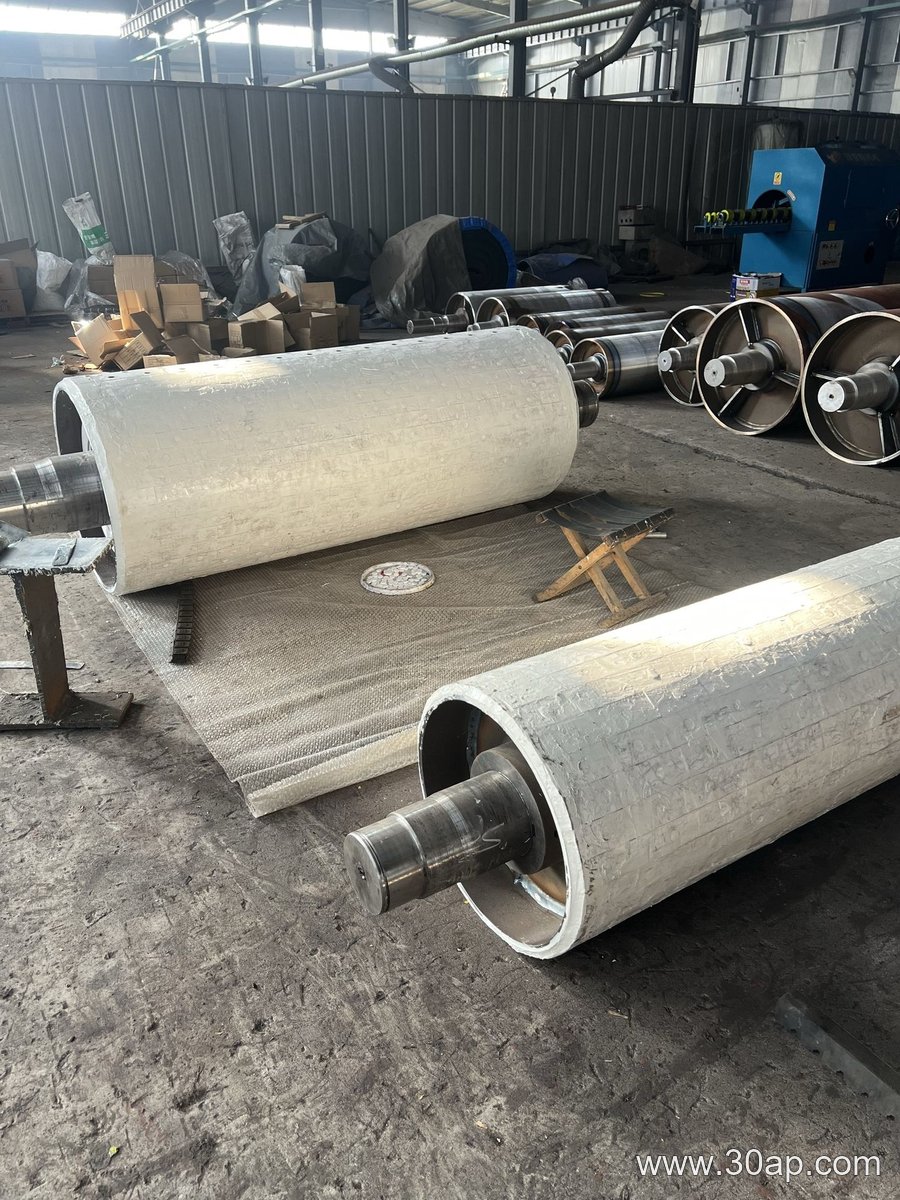
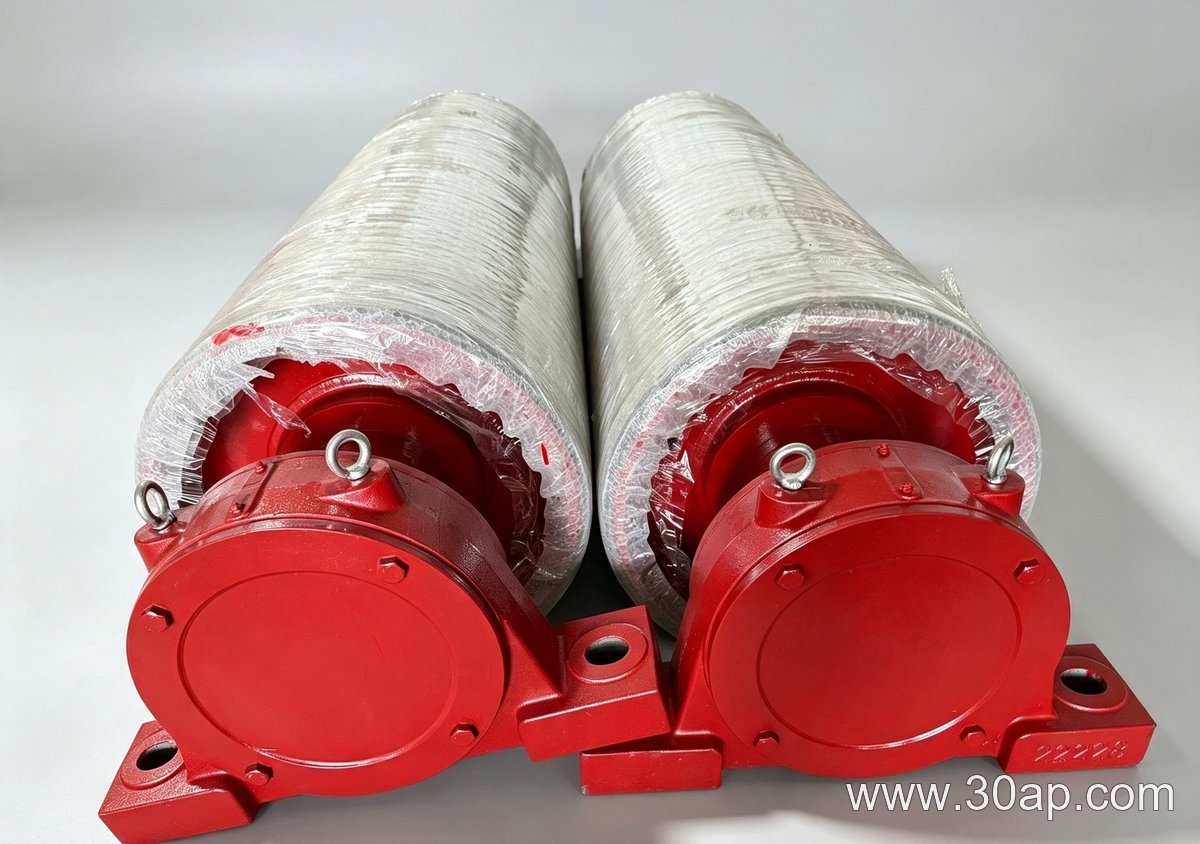
The structure of a 1600mm diameter conveyor pulley usually includes a cylindrical shell, end discs, a hub, and a shaft. The shell is often made from rolled steel plate and machined or ground on the outside. End discs are welded inside the shell to support the shaft and transfer load. The shaft diameter is not decided by belt width alone; it is selected by torque, bending load, and the bearing arrangement. Common shaft sizes in large pulleys may range from Ø160 to Ø200 or more, but the final value is always confirmed by design calculations.
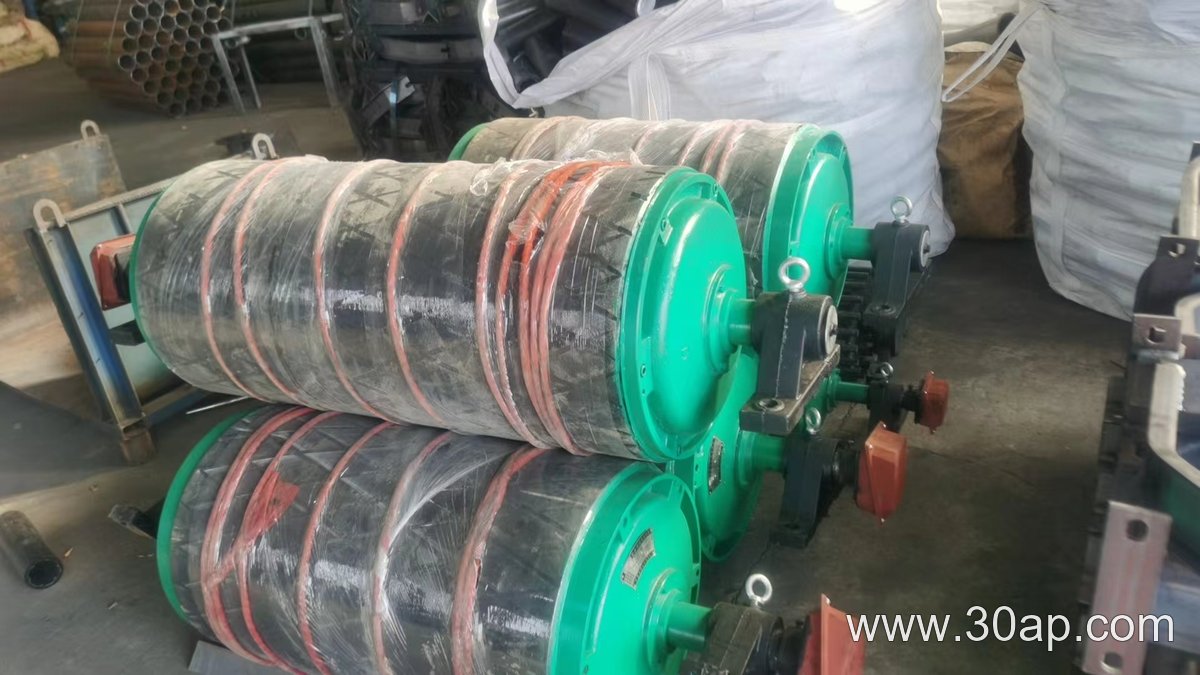
Surface treatment is another important part. A pulley may be supplied with a plain finish, or with rubber lagging applied by hot vulcanization, cold bonding, or casting. Diamond and herringbone patterns are common surface forms that improve grip and help shed material. Lagging thickness is often 8, 10, 12, 15, or 20 mm, depending on the application.
Where It Fits on the Conveyor
Large diameter pulleys are used in several positions. A drive pulley, also called the head pulley when it sits at the discharge end, pulls the belt and drives the load. A tail pulley at the opposite end helps return the belt and can also act as a tension point. A bend pulley changes belt direction without driving the system, while a take up or tension pulley maintains the required belt tension.
For a 1600mm diameter conveyor pulley, the belt width is often in the upper range, such as B1400, B1600, B1800, or B2000. The pulley face width is usually greater than the belt width. For example, a B1600 belt may run on a pulley face around 1800 mm, though actual dimensions follow the conveyor design. One belt width can match more than one pulley diameter, and one diameter can serve more than one belt width. There is no fixed pairing rule.
Applications and Site Conditions
This size of pulley is at home in heavy duty bulk handling. It can appear in a copper mine, a coal preparation plant, a port bulk terminal, or a limestone quarry. In these places, the conveyor belt moves coarse and abrasive material, so the pulley needs a robust shell and reliable lagging. A smaller bend pulley in the same system may use a different diameter and a lighter construction, but it should not be treated as a substitute for the main 1600mm unit.
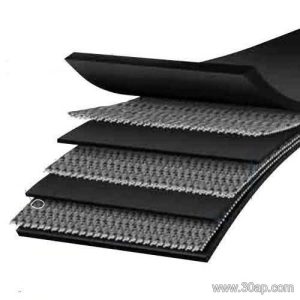
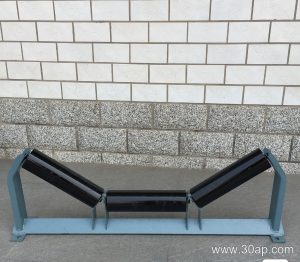
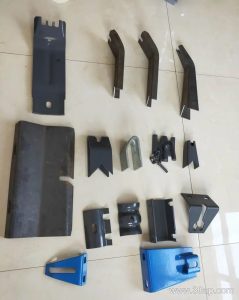
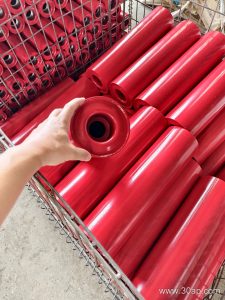
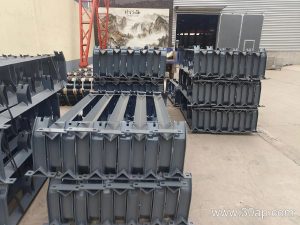
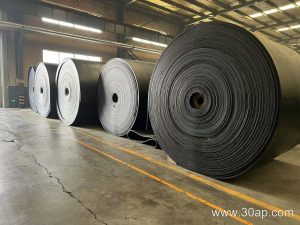
Environmental conditions also matter. Wet or muddy sites may call for grooved lagging to improve water drainage. Dry, dusty sites may favor a smooth or lightly textured surface. In every case, the pulley works together with the conveyor belt, idler rollers, and conveyor brackets to keep the line running.
What Buyers Should Check
- Duty position: confirm whether the pulley is a drive, tail, bend, or tension pulley.
- Belt width and face width: make sure the drum face is wide enough for the belt and its tracking needs.
- Shaft size: verify the shaft diameter from torque and load data, not from belt width alone.
- Lagging: choose plain, rubber, diamond, or ceramic surface according to grip and material conditions.
- Balance and runout: large pulleys should be balanced and machined to reduce vibration.
- Bearing and locking assembly: check that the hub and shaft connection suits the expected load.
A 1600mm diameter conveyor pulley is a major component, so the specification should come from the conveyor designer and the actual operating conditions. When the diameter, face width, shaft, and surface are matched correctly, the pulley helps the belt run smoothly and keeps maintenance predictable over a long service life.