What a Belt Conveyor Bracket Does on the Line
A belt conveyor bracket is the structural element that positions and holds the idler roller in the correct place beneath or above the conveyor belt. It is not a single universal part. The name covers several families of frames that share one job: keeping the rollers steady so the belt runs straight, carries the load, and returns cleanly. In a quarry, a cement plant, or a power plant coal yard, the bracket is often the least noticed component until a roller drifts or a belt starts to train badly. Then the frame becomes the first thing the maintenance team inspects.
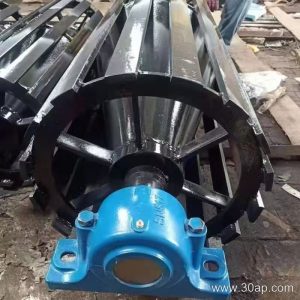
The bracket works together with the conveyor belt, the idler roller, the conveyor pulley, and the conveyor bracket itself, which is another common way to name the same support frame. Drive, tail, and bend pulleys sit at the ends and changes of direction; they are separate components and are not part of the bracket family.
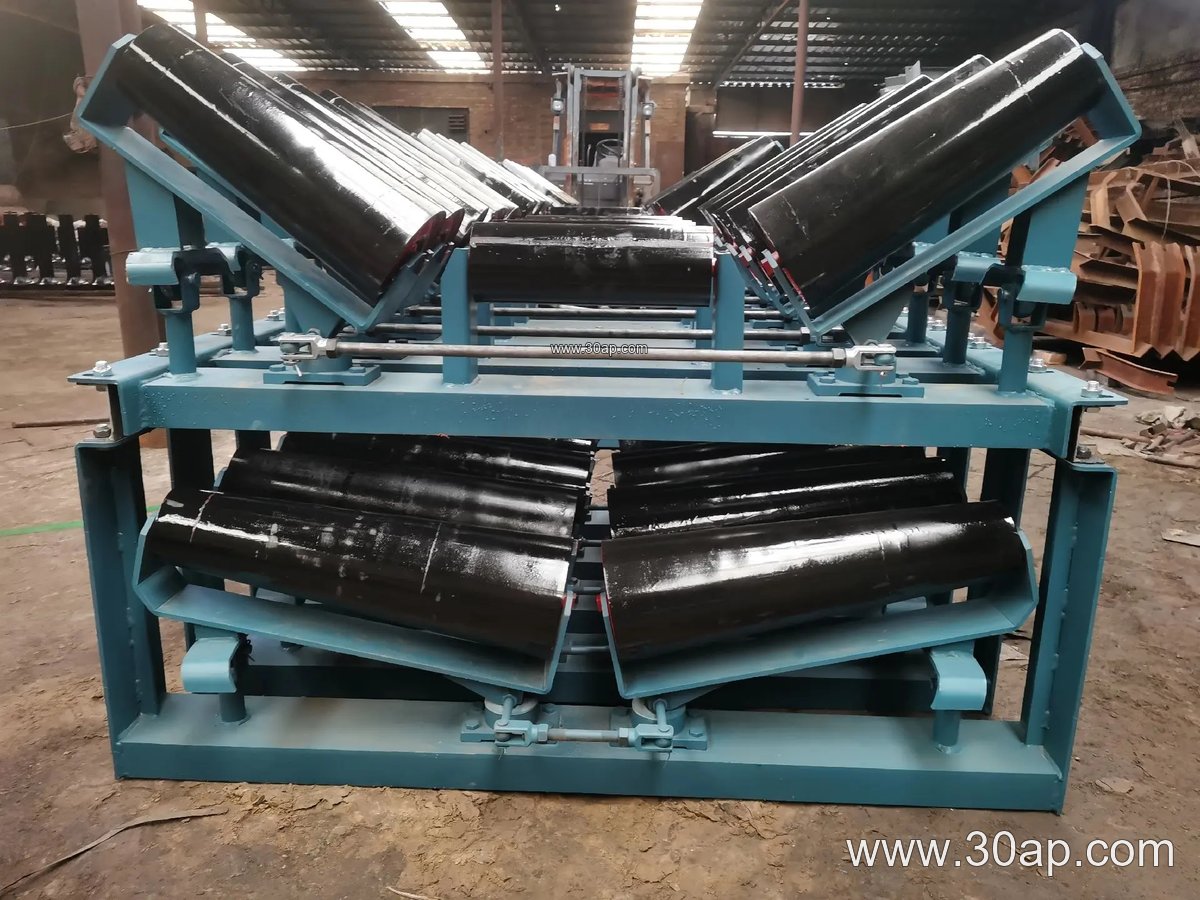
Construction and Common Forms
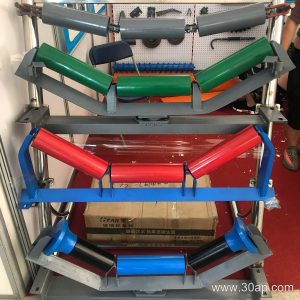
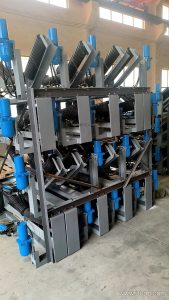
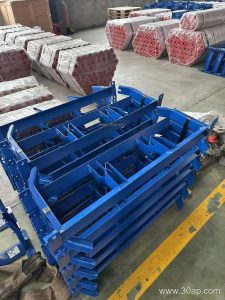
Most belt conveyor bracket frames are fabricated from angle steel, channel steel, or folded steel plate. The choice depends on load, span, and whether the frame must be adjustable. Common forms include trough brackets and upper trough frames, transition brackets near the pulleys, return brackets, flat lower frames, V-return frames, impact brackets, self-aligning brackets, forward-leaning brackets, spiral roller brackets, suspended frames, and adjustable frames.
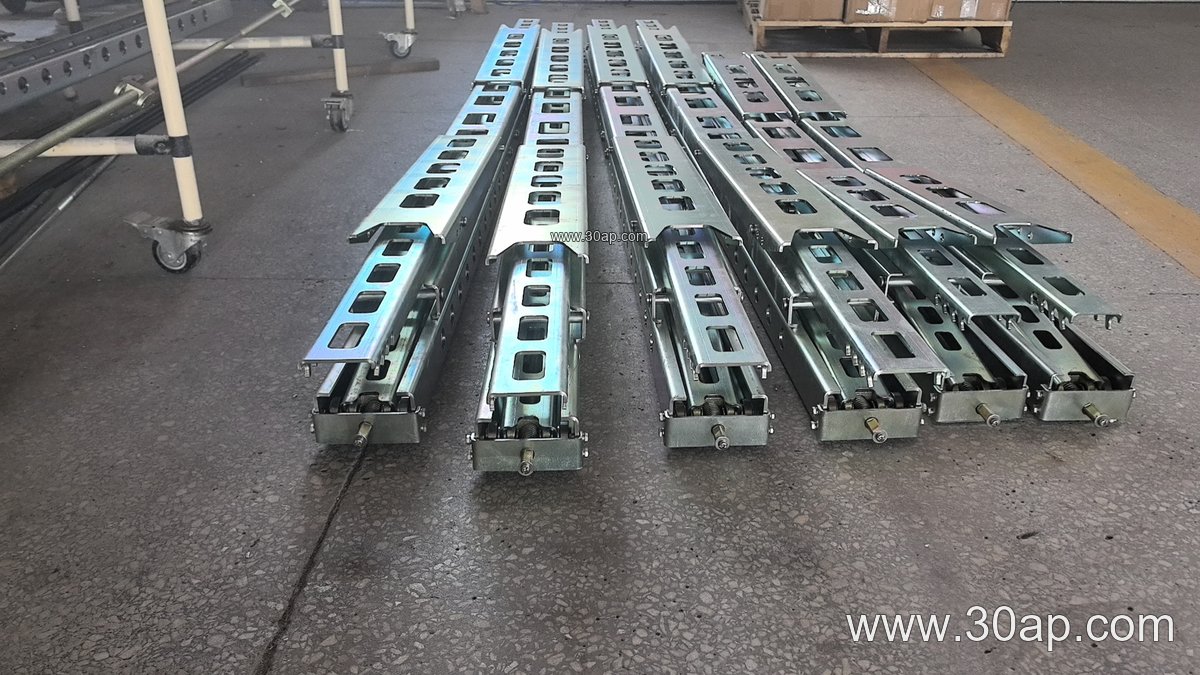
- Trough brackets set the belt into a trough shape to contain bulk material.
- Return and V-return brackets support the empty side of the belt.
- Impact brackets sit under loading points where material falls onto the belt.
- Self-aligning and forward-leaning types help correct belt wander.
- Adjustable frames allow the trough angle to be changed on site.
Material thickness and weld quality matter more than appearance. A frame that flexes under a full load will let rollers tilt, and a tilted roller pushes the belt sideways.
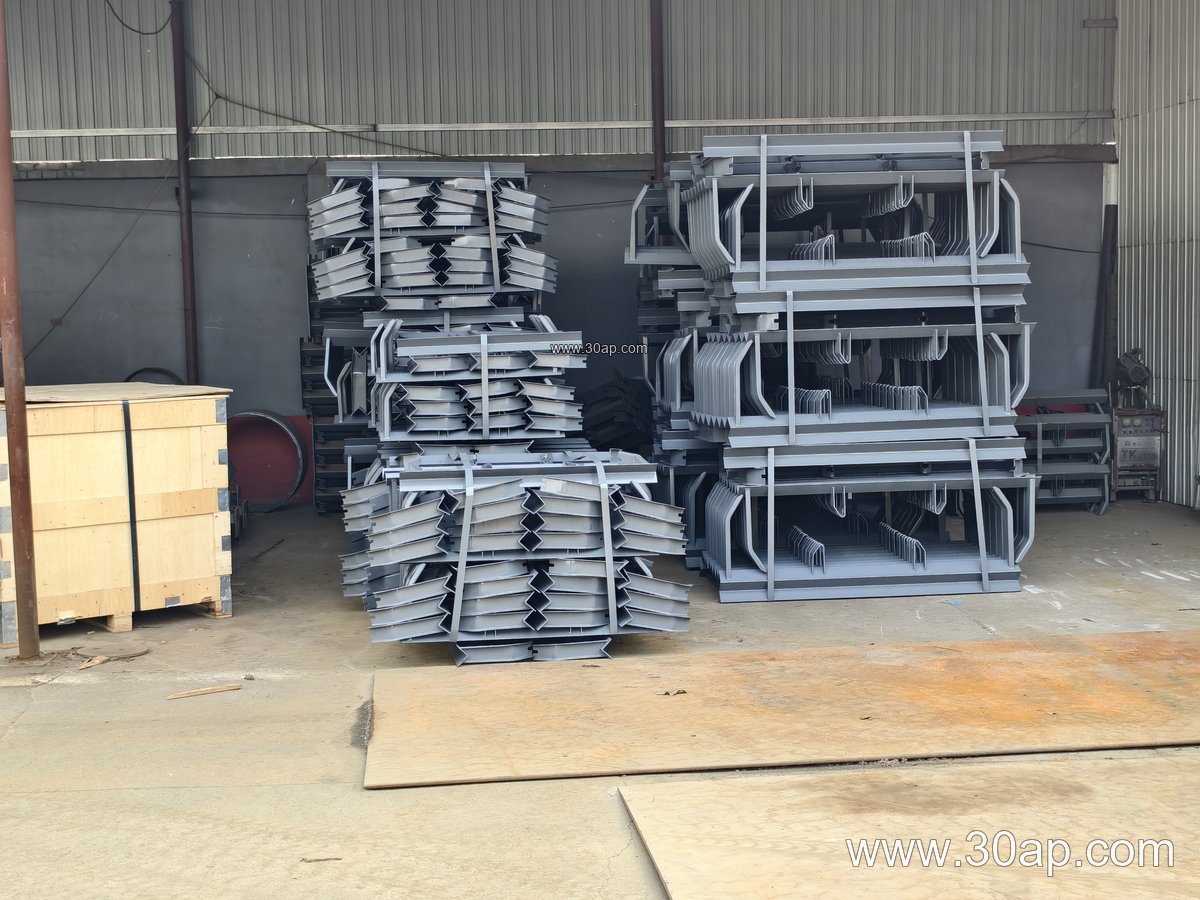
Matching Width, Trough Angle, and Roller Diameter
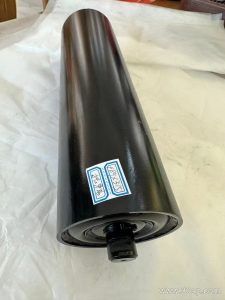
Bracket geometry follows the belt width, the required trough angle, and the roller diameter. Typical belt widths run from B500 up to B2200, with B650, B800, B1000, B1200, B1400, and B1600 seen often in bulk handling. Trough angles of 20, 30, 35, and 45 degrees are common, and adjustable frames can move between these settings. Forward-leaning brackets are usually set around 1.5 to 2 degrees. Roller diameters such as Ø89, Ø108, Ø133, Ø159, and Ø194 are selected by load and belt speed, not by width alone.
Installation hole spacing and crossbeam length change with belt width and trough angle, so they are determined by design rather than fixed. The table below shows reference combinations only; a single belt width can work with more than one angle or roller size.
| Reference | Belt Width | Trough Angle | Roller Diameter |
|---|---|---|---|
| Light duty | B650 | 30 degrees | Ø89 |
| General duty | B800 | 35 degrees | Ø108 |
| Medium duty | B1200 | 45 degrees | Ø133 |
| Heavy duty | B1600 | 35 degrees | Ø159 |
| Wide frame | B2000 | 30 degrees | Ø194 |
Where These Frames Are Used
In a limestone quarry or a crushing and screening line, trough brackets carry a heavy abrasion resistant conveyor belt loaded with rock. In a coal preparation plant, flame retardant conveyor belt and anti-static properties matter, and the bracket must keep the belt centered through transfer points. In a cement plant, heat resistant conveyor belt may run near clinker, while the frame still needs a stable trough angle. Ports and ship loading systems use wide frames with large rollers to handle high tonnage. The same bracket logic applies to EP conveyor belt, NN conveyor belt, and steel cord conveyor belt installations, though the load per meter differs.
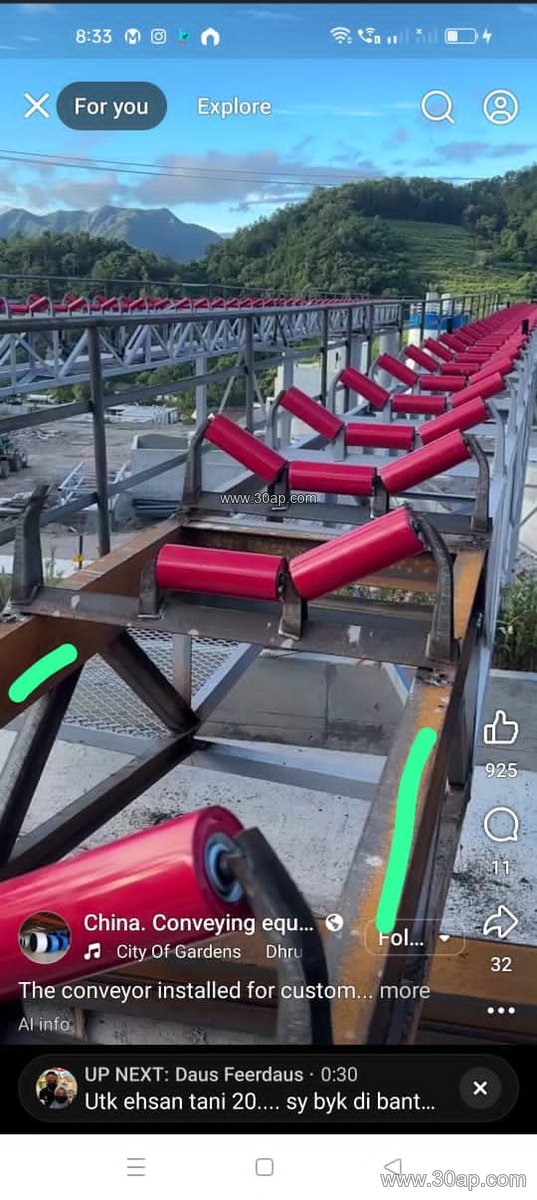
Selection should also consider the environment. A washdown area in a sand plant may call for galvanized or painted frames, while a dry, dusty transfer tower may need frames that shed material rather than trap it.
Buyer Checklist
- Confirm the belt width and the required trough angle before ordering.
- State the roller diameter and the mounting hole pattern, since these are not universal.
- Ask whether the frame is fixed or adjustable and how the adjustment is locked.
- Check material and finish against the site conditions.
- Review the transition and impact zones, not just the standard carrying frames.
A well-chosen belt conveyor bracket keeps the idler roller square to the belt, reduces spillage, and extends belt life. Buyers who treat it as a minor accessory often pay for it later in tracking problems and downtime.