What a Return Idler Bracket Does on a Conveyor
The return idler bracket is the structural component that holds the return-side idlers in place beneath the conveyor belt. While the carrying side gets most of the attention, the return side quietly does the job of supporting the empty belt on its way back to the tail pulley. A well-built bracket keeps those idlers aligned, reduces belt sag, and helps the whole conveyor run smoothly. In a quarry or a cement plant, a wobbly return bracket can cause the belt to wander, which quickly leads to edge damage and spilled material.
This bracket is often called a return roller bracket or lower idler support frame. It is not the same as a troughing bracket on the carrying side, and it should never be confused with a bend pulley or drive pulley. Those are different components with different jobs. The return idler bracket is specifically the mounting hardware for the lower run of idlers.
Construction and Mounting
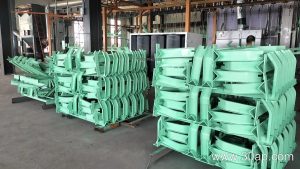
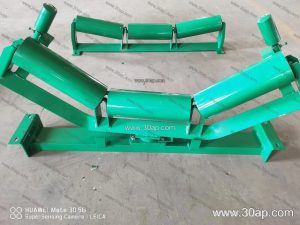
Most return brackets are fabricated from angle steel, channel steel, or folded steel plate. The design is simple but needs to be sturdy. The bracket usually bolts to the conveyor stringer or frame and includes slots or holes that allow the idler shaft to sit securely. Some designs are fixed, while others are adjustable to fine-tune the belt path.
In a typical setup, the bracket works together with a return idler roller to support the belt. The bracket must be strong enough to handle the belt weight and any material that clings to it. For heavy-duty mining conveyor belts, the bracket may use thicker steel and reinforced mounting points. The exact hole spacing and beam length are determined by the belt width and the bracket type, so buyers should always confirm dimensions with the supplier.
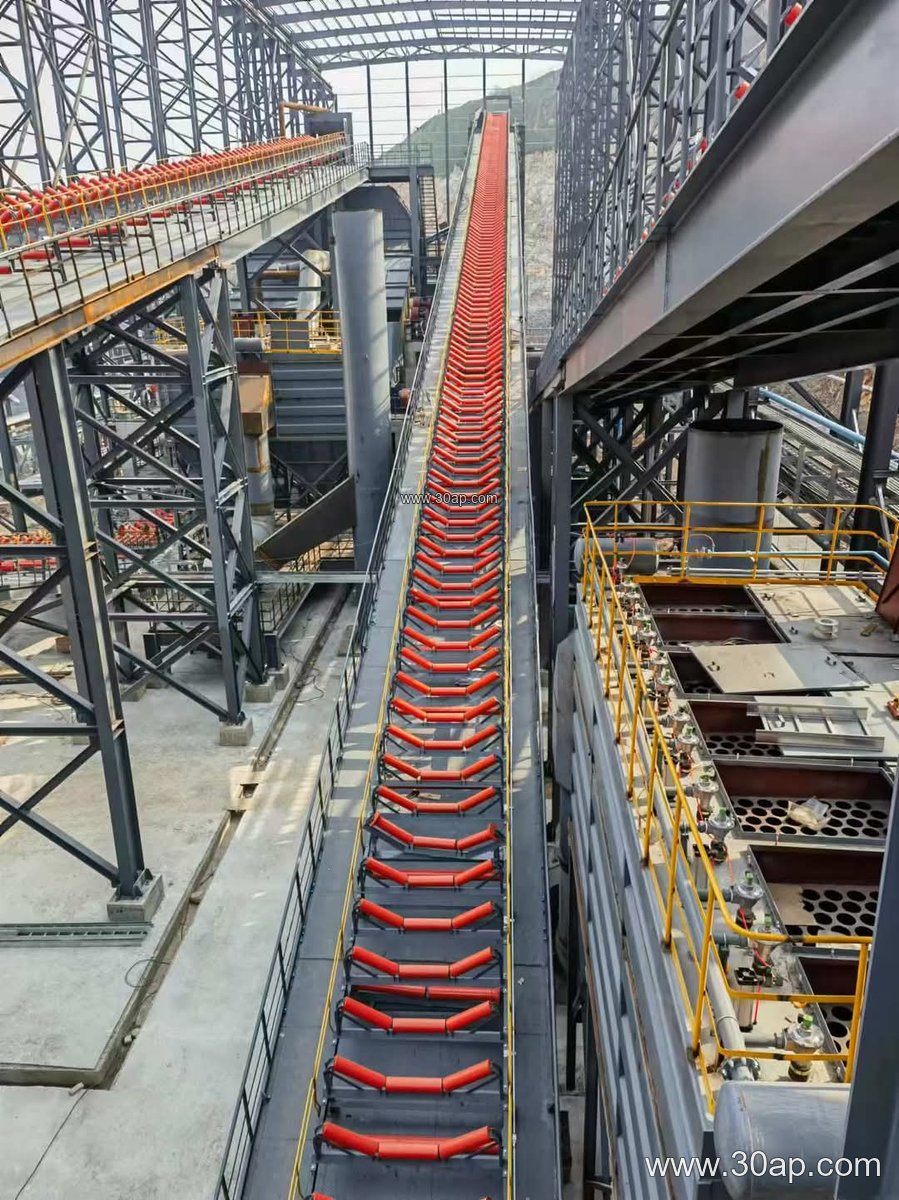
Where It Fits in Bulk Material Handling
Return idler brackets appear in almost every industry that uses a conveyor belt. In a coal mining operation, they support the belt on the return run through dusty and often wet conditions. In a power plant coal yard, they help keep the belt tracking straight over long distances. Aggregate operations and stone crushing lines rely on them to maintain tension on the return side, especially after the crusher where the belt can be unevenly loaded.
They are also common in cement plants, steel mills, and port loading facilities. Even in a food processing plant using a food grade conveyor belt, the return bracket plays a role in keeping the belt clean and aligned. The bracket itself is usually a standard steel fabrication, but the environment dictates the surface treatment, such as painting or galvanizing.
Types and Selection Points
Return brackets come in several forms to match different conveyor designs. A flat return bracket holds a single flat idler. A V-return bracket uses two idlers set at an angle to help center the belt. There are also adjustable return brackets that let maintenance crews correct belt misalignment without replacing the whole frame.

When selecting a return idler bracket, consider the belt width, the idler diameter, and the available mounting space. Common belt widths range from B500 to B2200, and idler diameters often include Ø89, Ø108, Ø133, Ø159, and Ø194. The table below shows some typical reference combinations, but these are not fixed rules. A B800 belt might use a Ø108 idler with a 30-degree troughing angle on the carrying side, but the return bracket is usually flat or V-shaped. Always check the actual conveyor design.
| Belt Width | Common Return Idler Diameter | Typical Bracket Style |
|---|---|---|
| B500 | Ø89 | Flat or V-return |
| B650 | Ø89 / Ø108 | Flat or V-return |
| B800 | Ø108 | Flat or V-return |
| B1000 | Ø108 / Ø133 | Flat or V-return |
| B1200 | Ø133 | V-return or flat |
| B1400 | Ø133 / Ø159 | V-return or flat |
| B1600 | Ø159 | V-return or flat |
| B1800 | Ø159 / Ø194 | V-return or flat |
| B2000 | Ø194 | V-return or flat |
| B2200 | Ø194 | V-return or flat |
For high-abrasion environments, such as handling iron ore or copper ore, the bracket should be inspected for wear at the mounting points. In a coal mining conveyor belt system with flame retardant properties, the bracket material itself does not need to be flame retardant, but it must not interfere with the belt’s safety features.
Buyer Checklist for Return Idler Brackets
- Confirm the belt width and the return idler diameter. A bracket for a Ø108 idler will not fit a Ø159 shaft.
- Check the mounting hole spacing on your conveyor frame. This is not a universal dimension and varies with belt width and bracket design.
- Decide between fixed and adjustable brackets. Adjustable types are useful where belt tracking is critical, such as in a long overland conveyor.
- Consider the environment. In a wash plant or port, galvanized or painted brackets resist corrosion better than bare steel.
- Ask for the bracket material thickness. Light-duty brackets may be fine for a small aggregate line, but a heavy-duty mining conveyor belt needs a stronger frame.
Remember that the return idler bracket is part of a system. It works with the conveyor pulley, the idler roller, and the belt itself. A bracket that is too light or poorly aligned will shorten idler life and may damage the belt. For more information on conveyor components, visit conveyor bracket and return idler bracket resources. You can also find related products such as EP conveyor belt and steel cord conveyor belt for complete system planning.
Proper installation and periodic inspection of return idler brackets help avoid unplanned downtime. In a busy sand and gravel plant, a few minutes spent checking bracket bolts can save hours of belt repair later.