What a 72 Inch Conveyor Belt Tracker Does
A 72 inch conveyor belt tracker is a belt alignment device sized for conveyors with a 72-inch (approximately 1800 mm) wide belt. Its job is to detect and correct lateral drift before the belt edge rubs against the frame, damages the carcass, or spills material along the transfer point. In heavy-duty plants such as mines, coal preparation facilities, cement works, power station coal yards, and large aggregate quarries, a 72-inch belt moves a substantial tonnage per hour, so even a small persistent offset can wear a belt edge quickly and load the pulley faces unevenly.
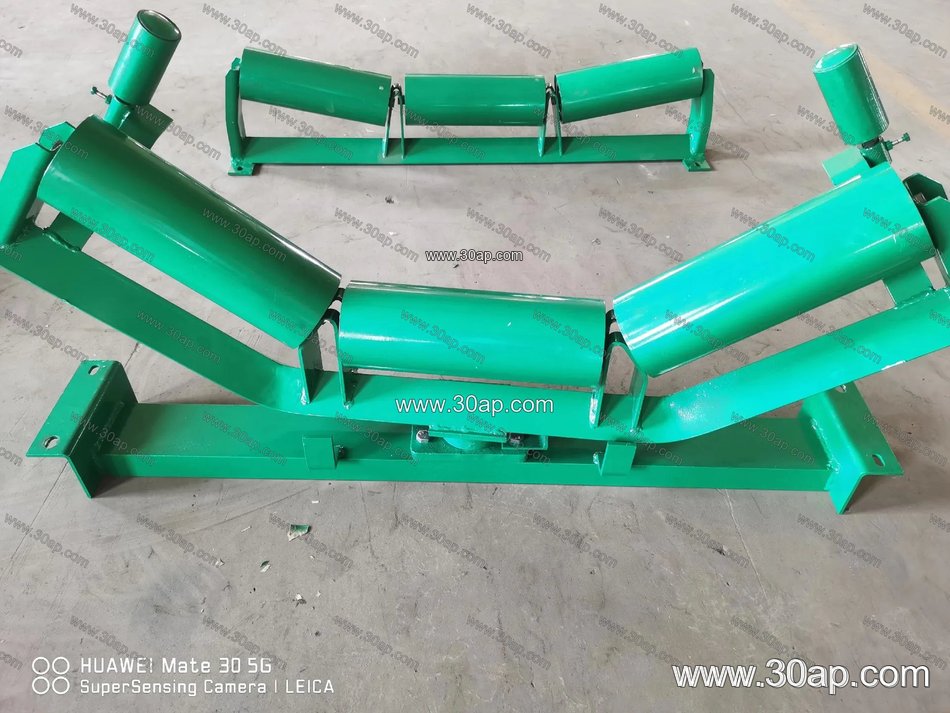
The tracker responds to the belt’s own movement. When the belt shifts toward one side, the tracking roller or roller assembly pivots and introduces a small steering effect that guides the belt back toward the center line. This is a mechanical correction, distinct from simple misalignment sensors that only raise an alarm. Buyers should confirm which function they need before comparing offers.
Construction and Mounting Positions
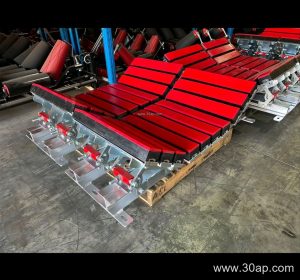
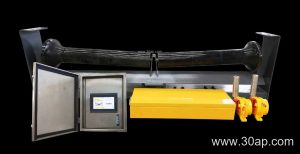
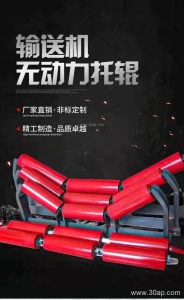
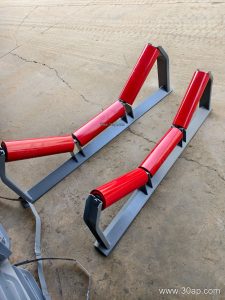
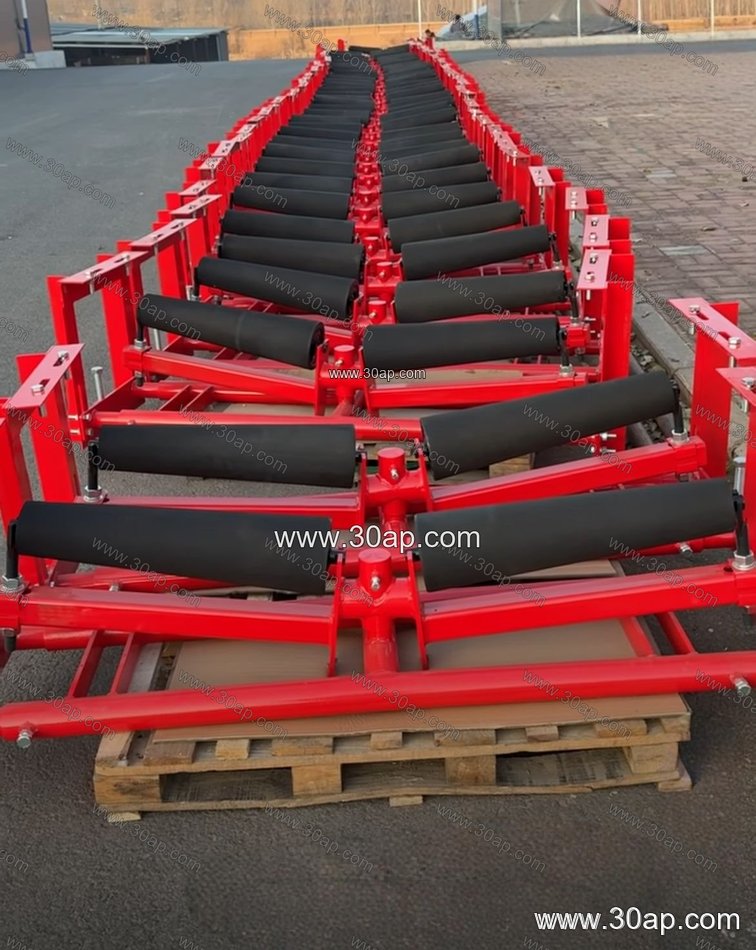
A typical unit combines a tracking roller group, a pivoting frame, a central pivot shaft, and brackets that bolt to the conveyor structure. The roller surface may be plain or tapered, and the frame may be designed for the carrying side or the return side. Mounting position matters more than catalog appearance: a tracker for the carrying run sees the loaded belt, while a return-side unit works on the unloaded strand and often deals with different tracking behavior.
The device is installed on the conveyor structure, not on a drive pulley, tail pulley, or bend pulley. These pulleys have separate functions in the belt path and are not interchangeable with a tracker. A tracker works together with correctly aligned pulleys, square idler frames, and a well-centered loading point. Do not expect it to compensate for a badly skewed tail pulley or a crooked splice.
Where It Fits in a Bulk Handling Line
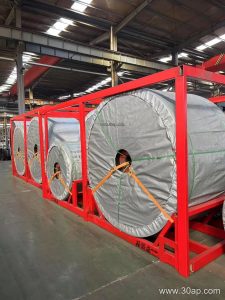
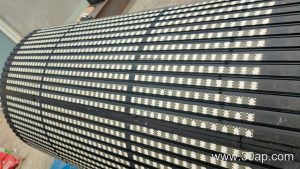
On a 72-inch conveyor, a tracker is often considered at long straight sections, before and after curves, near transfer chutes where off-center loading occurs, and on the return strand where fines build up. Users handling abrasive ore, quarry rock, or coal should also review the belt specification. A heavy-duty conveyor belt with adequate abrasion resistance, or a flame retardant conveyor belt for underground coal mining service, reduces the risk that edge wear becomes the limiting factor. The tracker protects alignment; it does not replace the correct belt compound for the duty.
In cement plants and power plants, dust and spillage can accumulate around the tracker pivot. In sand and gravel operations, impact and moisture change belt tracking between empty and loaded conditions. Each of these conditions should be observed before choosing a mounting location.
Specification Details Buyers Should Confirm
Belt width alone is not enough to select a tracker. The table below lists information that is commonly needed; values depend on the actual conveyor design and must be verified against site drawings.
| Item | What to Confirm |
|---|---|
| Belt width | Nominal 72 inch / 1800 mm, plus actual measured width |
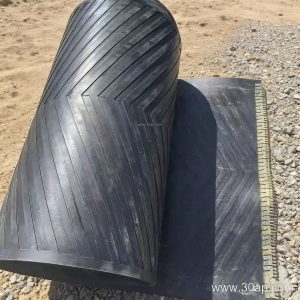
| Belt type | Fabric core, steel cord, chevron, corrugated sidewall, or pipe belt configuration |
| Mounting location | Carrying side or return side, and distance from pulleys |
| Conveyor structure | Stringer spacing, bracket hole pattern, and available installation space |
| Belt speed and direction | Operating speed, one-way or reversible running |
| Roller details | Diameter, length, shaft end type, and bearing arrangement as supplied by the manufacturer |
| Environment | Dust, moisture, temperature, and washdown conditions |
Do not assume a fixed shaft diameter from belt width, and do not assume that a 72-inch tracker matches every 72-inch conveyor. Bracket dimensions and roller lengths vary between structures.
Installation and Maintenance Notes
Before installation, stop the conveyor, isolate the energy source, and prevent unexpected start-up. Check that idler frames are square, that the belt is not damaged, and that material build-up is removed from rollers. After fitting, observe the belt from a safe position only; never touch moving parts. Inspect pivot points, fasteners, and roller rotation at planned intervals, and clear spillage that could restrict movement.
For buyers, the practical request is simple: provide the belt width, belt construction, running direction, mounting position, structure drawings, and a description of the drift problem. A tracker is one part of a reliable conveyor system that also includes suitable conveyor pulleys, idler rollers, and conveyor brackets working together.