What a Drive Lagged Pulley Does
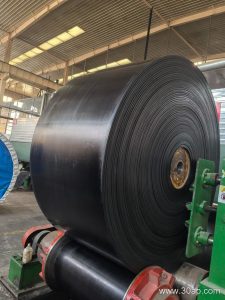
A drive lagged pulley is the powered drum at the head of a belt conveyor that transfers torque from the gearbox to the conveyor belt. The lagging is the replaceable or bonded layer on the drum shell that raises friction between the pulley face and the belt, which reduces slip when the conveyor starts under load or carries wet, dusty material. In practice, buyers also call this component a lagged head pulley or a rubber-lagged drive drum. It is not the same as a tail pulley, which mainly guides and tensions the return side, nor a bend pulley, which changes belt direction without driving the belt.
In a quarry, limestone mine, or sand and aggregate line, the drive lagged pulley often works together with a heavy-duty conveyor belt and a set of conveyor idler rollers to keep material moving from the crusher to the screening deck. The pulley is the point where the entire conveyor’s power demand is converted into belt motion, so its grip and alignment matter more than its appearance.
Construction and Surface Options
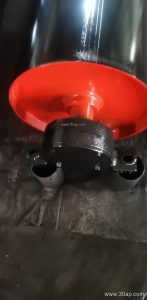
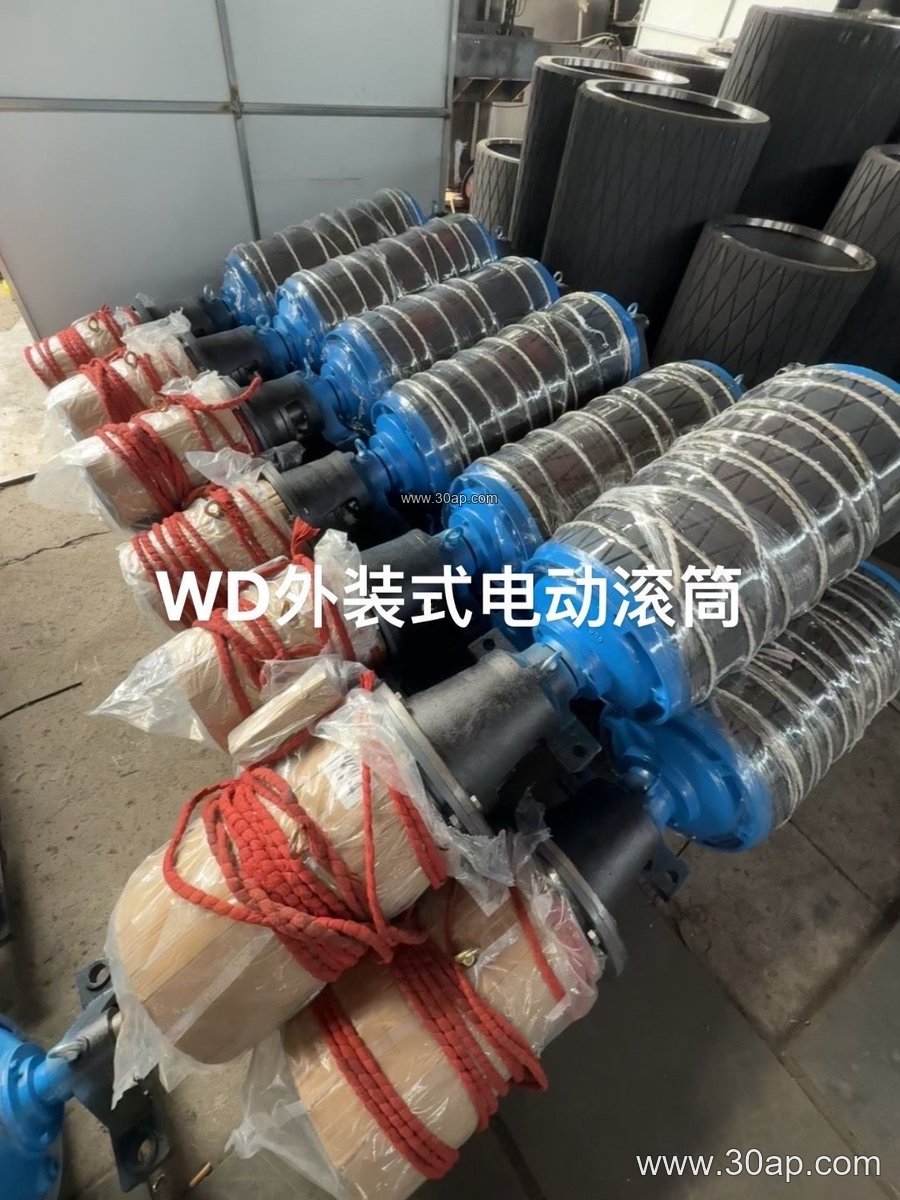
A typical unit consists of a steel shell, two welded end discs, a shaft, bearing housings, and a lagging layer. The shaft diameter is selected from torque and bearing load, not from belt width alone. Common shaft sizes include Ø80, Ø100, Ø120, Ø140, and Ø160 mm, but the final value depends on the drive design.
Lagging choices usually include plain rubber, diamond grooved rubber, herringbone rubber, ceramic tile, and cold-bonded or hot-vulcanized rubber. Thickness commonly falls between 8 mm and 20 mm. Diamond and herringbone patterns help shed water and fine dust; ceramic lagging suits high-traction, abrasive duty. The pulley face width is normally wider than the belt, for example about 1150 mm for a B1000 belt and about 1400 mm for a B1200 belt, so the belt is supported across its full width.
Where It Fits in the Conveyor
The drive lagged pulley sits at the discharge end in most head-drive arrangements. In a coal mining conveyor or a power plant coal handling system, it may be paired with a flame retardant conveyor belt and anti-static conveyor belt to meet underground or dusty conditions. In a cement plant, the same drum type may drive clinker or raw meal over long distances, where an abrasion resistant conveyor belt and heat resistant conveyor belt are common in adjacent sections.
Some layouts use a drive lagged pulley at an intermediate or dual-drive position, while the tail pulley handles take-up. A bend pulley may appear nearby to route the belt, but it does not replace the drive drum. Correct alignment between the drive pulley, the conveyor bracket, and the idler roller frames prevents edge wear and belt tracking problems.
Common Dimensions and Matching
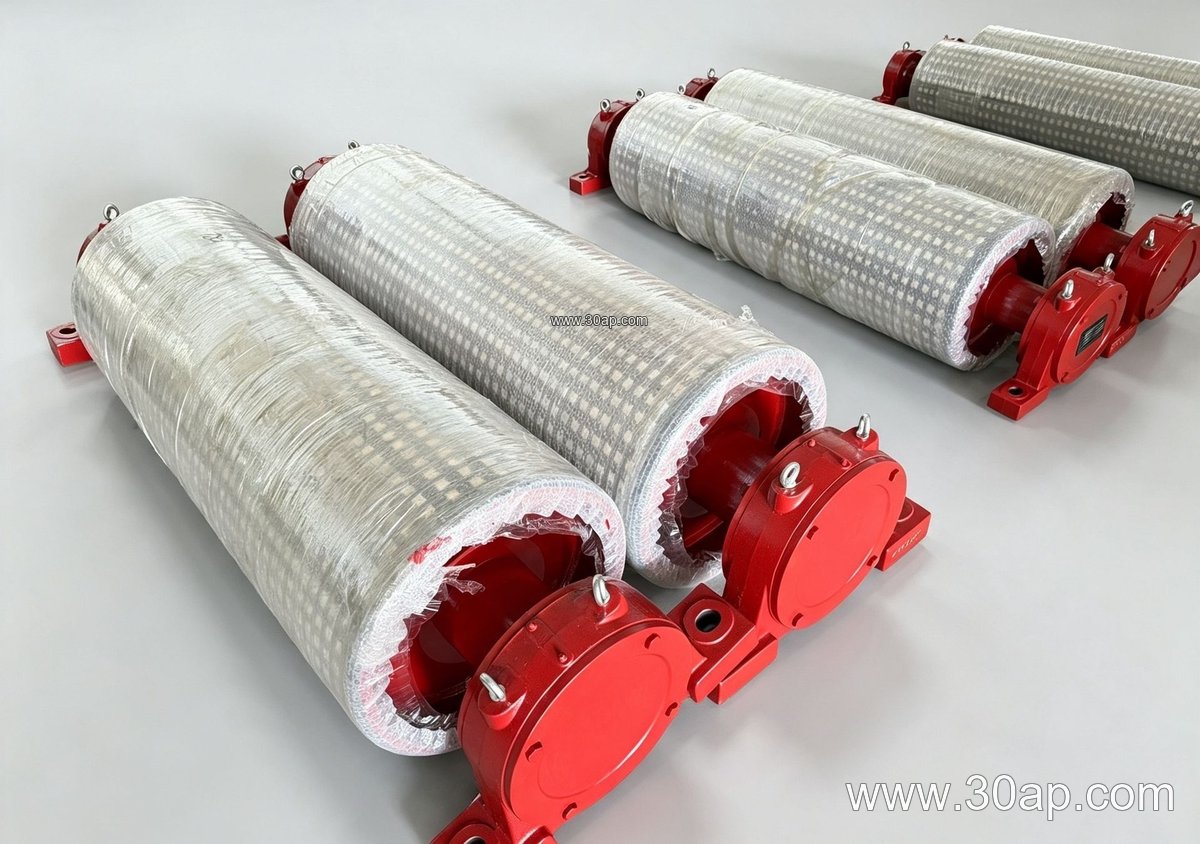
The table below shows reference combinations that appear in conveyor design work. These are examples, not fixed rules; a B1200 belt can be used with more than one drum diameter depending on speed, tension, and wrap angle.
- B800 with Ø500 mm drum, face width about 950 mm
- B1000 with Ø630 mm drum, face width about 1150 mm
- B1200 with Ø800 mm or Ø1000 mm drum, face width about 1400 mm
- B1400 with Ø800 mm drum, face width about 1600 mm
- B1600 with Ø1000 mm drum, face width about 1800 mm
- B1800 with Ø1250 mm drum, face width about 2000 mm
- B2000 with Ø1400 mm drum, face width about 2200 mm
When specifying, state belt width, belt type, desired drum diameter, lagging pattern and thickness, shaft diameter, bearing type, and whether the pulley is head-driven or part of a dual-drive system. A fabric core conveyor belt such as an EP conveyor belt or NN conveyor belt needs a different traction check than a steel cord conveyor belt, because belt stiffness and splice behavior differ.
Buyer Checklist and Maintenance Notes
Check that the lagging thickness is uniform and bonded without voids, especially on ceramic and diamond surfaces. Confirm that the shaft keyway, bearing seats, and bolt holes match the drive frame. During operation, inspect for lagging wear, material buildup, and belt mistracking. A worn drive lagged pulley can cause slippage, heat, and premature belt edge damage.
Keep the drum face clean and verify that the conveyor belt tension is correct, since excessive tension increases bearing load while too little tension encourages slip. In dusty sites such as a copper ore or iron ore transfer station, schedule cleaning around the drive pulley and the conveyor bracket area. For harsh duty, a high abrasion resistant conveyor belt combined with properly specified lagging gives the drive drum a better chance of long service.