What the Rubber Disc Return Idler Does
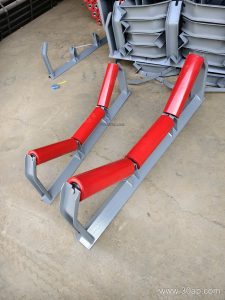
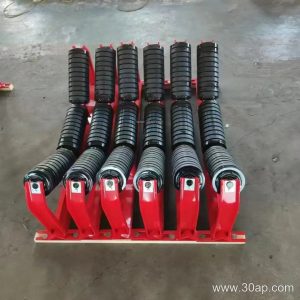
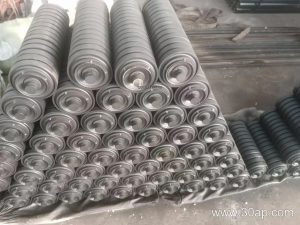
A rubber disc return idler is a lower carrying roller for the return strand of a conveyor, built from a steel shaft and bearing housings with a series of rubber discs pressed along the shell. Instead of a plain steel tube, the discs form a segmented, slightly flexible surface that supports the empty belt on its way back to the tail pulley. In a long conveying line, the return strand is often the quiet part of the system, yet it is where fines, sticky material and misalignment quietly cause belt edge wear. This idler type addresses that zone directly: the rubber rings shed material instead of trapping it, and the gaps between discs let debris fall away.
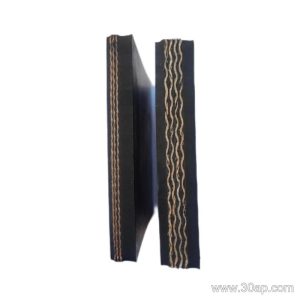
It is a subtype of return idler, not a substitute for a grooved training idler or a flat steel roll. Where a plant uses a fabric core conveyor belt on a moderately loaded line, a rubber disc return idler can be a practical upgrade over a plain return roller.
How the Discs and Shaft Are Built
The working surface is a set of rubber discs, usually moulded from abrasion resistant rubber compound and mounted on a steel tube or directly on the shaft. Disc spacing, disc diameter and rubber hardness are chosen by design. The shaft sits in sealed bearing housings, typically fitted with deep groove ball bearings such as 6204, 6205, 6305, 6306, 6308 or 6310 depending on load and roll diameter. A labyrinth or contact seal keeps dust out, which matters in a quarry or a cement plant where fine powder is everywhere.
- Rubber disc surface: flexible contact, good grip on the belt, self-cleaning between rings
- Bearing housing: sealed for dusty service, greased or sealed-for-life versions
- Shaft: sized by the conveyor bracket and frame design, not by belt width alone
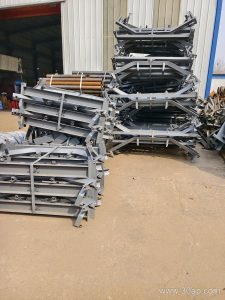
- Mounting: fits standard return idler frames and conveyor brackets
Available roll diameters commonly include Ø89, Ø102, Ø108, Ø127, Ø133 and Ø159 mm, with larger sizes such as Ø178 and Ø194 mm used on heavy return runs. These are reference ranges, not fixed pairings with any one belt width.
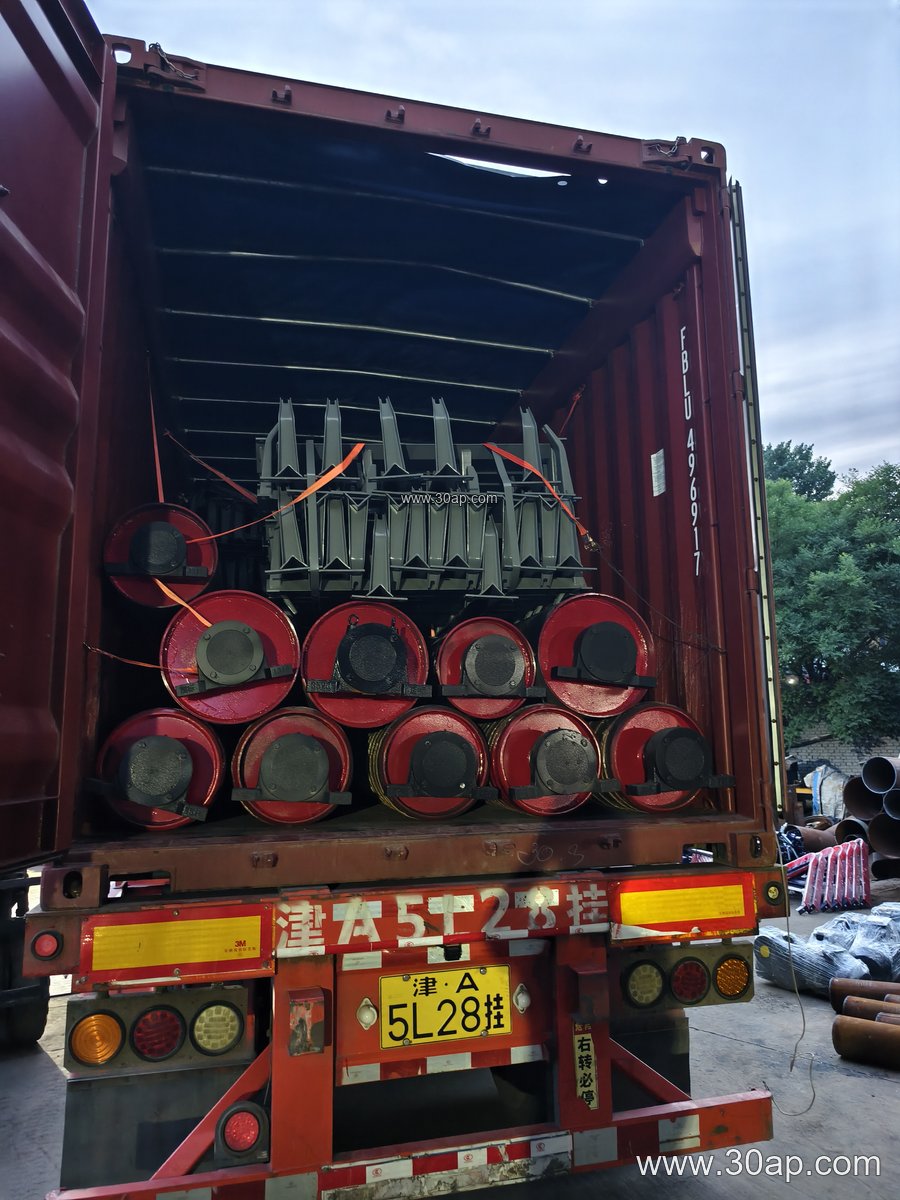
Where It Fits on the Conveyor
You will see this roller under the return belt in aggregate plants, limestone quarries and sand and gravel lines, and in cement plants where dust builds up quickly. It also suits power plant coal handling and steel plant sinter lines, especially where spillage tends to cling to a steel return roll. On a belt conveyor carrying a bulk material conveyor belt load, the rubber rings flex slightly under the belt, which helps absorb small lumps and reduces the chance of material being pinched between belt and roller.
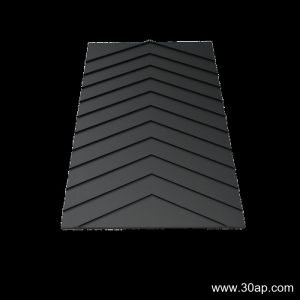
It is not a substitute for impact idlers at the loading point, nor for a bend pulley or tail pulley. It simply keeps the return strand supported and cleaner. Plants running a chevron conveyor belt or a corrugated sidewall conveyor belt should confirm disc clearance, because raised cleats and sidewalls need a support pattern that will not catch them.
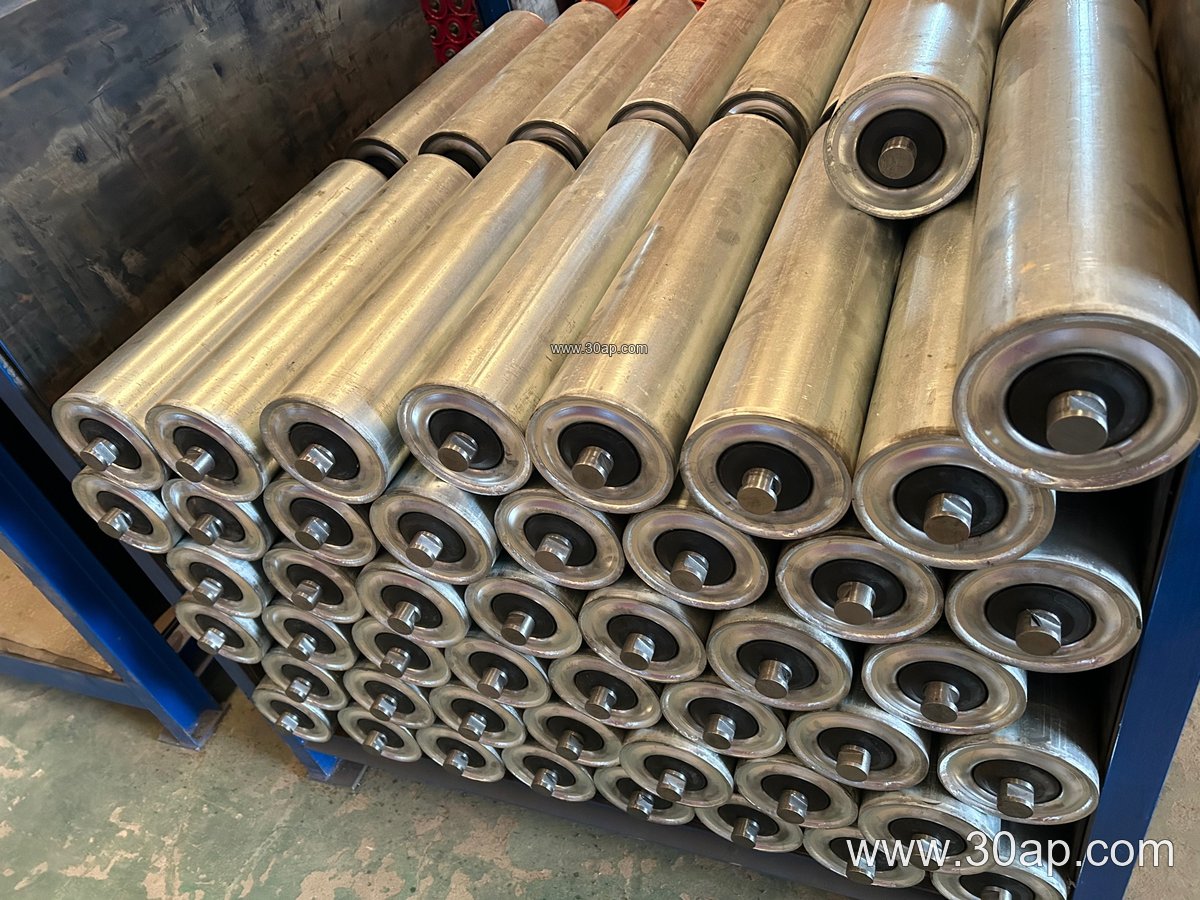
Selection Points Buyers Should Check
Start with belt width, then work outward. Common belt widths in the reference range run from B400 and B500 up to B2000 and B2400, and the idler frame length must match the actual return strand. Roll diameter, disc diameter and disc count should be selected for belt speed, load and material stickiness. A wider belt such as a 1200mm or 1400mm conveyor belt does not automatically require one specific roll diameter; the frame, bearing load and shaft design decide that.
| Parameter | Common reference values |
|---|---|
| Roll diameter | Ø89, Ø102, Ø108, Ø127, Ø133, Ø159, Ø178, Ø194 mm |
| Belt width | B400 to B2400 (e.g. B650, B800, B1000, B1200, B1400, B1600) |
| Bearing | 6204, 6205, 6305, 6306, 6308, 6310 |
| Disc material | Abrasion resistant rubber, hardness by design |
| Mounting | Standard return frame and conveyor bracket |
Ask for the shaft end type, the frame hole spacing and the sealing arrangement before ordering. For a mine conveyor belt or an underground coal mining conveyor belt, flame retardant and anti-static requirements may apply to rubber components, so confirm the compound specification with the supplier. A rubber conveyor belt running in a cold climate may also call for a cold resistant rubber grade.
Installation and Maintenance Notes
Align the idler square to the belt centreline, check that all discs rotate freely by hand, and confirm that the return belt does not rub the frame. Inspect periodically for worn discs, flattened rings, seized bearings and material build-up. Replace a disc return roller when the rubber is cut through to the shell or when the bearing develops play. Keep spare units matched to the same shaft and bracket dimensions so a change-out does not require frame modification.
For related conveyor components, plants often source the conveyor belt, idler roller and conveyor pulley together so that widths, speeds and load ratings stay consistent across the line.