What a Conveyor Idler Bracket Does on the Belt Line
A conveyor idler bracket is the structural interface between the idler roller and the conveyor frame. It holds the roller at the correct height, angle, and spacing so the conveyor belt runs true without excessive sag or edge damage. In a quarry, cement plant, or power plant coal yard, these brackets are often the first component to show wear when alignment drifts or material build-up occurs. The bracket itself is a simple fabricated part, but its geometry directly affects belt tracking, energy consumption, and roller life.
Construction and Common Materials
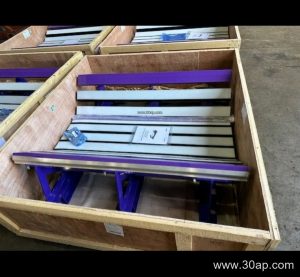
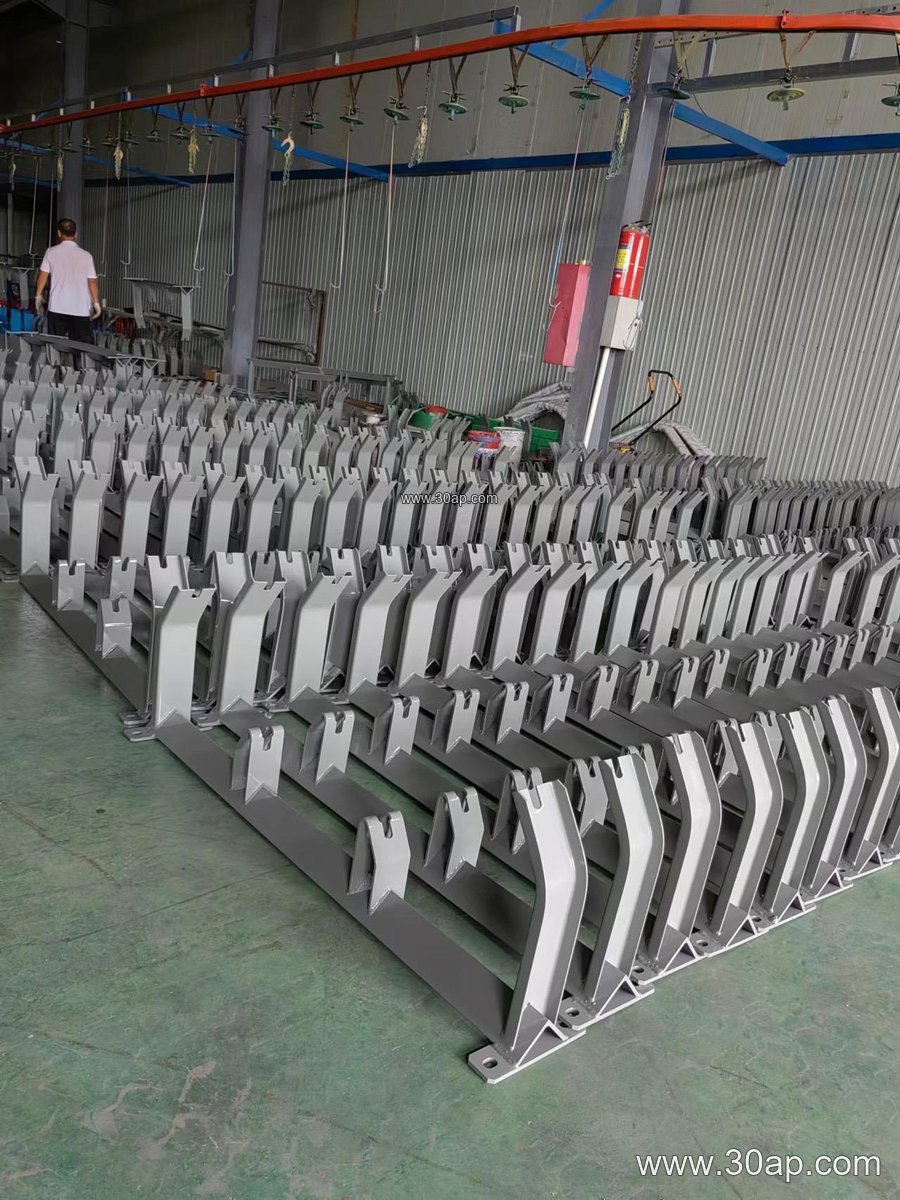
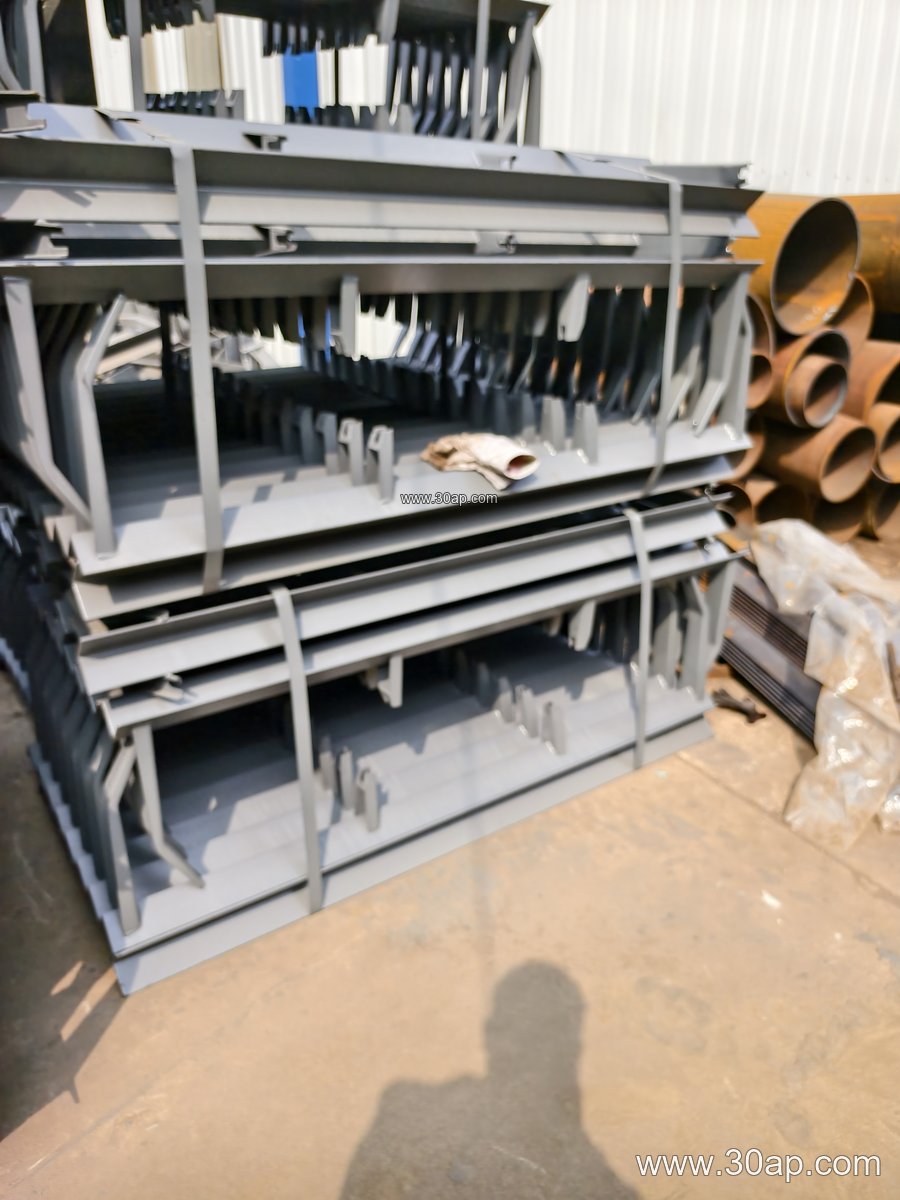
Most brackets are made from angle steel, channel steel, or folded steel plate. The fabrication method matters: a folded plate bracket with continuous welds tends to resist vibration better than a lightly tack-welded angle bracket. Mounting slots are usually elongated to allow field adjustment, and the bracket height is set to match the idler roller diameter. For abrasive environments such as an iron ore transfer point, a heavier gauge bracket reduces deformation when the belt is misaligned or overloaded. The bracket does not carry the material load directly; that duty belongs to the idler roller and the conveyor belt, but a weak bracket will transfer stress back into both.
Types and Where They Fit
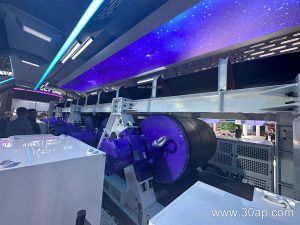
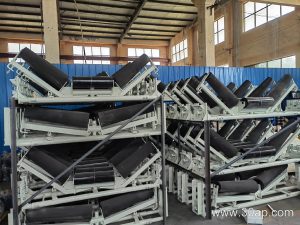
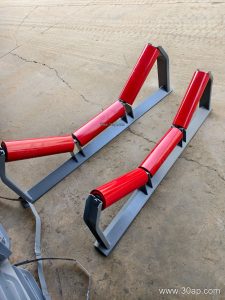
Bracket types follow the idler arrangement. A troughing bracket supports three rollers in a trough shape on the carrying side. A transition bracket eases the belt from flat to troughed at the tail or head. Return brackets hold the belt on the return run, and a V-return bracket helps center the belt on the lower strand. Impact brackets sit under loading points and are built to absorb shock. Self-aligning brackets allow the idler frame to pivot slightly and correct minor mistracking. Adjustable brackets let maintenance crews change the trough angle in the field.
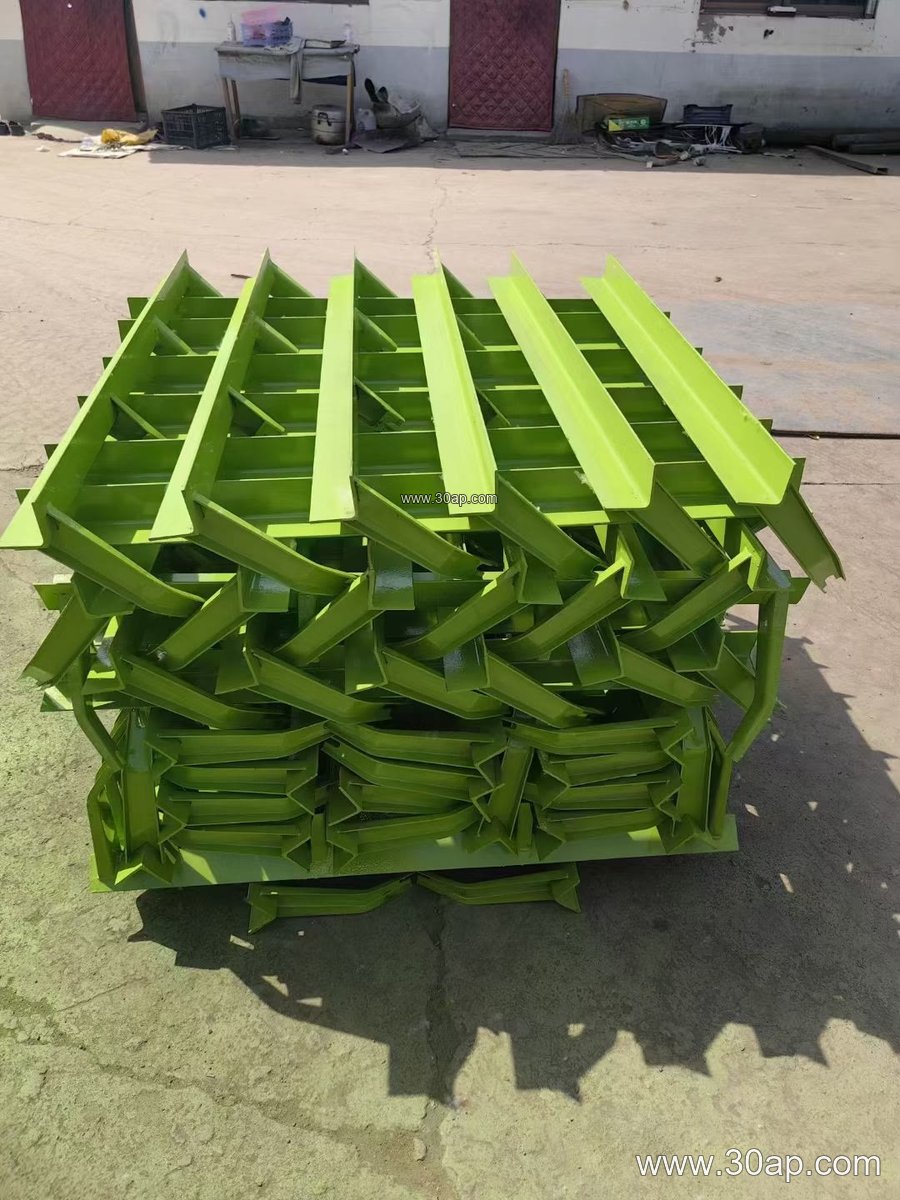
Typical bracket reference combinations
The table below shows common bracket and roller pairings by belt width. These are reference examples, not fixed rules; final selection depends on the conveyor design, belt tension, and material characteristics.
| Belt Width | Trough Angle | Roller Diameter | Typical Bracket Type |
|---|---|---|---|
| B500 | 20°–30° | Ø89 | Troughing bracket |
| B650 | 30° | Ø89–Ø108 | Troughing or transition bracket |
| B800 | 35° | Ø108 | Troughing bracket |
| B1000 | 35°–45° | Ø108–Ø133 | Troughing or impact bracket |
| B1200 | 35°–45° | Ø133 | Troughing bracket |
| B1400 | 35°–45° | Ø133–Ø159 | Troughing or V-return bracket |
| B1600 | 35°–45° | Ø159 | Heavy troughing bracket |
| B1800 | 35°–45° | Ø159–Ø194 | Heavy troughing bracket |
| B2000–B2200 | 35°–45° | Ø194 | Heavy troughing or transition bracket |
Forward-leaning brackets, often set at about 1.5° to 2°, are used with forward-tilted idlers to improve belt training on long overland conveyors. Spiral and garland brackets appear where impact and misalignment are both concerns.
Installation and Maintenance Notes
Bracket alignment starts with the frame. Before bolting a new bracket in place, check that the frame stringers are square and level. A bracket that is square to the frame but out of line with the belt path will still cause edge wear. Use the elongated slots to set the trough angle, then torque fasteners to the conveyor designer’s specification. In coal mining and underground mining conveyor systems, flame retardant conveyor belts and anti-static belts are common, and bracket clearance must allow for belt edge movement without rubbing. Inspect brackets after the first week of operation; vibration often reveals loose bolts or a bent bracket before the belt shows damage.
Buyer Checklist
- Confirm belt width, trough angle, and roller diameter before ordering. B800 with 35° and Ø108 is a typical combination, but B800 does not limit the conveyor to one roller size.
- Ask for the bracket material and plate thickness, especially for high abrasion service in a crusher or sinter plant.
- Check mounting hole spacing and crossbeam length against the existing frame; these dimensions vary with belt width and trough angle.
- Specify adjustable or fixed brackets based on whether the trough angle may need field changes.
- For dusty or wet conditions, consider a bracket design that sheds material rather than trapping it.
Whether the line carries EP conveyor belt, steel cord conveyor belt, or a heat resistant conveyor belt, the bracket should be matched to the roller and frame, not chosen in isolation. For more information on compatible idler and bracket configurations, visit www.example.com/conveyor-idler-bracket or contact our engineering team with your belt width and trough angle.