What the ST1000 Conveyor Belt Is
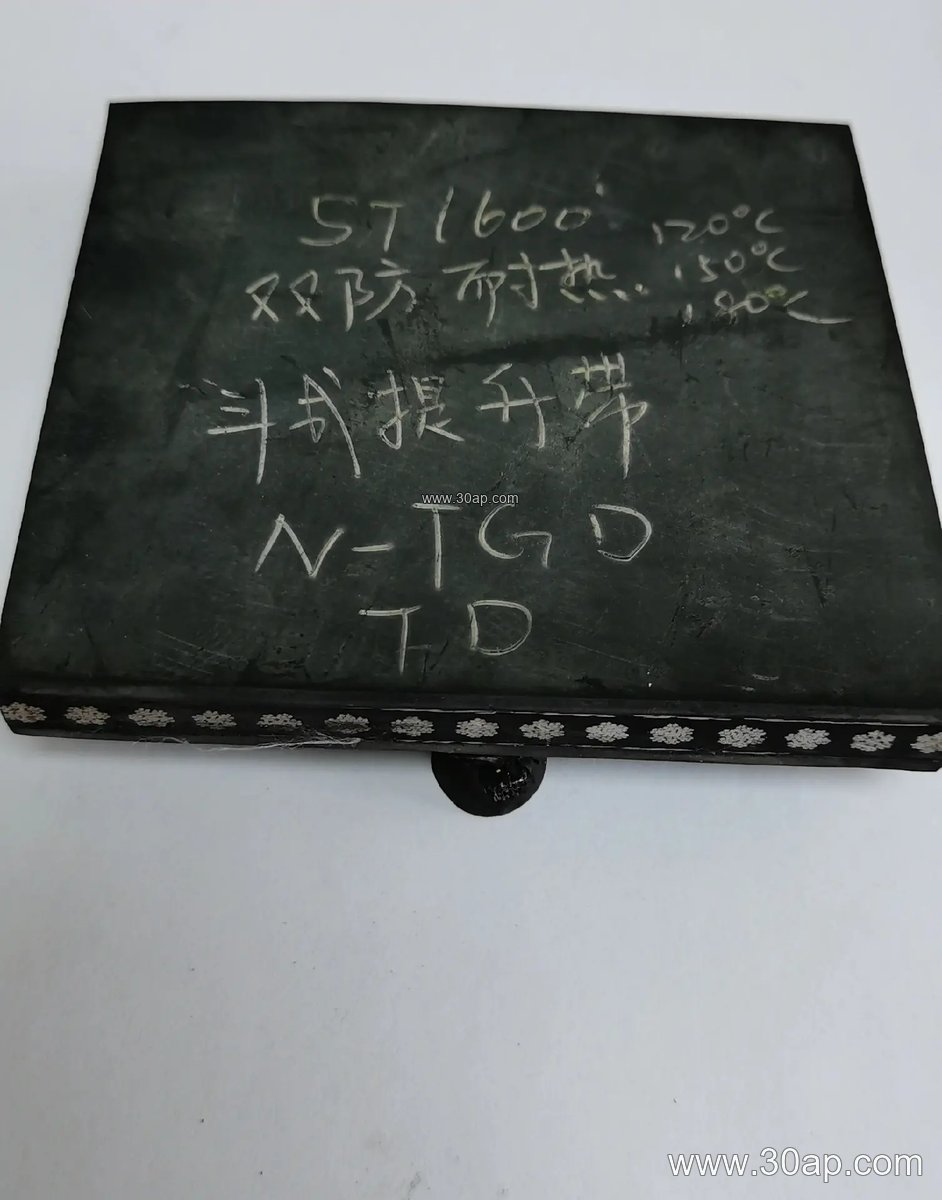
The ST1000 Conveyor Belt is a steel cord conveyor belt with a nominal tensile strength of 1000 N/mm across the full belt width. It sits in the lower-middle range of the steel cord family, above ST630 and below ST1250 Conveyor Belt and ST1600, which makes it a practical choice for long overland lines and main haulage runs where fabric belts would need too many plies. Unlike an EP Conveyor Belt or a multi-ply fabric core belt, the tension member here is a single layer of parallel steel cords, so the belt stretches very little under load and tracks well on long centres.
Because the cords carry the pull, the ST1000 can combine high strength with a relatively thin profile. That matters on installations with small pulley diameters or where splice thickness must stay low.
Construction and Typical Build
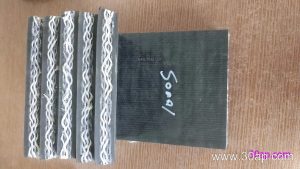
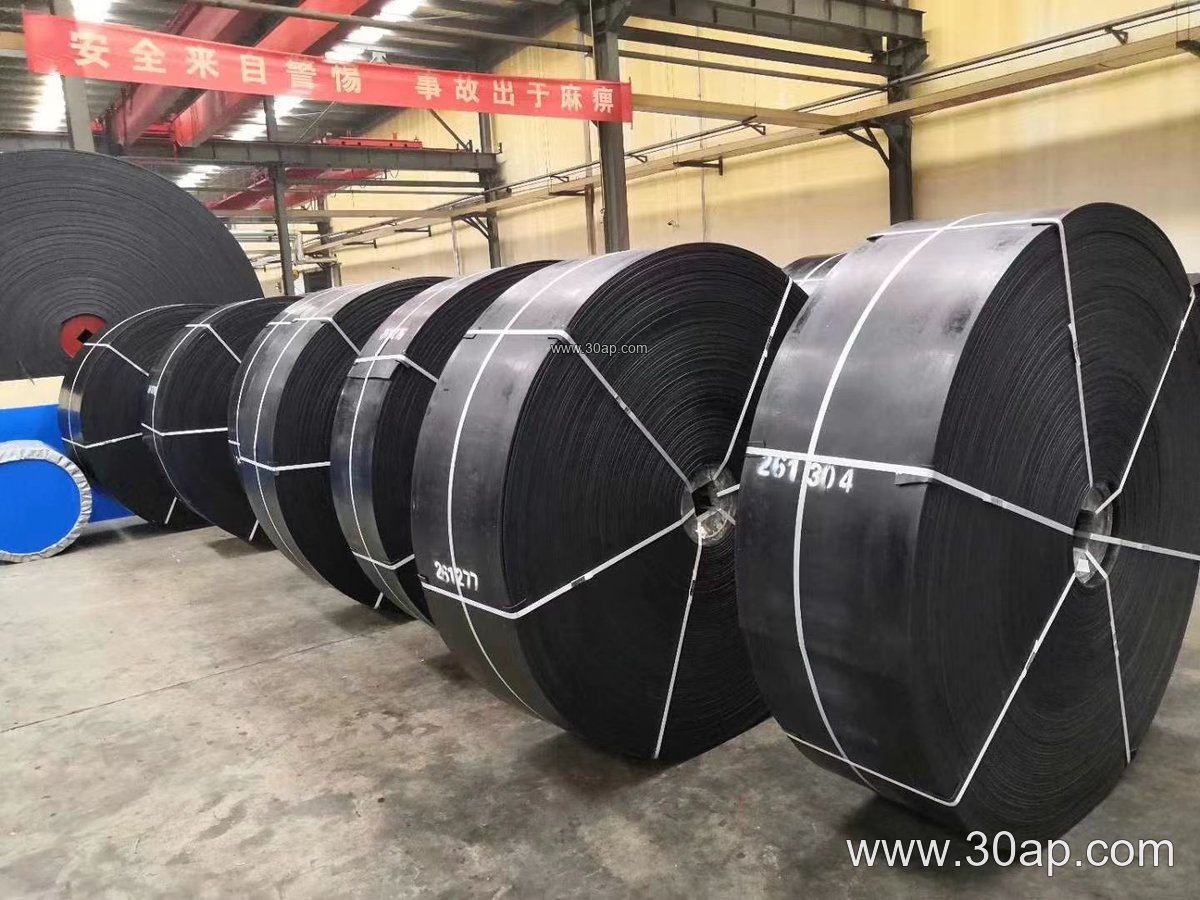
The belt is built around galvanised or brass-coated steel cords spaced evenly across the width. A core rubber layer bonds the cords, and top and bottom cover rubber protect the carcass from abrasion, impact and moisture. Cover thickness is set by the duty, and common combinations include 5+2 mm, 6+2 mm and 8+3 mm for heavy ore and rock service.
- Strength class: ST1000, nominal 1000 N/mm
- Tension member: steel cord, single plane
- Typical cover grades: abrasion resistant, flame retardant, heat resistant, cold resistant
- Common widths: B800, B1000, B1200, B1400, B1600, B1800
- Typical cover builds: 4+2 mm, 5+2 mm, 6+2 mm, 8+3 mm
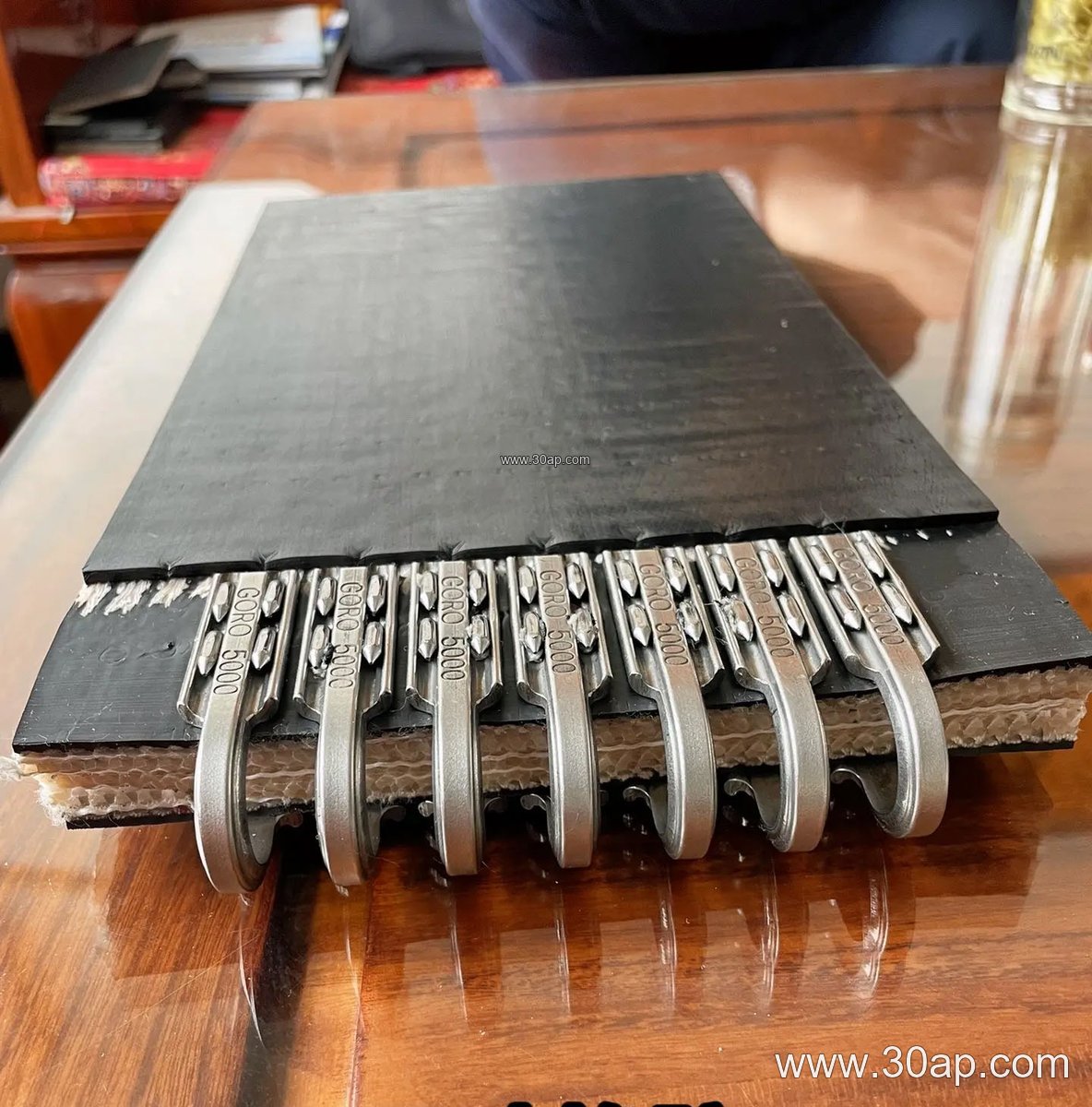
Splices are usually made by hot vulcanisation with stepped cord overlap. This is a workshop or field task that needs clean conditions and trained splicers, so buyers should plan splice kits and cure time into the project schedule.
Where It Fits in the Plant
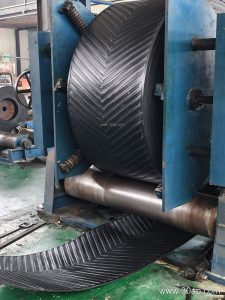
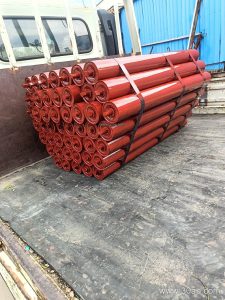
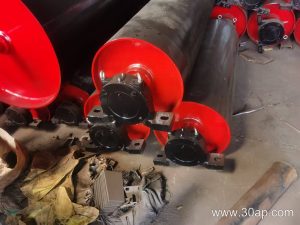
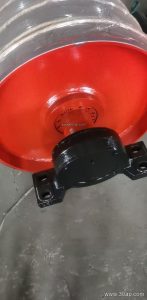
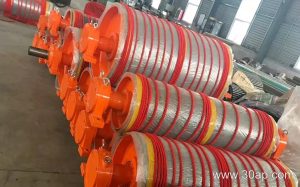
Steel cord belts are common in mines, coal preparation plants, cement works, power stations, quarries, ports and large aggregate yards. The ST1000 is often used on main trunk conveyors that receive material from a crusher and lift it to stockpiles or silos. In a Mining Conveyor Belt role it may run alongside fabric belts on the shorter branch lines, with conveyor pulley assemblies and idler roller sets sized to the belt width and load.
For underground coal service, a flame retardant and anti-static version is normally specified, and the same belt may be called an Underground Coal Mining Conveyor Belt in tender documents. In cement and lime plants, heat resistant covers are used where clinker or hot kiln dust reaches the belt. In ports and ship loading systems, wide belts such as 1800 mm are common to move bulk cargo at high tonnage.
Selection Points for Buyers
Start with the calculated maximum belt tension and the safety factor required by the conveyor design. ST1000 is not automatically right for every line; a short, lightly loaded conveyor may be better served by an EP or NN belt, while a very long lift may need ST1250 Conveyor Belt or higher. Check the following before ordering:
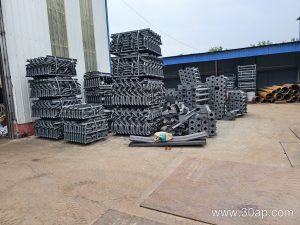
- Belt width and the pulley face width, plus whether a conveyor bracket layout limits take-up travel
- Material lump size and drop height, which drive impact rating and cover thickness
- Temperature range, oil or chemical exposure, and fire safety rules on site
- Pulley diameters and the belt’s minimum bend radius, confirmed with the belt maker
- Splice method, spare length allowance and delivery in rolls or cut lengths
Do not assume that one belt width fixes one pulley diameter; the drive, tail and bend pulleys are separate items with their own sizing rules. Give the belt supplier the conveyor profile, tonnage, material data and pulley details so the cover grade and cord class can be confirmed.
Care and Service Life
Most ST1000 failures start at the splice or at a loading point, not in the middle of the belt. Keep the skirt rubber and chute clear so material does not wedge under the belt, and check that idlers turn freely to avoid cover wear. Track alignment weekly, inspect splice steps for open edges, and keep the belt cleaner working. With correct pulley alignment, adequate take-up and a sound splice, a steel cord belt can serve for many years in abrasive Ore Conveyor Belt duty.