What an Ore Conveyor Belt Is
An ore conveyor belt is the load-carrying component of a bulk material handling system designed to move mined rock, concentrate, and processed ore between crushers, stockpiles, and ship loaders. In hard-rock mining, quarrying, and mineral processing plants, this belt must withstand sharp edges, heavy impact, and abrasive dust while maintaining steady throughput. Unlike a general-purpose conveyor belt, an ore conveyor belt is typically specified with a robust carcass and a thick, cut-resistant cover compound adapted to the specific mineral being handled.
Construction of the Belt
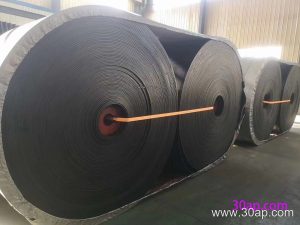
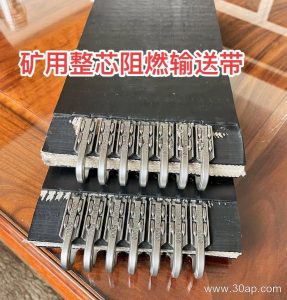
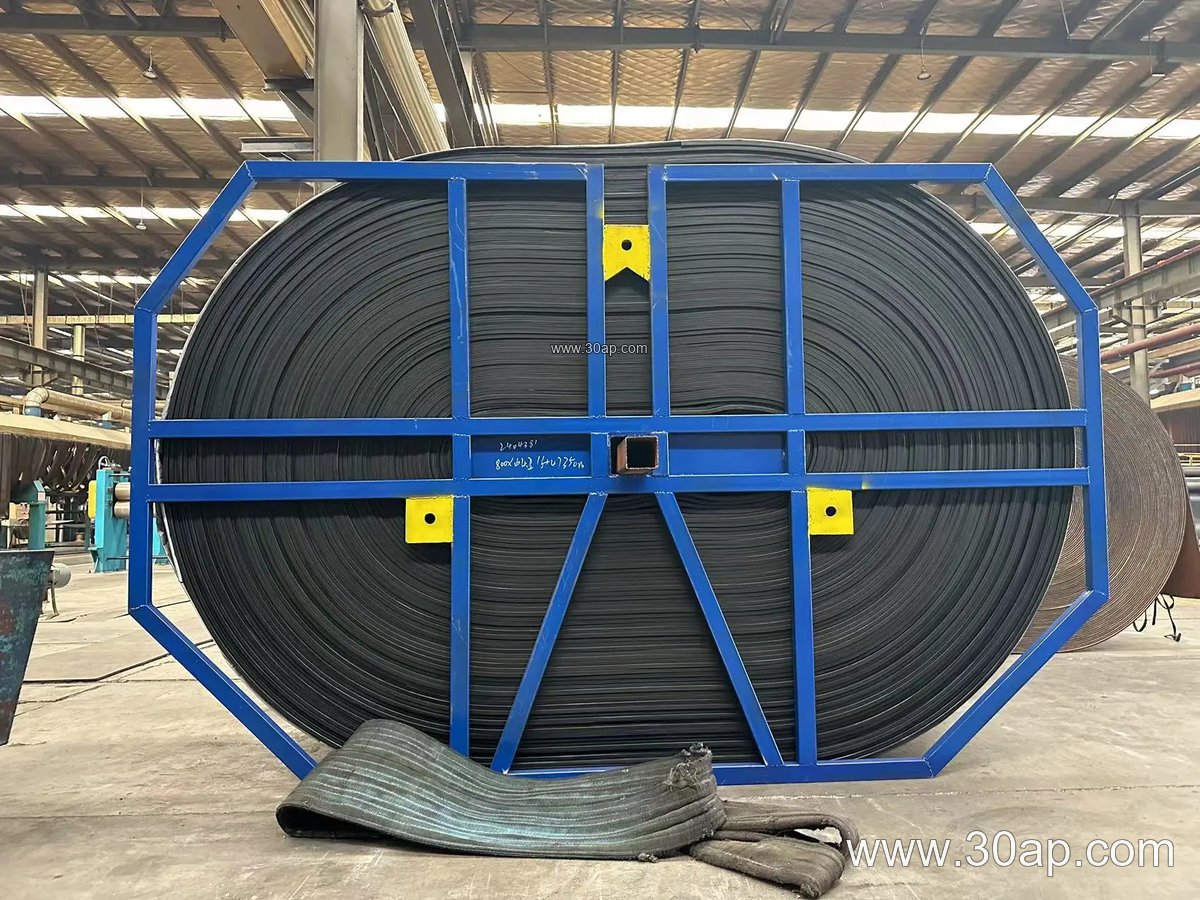
The belt body consists of a tension-bearing carcass sandwiched between top and bottom rubber covers. Common carcass options include EP Conveyor Belt fabric (polyester warp, nylon weft), NN Conveyor Belt (nylon warp and weft), and Steel Cord Conveyor Belt for high-tension, long-distance haulage. Multi-ply Fabric Core Conveyor Belt constructions with two to six plies are frequently used in primary and secondary crushing circuits. The cover rubber grade is chosen according to the ore: Abrasion Resistant Conveyor Belt compounds for sharp, dry rock; Heat Resistant Conveyor Belt grades for sinter or clinker; Oil Resistant Conveyor Belt where lubricants or oily ores are present; and Flame Retardant Conveyor Belt or Anti-Static Conveyor Belt for underground mining. For steep inclines, Chevron Conveyor Belt or Corrugated Sidewall Conveyor Belt profiles help retain the load, while Skirted Conveyor Belt edges prevent spillage at transfer points.
Typical cover thickness combinations such as 4+2 mm or 6+2 mm are common in ore handling, with fabric carcass strengths ranging from EP200 to EP1000 depending on the duty. Steel cord belts may be rated from ST1000 to ST3150 for high-capacity mainlines. Belt widths often fall between 800 mm and 2000 mm, though the right width depends on lump size, capacity, and troughing angle rather than a fixed rule.
Where Ore Conveyor Belts Are Used
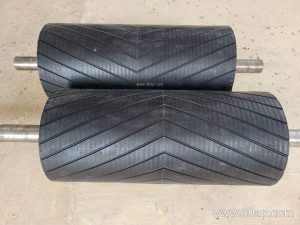
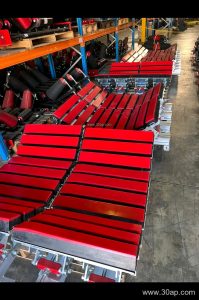
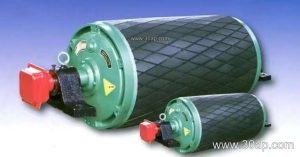
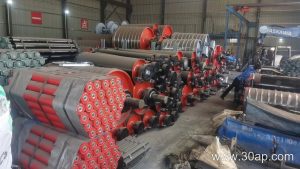
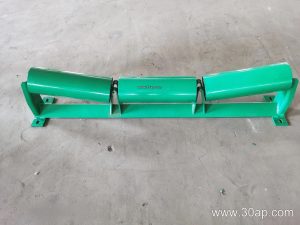
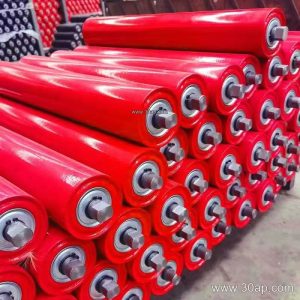
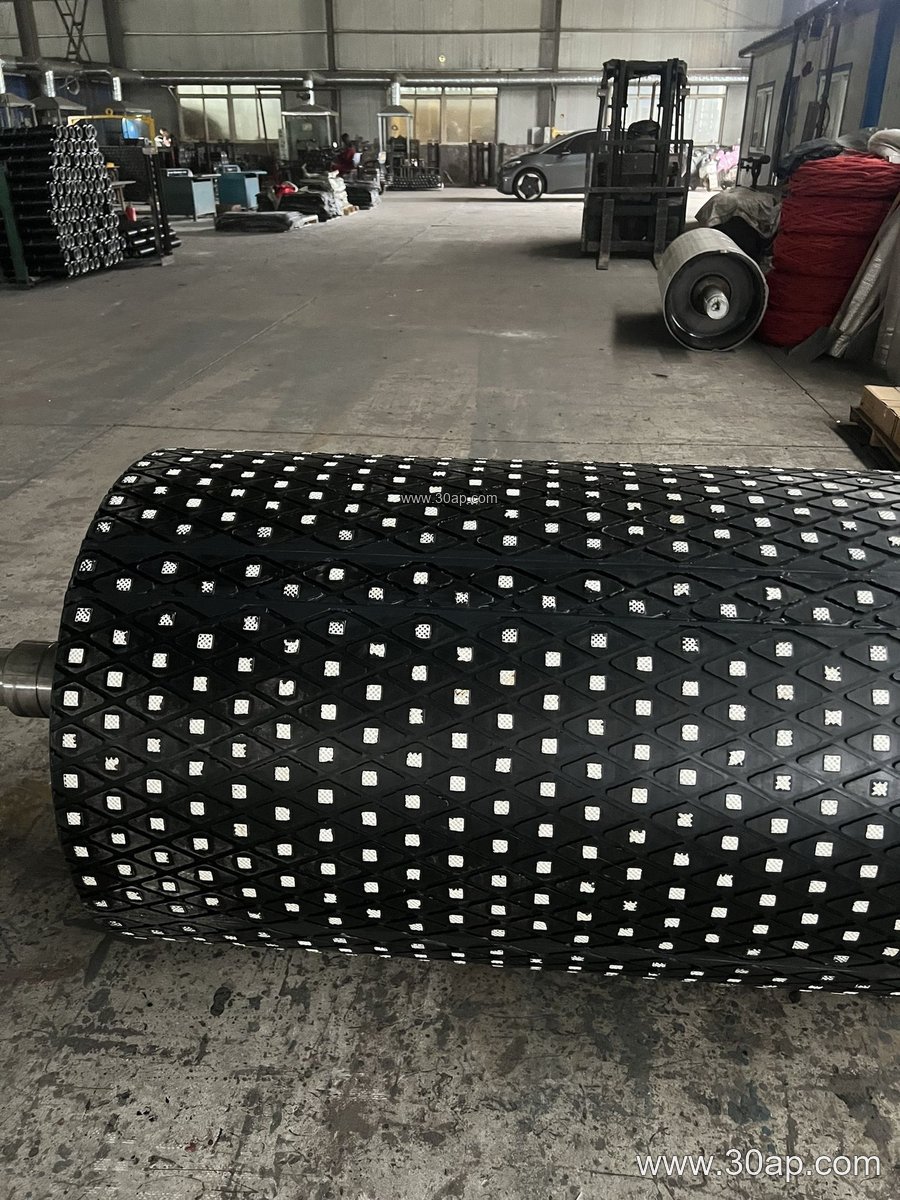
These belts appear across the mineral industry: underground coal mining and hard-rock mines, open-pit copper and gold operations, cement plants feeding raw mills, power plant coal yards, and aggregate quarries. A typical circuit includes a conveyor pulley at the head and tail, idler roller sets supporting the belt, and conveyor bracket assemblies holding the idlers in alignment. In a crushing plant, the belt under the primary crusher must absorb impact, so impact idlers and a thick top cover are often specified. Port and ship-loading facilities rely on wide, high-tension belts to move ore at thousands of tonnes per hour.
Key Specifications to Review
Buyers should match the belt to the conveyor design rather than selecting a single size. The table below lists common reference ranges, not universal rules; final values are confirmed by the conveyor designer and belt manufacturer.
| Parameter | Typical range |
|---|---|
| Belt width | 500 mm to 2000 mm (wide belts up to 2400 mm for large ports) |
| Fabric carcass strength | EP200 to EP1000, or NN100 to NN400 |
| Steel cord strength | ST1000 to ST3150 |
| Cover thickness | 3+1.5 mm, 4+2 mm, 5+2 mm, 6+2 mm, 8+3 mm |
| Number of fabric plies | 2 to 6 |
Environmental conditions also drive selection. Cold Resistant Conveyor Belt grades suit winter operations in northern mines; Acid Resistant Conveyor Belt or Chemical Resistant Conveyor Belt covers are used where aggressive slurries or fertilizers contact the belt; and High Abrasion Resistant Conveyor Belt compounds extend service life in iron ore and copper ore handling. Flame Retardant Conveyor Belt and Fire Resistant Conveyor Belt specifications are critical for underground coal mining conveyor belts, often paired with PVG Conveyor Belt or PVC Conveyor Belt constructions for fire safety.
Buyer Checklist
- Confirm the maximum lump size and drop height to select impact-resistant cover and idler spacing.
- Check the conveyor pulley diameters and shaft loads; belt tension rating must suit the drive, tail, and bend pulleys without assuming a fixed relationship between belt width and pulley size.
- Review the idler roller type and conveyor bracket spacing for proper belt support and training.
- Specify cover grade for abrasion, heat, oil, or flame resistance based on the actual ore and plant environment.
- Ask for the belt’s splice method and recommended endless or stepped joint for the application.
For more information on ore conveyor belt options, visit www.example.com/ore-conveyor-belt or contact our engineering team with your conveyor duty conditions.